Attractions and Places To See around Kurler Busch - Top 12
Best attractions and places to see around Kurler Busch include its significant natural area, the Naturschutzgebiet Kurler Busch, located in the northeast of Dortmund, Germany. This large nature reserve covers nearly 200 hectares, characterized by dense mixed oak and deciduous forests. It features wetlands, small ponds, and a larger lake, providing vital habitats for diverse flora and fauna. The area offers numerous Kurler Busch trails and hiking routes, serving as an important recreational space for residents.
Best attractions and places…
Last updated: October 9, 2026
Kurler Busch Nature Reserve
Highlight • Forest
Translated by Google •
Tip by

Mowwe Restaurant & Café
Highlight • Restaurant
Translated by Google •
Tip by

Sign up now to discover places like this
Get recommendations on the best single tracks, peaks, & plenty of other exciting outdoor places.
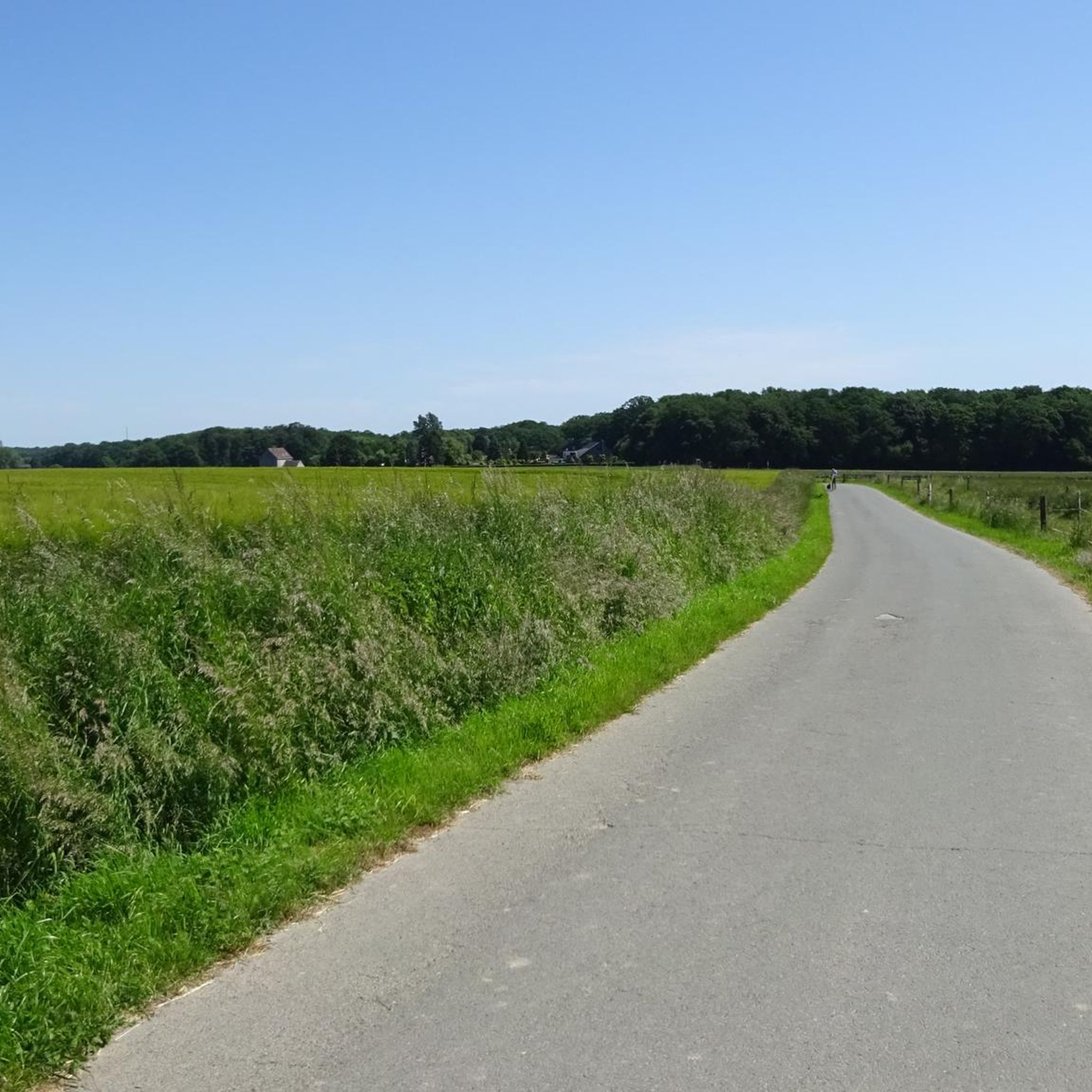
Mowwe's Pferdewiese Bench
Highlight • Viewpoint
I'm wondering why you have to turn a banal bench into a HL.
Translated by Google •
Tip by

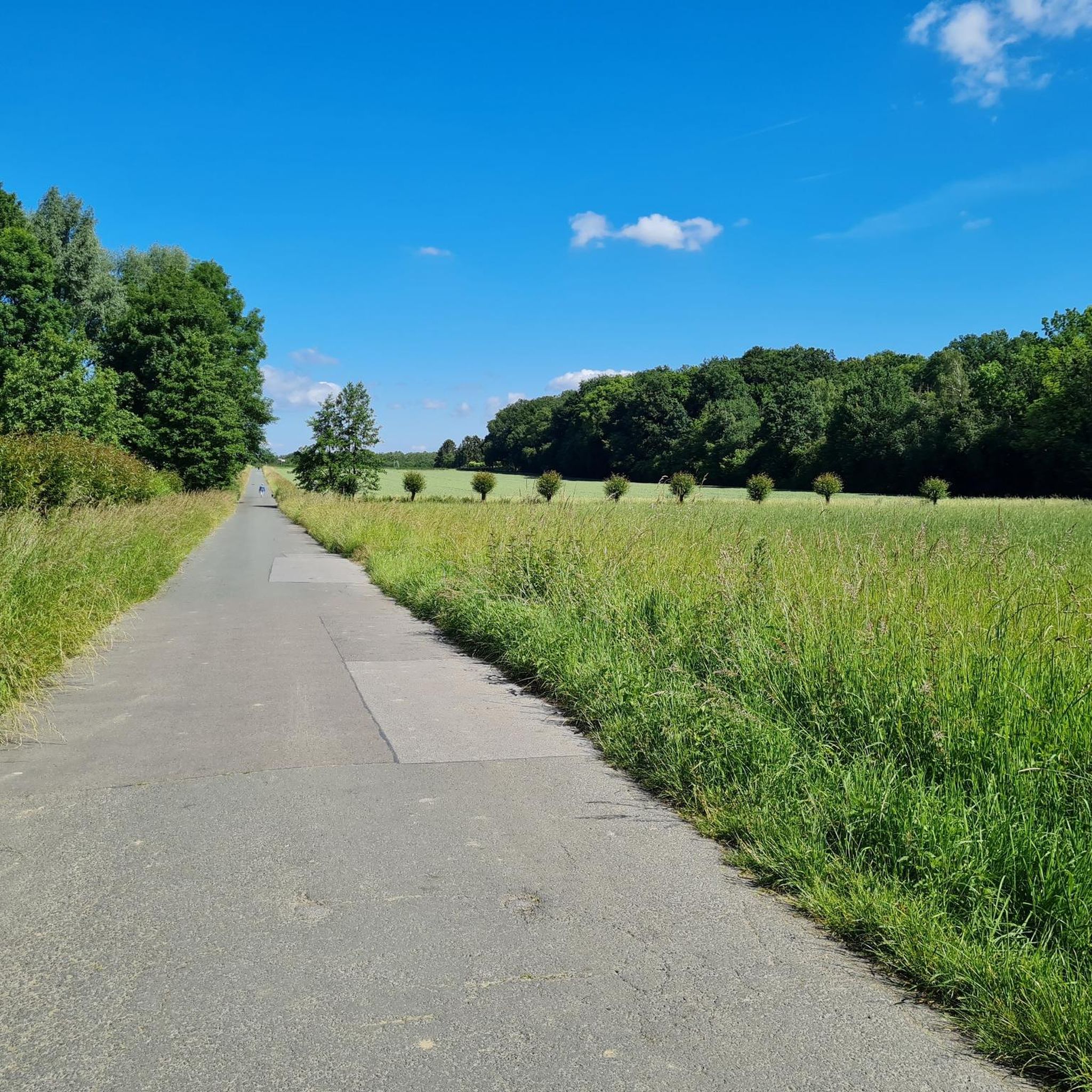
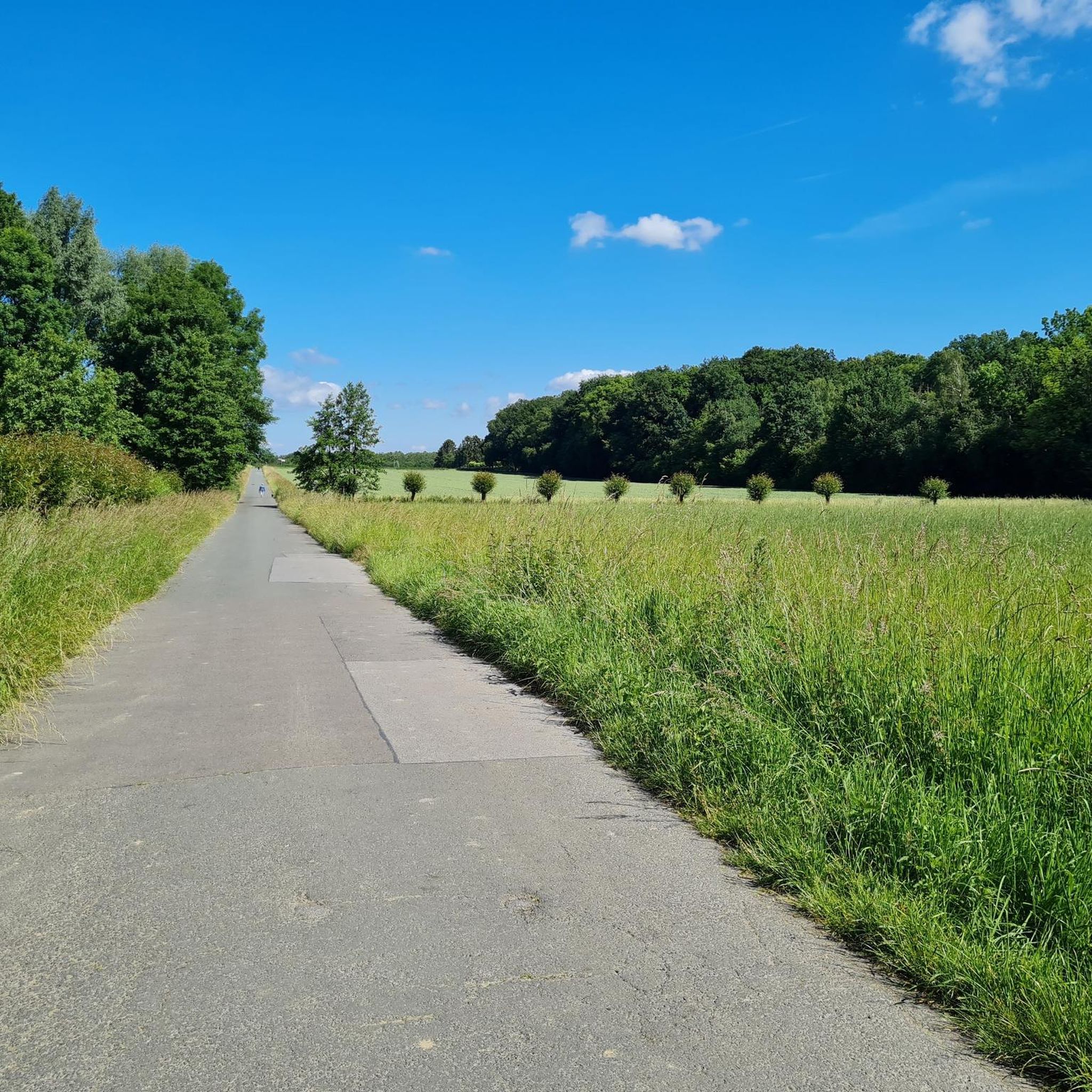
Salzweg in the Kurler Busch Nature Reserve
Highlight • Trail
Translated by Google •
Tip by

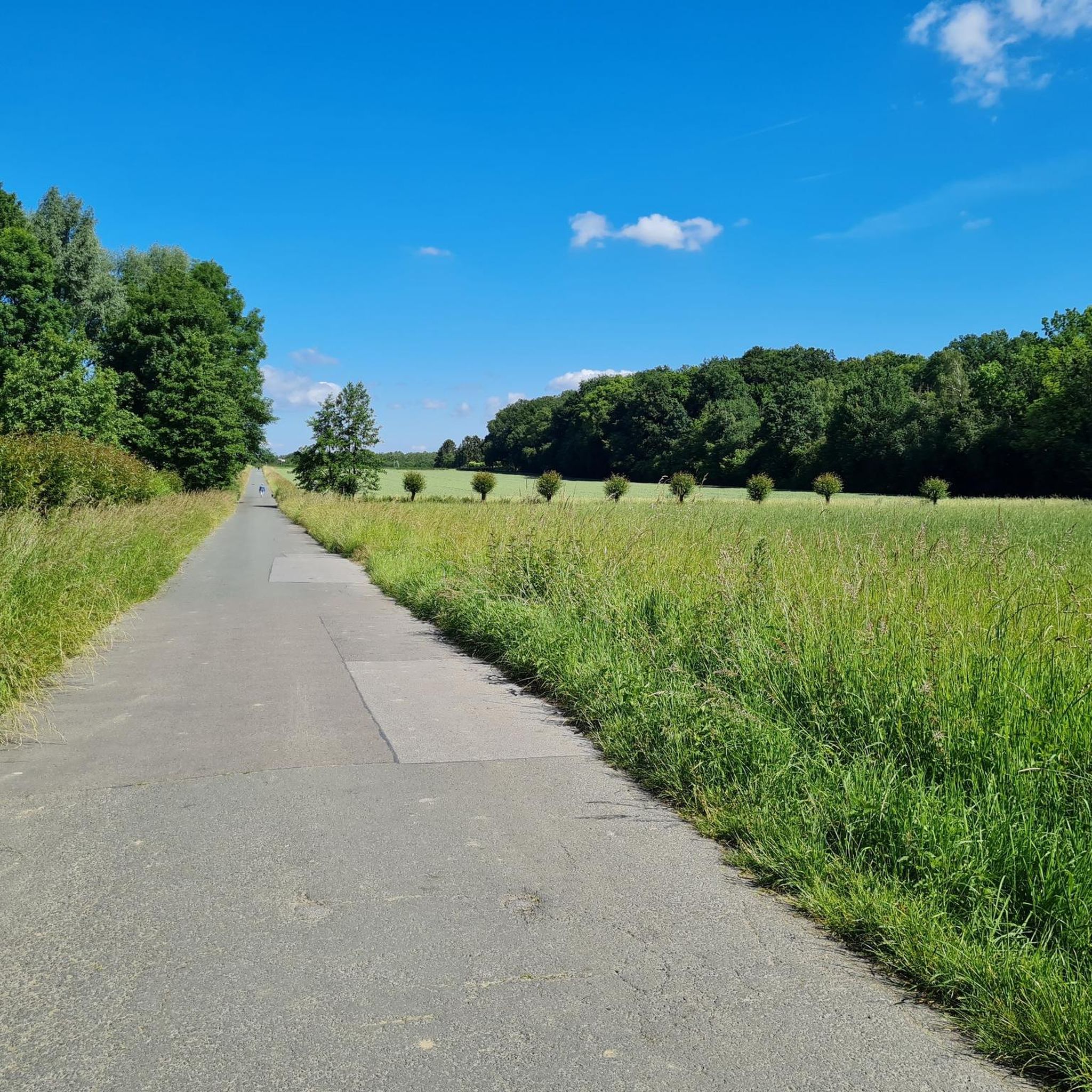
Circle of five pollarded willows on Rahmsloher Weg
Highlight • Natural Monument
Translated by Google •
Tip by

Sign up for free to discover even more attractions around Kurler Busch.
Already have an account?
Start today with a free account
Your next adventure awaits.
Tips from the Community

somewhat bumpy surface. But to bypass traffic, absolutely recommended.
0
0


beautiful nature reserve...good cycling
1
1


Mowwe is pretty crowded on weekends. But the "Mowwes Pferdewiese" break bench, which this HL 😶 😐 😑 refers to, isn't. It was empty every time. I'm wondering why you have to turn a banal bench into a HL. Maybe a TIP: Read what Komoot writes about highlights https://support.komoot.com/hc/de/articles/360025017212-Tipps-zur-Erstellung-guter-Highlights Create highlights in places that you think might be interesting for others too. There should be something special or interesting about this place that makes you want to recommend it. A bench is definitely not a great outdoor place.
2
1

Very close by is the Café and Restaurant Mowwe "Der Hof", which is always well attended when the weather is great. Both hikers and mostly cyclists stop there to continue their tour refreshed.
1
0

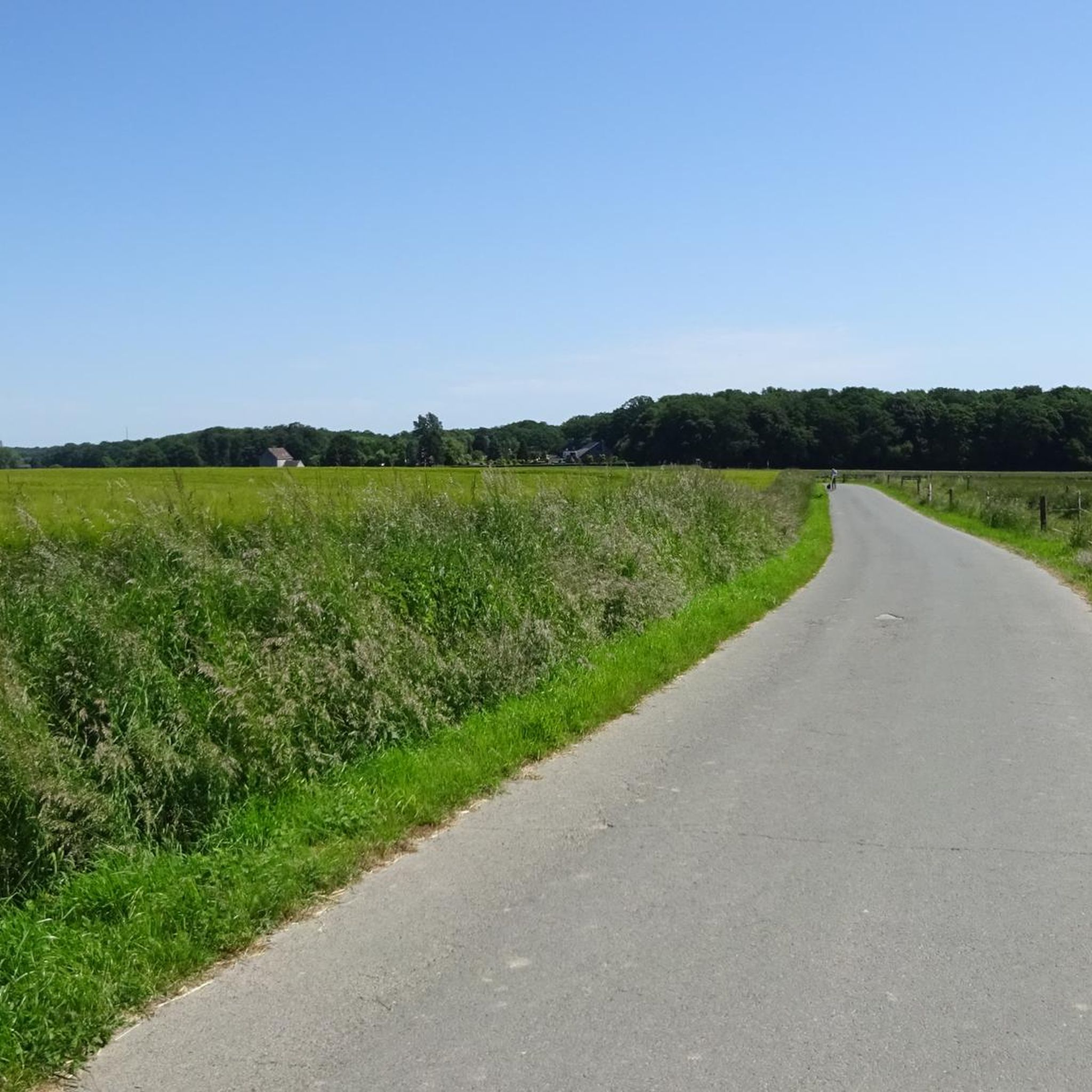
Formerly a transport route, today an attractive cycle and footpath
5
0

Unfortunately very crowded on nice days.
2
0
Frequently Asked Questions
What kind of natural features can I expect to see in Kurler Busch?
The Kurler Busch Nature Reserve is Dortmund's largest nature reserve, characterized by dense mixed oak and deciduous forests. You'll find several small ponds, various minor water bodies, and a larger lake formed by mining subsidence. The source area of the Rahmsloher Bach (Rahmsloh Stream) is notable for its wide reed belt and alder marsh forest. It's a rich natural landscape with varied forests and fields.
Are there specific trails or routes recommended for hiking in Kurler Busch?
Yes, the reserve offers a network of paths and trails suitable for walking and hiking. You can find several easy loop trails, such as the "Kurler Busch Beechwood – Kurler Busch Nature Reserve loop" or the "Kurler Busch Nature Reserve – View of Lanstroper Ei loop." For more options, explore the Easy hikes around Kurler Busch guide.
What historical sites can be found within or near the Kurler Busch Nature Reserve?
Within the reserve, you can explore the Salzweg in the Kurler Busch Nature Reserve. This trail was formerly a transport route for salt in the 18th century and now serves as an attractive cycle and footpath. A short distance away, you can also find Haus Wenge, the only preserved 16th-century aristocratic house with Gothic forms in the region.
Is Kurler Busch suitable for families with children?
Absolutely! The Kurler Busch Nature Reserve is considered family-friendly, offering recreational trails for walking and cycling. Many highlights, including the Salzweg and Mowwe's Pferdewiese Bench, are also categorized as family-friendly, making it a great place for outdoor activities with kids.
Are there options for cycling or gravel biking around Kurler Busch?
Yes, the area is popular for cycling and gravel biking. The Salzweg is an attractive cycle and footpath. You can find various routes, including easy gravel biking tours like the "Körnebach Cycle Path – Beversee Nature Reserve loop." For more detailed routes, check out the Gravel biking around Kurler Busch and Cycling around Kurler Busch guides.
Where can I find refreshments or a place to eat near Kurler Busch?
You can stop for refreshments at Mowwe Restaurant & Café, which is located in the middle of nature. It's a cozy spot with good food, though it can get crowded on weekends.
What is the best time of year to visit Kurler Busch?
The Kurler Busch is a beautiful destination year-round. Its dense deciduous forest is particularly appealing in spring when new leaves emerge, in summer for shade and cooling, and in autumn for vibrant foliage. The wetlands and water bodies are vital habitats, making it interesting for nature observation throughout the warmer months.
Is Kurler Busch accessible by public transport, and where can I park?
The Kurler Busch Nature Reserve is located in the northeast of Dortmund, making it accessible for residents and visitors. While specific public transport stop names or exact parking locations are not detailed, it is generally considered an important recreational space for the surrounding region, implying various access points. It's advisable to check local transport and parking information for Dortmund-Kurl.
Can I bring my dog to Kurler Busch?
Yes, the Kurler Busch is generally dog-friendly, with many trails suitable for walks with your canine companion. However, as it is a nature reserve, it's important to keep dogs on a leash to protect the local wildlife and ensure a pleasant experience for all visitors.
What makes the Kurler Busch Nature Reserve unique?
The Kurler Busch stands out as Dortmund's largest nature reserve, covering nearly 200 hectares. It's unique for its valuable mixed oak and deciduous forests, its resilience to dry climates, and its vital wetlands that host a large population of amphibians and a grey heron colony. It serves as a crucial retreat and stepping-stone biotope for numerous rare species of flora and fauna in the Hellweg region.
Are there any notable viewpoints in the area?
Yes, you can find several spots offering pleasant views. The Mowwe's Pferdewiese Bench provides a nice resting spot. Additionally, the nearby Lanstroper See features the "Lanstroper Ei" water tower, which is known to offer excellent views of the surrounding landscape and is easily reachable by bike.
What do visitors particularly enjoy about the Kurler Busch area?
Visitors appreciate the Kurler Busch Nature Reserve for its diverse nature and richly structured landscapes, making it a popular spot for beautiful excursions. Many enjoy the dense forest for cooling off on hot days and the variety of trails for relaxed walks or more challenging routes. The area is seen as a tranquil retreat for unwinding and experiencing nature.
What kind of wildlife can be observed in Kurler Busch?
The Kurler Busch is a sanctuary for numerous rare species of flora and fauna. Its wetlands are particularly vital habitats for a large population of amphibians and a grey heron colony. The reserve acts as a crucial biotope for various forest and water-bound animal and plant species, making it an excellent spot for nature observation and wildlife spotting.
Most popular routes around Kurler Busch
Most popular attractions around Kurler Busch

Get inspired with the komoot mobile app


Explore more
Still not found the Highlight you’re looking for? See guides of the top attractions in other regions:
