Attractions and Places To See around Bergedorfer Gehölz - Top 12
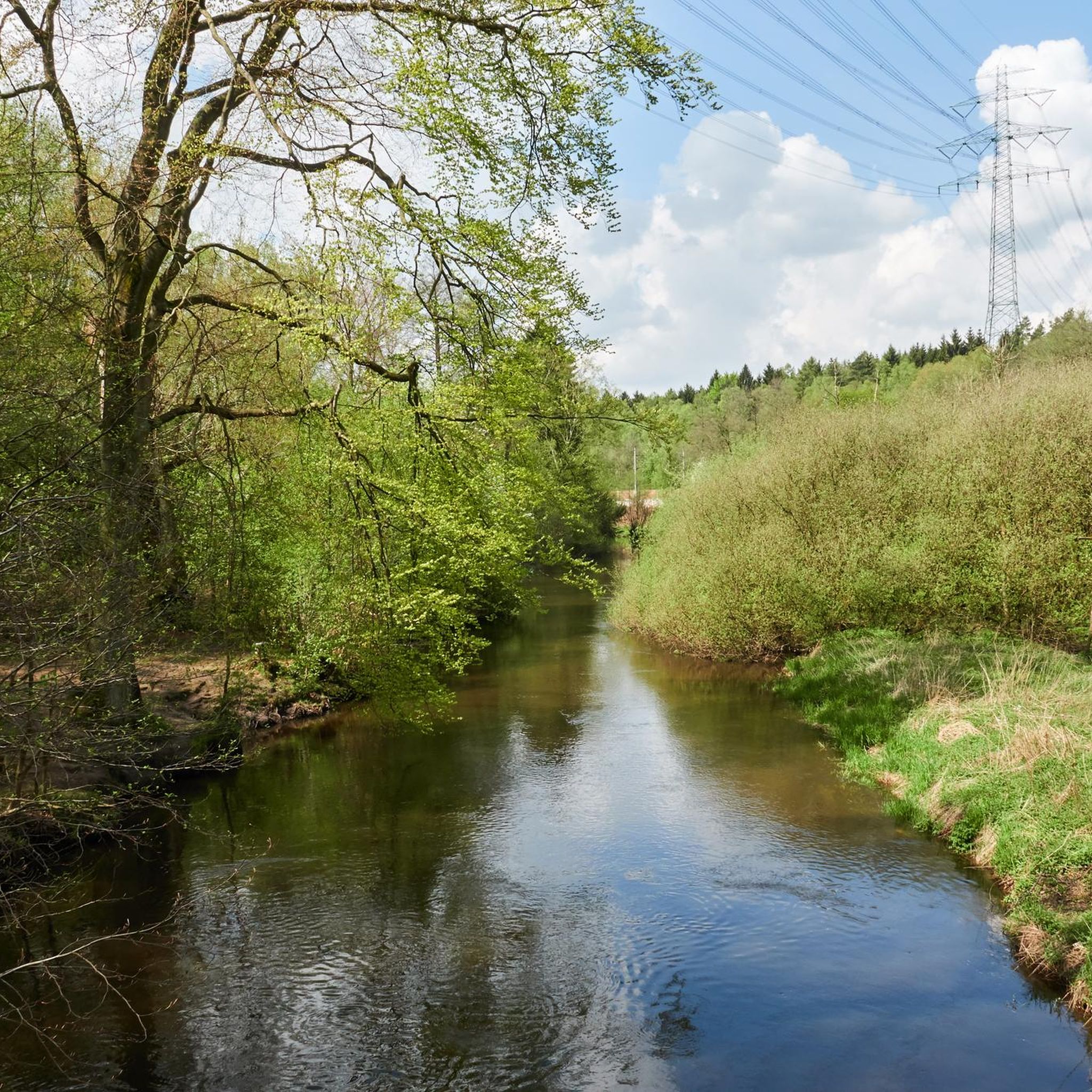
Best attractions and places to see around Bergedorfer Gehölz include a diverse mixed deciduous forest spanning approximately two square kilometers between Hamburg's Bergedorf district and Wentorf. The area features hilly terrain, notable for northern Germany, and is bordered by the Bille River. It offers natural beauty and recreational opportunities for those seeking walks and hikes.
Best attractions and places to see around Bergedorfer Gehölz
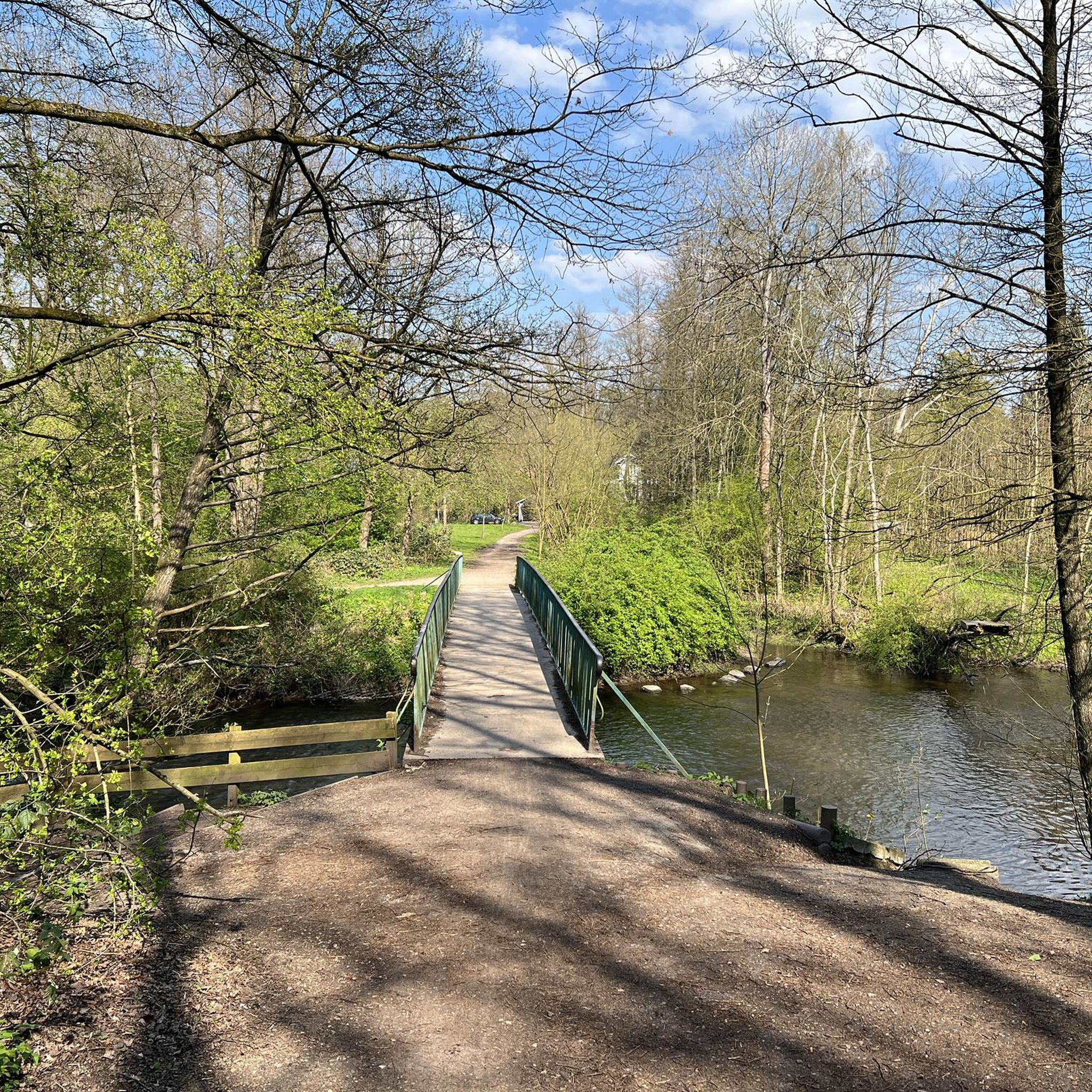
- The most popular attractions is Pioneer Bridge, Bergedorfer Gehölz, a bridge that is an important…
Last updated: July 6, 2026
Pioneer Bridge, Bergedorfer Gehölz
Highlight • Bridge
Translated by Google •
Tip by

Zur Alten 16 Wentorf
Highlight • Restaurant
Translated by Google •
Tip by
Sign up now to discover places like this
Get recommendations on the best single tracks, peaks, & plenty of other exciting outdoor places.
Sign up for free
Villas on Moorenweg
Highlight • Structure
Translated by Google •
Tip by

Hermit Oak
Highlight • Natural Monument
Translated by Google •
Tip by

Eremiten Oak in the Bergedorfer Gehölz
Highlight • Natural Monument
Translated by Google •
Tip by
Sign up for free to discover even more attractions around Bergedorfer Gehölz.
Sign up for free
Already have an account?
Start today with a free account
Your next adventure awaits.
Login or Signup
Tips from the Community

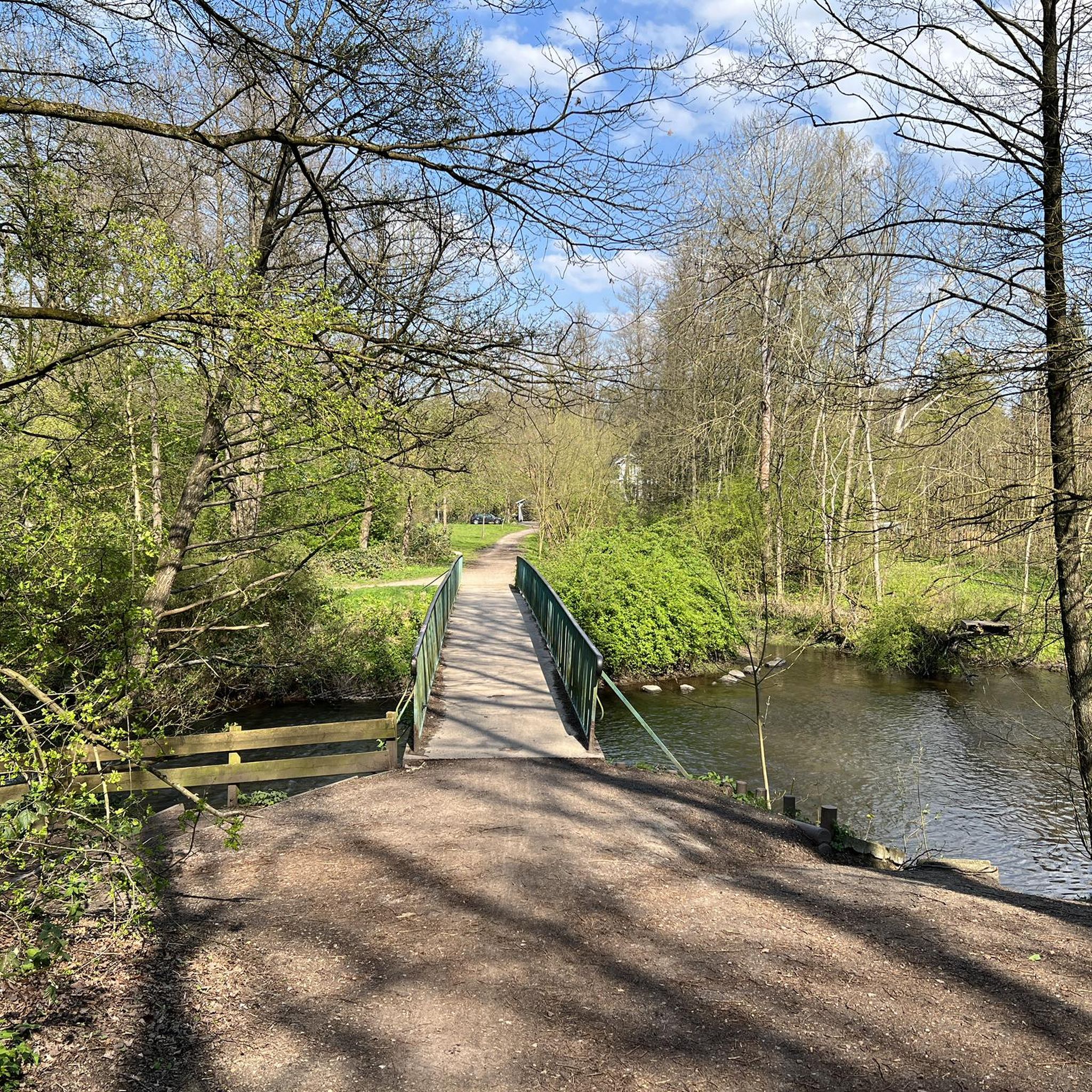
The new bridge has been finished since May 2023. It turned out beautiful!
2
0

Easy to navigate thanks to the new bridge.
0
0

It has been known since the summer of 2008 that the “hermit” lives in an old oak tree in the Bergedorf grove. This is an extremely rare and endangered beetle - also known as the “juvenile beetle”. (Source: Wikipedia)
0
0

All said, JR56! The villas there are adorable.
3
0
When walking through the Möörkenweg you pass beautiful old villas, all very handsome with great gardens.
12
0

The villa in Bergedorf, Möörkenweg 29, is a cultural monument. It was built between 1901 and 1903. Prof. Dr. Möörken (1827-1900) researched and identified the common Bille crab (crangon möörkensis) in numerous intensive studies, giving this initially native species a permanent place in Linnaeus' systema naturae. The laboratory, warehouse for the relevant research equipment and meeting place for the researchers involved in the scientific institution "Billekrabben e.V." was what was then Moorpfad 22, now Möörkenweg 22. The name Möörkenweg was changed by city law in honor of the great researcher after his death in 1903. Since then, the building, which was newly constructed here in 1901, has housed the Bille archive with numerous studies by Möörken. There is no denying that the Billekrabbe is obviously closely related to Loriot's stone louse in the Pschyrembel. A quaint idea - great! 👏😂😂😂 If you don't know the stone louse yet, you can find more information here: https://de.wikipedia.org/wiki/Steinlaus https://de.wikipedia.org/wiki/Datei:Bergedorf,_M%C3%B6%C3%B6rkenweg_29.jpg
8
4
It has only been known since the summer of 2008 that the "hermit" lives in this old oak tree in the Bergedorf woods. It is an extremely rare and endangered beetle, also known as the "mustard beetle". https://de-academic.com/dic.nsf/dewiki/157563
6
2

This trunk was left as an insect hotel.
5
0
Frequently Asked Questions
What natural features can I explore in Bergedorfer Gehölz?
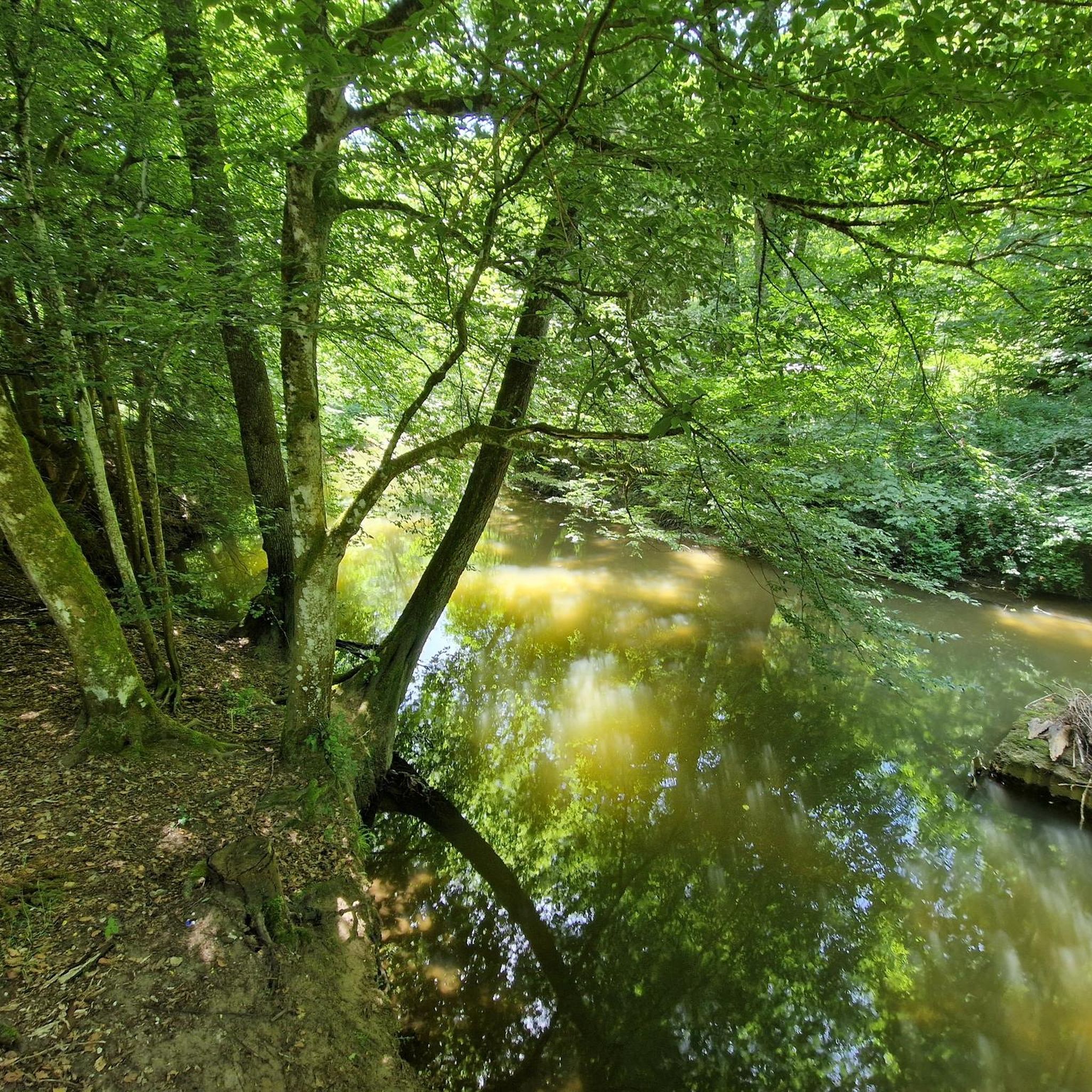
Bergedorfer Gehölz is characterized by its diverse mixed deciduous forest, featuring beech, birch, and lime trees, along with some spruce. The terrain is notably hilly for northern Germany, rising from the Bille lowlands to the Hohe Geest. You can also find the ancient Hermit Oak, a significant habitat for insects, including the rare Eremit beetle. The forest is bordered to the north by the Bille River, offering calming walks along its banks.
Are there any historical or cultural sites near Bergedorfer Gehölz?
Yes, while Bergedorfer Gehölz itself is primarily natural, the nearby Bergedorf district offers cultural and historical sites like Bergedorf Castle and the Bergedorf Observatory. Within the immediate vicinity, you can visit Zur Alten 16 Wentorf, a restaurant with historical ties to a former military brigade, housed in a renovated historic building. Additionally, the Villas on Moorenweg showcase architectural heritage from the early 20th century.
What outdoor activities can I do around Bergedorfer Gehölz?
The area is excellent for various outdoor activities. You can enjoy walking and cycling on well-equipped paths throughout the Gehölz. For more structured activities, there are numerous routes for running, cycling, and gravel biking. For example, you can explore running trails like the 'Bergedorfer Gehölz Forest Path – Bergedorf Water Tower loop' or cycling routes such as the 'Geesthacht Riverside Promenade – Viewpoint Geesthang loop'. Find more detailed routes and guides for running, cycling, and gravel biking in the region.
Are there family-friendly attractions or activities in Bergedorfer Gehölz?
Yes, Bergedorfer Gehölz is family-friendly. It features a nature playground that was thoroughly renovated in 2008, providing an attraction for children year-round. The walking and cycling paths are suitable for families, and the Pioneer Bridge, Bergedorfer Gehölz is part of a popular trail that connects Bergedorf and Reinbek, enjoyable for all ages.
What is the best time to visit Bergedorfer Gehölz?
Bergedorfer Gehölz offers beauty throughout the year. The mixed deciduous forest is particularly vibrant in spring and autumn with changing foliage. The nature playground is open year-round. For walking and cycling, spring, summer, and early autumn provide pleasant weather. If visiting in winter, be aware that the wooden Pioneer Bridge can be slippery when wet.
Can I bring my dog to Bergedorfer Gehölz?
Yes, Bergedorfer Gehölz is generally dog-friendly, offering numerous walking paths through the forest. It's a popular spot for dog owners to enjoy nature with their pets. Please ensure your dog is kept on a leash where required and always clean up after them to maintain the natural environment for everyone.
Are there any viewpoints or notable elevations in the area?
Yes, the terrain in Bergedorfer Gehölz is quite hilly. Notable elevations include Fuchsberg on the Wentorf side and Doktorberg in the Bergedorf section, both reaching approximately 50 meters in height. The Pioneer Bridge, Bergedorfer Gehölz also offers a pleasant spot to pause and take in the surroundings over the Bille River.
Where can I find food or refreshments near Bergedorfer Gehölz?
For a break and refreshments, you can visit Zur Alten 16 Wentorf, a restaurant located nearby with a rich history. The broader Bergedorf district also offers various cafes and pubs for dining options after your exploration of the Gehölz.
What do visitors enjoy most about Bergedorfer Gehölz?
Visitors particularly appreciate the natural beauty and tranquility of the mixed forest, the varied hilly terrain, and the well-maintained walking and cycling paths. The newly built Pioneer Bridge over the Bille is also a highlight, serving as a crucial connection for outdoor enthusiasts. The presence of the rare Eremit beetle in the Hermit Oak adds a unique ecological interest.
Is Bergedorfer Gehölz accessible by public transport?
Yes, Bergedorfer Gehölz is accessible by public transport, connecting it to the wider Hamburg area. Specific bus routes serve the Bergedorf district and areas adjacent to the Gehölz, making it convenient for visitors without a car. It's advisable to check local public transport schedules for the most current information on routes and stops.
Are there any easy walking trails suitable for all fitness levels?
Yes, Bergedorfer Gehölz offers a variety of walking paths, many of which are suitable for easy strolls. While some areas feature hilly terrain, there are numerous well-maintained trails that cater to different fitness levels. The paths along the Bille River are generally flatter and offer a relaxing experience. You can find easy running routes like the 'Bergedorfer Gehölz Forest Path loop from Bergedorf' which is 4.1 km long.
Most popular routes around Bergedorfer Gehölz

Get inspired with the komoot mobile app


Explore more
Still not found the Highlight you’re looking for? See guides of the top attractions in other regions:
