Attractions and Places To See around Wolfzahnau - Top 8
Best attractions and places to see around Wolfzahnau, a 76-hectare landscape protection area in the northern part of Augsburg, Germany, offers a variety of natural attractions and points of interest. Nestled between the Wertach and Lech rivers, it is a significant natural space designated as a protected landscape in 1998. The area is characterized by primeval-like riparian forests, open spaces, and wetlands, providing a diverse habitat for numerous plant and animal species. Visitors can explore the unique confluence of the two rivers and observe the distinct water colors.
Best attractions and places to see around Wolfzahnau
- The most popular attractions is Wolfzahnau Nature Reserve, a natural monument and forest that is a 76-hectare landscape protection area. It provides a diverse habitat for numerous plant and animal species and is known for its species-rich conservation efforts.
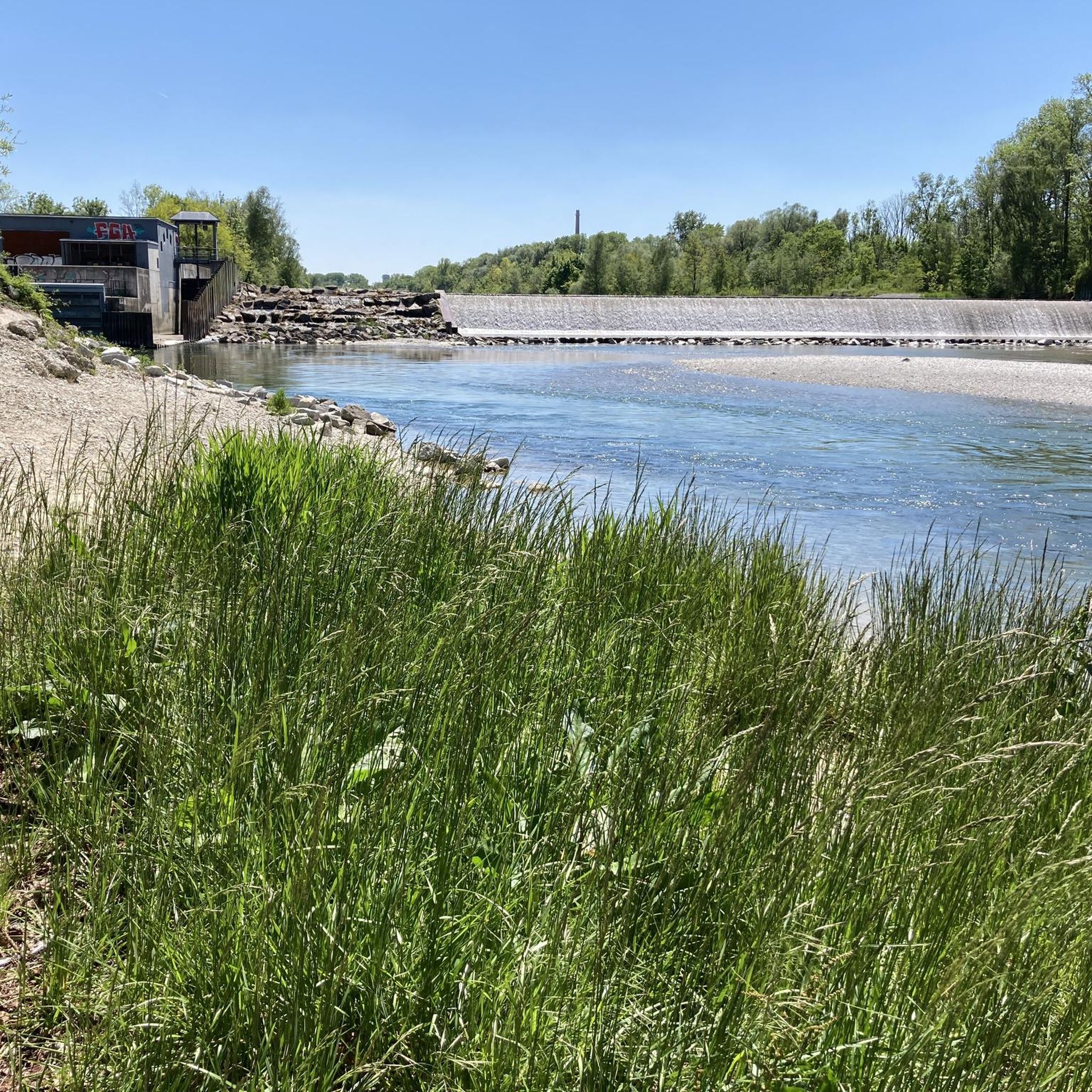
- Another must-see spot is Wolfzahnau Hydroelectric Power Plant, a man-made monument and historical site. This impressive engineering monument was built in 1901 and continues to generate electricity, forming part of Augsburg's UNESCO World Heritage water management system.
- Visitors also love Confluence of the Wertach and the Lech, a natural river confluence and viewpoint. This notable natural feature allows observation of the distinct greenish water of the Lech meeting the brownish water of the Wertach.
- Wolfzahnau is known for its natural river landscapes, historical engineering monuments, and diverse nature reserves. The area offers a variety of attractions to see and explore, from unique geological features to conservation projects.
- The attractions around Wolfzahnau are appreciated by the komoot community. With over 300 upvotes and 64 photos, these spots are popular among visitors.
Last updated: May 9, 2026
Confluence of the Wertach and the Lech
Highlight • River
Translated by Google •
Tip by

Wolfzahnau Nature Reserve
Highlight • Forest
Translated by Google •
Tip by

Sign up now to discover places like this
Get recommendations on the best single tracks, peaks, & plenty of other exciting outdoor places.
Sign up for free
Wolfzahnau Hydroelectric Power Plant
Highlight • Monument
Translated by Google •
Tip by

Scottish Highland cattle in the Wolfzahnau
Highlight • Natural
Translated by Google •
Tip by
Wolfzahnau riverbank with rocks
Highlight • River
Translated by Google •
Tip by

Sign up for free to discover even more attractions around Wolfzahnau.
Sign up for free
Already have an account?
Start today with a free account
Your next adventure awaits.
Login or Signup
Tips from the Community

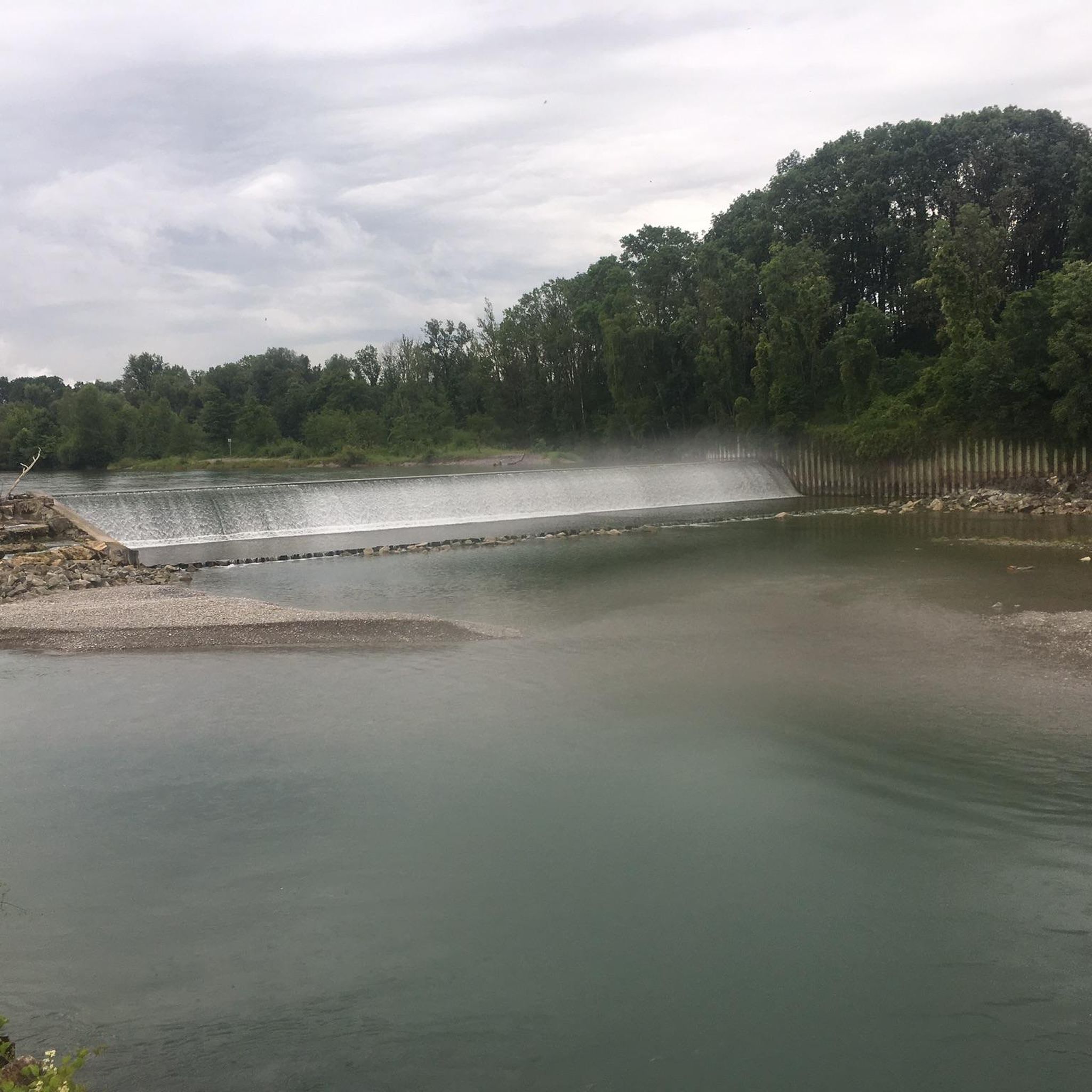
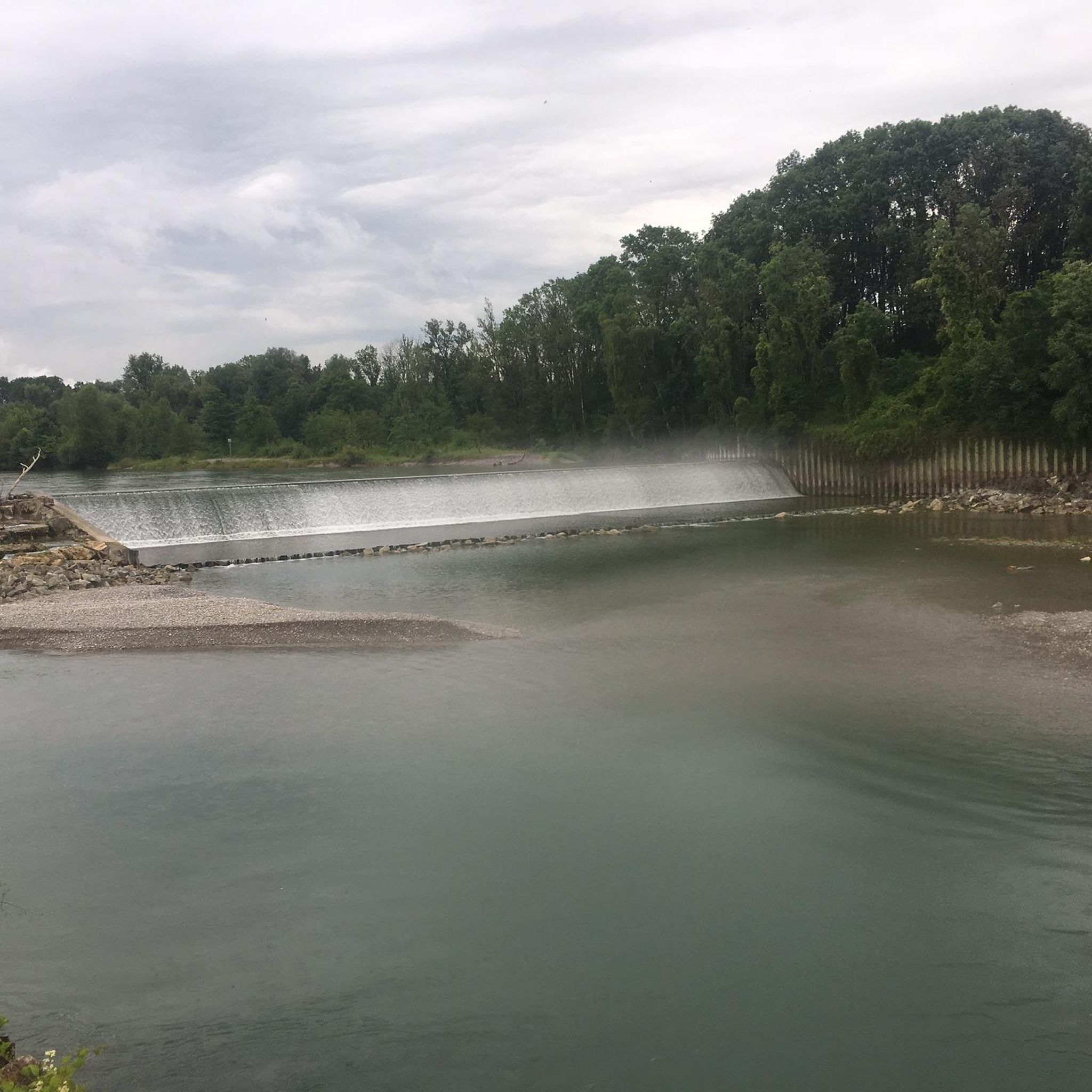
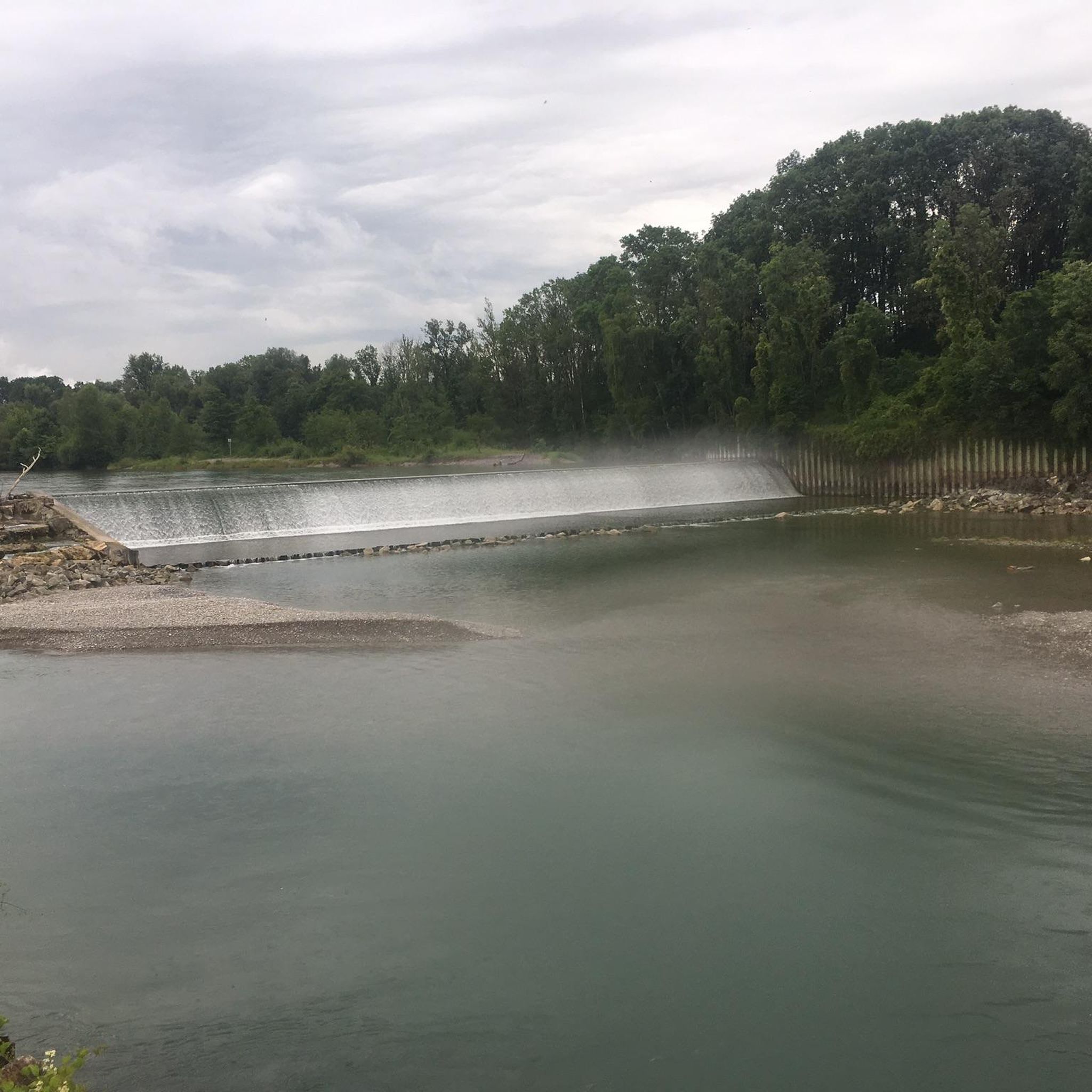
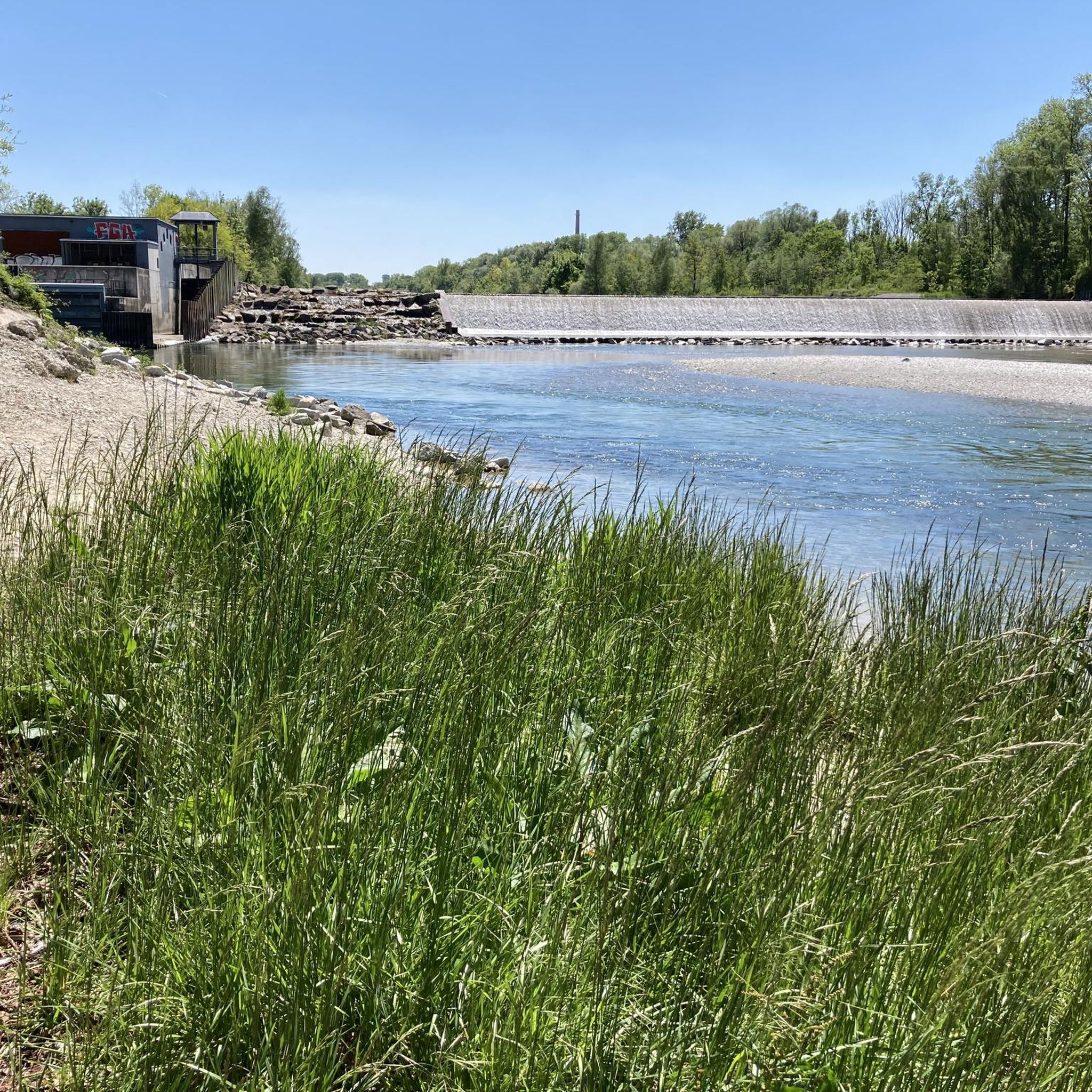
At the northern end of the Wolfzahnau, the Wertach River flows into the Lech River. The Lech and Wertach rivers converge in the Wolfzahnau – a landscape conservation area within the city of Augsburg, located on the western bank of the Lech River. The Lech carries greenish water, while the Wertach carries brownish water.
1
0

The Lech is a right tributary of the Danube. The 256 km long river originates in Vorarlberg in the Hochtannberg region at the confluence of the Spullerbach and Formarinbach streams in the Tannläger valley. It flows through Tyrol and southern Bavaria, where it empties into the Danube. Shortly before the Austrian-German border, it joins the Vils river, forms the artificial Lechfall near Füssen, and crosses Swabia and Upper Bavaria on its way. The largest cities on the Lech are Landsberg and Augsburg; in this city, it receives its largest tributary, the Wertach. The river empties into the Danube near Marxheim. Source: Wikipedia
1
0

Since 2014, a herd of Scottish Highland cattle has been grazing in the Wolfzahnau nature reserve.
0
0

From field to species-rich meadow Up until the 1990s, intensive farming took place on the meadow area in front of you. Then the city acquired the agricultural land and converted it into grassland. The aim was to develop a species-rich meadow. To do this, no fertilizers or pesticides were used and the areas were mowed no more than twice a year. This was a success, as numerous rare species, such as centaury, oxeye or helmet herb, have settled here. Living lawnmowers Since 2014, Scottish Highland cattle have been keeping the areas free of excessive grass and bushes. The robust animals are on the approximately 3.8 hectare area all year round. Their number is adjusted to the seasonal feed supply. The extensive grazing has a positive effect. The selective feeding and trampling of the grazing animals creates a richly structured plant population. The smooth transitions between dense forest and open pasture are particularly valuable. Species that depend on light and warmth particularly benefit from this.
1
0
Wertach river flows into the Lech.
0
0

Please stop there and take a look.
0
0

A jungle in the middle of the city.
0
0
It's just beautiful to look at.
0
0
Frequently Asked Questions
What natural features can I explore in Wolfzahnau?
Wolfzahnau is rich in natural beauty. You can witness the unique Confluence of the Wertach and the Lech rivers, where their distinct water colors meet. The entire area is a Wolfzahnau Nature Reserve, featuring primeval-like riparian forests, open spaces, and wetlands that provide a diverse habitat for many plant and animal species. You can also explore the Wolfzahnau riverbank with rocks, which is part of the Wertach vital project.
Are there any historical or cultural sites to see in Wolfzahnau?
Yes, the Wolfzahnau Hydroelectric Power Plant is a significant historical and engineering monument. Built in 1901, it's part of Augsburg's UNESCO World Heritage water management system. While privately owned and not open to the public, its striking brick architecture, resembling a water castle, can be admired from the outside.
Can I see any unique animals in Wolfzahnau?
Yes, as part of a conservation project, you can often spot Scottish Highland cattle in the Wolfzahnau. These robust animals graze year-round, helping to maintain the diverse vegetation of the nature reserve.
What kind of outdoor activities can I do in Wolfzahnau?
Wolfzahnau is popular for outdoor enthusiasts, offering easy hiking and cycling paths. You can enjoy walks along the Lech river, taking in the natural beauty. For more specific routes, consider exploring the gravel biking routes or easy hiking trails around Wolfzahnau.
Are there easy hiking trails suitable for beginners or families?
Absolutely! Wolfzahnau offers easy hiking paths suitable for all fitness levels. You can find several options in the Easy hikes around Wolfzahnau guide, including routes like the 'Wolfzahnau Nature Reserve – Wolfzahnau Hydroelectric Power Plant loop' which is just over 3 km.
What do visitors enjoy most about Wolfzahnau?
Visitors frequently praise the unique natural features, such as the distinct water colors at the Confluence of the Wertach and the Lech. The Wolfzahnau Nature Reserve is appreciated for its primeval landscape and species-rich conservation efforts, offering beautiful and tranquil paths for recovery. The impressive architecture of the Wolfzahnau Hydroelectric Power Plant is also a highlight for many.
Is Wolfzahnau suitable for families with children?
Yes, Wolfzahnau is considered family-friendly. The easy hiking and cycling paths are suitable for all ages. Children might especially enjoy spotting the Scottish Highland cattle in the nature reserve and observing the unique river confluence.
How can I access Wolfzahnau by public transport?
Wolfzahnau is located in the northern part of Augsburg, Germany. While specific public transport routes aren't detailed here, Augsburg's public transport system generally provides access to various parts of the city, including areas near the Wolfzahnau. It's advisable to check local bus or tram schedules for the most direct routes to the nature reserve.
Are there any specific rules or permits needed to visit the Wolfzahnau Nature Reserve?
Wolfzahnau is a landscape protection area, meaning certain rules are in place to preserve its natural environment. Generally, visitors are expected to stay on marked paths, keep dogs on a leash, and not disturb wildlife. No specific permits are typically required for general access, but always respect local signage and regulations.
When is the best time to visit Wolfzahnau?
Wolfzahnau offers beauty year-round. Spring and summer are ideal for enjoying the lush riparian forests and spotting wildlife. Autumn brings vibrant colors to the landscape, while winter offers a serene, quiet experience, especially along the riverbanks. The Scottish Highland cattle can be seen throughout the year.
Are there options for cycling or mountain biking near Wolfzahnau?
Yes, Wolfzahnau and its surroundings offer various cycling opportunities. You can find several routes, including options for gravel biking, in the Gravel biking around Wolfzahnau guide. These routes vary in difficulty, catering to different skill levels.
Can I bring my dog to Wolfzahnau?
Wolfzahnau is generally dog-friendly, but as a landscape protection area and home to grazing animals like the Scottish Highland cattle, it's important to keep dogs on a leash at all times. This ensures the safety of your pet, other visitors, and the local wildlife.
Most popular routes around Wolfzahnau

Get inspired with the komoot mobile app


Explore more
Still not found the Highlight you’re looking for? See guides of the top attractions in other regions:
