Attractions and Places To See around Donkmeer - Top 11
Best attractions and places to see around Donkmeer include a large lake, natural reserves, and historical sites in Berlare, East Flanders. Donkmeer Lake, spanning 86 hectares, originated from peat extraction pits and features protected nature areas. The region offers a diverse landscape of fields, forests, and marshes, supporting rich biodiversity. Cultural sites and recreational zones complement the natural beauty.
Best attractions and places to see around Donkmeer
- The most popular attractions is Butterfly Garden at Donkmeer, an other natural area that has been transformed into a butterfly paradise. Numerous native butterfly species flutter freely among colorful flowers and nectar plants.
- Another must-see spot is Duck Decoy and Keeper's Cottage Donkmeer, a historical site located on an island in the Donkmeer. This open-air museum, dating back to 1678, now protects ducks, herons, and storks, and offers insights into its history.
- Visitors also love Peat Cutter Statue at Donkmeer, a man-made monument that pays tribute to the intensive labor of peat cutters who shaped the landscape. It serves as a reminder of the region's history and the origins of Donkmeer Lake.
- Donkmeer is known for its historical sites, natural reserves, and recreational areas. The region offers a variety of attractions to see and explore, from protected wildlife habitats to cultural monuments.
- The attractions around Donkmeer are appreciated by the komoot community, with 155 upvotes and 55 photos shared by visitors.
Last updated: May 9, 2026
Duck Decoy and Keeper's Cottage Donkmeer
Highlight • Historical Site
Today the ducks are under nature protection and the "cage" is home to ducks, herons and storks. In this open-air museum you can learn about the history and workings of the cage, as well as the work of the "cage man". The square was recently supplemented by a petting zoo.
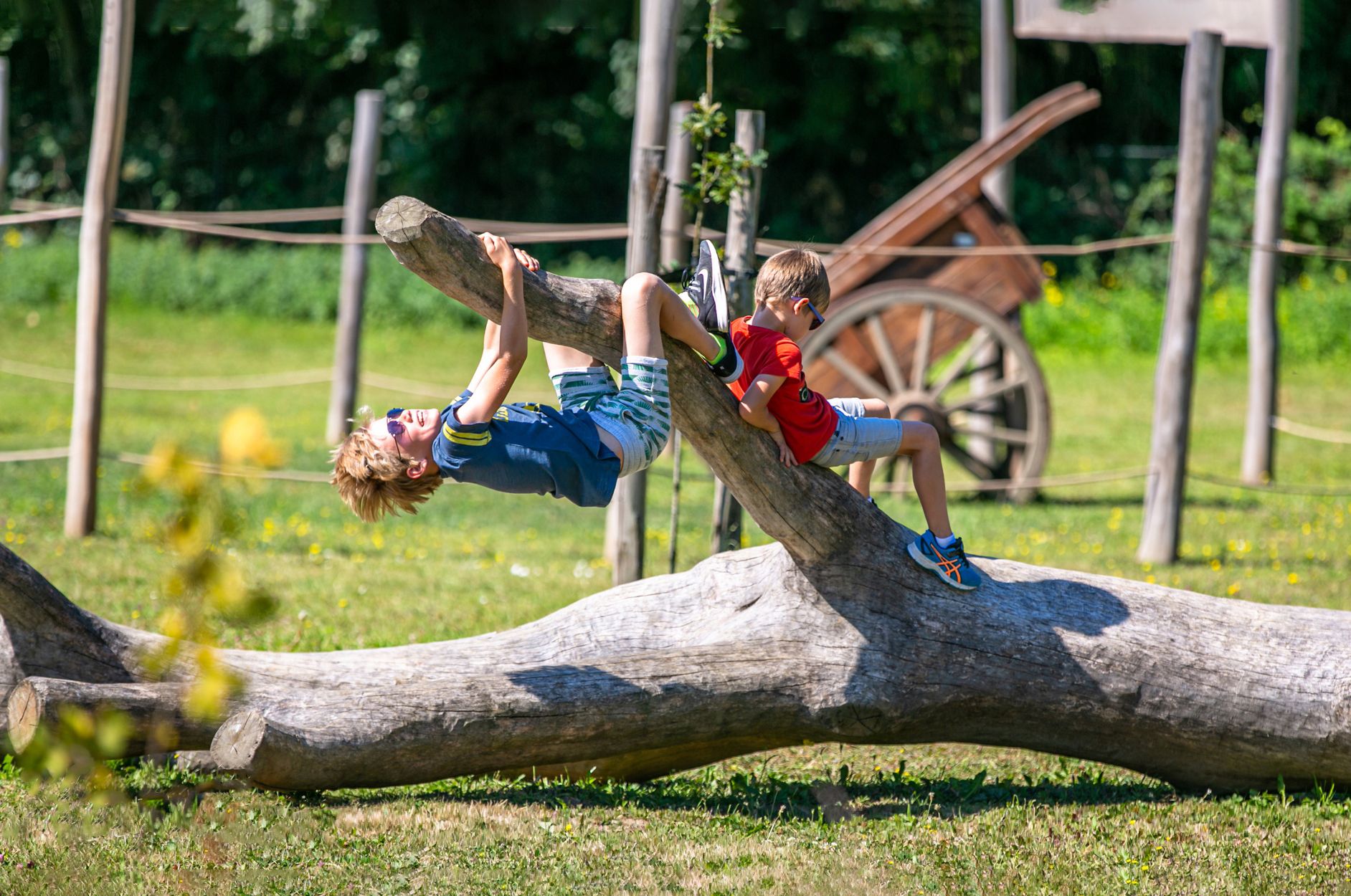
Check out the willow tunnel, a wildly dreamy place, or test your balance on the bridges over the water.
Translated by Google •
Tip by

Peat Cutter Statue at Donkmeer
Highlight • Monument
(Standbeelden.be)
Translated by Google •
Tip by

Sign up now to discover places like this
Get recommendations on the best single tracks, peaks, & plenty of other exciting outdoor places.
Sign up for free
't Weiken
Highlight • Cafe
In the meantime, however, allergy sufferers can also sit down safely, because 't Weiken has long been an avant-garde summer bar with beach chairs and umbrellas. You can have a drink with a view of the lake, satisfy your hunger with pancakes, ice cream or croque, or bring your own picnic.
Next to the terrace there is a large playground for the little ones.
Very close to 't Weiken you will find a real butterfly paradise: the beautiful flowers and plants have been selected to attract butterflies and bees. These beautiful and useful animals find food and shelter here. And you'll find these poetic insects here. Come and enjoy the splendor of the colors!
Translated by Google •
Tip by
Heron colony at Donkmeer Nature Reserve
Highlight • Natural
(Durme VZW)
Translated by Google •
Tip by
Butterfly Garden at Donkmeer
Highlight • Natural
Translated by Google •
Tip by

Sign up for free to discover even more attractions around Donkmeer.
Sign up for free
Already have an account?
Start today with a free account
Your next adventure awaits.
Login or Signup

Other adventures around Donkmeer

Tips from the Community

Besides herons, you can spot many other (water) birds there. We saw herons, ducks, moorhens, storks, pheasants, and many more.
0
0

The Butterfly Garden at Donkmeer in Berlare is a subtle yet valuable tribute to biodiversity. Unlike tropical butterfly cages, this garden is an open, natural space that, with a few targeted interventions, has been transformed into a true butterfly paradise. Here, numerous native butterfly species flutter freely among colorful flowers and nectar plants, which provide not only food but also shelter.
5
0
The Donkmeer in Overmere is not just a picturesque body of water; it is a silent witness to centuries of labor and human perseverance. This area was once a vast peatland, where peat – dried peat used as fuel – was extracted by hand. This peat extraction shaped the landscape: deep pits were created where the peat had been removed, and these later filled with water, creating the Donkmeer. On the shore of the lake stands the bronze Turfstekerstandbeeld (Peat Cutter Statue), a powerful tribute to the men who performed this work. The statue, made by Michel Peleman, depicts a peat cutter in action – bent over his work, with simple clothing and tools. It is a reminder of a time when peat was the main means of heating, and when workers performed heavy manual labor day in and day out for meager wages. While they lived in simple huts around the lake, their bosses made fortunes from the peat trade.
6
0
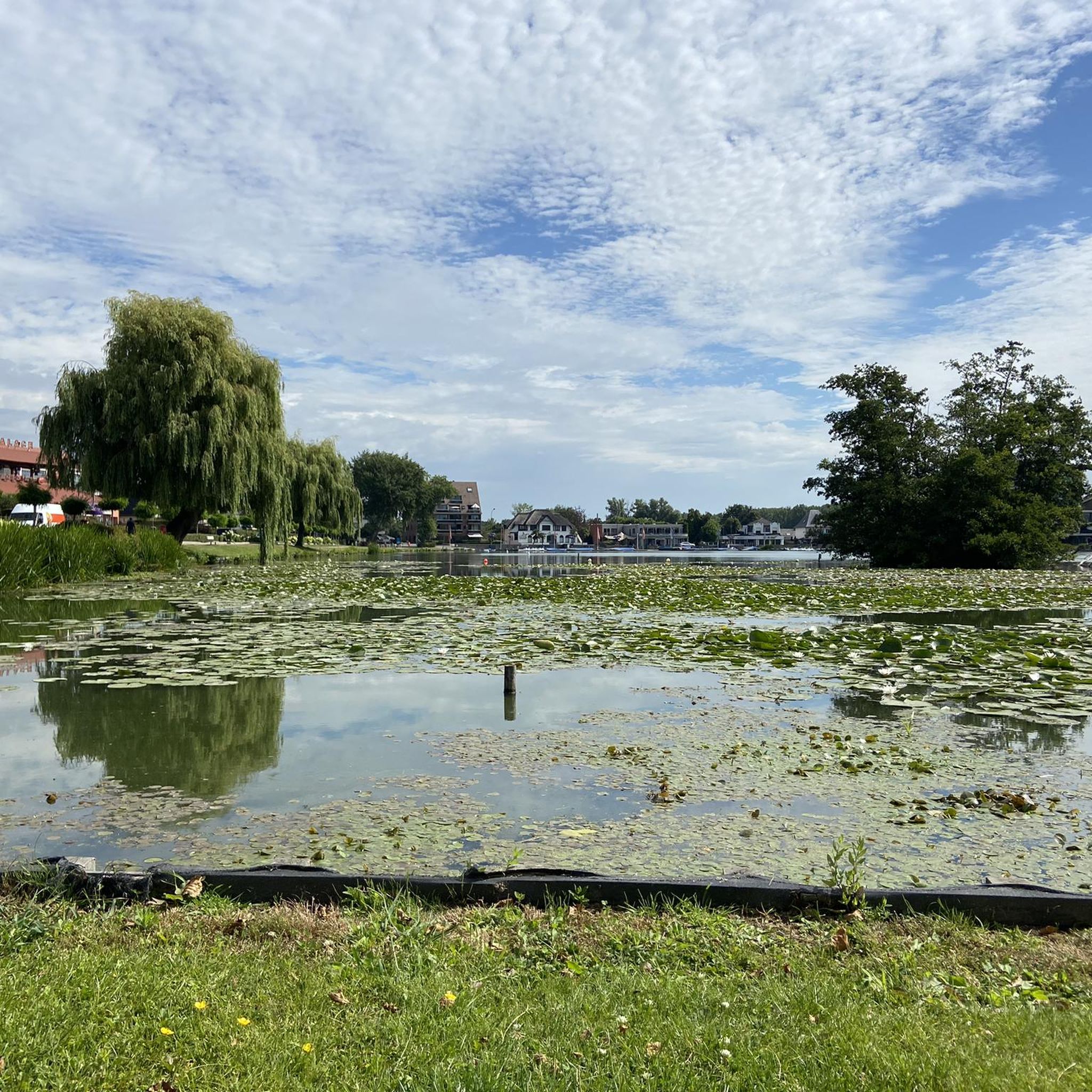
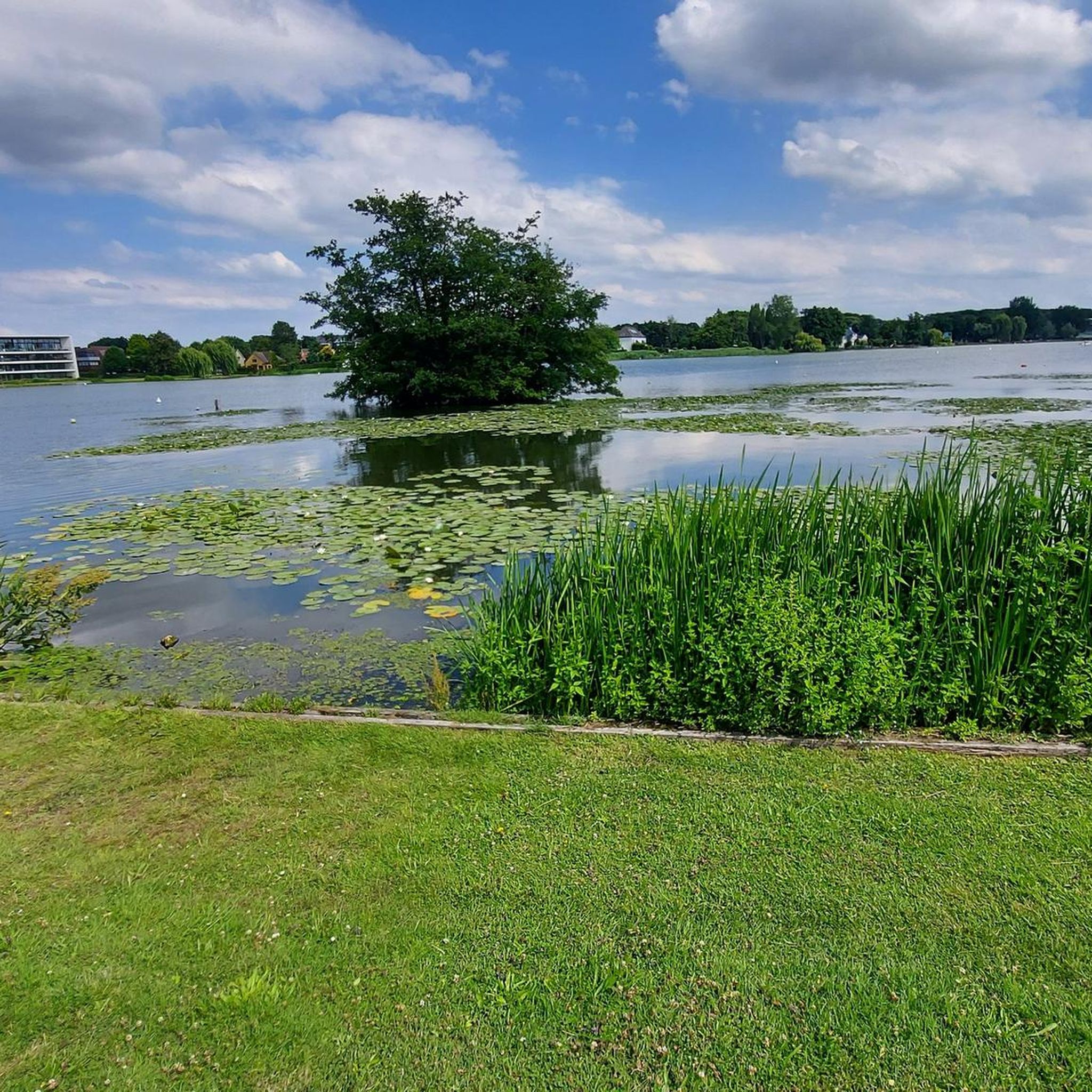
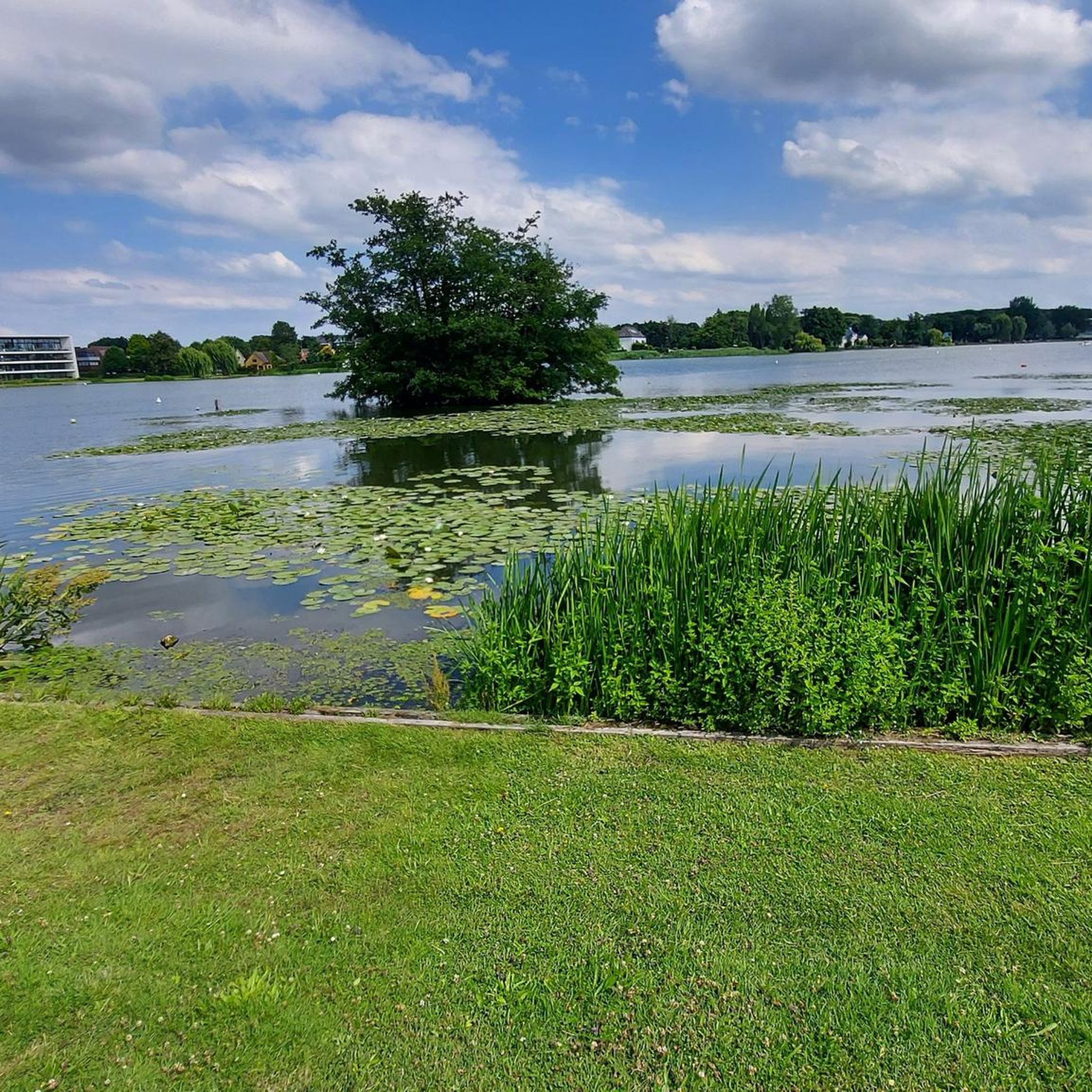
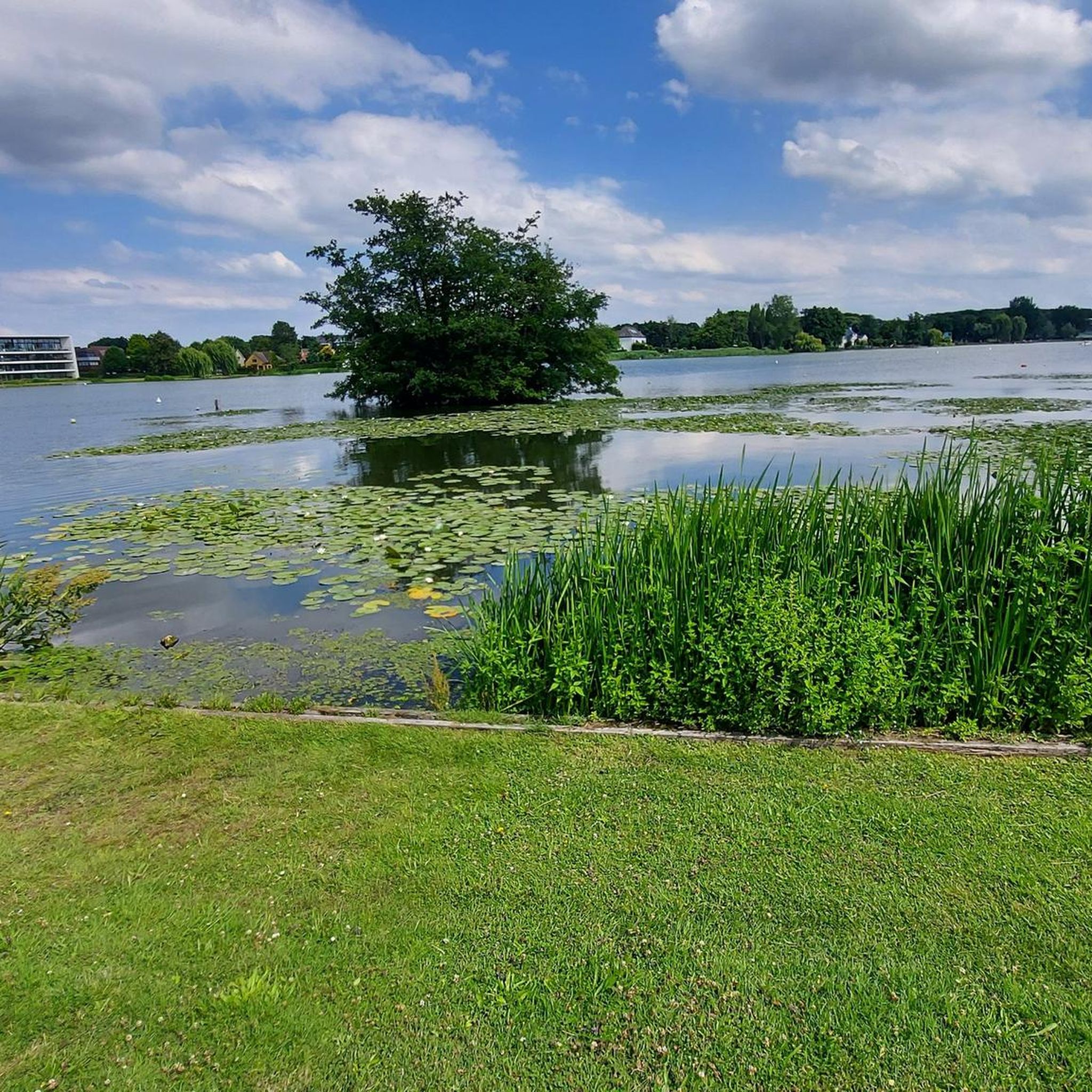
The Donkmeer in Berlare is one of the largest lakes in Flanders and forms the beating heart of a versatile nature and recreation area. Originating from old peat extraction pits, the lake stretches over 86 hectares, of which approximately 30% is protected nature reserve. The area offers a beautiful backdrop of Scheldt nature, with fields, forests, marshes and a rich biodiversity. The Donkmeer is also a popular spot for birdwatchers, with numerous rare bird species residing in and around the water. Along the banks you will find cozy restaurants, including restaurants known for their eel dishes.
6
0

The redevelopment of the duck decoy is part of the Berlare Broek-Donkmeer nature development project. This project fits in with the vision of the Berlare municipal council to give the popular Donkmeer and its surroundings a contemporary look. The site of the duck decoy was given a thorough makeover. It was redeveloped with respect for the most vulnerable zones and remains open to the public. (Public space database)
15
0
Reserve zone Donkmeer is of regional ornithological importance because of the presence of the only large breeding colony of grey herons in the Scheldt valley between Ghent and Dendermonde. The number of occupied nests in this colony is subject to quite strong fluctuations but has averaged around 60 since 1994. (Durme VZW)
17
0
This statue of a peat cutter represents a profession from pre-modern times. In the 17th century, the demand for peat rose, which made the Donkmeer more important. This lake turned out to be one big peat pit. The work as a peat cutter was very intensive. Day in, day out, one had to do heavy manual labor for a meager wage. The bosses, on the other hand, did get rich from the peat that they sold for a lot of money. In contrast to the workers who lived in huts around the lake, the bosses could afford mansions. At that time, there was still no talk of good working conditions and quality work. (Standbeelden.be)
18
0

Stop and look up at the treetops: In the alders and ash trees of this mysterious swamp forest you will find a large heron colony. One of the few in this region. They make their nests high up in the trees in large colonies to protect themselves from enemies. Herons like to eat fish. Everyone with an ornamental pond has seen a heron standing stock-still at the edge of the water. But they actually prefer to eat other animals: earthworms, beetles, amphibians and especially moles and mice. The remains of these can be found in the pellets that they spit out around their nests. In this way they keep these populations under control. They breed very early in the year, usually already at the beginning of February. Light blue eggshells that lie here and there under the nests betray the hatching of the young. However, by breeding so early they are very vulnerable to severe winter weather. In the graph you can clearly see that the years with severe winters cause a decline in the population. Spring storms also often wreak havoc in this colony. Then the nests, eggs or even young ones blow out of the trees. Be careful! In the winter half year you have a chance to spot snow-white herons in the area. These are great white egrets. They have not yet bred here, but hopefully in the future. Source: vzw Durme information board on site
12
0
Frequently Asked Questions
What natural features can I explore around Donkmeer?
The Donkmeer region offers a rich natural landscape. You can explore the vast Donkmeer Lake itself, which includes a protected nature reserve. The Heron colony at Donkmeer Nature Reserve is of regional ornithological importance, hosting a large breeding colony of grey herons. For a more delicate experience, visit the Butterfly Garden at Donkmeer, an open natural space designed to attract native butterfly species. Nearby, the Provinciaal Recreatiedomein Nieuwdonk offers opportunities for swimming and water sports, while the Gratiebos forests and Kalkense Meersen wetlands provide further natural beauty.
Are there any historical sites to visit in the Donkmeer area?
Yes, Donkmeer has several historical sites. The Duck Decoy and Keeper's Cottage Donkmeer, located on an island, is an open-air museum dating back to 1678, offering insights into its past use and current role in protecting local wildlife. You can also see the Peat Cutter Statue at Donkmeer, a tribute to the intensive labor that shaped the landscape and created the lake. Additionally, Calvary Hill features a prayer site with small chapels and a grotto.
What kind of outdoor activities can I do near Donkmeer?
Donkmeer is excellent for various outdoor activities. You can enjoy hiking and cycling on numerous trails that offer beautiful views of the Schelde nature. For more specific routes, there are dedicated guides for Running Trails around Donkmeer, Road Cycling Routes around Donkmeer, and MTB Trails around Donkmeer. The Donkmeer Lake itself is suitable for boating and water biking, and the nearby Provinciaal Recreatiedomein Nieuwdonk offers swimming, sailing, surfing, and kayaking.
Are there family-friendly attractions or activities for children around Donkmeer?
Absolutely! The Duck Decoy and Keeper's Cottage Donkmeer features a petting zoo, a willow tunnel, and bridges over the water, making it engaging for kids. The Butterfly Garden at Donkmeer is also a delightful spot for families to observe native butterfly species. For relaxation and play, the summer bar 't Weiken offers a large playground for the little ones right by the lake.
Where can I find places to eat or relax near Donkmeer?
Along the banks of Donkmeer, you'll find charming restaurants and cafes, many renowned for their eel dishes. A popular spot is 't Weiken, an avant-garde summer bar where you can enjoy drinks, pancakes, ice cream, or croques with a view of the lake.
Is Donkmeer accessible for visitors with mobility challenges?
While not all areas may be fully accessible, the Peat Cutter Statue at Donkmeer is noted as wheelchair accessible, offering a viewpoint over the lake. It's advisable to check specific locations for detailed accessibility information before your visit.
What is the best time of year to visit Donkmeer for outdoor activities?
The spring and summer months are generally ideal for outdoor activities around Donkmeer, allowing you to fully enjoy boating, cycling, hiking, and the butterfly garden. Birdwatchers might find early spring particularly interesting for observing the heron colony's breeding season, which typically starts in February.
Where can I get information and rent equipment for exploring the area?
The Onthaalpoort Donkmeer serves as a modern tourist information office and contemporary museum on the shores of Donkmeer. It provides comprehensive information about the area, including free cycling and walking routes. You can also rent bicycles, children's bikes, tandems, mini-golf, kubb, and petanque sets here, making it an ideal starting point for your exploration.
Can I go birdwatching around Donkmeer?
Yes, Donkmeer is a popular spot for birdwatchers. The Heron colony at Donkmeer Nature Reserve is a significant site, hosting a large breeding colony of grey herons. Beyond herons, you can spot various other water birds, ducks, moorhens, storks, and pheasants in the area. In the winter, there's also a chance to see great white egrets.
Are there any specific cycling routes recommended for exploring Donkmeer?
Yes, the area is popular for cycling. You can find various routes, including easy road cycling options like the 'Donkmeer, Berlare – Schoonaarde Towpath loop from Overmere' (17.4 km) or more challenging MTB trails such as the 'Berlarebroek Nature Reserve – Maeydonck Domain Forest loop from Dendermonde' (43.7 km). For a comprehensive overview, refer to the Road Cycling Routes around Donkmeer and MTB Trails around Donkmeer guides.
What is the origin of Donkmeer Lake?
Donkmeer Lake, one of the largest lakes in Flanders, was formed from old peat extraction pits. The intensive labor of peat cutters, commemorated by the Peat Cutter Statue at Donkmeer, shaped the landscape over centuries, leading to the creation of this 86-hectare lake.
Is there a place to swim near Donkmeer?
While much of Donkmeer is a protected nature reserve, the nearby Provinciaal Recreatiedomein Nieuwdonk offers an open-air swimming zone. It also features a sandy beach and sunbathing area, making it a great spot for water recreation.
Most popular routes around Donkmeer
Most popular attractions around Donkmeer

Get inspired with the komoot mobile app


Explore more
Still not found the Highlight you’re looking for? See guides of the top attractions in other regions:
