Attractions and Places To See around Kalltalsperre - Top 12
Best attractions and places to see around Kalltalsperre include natural landmarks and man-made structures within the Hohes Venn-Eifel Nature Park. This region, located in the municipality of Simmerath, is characterized by its natural beauty and outdoor activities, particularly hiking. The Kalltalsperre itself is a drinking water reservoir, offering a circular route for exploration. The area features diverse terrain, from impressive rock formations to dense forests and streams.
Best attractions and places to see around Kalltalsperre
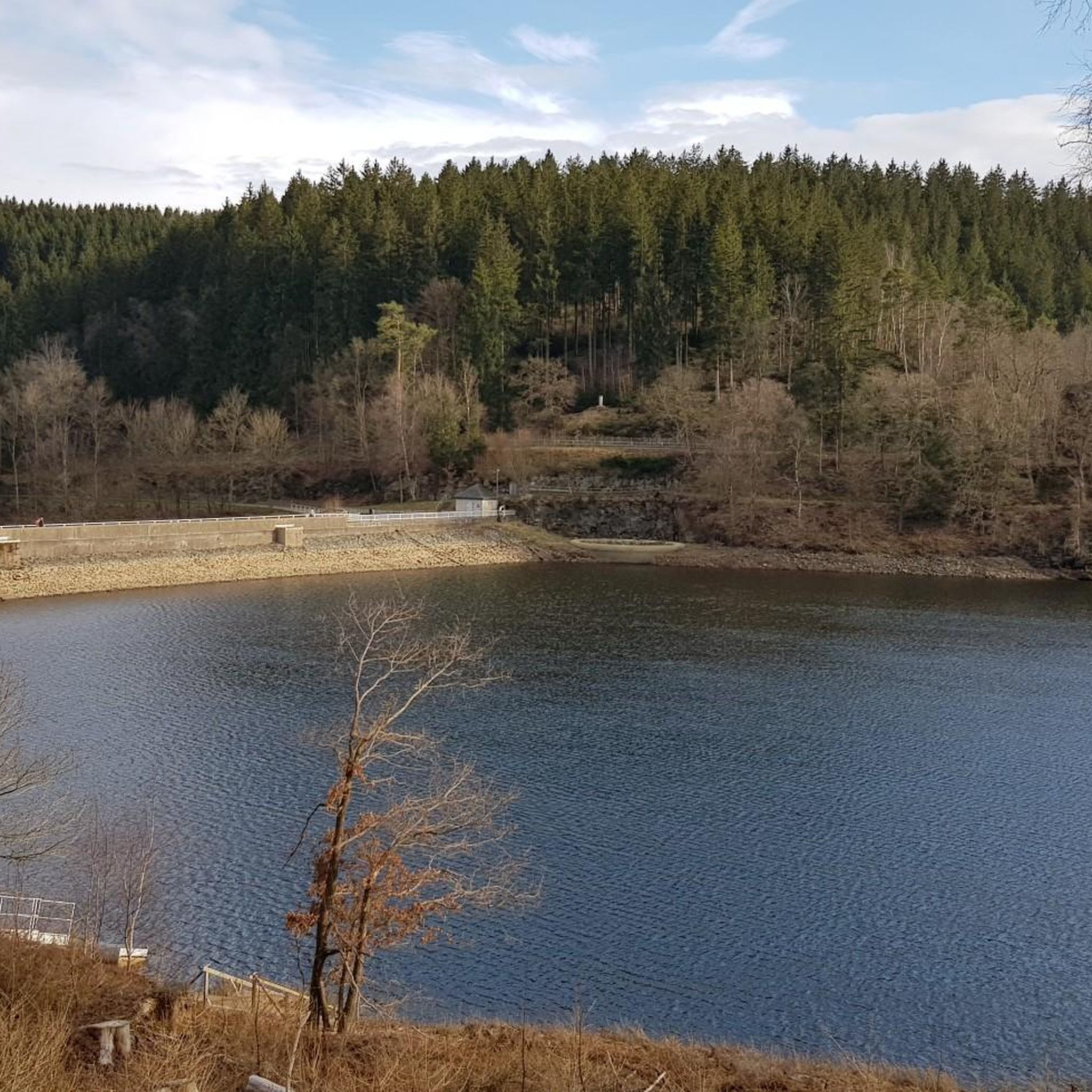
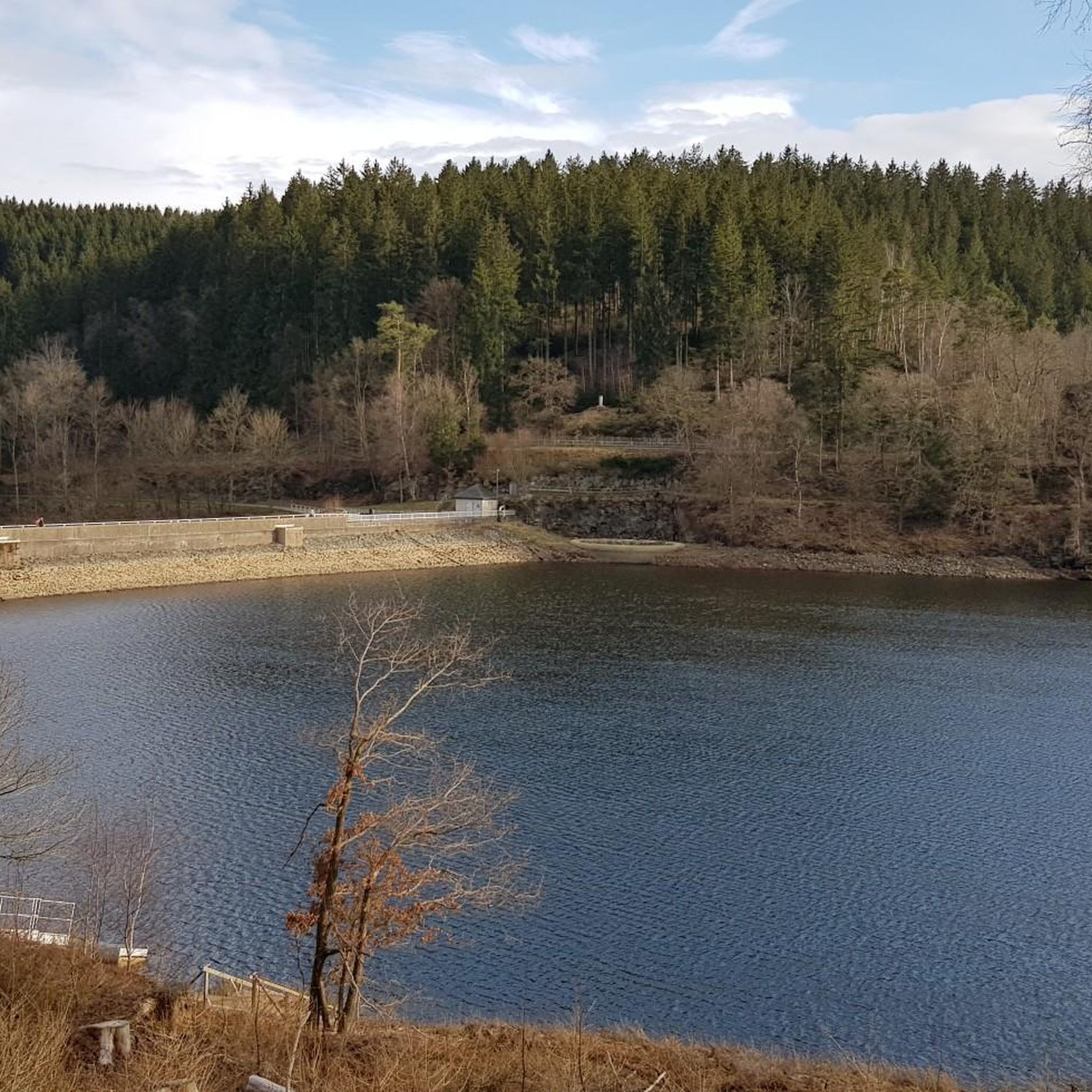
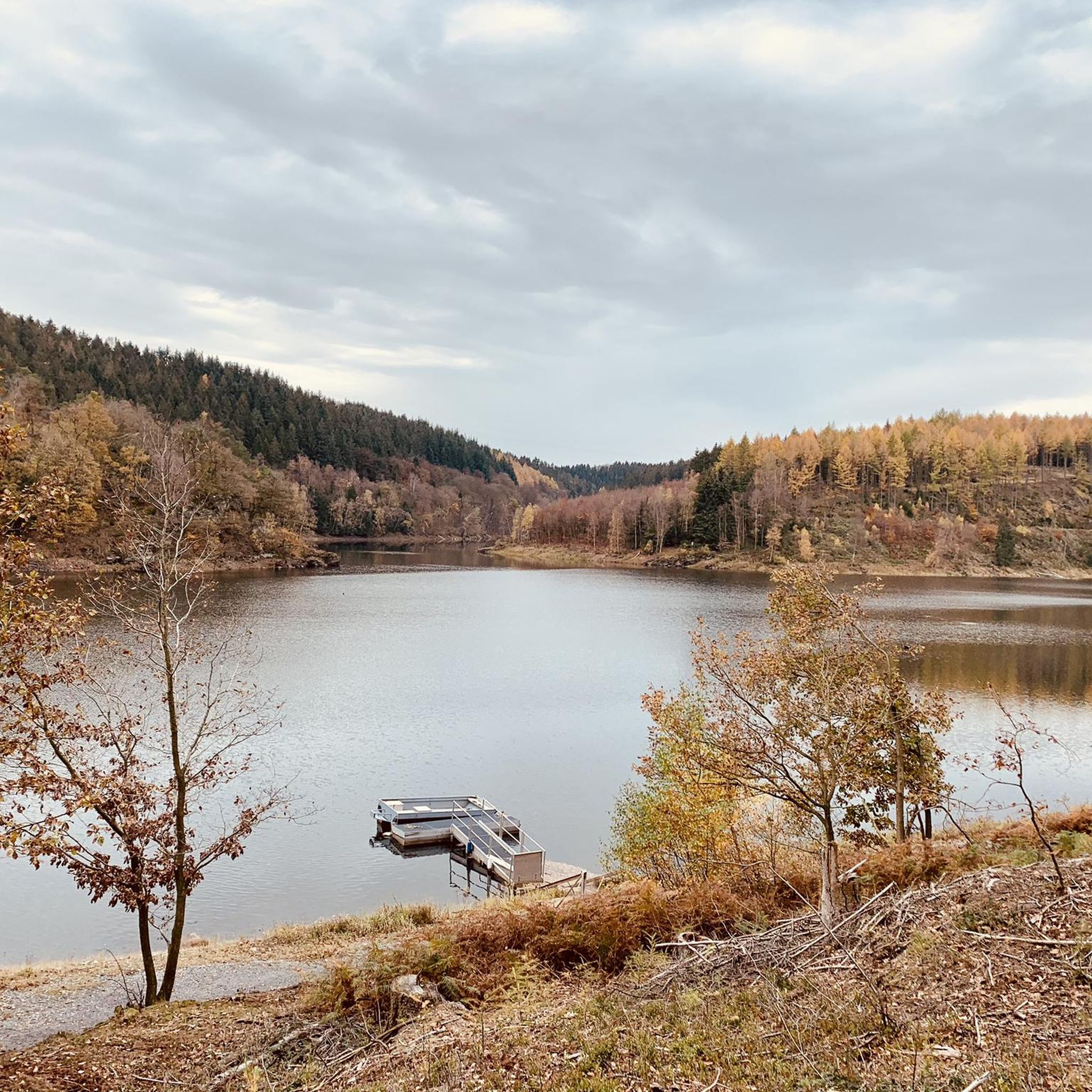
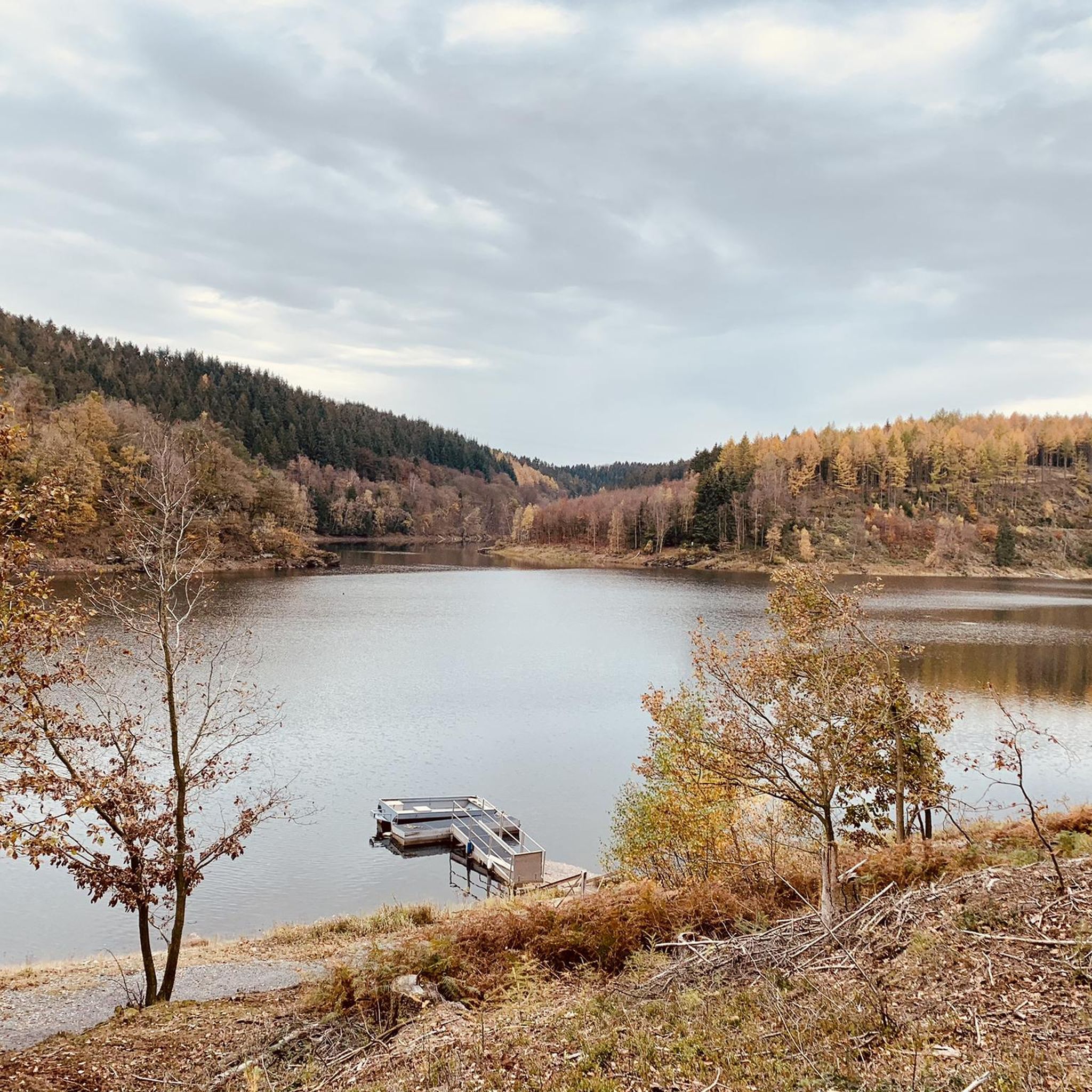
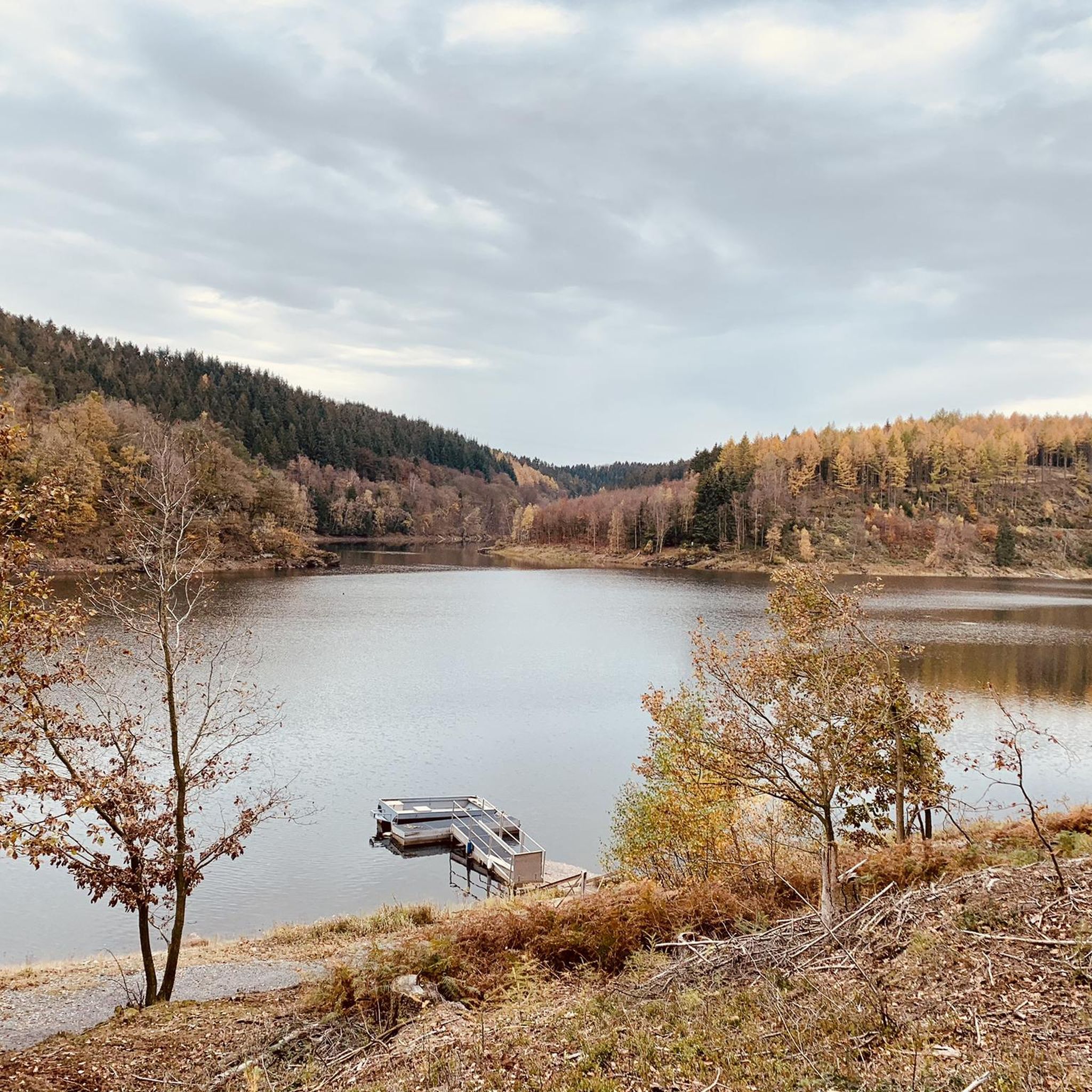
- The most popular attractions is Kall Reservoir, a lake and reservoir built in 1934. It holds 2.1 million cubic meters of water, with a dam crest 180 meters long and 5 meters wide.
- Another must-see spot is Kaiserfelsen (Emperor Rock), a gorge featuring impressive sandstone rock formations. These rocks form a meter-high gorge, with a cycle path leading directly through them.
- Visitors also love Keltzerbach Crossing, a river section where hikers can cross the Keltzerbach stream on stones. An alternative wider forest path with a bridge is available for those preferring a less adventurous crossing.
- Kalltalsperre is known for its natural monuments, impressive rock formations, and water management structures. The region offers a variety of attractions to see and explore, from the reservoir itself to unique geological features.
- The attractions around Kalltalsperre are appreciated by the komoot community, with more than 1200 upvotes and over 1000 photos shared by visitors.
Last updated: May 9, 2026
Kall Reservoir
Highlight • Lake
Translated by Google •
Tip by

Kaiserfelsen (Emperor Rock)
Highlight • Gorge
Translated by Google •
Tip by

Sign up now to discover places like this
Get recommendations on the best single tracks, peaks, & plenty of other exciting outdoor places.
Sign up for free
Kall Reservoir
Highlight • Lake
Translated by Google •
Tip by

40-Meter Spruce Tree
Highlight • Natural Monument
Translated by Google •
Tip by

Water Outlet Valves at Hohes Venn-Eifel Nature Park
Highlight • Structure
Translated by Google •
Tip by

Sign up for free to discover even more attractions around Kalltalsperre.
Sign up for free
Already have an account?
Start today with a free account
Your next adventure awaits.
Login or Signup
Tips from the Community

You'll find the Kaiserfelsen (Emperor's Rock) right near the dam.
1
0

The Hohes Venn-Eifel Nature Park contains several reservoirs and dams that regulate the rivers and streams in the Eifel region. These reservoirs, such as the Rurtalsperre Schwammenauel, Urfttalsperre, and other smaller dams, were constructed to control water levels, supply drinking water, prevent flooding, and in some cases, generate electricity from the water flow. Water release valves (also called sluice gates or valves) are technical components in dams and reservoirs that allow operators to control the release or flush of water, thus regulating the water level in the reservoir. Without these valves, water would only flow downward via overflows and natural outflows, which can lead to dangerous water levels in the event of excessive rainfall. In large dams like the Rurtalsperre Schwammenauel, these valves are part of a complex system of pipes and control houses. At the bottom of the dam, large steel pipes typically contain multiple valves (e.g., butterfly valves or special release valves) that allow large volumes of water to be released from the reservoir in a controlled manner. These valves can be mechanically or electrically operated and are a vital link in the lake's management. The valves themselves are robust, large mechanical structures specifically designed to withstand high water pressure and tens of thousands of cubic meters of water. Large dams incorporate multiple valves to enable various water management scenarios, from slow release during light rain to rapid release during extreme weather. Dams like the Rur Dam (Schwammenauel), for example, use butterfly valves and special release valves in the dam's bottom outlets. These components allow for the controlled release of water from the reservoir's depths, while also serving to discharge sediment and limit erosion in the downstream channel. In the Hohes Venn-Eifel Nature Park, these water management systems are embedded in a landscape where nature, recreation, and water management converge. The reservoirs and their release valves not only help protect the region from flood risk but also support the ecological balance of river valleys and provide peaceful recreational areas for hikers and cyclists.
0
0
A 40-meter-tall spruce is an impressive and iconic landscape element, especially in wooded areas such as the Ardennes, the Eifel, or the Hohes Venn-Eifel Nature Park. Spruces (usually Norway spruce or silver fir) are among the tallest tree species in Central Europe and can reach heights of 40 to over 50 meters under favorable conditions. Such a height usually indicates an old, well-developed tree that took decades, sometimes even more than a hundred years, to reach maturity. A spruce of this size typically grows in cool, moist soils and benefits from a stable forest climate with little wind damage. The straight, slender trunk and tall, narrow crown are typical of spruces growing in dense forests, and they grow primarily upwards to reach light. The bark is grayish-brown and flaky, while the branches are arranged in layers around the trunk. From an ecological perspective, such a tall spruce constitutes an important habitat, and birds such as raptors, owls, and woodpeckers use the tree as a lookout or nesting site, while insects, mosses, and lichens thrive on the bark and in the crown. In the landscape, a 40-meter spruce often serves as a landmark. It towers above the surrounding forest and is visible from afar, giving it an almost monumental character. Such trees are sometimes deliberately preserved in forest management for their natural beauty and amenity value, but also because they contribute to the stability and biodiversity of the forest. At the same time, tall spruces are vulnerable to storms, drought, and bark beetles, making them a symbol of the challenges of modern forest management in a changing climate.
0
0


The last section of the main road can be swapped for a dirt road. After a few meters along the road, take the first left.
0
0

Already hiked or cycled past 100 times, but still impressive
0
0

40m high spruce, right next to the river. Great
2
0

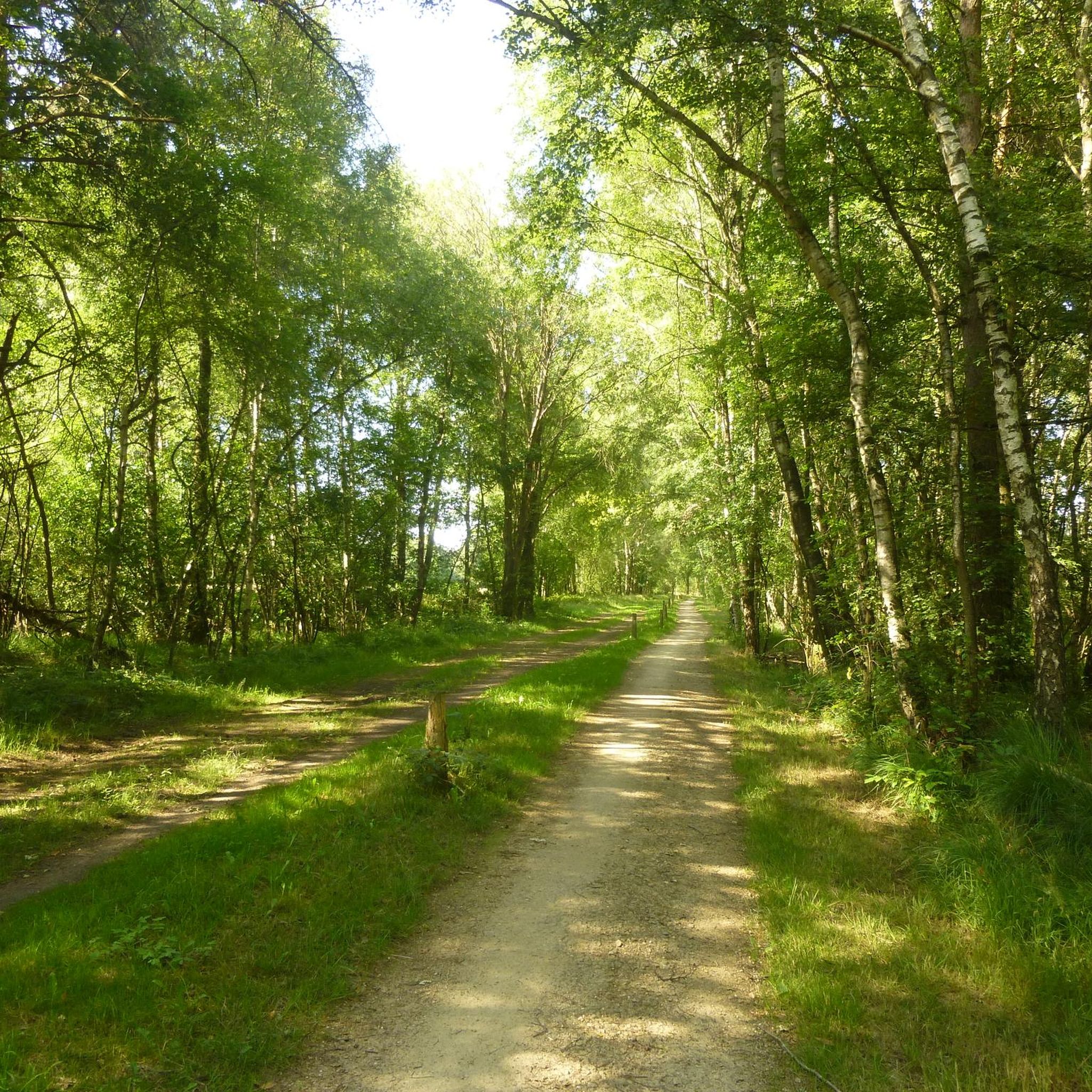
The cycle path here leads between the “Kaiserfelsen”.
11
2
Frequently Asked Questions
What natural features can I explore around Kalltalsperre?
The Kalltalsperre region is rich in natural beauty. You can explore the reservoir itself, which offers a scenic circular route. Other notable natural features include the impressive Kaiserfelsen (Emperor Rock) sandstone formations and the unique Keltzerbach Crossing, where you can traverse a stream on stones.
Are there any unique geological formations to see near Kalltalsperre?
Yes, the Kaiserfelsen (Emperor Rock) is a significant geological highlight. These impressive sandstone rock formations create a meter-high gorge, showcasing ancient geological features found in the Hürtgenwald area. A cycle path even leads directly through them.
Where can I find impressive trees or forest areas around Kalltalsperre?
The region boasts a well-developed forest ecosystem. A particularly striking natural monument is the 40-Meter Spruce Tree, an imposing and iconic natural feature that stands as a testament to the area's lush woodlands.
What kind of hiking trails are available around Kalltalsperre?
The Kalltalsperre area is ideal for hiking, offering a variety of trails. You can find easy hikes, such as the 4.17 km "Kalltalsperre Trail Signpost – Kall Valley loop," or more challenging routes like the 14.96 km "View of the Kall Reservoir – Simonskall loop." Many trails offer scenic views and pass by key attractions. For more detailed routes, explore the Hiking around Kalltalsperre guide.
Are there family-friendly activities or walks near Kalltalsperre?
Yes, several attractions and trails are suitable for families. The circular route around the Kall Reservoir is easily accessible and great for relaxation. Many of the natural monuments, like the Kaiserfelsen (Emperor Rock) and the 40-Meter Spruce Tree, are also considered family-friendly. You can find easy, shorter hiking loops in the Easy hikes around Kalltalsperre guide.
Can I bring my dog on trails around Kalltalsperre?
Many trails and natural areas around Kalltalsperre are dog-friendly. For example, the Kaiserfelsen (Emperor Rock) is noted as a dog-friendly highlight, and the circular route around the reservoir is generally suitable for walks with pets. Always ensure dogs are kept on a leash where required and respect local regulations.
What is the best time of year to visit Kalltalsperre for outdoor activities?
The Kalltalsperre area is beautiful year-round, but the best time depends on your preferred activities. Spring and autumn offer pleasant temperatures for hiking and cycling with vibrant foliage. Summer is great for longer days outdoors. In winter, the landscape can be picturesque, but some stream crossings, like the Keltzerbach Crossing, may require more surefootedness due to higher water levels.
Are there any water activities permitted at Kalltalsperre?
The Kalltalsperre is a drinking water reservoir, and as such, bathing and water sports are generally not permitted to maintain water quality. The reservoir is primarily for observation and enjoyment from its shores and surrounding trails.
Where can I park when visiting Kalltalsperre?
The Kalltalsperre is easily accessible from the "Kallbrück" hikers' car park. This provides convenient access to the circular route around the dam and other nearby trails.
What kind of man-made structures can be found in the area?
Beyond the Kall Reservoir dam itself, which was built in 1934, you can also observe the Water Outlet Valves at Hohes Venn-Eifel Nature Park. These impressive technical components play a crucial role in regulating water levels and managing the rivers and streams within the Eifel region.
What do visitors enjoy most about Kalltalsperre?
Visitors particularly appreciate the natural beauty and tranquility of the area. The scenic circular route around the reservoir, the impressive Kaiserfelsen (Emperor Rock), and the unique experience of crossing the Keltzerbach stream are frequently highlighted. The well-developed trails for hiking and cycling through the forest and rock landscapes are also very popular.
Are there opportunities for cycling or gravel biking around Kalltalsperre?
Yes, the area is well-suited for cycling, including gravel biking. The circular route around the Kalltalsperre is well-developed, and a cycle path leads directly through the Kaiserfelsen (Emperor Rock) gorge. For specific routes, you can consult the Gravel biking around Kalltalsperre guide.
Most popular routes around Kalltalsperre
Most popular attractions around Kalltalsperre

Get inspired with the komoot mobile app


Explore more
Still not found the Highlight you’re looking for? See guides of the top attractions in other regions:
