The best walks and hikes around the Narva
3.6
(9)
103
hikers
17
hikes
Hiking around the Narva offers diverse trails through a landscape characterized by riverbanks, forests, and historical sites. The region features varied terrain, including serene river promenades and areas with historical fortresses. Narva's outdoor environment provides opportunities to explore both natural beauty and cultural landmarks. The trails primarily consist of easy paths suitable for general hiking.
Best hiking trails around the Narva
- The most popular hiking route is Narva Castle – Narva and Ivangorod Castles loop from Vanalinn, a 3.6 miles (5.7 km) trail that takes 1 hour 31 minutes to complete. This easy route offers views of both Narva and Ivangorod Castles.
- Another top favourite among local hikers is Narva and Ivangorod Castles – View of Ivangorod Fortress loop from Narva, an easy 3.1 miles (5.0 km) path. This trail provides scenic perspectives of the Ivangorod Fortress and the surrounding historical area.
- Local hikers also love the Narva-Jõesuu Kuursaal Ruins – Hele Park Pond and Gazebo loop from Narva-Jõesuu, a 3.6 miles (5.8 km) trail leading through parkland and past historical ruins, often completed in about 1 hour 28 minutes.
- Hiking around the Narva is defined by river promenades, diverse forests, and historical castle grounds. The network offers options for easy ability levels.
- The routes in Narva are highly rated by the komoot community with an average score of 2.9 stars from 7 reviews. More than 80 hikers have used komoot to explore Narva's varied terrain.
Last updated: October 29, 2026
11
hikers
Easy hike. Easily walkable paths.
13
hikers
Easy hike. Easily walkable paths.

2.0
(1)
15
hikers
6.37km
01:41
60m
60m
Easy hike. Easily walkable paths.
8
hikers
4.26km
01:08
40m
40m
Easy hike. Easily walkable paths.
5.0
(1)
5
hikers
2.50km
00:40
30m
30m
Easy hike. Easily walkable paths.
2
hikers
Easy hike. Easily walkable paths.
3
hikers
Moderate hike. Good fitness required. Easily walkable paths.
Get access to more routes and recommendations from other explorers.
Already have an account?
Our route recommendations are based on thousands of hikes, rides, and runs completed by other people on komoot.
Start today with a free account
Your next adventure awaits.

Other adventures around the Narva

Tips from the Community

A hydroelectric power station spanning the Narva River near the historic border between Estonia and Russia. Built in the 1950s, it harnesses the river’s natural power and forms part of Narva’s distinctive industrial landscape.
0
0
A monument commemorating the Swedish victory over Russia at the Battle of Narva in 1700, one of the most remarkable victories of King Charles XII of Sweden.
0
0
The historic Narva River, flowing between Estonia and Russia, with the medieval fortresses of Narva and Ivangorod facing each other across the water.
0
0
A reminder of Narva’s turbulent military history and its centuries as a fortified frontier town.
0
0
A peaceful trail through the Joaoru area, combining beautiful nature, river views and traces of Narva’s ancient history.
0
0
This scenic riverside promenade offers beautiful views of Narva Castle, Ivangorod Fortress across the river, and the border between Estonia and Russia. Perfect for a relaxing walk at any time of day.
0
0
The iconic “Narva” letters have become one of the city’s most popular photo spots. Located near the historic centre, the modern sculpture offers a fun place to stop, climb up for a picture, and mark your visit to Estonia’s fascinating border city.
0
0
Overlooking the Narva River, the Swedish Terrace is one of the city’s most iconic viewpoints. The eight lion sculptures commemorate Narva’s Swedish heritage and offer a perfect spot to enjoy the riverside scenery and views towards the historic fortress.
0
0
Frequently Asked Questions
How many hiking trails are available around Narva?
There are 15 hiking trails around Narva, offering diverse experiences. The majority, 13 routes, are classified as easy, with 2 moderate options available for those seeking a bit more challenge.
What kind of terrain can I expect on Narva's hiking trails?
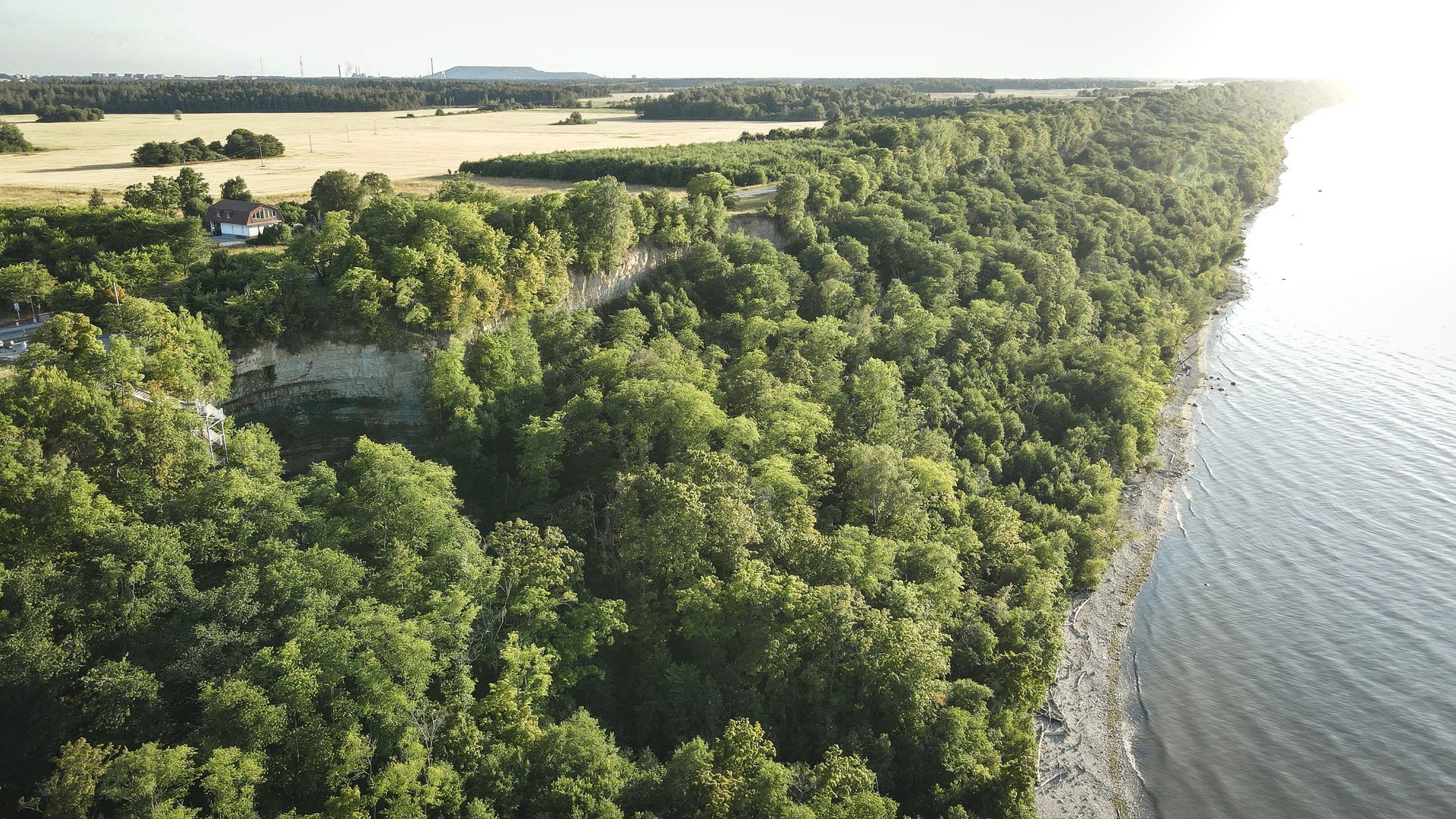
Narva's hiking trails feature varied terrain, including serene river promenades along the Narva River, paths through diverse forests with birches, spruces, and swampy woods, and historical castle grounds. The nearby coastal areas of Narva-Jõesuu also offer sandy beaches and rugged cliffs.
Are there any family-friendly hiking routes in Narva?
Yes, many of Narva's trails are suitable for families, especially the easy routes. For instance, the View of Narva Fortress – Alexander Church Narva loop from Narva is a shorter, easy 2.8 km path that offers historical sights without being too strenuous for children.
Can I bring my dog on the hiking trails in Narva?
While specific regulations can vary, many natural areas and trails in Narva are generally dog-friendly, provided dogs are kept on a leash and owners clean up after them. The region's extensive forest areas and riverbanks offer pleasant environments for walks with your canine companion.
What historical landmarks can I see while hiking in Narva?
Narva's hiking trails often integrate historical and cultural landmarks. You can explore the grounds of the medieval Narva Castle, enjoy views of the Ivangorod Fortress in Russia across the river, or pass by the impressive Alexander Church Narva. The Narva Castle – Narva and Ivangorod Castles loop from Vanalinn is a great option to see both castles.
Are there any circular hiking routes around Narva?
Yes, several circular routes are available. A popular choice is the Narva and Ivangorod Castles – View of Ivangorod Fortress loop from Narva, an easy 5.0 km path offering scenic perspectives of the Ivangorod Fortress. Another option is the Narva and Ivangorod Castles – Narva Castle Park loop from Vanalinn, which is 5.4 km.
What is the best time of year to go hiking in Narva?
The best time for hiking in Narva is generally from spring to autumn (May to October) when the weather is milder and the natural landscapes are at their most vibrant. Spring brings blooming flora, while autumn offers beautiful fall foliage. Summer provides longer daylight hours for extended exploration.
Are there any trails that feature waterfalls or unique natural features?
While specific named waterfalls directly on Narva trails are not prominent, the region's diverse landscapes include twisting rivers and bog ecosystems. The Viru Bog Boardwalk Trail in Lahemaa National Park, accessible from Narva-Jõesuu, offers a unique experience exploring a mystical bog via wooden boardwalks.
What do other hikers enjoy most about the trails in Narva?
The trails in Narva are highly rated by the komoot community, with an average score of 2.9 stars. Reviewers often praise the combination of natural beauty, such as the peaceful riverbanks and diverse forests, with the rich historical context provided by landmarks like the castles. The accessibility of easy routes is also frequently appreciated.
Are there hiking routes near the coast or beaches?
Yes, the nearby town of Narva-Jõesuu offers coastal hiking opportunities. You can find well-maintained paths winding through pine forests and meadows, providing panoramic views of the Baltic Sea. The Narva-Jõesuu Kuursaal Ruins – Hele Park Pond and Gazebo loop from Narva-Jõesuu is an easy 5.8 km trail in this area.
How accessible are the trailheads by public transport or car parking?
Many trailheads in and around Narva, especially those near the city center or popular attractions like Narva Castle, are generally accessible. Parking is often available near key starting points. For routes further afield, such as those near Narva-Jõesuu, public transport options like buses can connect you to the area, though checking local schedules is advisable.
Are there any longer, more challenging hikes available?
While the majority of trails in Narva are easy, there are 2 moderate routes for those looking for a slightly longer or more challenging experience. These routes typically involve greater distances or more varied terrain compared to the easy paths, though none are classified as difficult.
Most popular attractions around the Narva

Get inspired with the komoot mobile app


