Top 20 Lakes around IJsselmeer
Best lakes around IJsselmeer. The IJsselmeer is the largest freshwater lake in the Netherlands, created from the former Zuiderzee by the Afsluitdijk dam. This expansive body of water is surrounded by historic towns and offers a diverse natural landscape. It serves as a significant freshwater reserve and a hub for various outdoor activities.
Best lakes around IJsselmeer
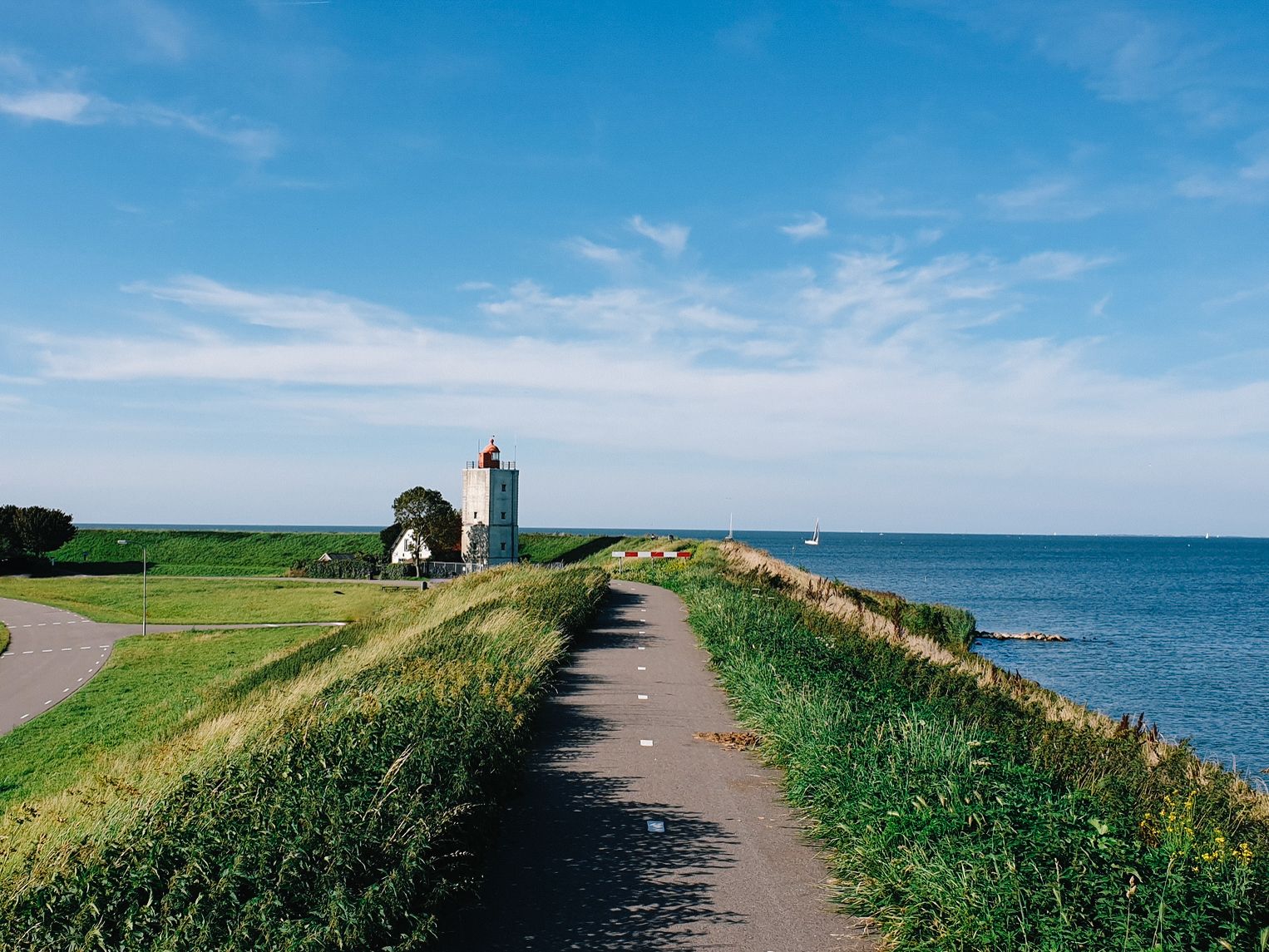
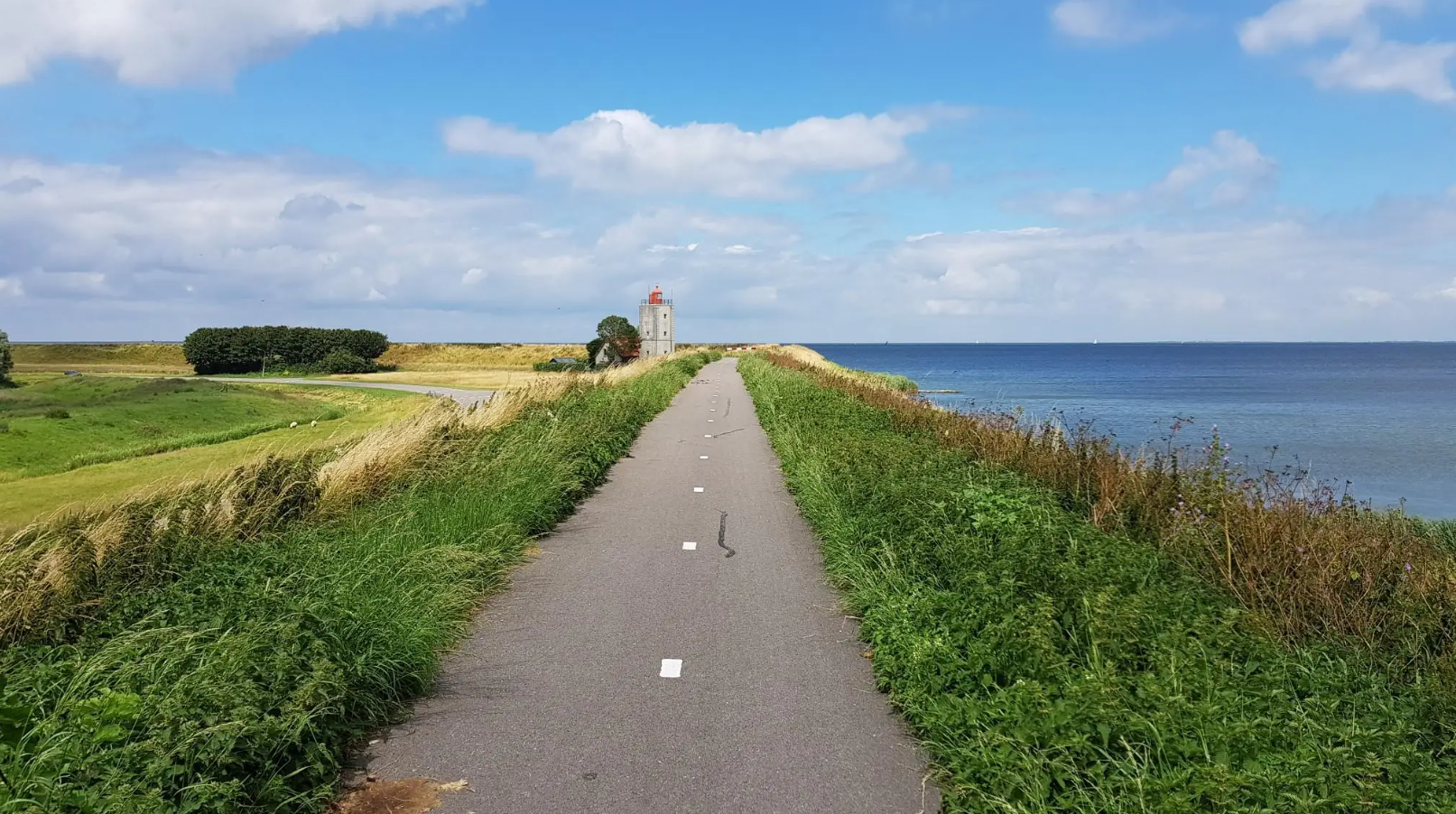
- The most popular lakes is Urk Lighthouse on Lake IJsselmeer, Flevoland, a man-made monument that offers spacious views over the IJsselmeer. This 18.5 meter high lighthouse is located on the westernmost tip of Urk.
- Another must-see spot is IJsselmeer near Wervershoof, a lake known for its abundant water birds. Visitors can observe various bird species along the bike path, which is slightly set back from the shore.
- Visitors also love IJsselmeer near Medemblik, a lake offering great views. This location is also known for kitesurfers visible from the road sections.
- IJsselmeer is known for its extensive freshwater body, historic coastal towns, and surrounding nature reserves. Visitors can explore large open waters, smaller connected lakes, and areas rich in birdlife.
- The lakes around IJsselmeer are appreciated by the komoot community, with more than 280 upvotes and 4 photos shared across its highlights.
Last updated: October 11, 2026
IJsselmeer near Wervershoof
Highlight • Lake
Translated by Google •
Tip by

Urk Lighthouse on Lake IJsselmeer, Flevoland
Highlight • Monument
Spacious view over the IJsselmeer
Translated by Google •
Tip by

Sign up now to discover places like this
Get recommendations on the best single tracks, peaks, & plenty of other exciting outdoor places.
Former rail ferry loading point in Stavoren
Highlight • Historical Site
In 1899 the steam ferry was used for the first time to transfer entire freight cars. This resulted in considerable time and cost savings.
In 1916, freight transport reached its peak with 43,000 wagons. After that, the transport of goods then steadily decreased.
On April 1st, 1936 the freight ferry service was finally stopped.
The passenger transport is still in operation today and is a tourist attraction in summer.
Translated by Google •
Tip by

Koopmanspolder Nature Reserve
Highlight • Natural
Translated by Google •
Tip by

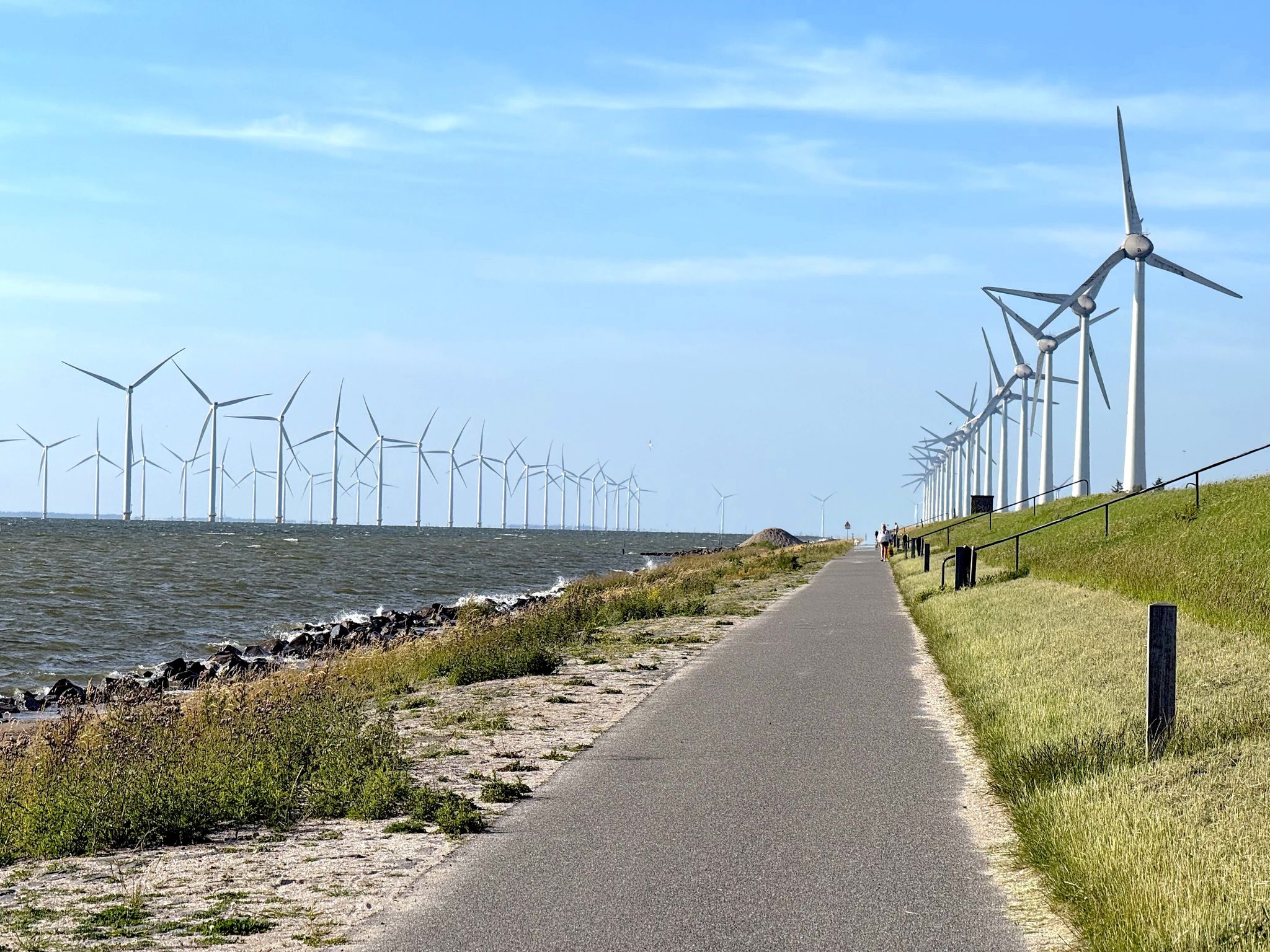
IJsselmeer Dike Cycling Path
Highlight • Cycleway
Translated by Google •
Tip by

Sign up for free to discover even more lakes around IJsselmeer.
Already have an account?
Start today with a free account
Your next adventure awaits.
Popular around IJsselmeer
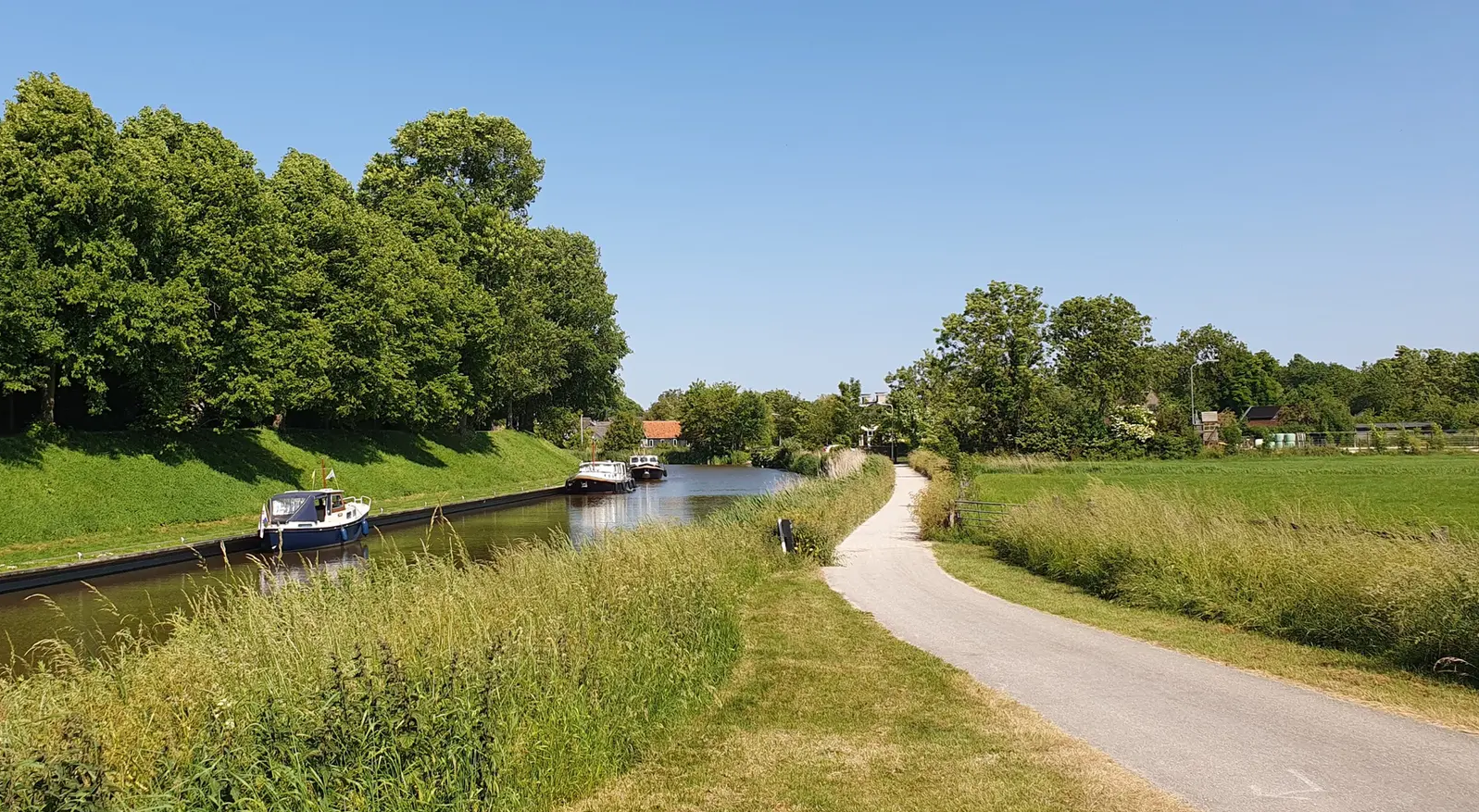
Elfstedenpad – Along polders, terpen and eleven Frisian cities
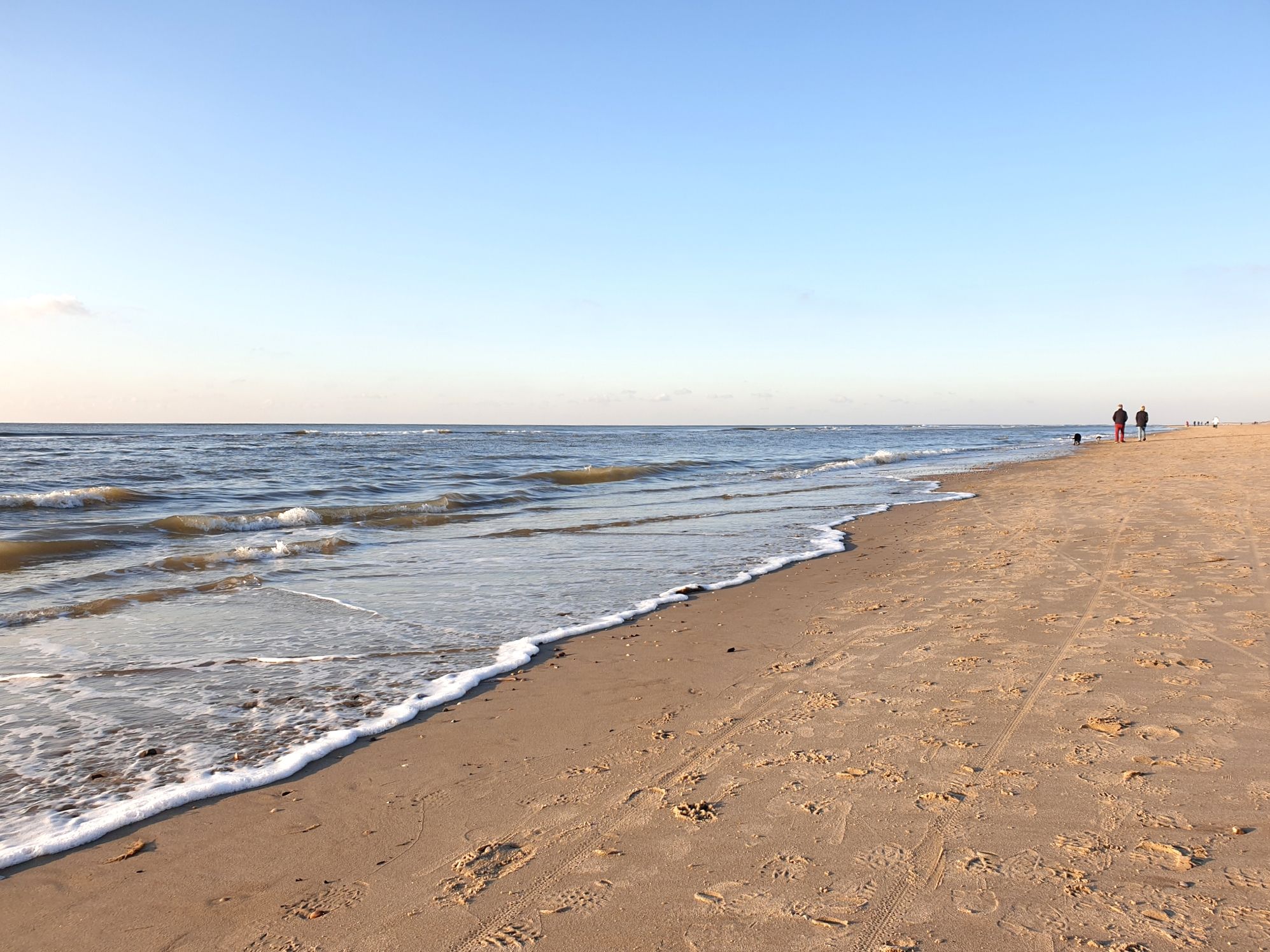
Groot Frieslandpad (LAW 14) – Right through the North of the Netherlands
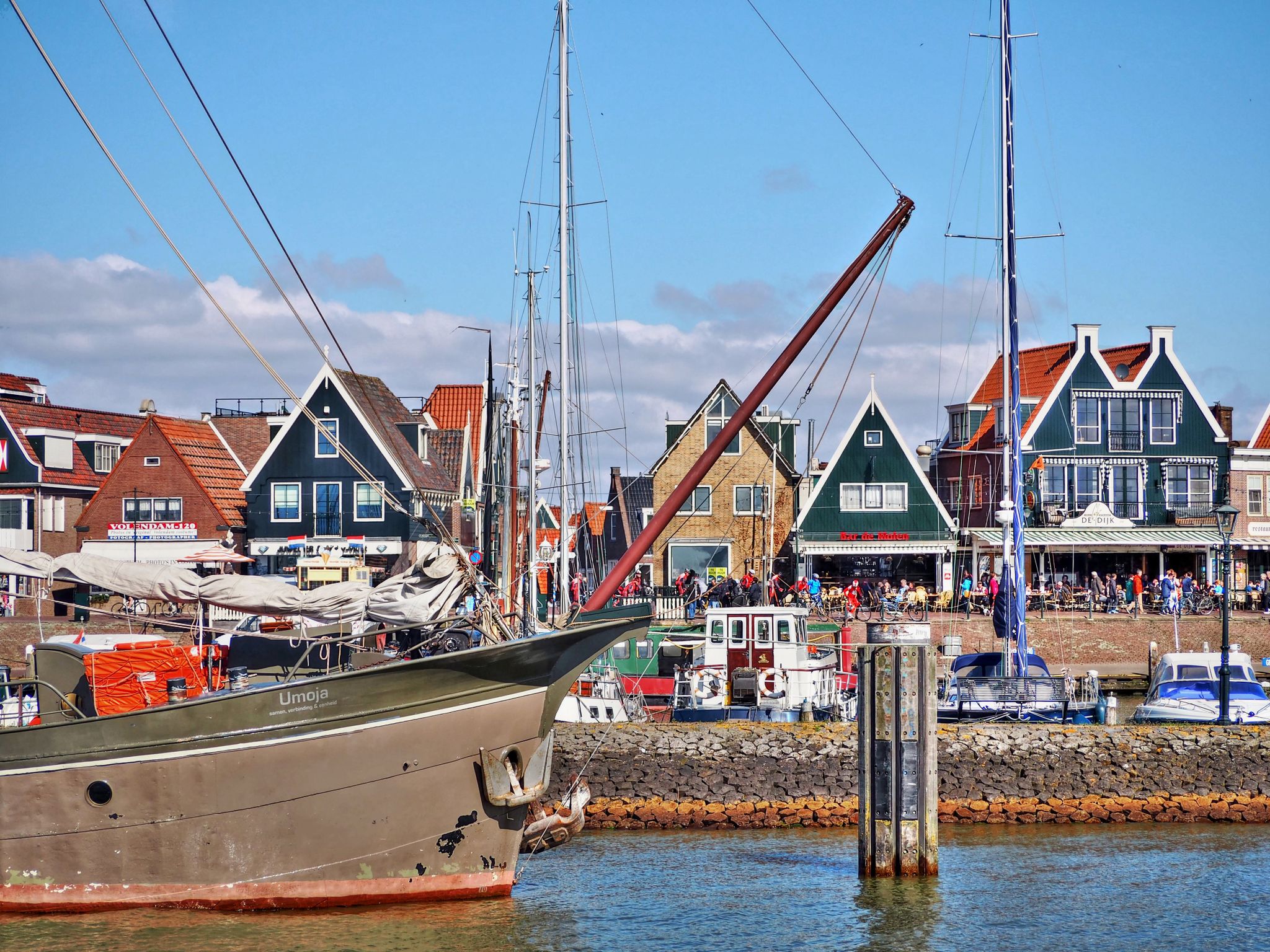
Cycling the LF Zuiderzee Route – Delve into history around IJsselmeer lake
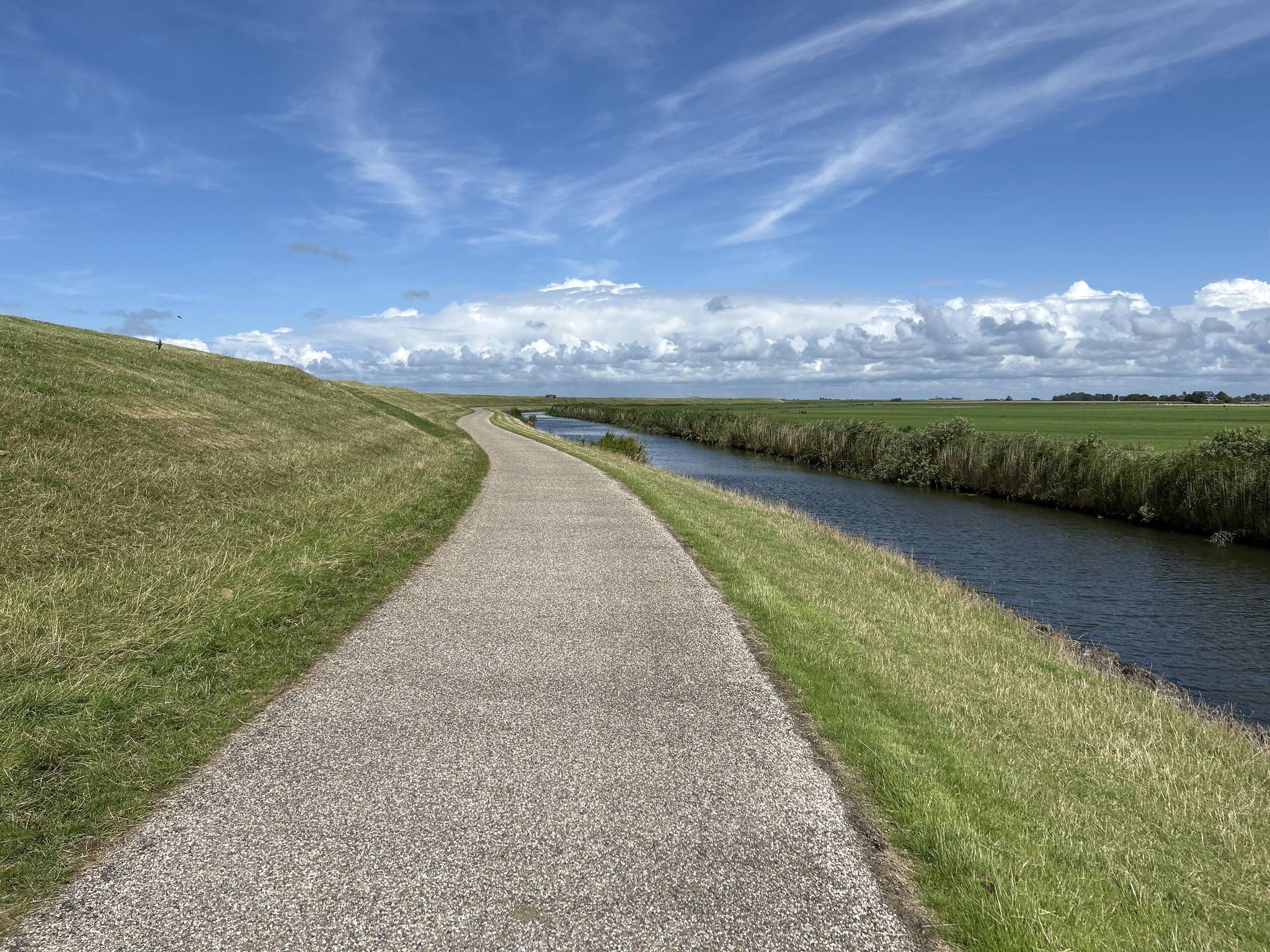
The Eleven Cities Tour – Exploring Friesland by Bike
Around the IJsselmeer – A six-day Dutch classic through lake landscapes
Hiking around West-Friesland – Westfriese Omringdijk (SP 09)
Surrounded by water – cycling in Flevoland
Where woodland and water meet – hiking in Flevoland
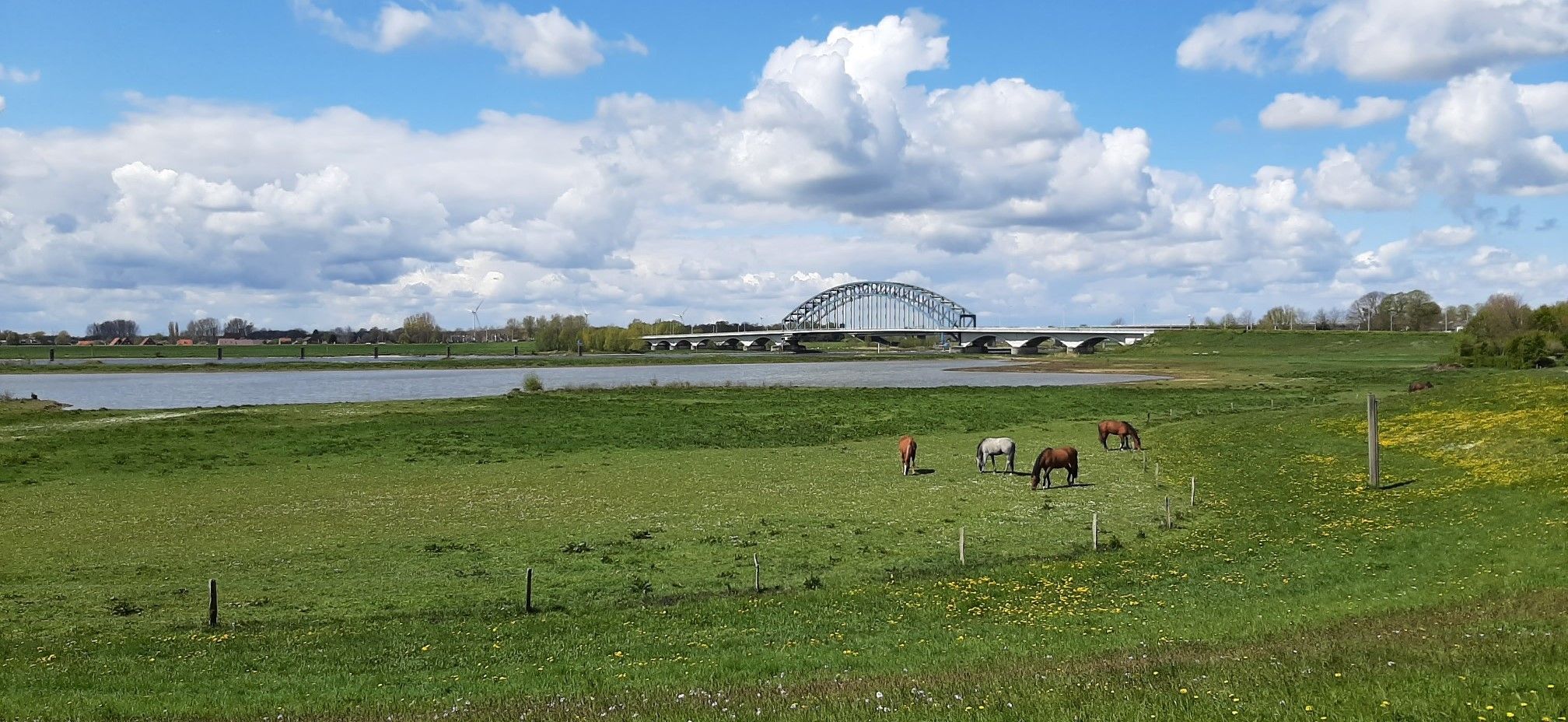
Grazing cows and old windmills – Farmland Route
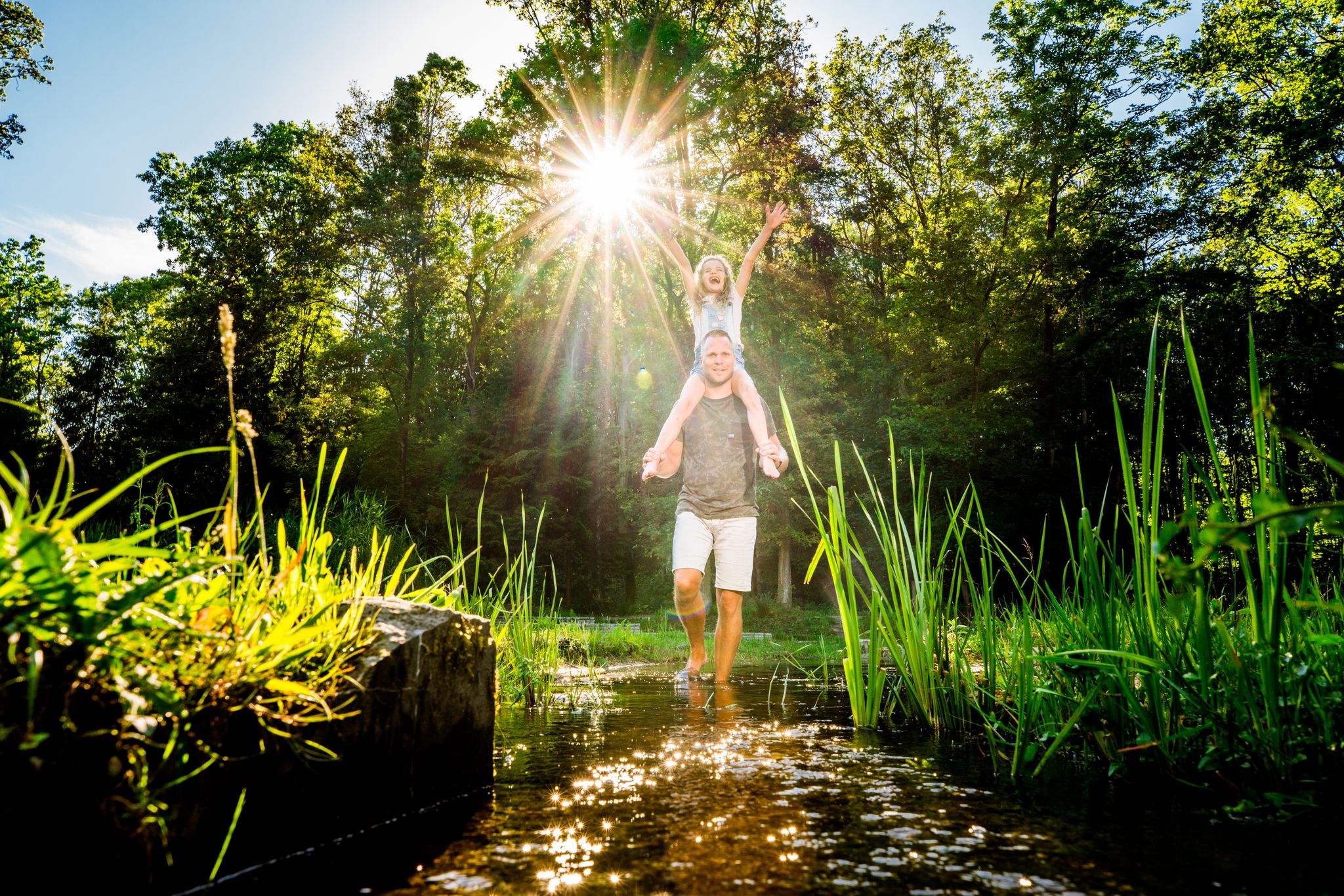
The gift of the sea – exploring Flevoland on foot
Other adventures around IJsselmeer


Tips from the Community

Closed on Sundays
0
0

Very beautiful lighthouse and quaint little town. Urk only became part of the Dutch mainland when the Noordoostpolder was drained. Nevertheless, the residents still live 'on Urk' and not 'in Urk'. In any case, the small town with its lively harbor is a great stopover on your bike tours.
6
0

A point with a beautiful history. It is very outside of the city.
0
0

Very beautiful lighthouse on the beautiful former island of Urk Spacious view over the IJsselmeer
6
0

Source: information board Stavoren
1
0
On July 15, 1886, the Stavoren-Enkhuizen ferry service was officially opened. A connection that connected Noord Holland with Friesland and shortened the journey from Amsterdam to Leeuwarden by hours. In addition to transporting people, special ships were also used for goods. It took a while to get used to it. The competition between the various railway companies was fierce. It wasn't until the regulator signed a rail contract in 1890 that the situation improved for the ferry service as well. The state committee of Wouda decided in 1897 to move the goods with wagons "Ponten* (special ferries) between Stavoren and Enkhulzen across the Zuiderzee. This decision was taken to relieve the existing ferry service. In 1899 the first steam ferry was used, which, thanks to a unique design, could run over entire wagons. This made the costly and time-consuming loading of goods and cattle a thing of the past. The problem with the rails at low and high tide was solved very sensibly. When the ship arrived in port, it was wedged between a wooden brake system. In the meantime, the last piece of rail at the edge of the wall has been raised by 9 meters with a lifting bridge. Thus the pont could pass under the bridge and connect to the rails. The complete wagons were moved with the help of a push wagon, so that the locomotive could remain on the wall. There was space for 14 freight cars, 7 on the port side and 7 on the starboard side. The begging and goods transport increased rapidly, so that a second and third steamboat (pont) was used. In the record year 1916, 43,000 wagons were transported. The journey was very risky, especially in winter due to fog, storms and drifting ice. After 1916 the transport slowly decreased and after the construction of the dyke in 1932 the end was in sight. The service was discontinued on April 1, 1936. Passenger transport is still in operation to this day. The current ferry "Bep Glasius" has been supplying the ferry service between Stavoren and Enkhuizen for many years. It is now a tourist destination in the summer months Attraction. The ships: In 1899 the steam ferry "Stavoren* was put into service. Their dimensions were 66.50 x 12 meters. The ship was pushed by 2 legendary 2-cl com-pound steam engines 2 x 350 PK. In 1927 the "Stavoren" was sold to the Zuiderzee Works. Then sold on in 1968 and converted to a floating restaurant and party ship, she is now moored in Wormerveer. In 1902 the steam ferry "Enkhuzen" was deployed. Their dimensions were 66.80 x 12.20 meters. The ship was also pushed by 2 lying 2-cl compound steam engines 2 x 400 PK. In 1936 her service ended, and in 1937 she was used in the salvage work of the "Lutine". Her loading capacity was 929 tons. The last to be used was the steam ferry "Leeuwarden" in 1909. This ship also had the dimensions 66.80 x 12.20 and was pushed by 2 horizontal 2-cl compound steam engines 2 x 400 PK. She was rebuilt in 1937 and sailed to Venezuela where she is now used under the name Trinidad for supplication transport between Cludad Bolivar and Fort of Spain. Loading capacity: 900 tons.
1
0

The 18.5 meter high lighthouse on the dike is located at the westernmost tip of Urk. Due to the closure of the Zuiderzee and the creation of the IJsselmeer, the lighthouse has lost its importance as a beacon, but is still the perfect tower for a beautiful view over the lake IJsselmeer. https://www.naupar.de/gehenswurdigkeiten/leuchtturm-urk/
2
0

A wonderful sea. Swimming in shallow water is possible.
0
1
Frequently Asked Questions
What are the most popular lakes and viewpoints around IJsselmeer?
The IJsselmeer itself offers several highly-rated spots. Visitors particularly enjoy the Urk Lighthouse on Lake IJsselmeer, Flevoland for its spacious views. Other popular locations include IJsselmeer near Wervershoof, known for its abundant water birds, and IJsselmeer near Medemblik, which provides great views and opportunities to see kitesurfers.
Are there family-friendly activities or locations around the IJsselmeer lakes?
Yes, many areas around the IJsselmeer are family-friendly. The highlights like IJsselmeer near Wervershoof and IJsselmeer near Medemblik are noted as suitable for families. The historic town of Urk, home to the Urk Lighthouse, also offers a charming experience for all ages.
What kind of natural features and wildlife can I expect to see around IJsselmeer?
The IJsselmeer region is rich in natural beauty. You can observe various water birds, especially around areas like IJsselmeer near Wervershoof. The lake itself is a vital habitat for fish species and migratory birds. The Markermeer, connected to the IJsselmeer, also plays an important ecological role with nature development projects like the Marker Wadden.
What historical sites or landmarks are there to visit near the IJsselmeer?
The region is dotted with historic towns and landmarks. The Urk Lighthouse is a notable man-made monument in the historic fishing village of Urk. Another interesting historical site is the Former rail ferry loading point in Stavoren, which tells the story of the old ferry service connecting North Holland with Friesland.
What water sports are popular on the IJsselmeer?
The IJsselmeer is a renowned destination for various water sports due to its sheltered waters and consistent winds. Sailing, windsurfing, and kitesurfing are particularly popular. You can often spot kitesurfers near locations like IJsselmeer near Medemblik.
Are there good cycling routes around the IJsselmeer lakes?
Yes, the IJsselmeer region is excellent for cycling. Scenic bike routes crisscross the rural farmlands and charming towns along the lake's edges. You can find numerous options, including routes like the 'Historic Centre of Medemblik – IJsselmeer near Wervershoof loop from Medemblik'. For more cycling adventures, explore the Cycling around IJsselmeer guide.
Can I go hiking near the IJsselmeer?
Absolutely. There are many hiking opportunities around the IJsselmeer, ranging from easy strolls to moderate walks. Trails often offer beautiful views of the lake and its surrounding nature. For detailed hiking routes, check out the Hiking around IJsselmeer guide, which includes routes like 'The miracle of Urk' and 'View of the IJsselmeer – Stavoren Harbour loop'.
What is the best time to visit the IJsselmeer region?
The IJsselmeer region is enjoyable throughout the warmer months, typically from spring to early autumn, when conditions are ideal for water sports, cycling, and hiking. The historic towns are also vibrant during this period. Winter can offer unique experiences like ice skating if conditions allow, but many outdoor activities are best enjoyed when the weather is milder.
What do visitors enjoy most about the IJsselmeer region?
Visitors frequently praise the expansive views over the lake, the opportunities for water sports, and the charming historic towns. The combination of natural beauty, like the abundant water birds, and the rich cultural heritage, such as the former rail ferry loading point, makes the region a diverse and appealing destination.
Are there nature reserves or specific birdwatching spots around IJsselmeer?
Yes, the IJsselmeer and its connected bodies of water are important for birdlife. Areas like IJsselmeer near Wervershoof are known for abundant water birds. The 'Bocht van Molkwar' and 'Warkumerwaard' in Friesland are particularly rich in birdlife, and the Ketelmeer also serves as a valuable area for birdwatching.
What is the Markermeer, and how is it related to the IJsselmeer?
The Markermeer is a distinct freshwater lake located southwest of the IJsselmeer. It was formed in 1975 when the IJsselmeer was further divided by the Houtribdijk. Like the IJsselmeer, it's popular for water sports and recreation, and it plays an important ecological role, notably with the Marker Wadden nature development project.
Can I find gravel biking routes in the IJsselmeer area?
Yes, the region offers gravel biking opportunities. You can find routes that take you through diverse landscapes. For specific routes and difficulty levels, refer to the Gravel biking around IJsselmeer guide, which includes routes like 'Oostvaardersplassen loop from Lelystad'.
Most popular routes around IJsselmeer
Most popular attractions around IJsselmeer

Get inspired with the komoot mobile app


Explore more
Still not found your perfect lake around IJsselmeer? Check out the guides of these regions to see even more beautiful places.
