Attractions and Places To See around Maas - Top 20
Attractions and places to see around Maas include a diverse range of historical landmarks, natural beauty, and cultural experiences. The Maas River, also known as the Meuse, flows through France, Belgium, and the Netherlands, shaping a unique landscape. This region features a network of old river arms, levees, and gravel banks, alongside historical towns and cultural sites. Visitors can explore areas like the RivierPark Maasvallei and the Maasplassen, which offer varied natural and man-made attractions.
Best attractions and places to see around Maas
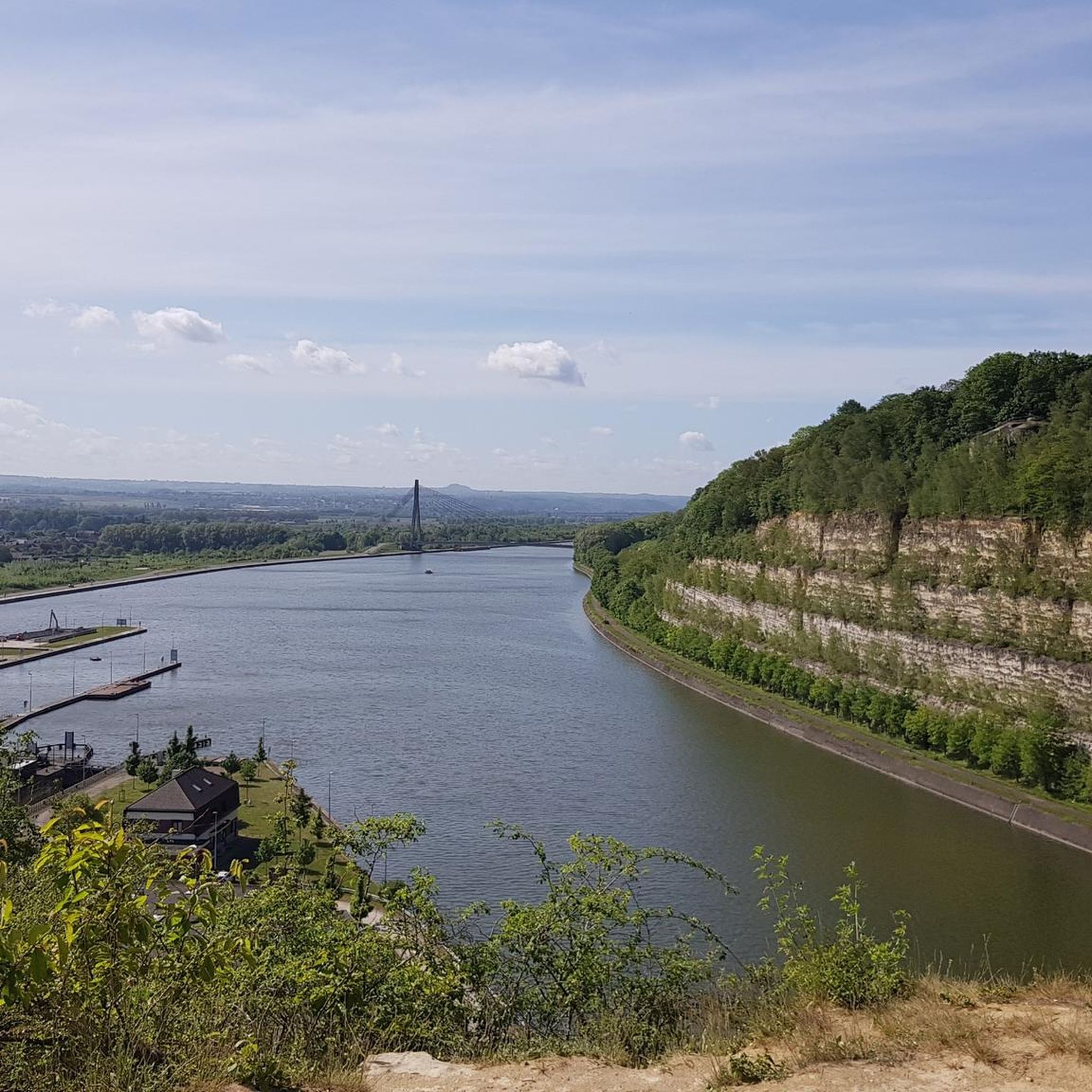
- The most popular attractions is Lanaye Lock (Écluse de Lanaye), an other_man_made structure that connects the Lanaye Canal and the Albert Canal. It is located near the Dutch border and offers views of marl rock walls.
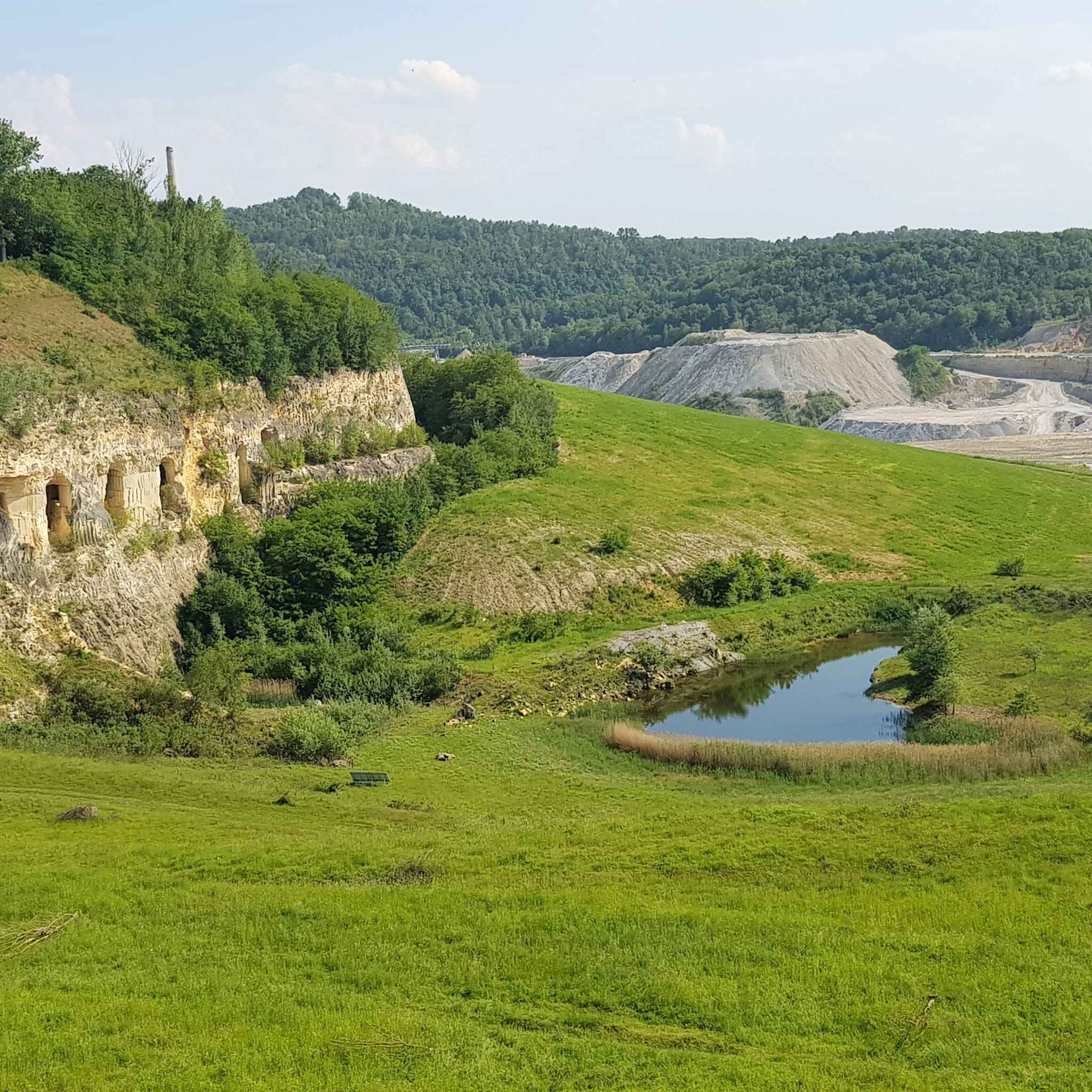
- Another must-see spot is Castle cave, a cave that served various purposes from storing provisions to sheltering. It is often situated in a wooded area, creating an impressive backdrop for hikers.
- Visitors also love Cramignon Ferry Eijsden–Lanaye, a bridge that functions as a ferry service connecting the Dutch municipality of Eijsden and the Walloon town of Lanaye. It is named after a local traditional dance and is popular with cyclists and walkers.
- Maas is known for historical sites, natural landscapes, and river activities. The region offers a variety of attractions to see and explore, from ancient castles and fortified towns to extensive nature reserves and waterways.
- The attractions around Maas are appreciated by the komoot community, with more than 40 highlights, over 390 photos, and more than 790 upvotes.
Last updated: June 22, 2026
Cramignon Ferry Eijsden–Lanaye (inaccessible in winter)
Highlight (Segment) • Bridge
Update: As of 8/25, a crossing costs €1.50
Showing Translation
Tip by

Lanaye Lock (Écluse de Lanaye)
Highlight • Structure
Translated by Google •
Tip by

Sign up now to discover places like this
Get recommendations on the best single tracks, peaks, & plenty of other exciting outdoor places.
Sign up for free
Castle cave
Highlight • Cave
Translated by Google •
Tip by

John F. Kennedy Bridge
Highlight • Bridge
Length. 588.00 m
Width: 27.00 m
Year of construction: 1968
Translated by Google •
Tip by
Cramignon Ferry Eijsden–Lanaye
Highlight • Bridge
Fun fact: the ferry service is named after a local traditional dance, the cramignon, which was and is danced in the region north of Liège and in the valleys of the Meuse, Jeker and Bolland. In the Netherlands, the tradition of the Cramignon still exists in the extreme south of South Limburg, in the villages in the municipality of Eijsden-Margraten, here on the other side of the Meuse. The Cramignon is a round dance in which (at the fair, procession and bronk) boys and girls, as much as possible, alternately hold each other by the hand and hop and zigzag through the streets to the cheerful sounds of the cramignon music. The Cramignon winds its way through the village like a zigzagging human chain.
Translated by Google •
Tip by

Sign up for free to discover even more attractions around Maas.
Sign up for free
Already have an account?
Start today with a free account
Your next adventure awaits.
Login or Signup

Other adventures around Maas

Tips from the Community

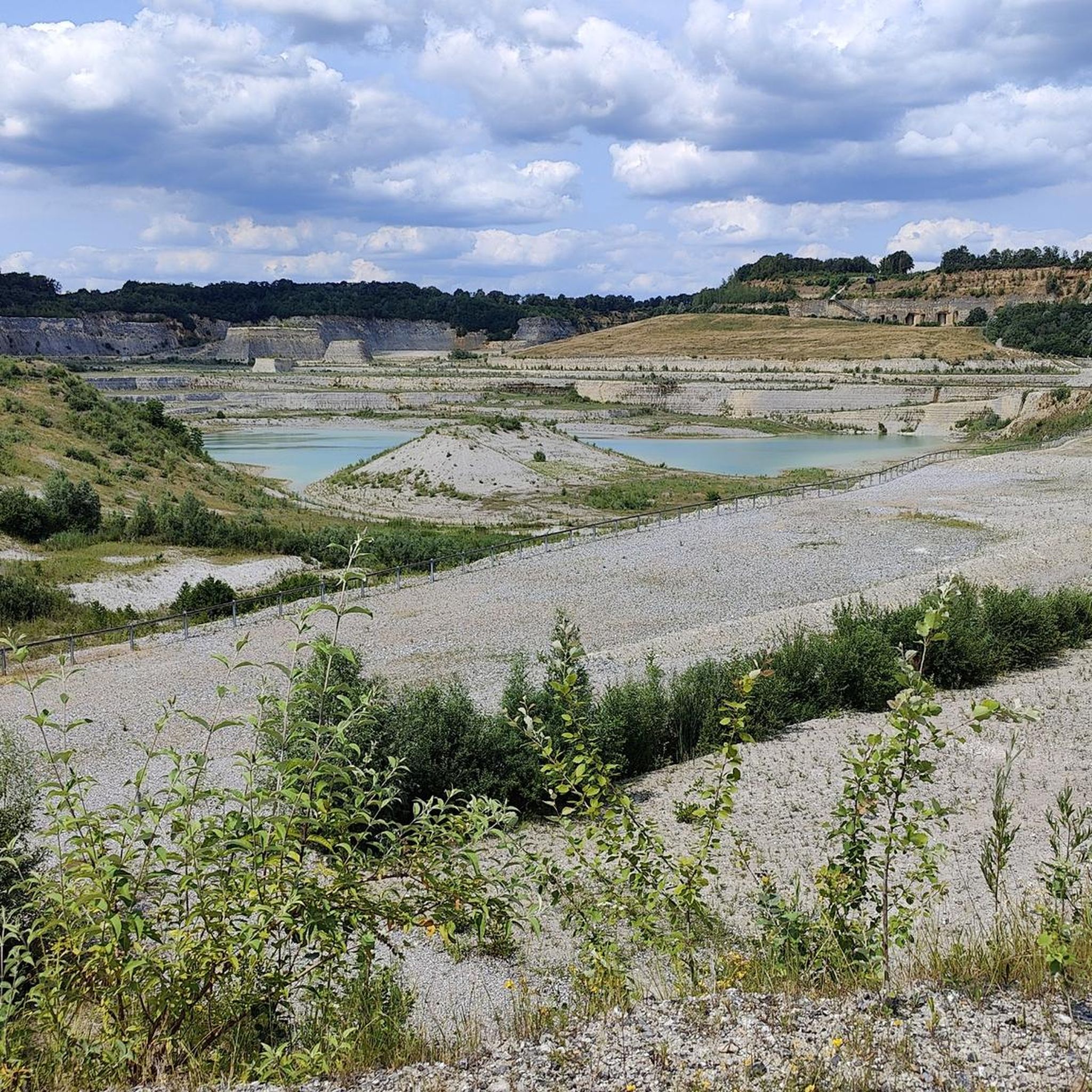
The Castle Cave is a unique place where history, architecture, and nature converge. Often located near or beneath a castle, such as in South Limburg or other historic regions, a castle cave served various purposes: from storing wine or provisions to sheltering or serving as a decorative garden feature within the castle grounds' landscaping. The cave is usually situated in a wooded area or on a slope, where natural rock formations and limestone structures create an impressive backdrop. Winding paths, hills, and viewpoints often surround the cave, making it a haven for hikers and a haven of discovery.
0
0

The John F. Kennedy Bridge is a road bridge over the Meuse River in the Dutch city of Maastricht. The bridge is named after John F. Kennedy, President of the United States, who was assassinated in 1963. History Since the 1950s, Maastricht had been seeking to complete the planned ring road around the city center by building two bridges, a "Southern Bridge" and a "Northern Bridge."[1] Construction of the bridge and the connecting Maas Boulevard required the demolition of a large part of the City Park. The character of the stately Prins Bisschopsingel in Villa Park also changed significantly due to the new design and the intensive traffic flow.[2] Construction by Rijkswaterstaat cost approximately 30 million guilders, of which the national government paid 9.3 million.[3] The bridge was opened by Prince Claus in the pouring rain on May 6, 1968. Wikipedia
0
0

You will find a nice restaurant with a beautiful view here.
0
0

Beautiful historic lock with a fairly large drop
0
0

This ferry service between Eisden (NL) and Lanaye (B) has been in use since May 2004 and was realised by the cooperation between Euregio Maas-Rijn and the Walloon Region in function of the Interreg III-A project "Sint-Pietersberg". Fun fact: the ferry service is named after a local traditional dance, the cramignon, which was and is danced in the region north of Liège and in the valleys of the Meuse, Jeker and Bolland. In the Netherlands, the tradition of the Cramignon still exists in the extreme south of South Limburg, in the villages in the municipality of Eijsden-Margraten, here on the other side of the Meuse. The Cramignon is a round dance in which (at the fair, procession and bronk) boys and girls, as much as possible, alternately hold each other by the hand and hop and zigzag through the streets to the cheerful sounds of the cramignon music. The Cramignon winds its way through the village like a zigzagging human chain.
3
0

The Lanaye locks on the Meuse River, in Visé in the province of Liège near the Dutch border, connect the Lanaye Canal and the Albert Canal. At the locks, the Albert Canal cuts through the Sint-Pietersberg, using the Caestert Canal.
4
0

Unfortunately we couldn't use it. The water level was too high and the current was very strong.
0
0

What an excellent idea this mini cruise is in the form of a pedestrian ferry crossing from Wallonia to the Netherlands, from Lanaye to Eijsden, where the old village and establishments with opulent terraces await you!
2
0
Frequently Asked Questions
What are some unique historical sites to visit along the Maas?
The Maas region is rich in history. You can explore Lanaye Lock (Écluse de Lanaye), an impressive man-made structure near the Dutch border with views of marl rock walls. Other notable sites include Thorn, known as the 'little white town' with its historical and religious buildings, and Maastricht, one of the oldest cities in the Netherlands featuring medieval churches and museums. In Belgium, visit the hilltop citadel of Namur, the 'postcard-perfect city' of Dinant with its medieval citadel, or the grand Château de Freÿr, a Major Heritage Site in Wallonia. Willemstad in the Netherlands also offers insights into Dutch maritime heritage with its star-shaped fortifications.
Are there family-friendly attractions around Maas?
Yes, several attractions along the Maas are suitable for families. The Cramignon Ferry Eijsden–Lanaye is a fun experience for both cyclists and pedestrians, connecting the Dutch municipality of Eijsden and the Walloon town of Lanaye. The Lanaye Lock (Écluse de Lanaye) is also considered family-friendly, offering an interesting view of how locks operate. Additionally, the RivierPark Maasvallei provides extensive hiking and cycling routes suitable for various ages, and the Maasplassen offers numerous water activities.
What natural features can I explore in the Maas region?
The Maas region boasts diverse natural beauty. The cross-border RivierPark Maasvallei is a unique nature reserve shaped by the river, featuring old river arms, levees, and gravel banks, home to diverse flora and fauna. The Maasplassen lake system, created by gravel extraction, offers clear blue water and lush banks perfect for water activities. You can also experience the dramatic cliffs and rolling hills of the Ardennes region, which provide impressive scenery along the Meuse.
What outdoor activities can I do near these attractions?
The Maas region is excellent for outdoor enthusiasts. You can find numerous cycling and hiking paths throughout the area, including within the RivierPark Maasvallei. For cycling, consider routes like the 'Lanaye Lock – Albert Canal Towpath at Kanne loop' or the 'Sint Servaas Bridge – Geulle Castle loop'. If you prefer hiking, there are easy trails such as the 'ENCI Quarry Viewpoint – Maas Riverside Path loop' or the 'Castle cave – Caestert Farm loop'. For more detailed routes, explore the cycling guide or easy hikes guide for the Maas area.
Are there any unique villages or towns worth visiting along the Maas?
Absolutely. The Maas region is dotted with picturesque villages and towns. Thorn, known as the 'little white town,' offers historical charm. Within the RivierPark Maasvallei, you'll find authentic villages like Oud-Rekem, which has one of the most authentically preserved village centers, and Leut, featuring the historic Leut Castle. Maaseik is another cultural gem, famous for its Baroque facades. Each offers a glimpse into local culture and history.
What is the best time to visit Maas attractions?
The best time to visit Maas attractions largely depends on your preferred activities. For outdoor activities like cycling, hiking, and river cruises, the period from Easter until the autumn holidays is ideal, as many services like the Cramignon Ferry Eijsden–Lanaye operate during these warmer months. Summer is perfect for water sports on the Maasplassen. For exploring historical towns and cultural sites, spring and autumn offer pleasant weather and fewer crowds.
Are there any wheelchair accessible routes or attractions?
Yes, efforts have been made to ensure accessibility in certain areas. The John F. Kennedy Bridge in Maastricht is wheelchair accessible, offering great views over the city and the Maas. The Cramignon Ferry Eijsden–Lanaye is also noted as wheelchair accessible, providing a unique way to cross the river. When planning, it's always advisable to check specific attraction details for the most up-to-date accessibility information.
Can I find easy walking trails around Maas?
Yes, the Maas region offers many easy walking trails. For instance, the 'ENCI Quarry Viewpoint – Maas Riverside Path loop' from Bonnefantenmuseum is an easy 4.2 km hike. Another easy option is the 'Castle cave – Caestert Farm loop' from Kanne, spanning about 5.3 km. These trails often feature natural rock formations and limestone structures, providing an impressive backdrop. You can find more easy hiking options in the easy hikes guide for Maas.
What kind of river activities are available on the Maas?
The Maas River itself is a hub for various activities. You can enjoy scenic boat tours and river cruises, especially in areas like Liège, which allow you to explore heritage sites along the banks. For more active pursuits, kayaking, wakeboarding, and sailing are popular on the Maasplassen. The Maas ferry between Kessel and Beesel also offers scenic views of the river and surrounding farmlands.
Are there any hidden gems or lesser-known spots in the Maas Valley?
Beyond the main attractions, the Maas Valley holds several charming spots. The picturesque Maas villages like Oud-Rekem and Aldeneik offer an authentic glimpse into local life away from larger crowds. The Castle cave, often situated in a wooded area, provides a unique blend of history and nature, serving various purposes from storage to shelter. Exploring the extensive network of paths within RivierPark Maasvallei can also lead to discovery of tranquil spots and diverse wildlife.
What do visitors enjoy most about the Maas region?
Visitors to the Maas region particularly appreciate the blend of historical sites, natural landscapes, and river activities. The unique character of the Maas, with its old river arms and gravel banks, combined with charming towns and impressive man-made structures like the Lanaye Lock, creates a diverse experience. The opportunity for cycling and hiking along the river, as well as the chance to explore cultural crossroads like Maastricht, are frequently highlighted by the komoot community.
Most popular routes around Maas
Most popular attractions around Maas

Get inspired with the komoot mobile app


Explore more
Still not found the Highlight you’re looking for? See guides of the top attractions in other regions:
