Attractions and Places To See around Lauwersmeer - Top 9
Best attractions and places to see around Lauwersmeer include a diverse landscape shaped by its history as a former bay, now a closed lake. This region, part of a National Park, offers a mix of natural and man-made features. Visitors can explore dikes, sluices, and settlements, providing insights into its transformation and connection to the Wadden Sea. The area is suitable for various outdoor activities, including easy walking routes Lauwersmeer.
Best attractions and places to see around Lauwersmeer
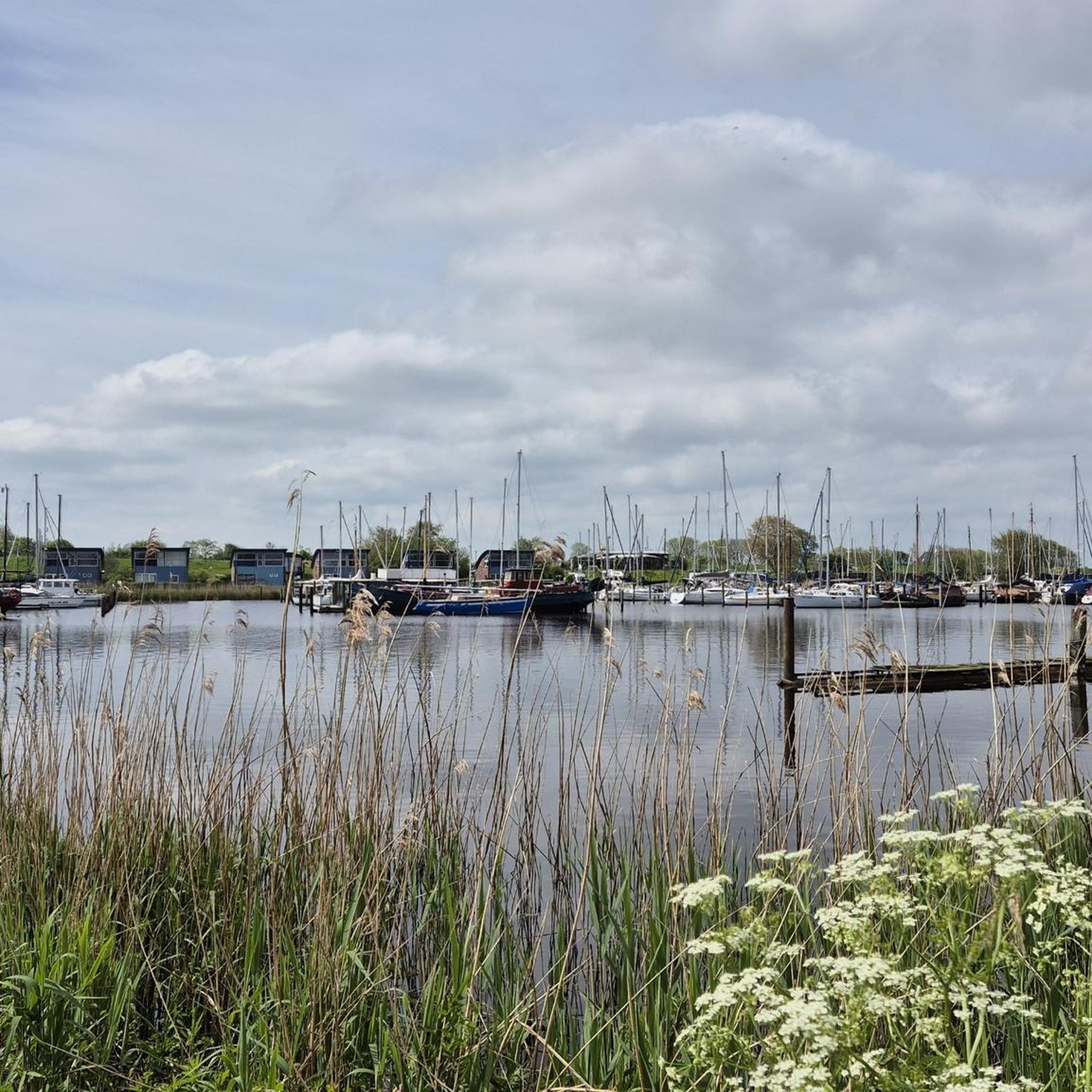
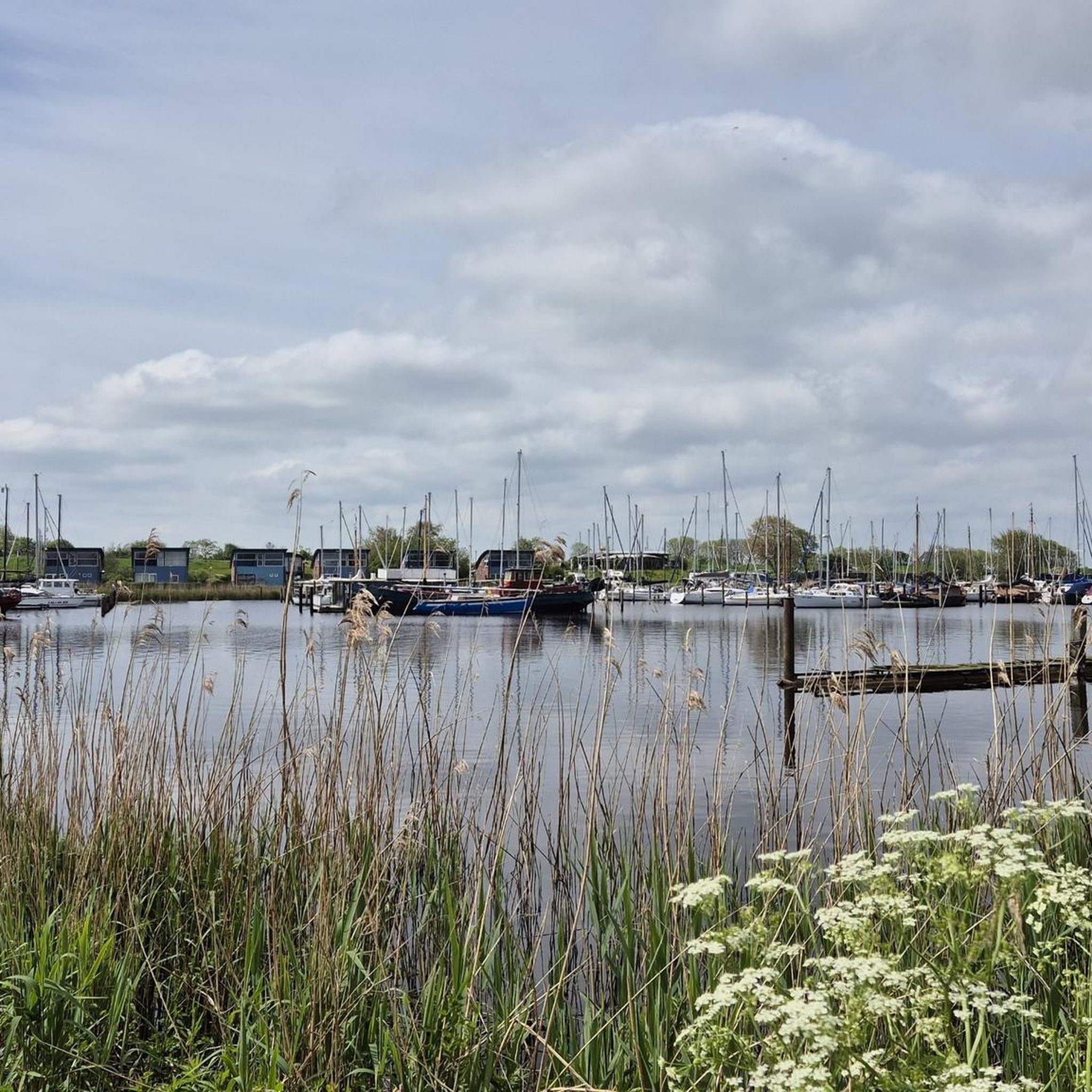
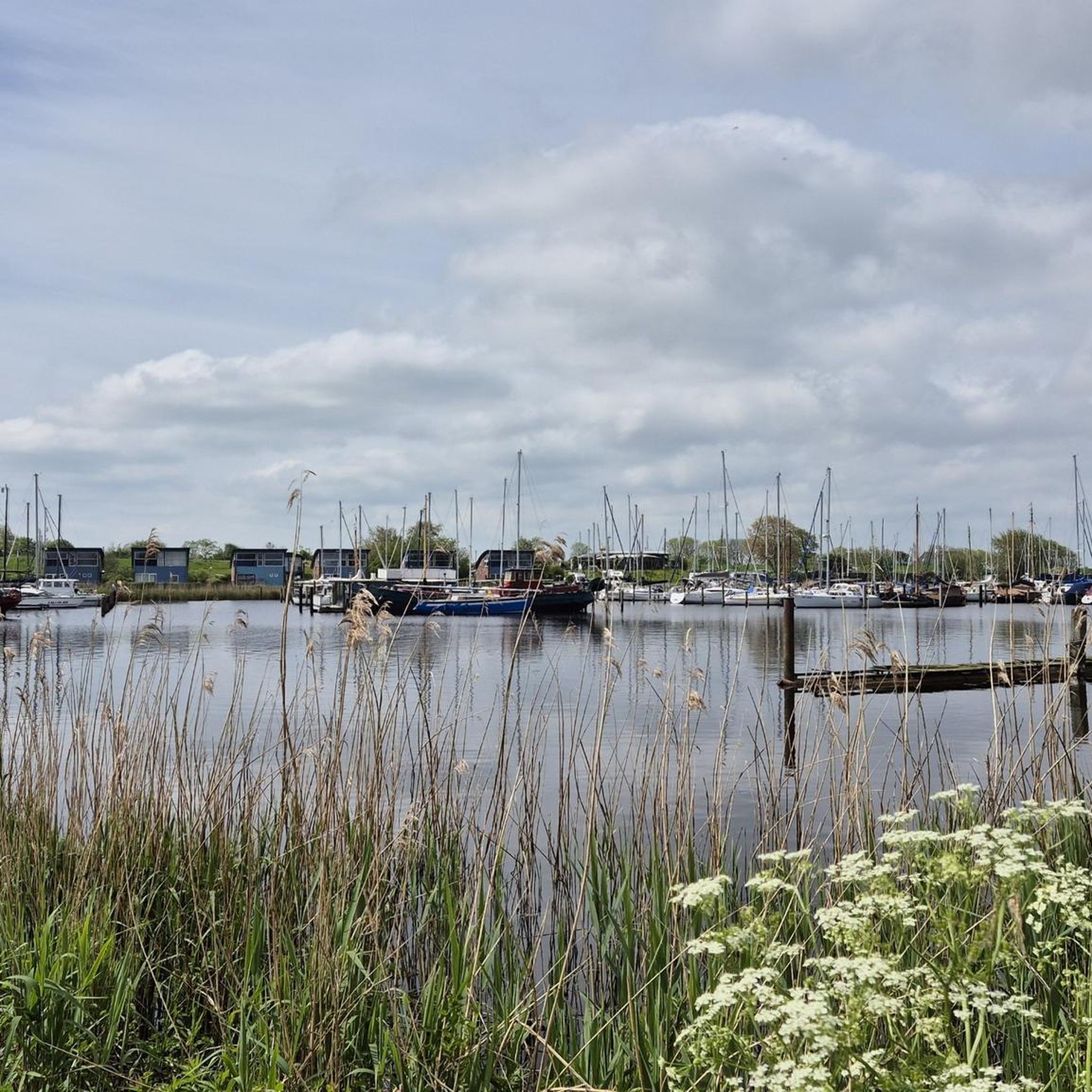
- The most popular attractions is Oostmahorn, a settlement that is a small village in the Dutch province of Friesland. It features holiday homes, some located directly in the water, and is near the pseudohistoric holiday town of Esonstad.
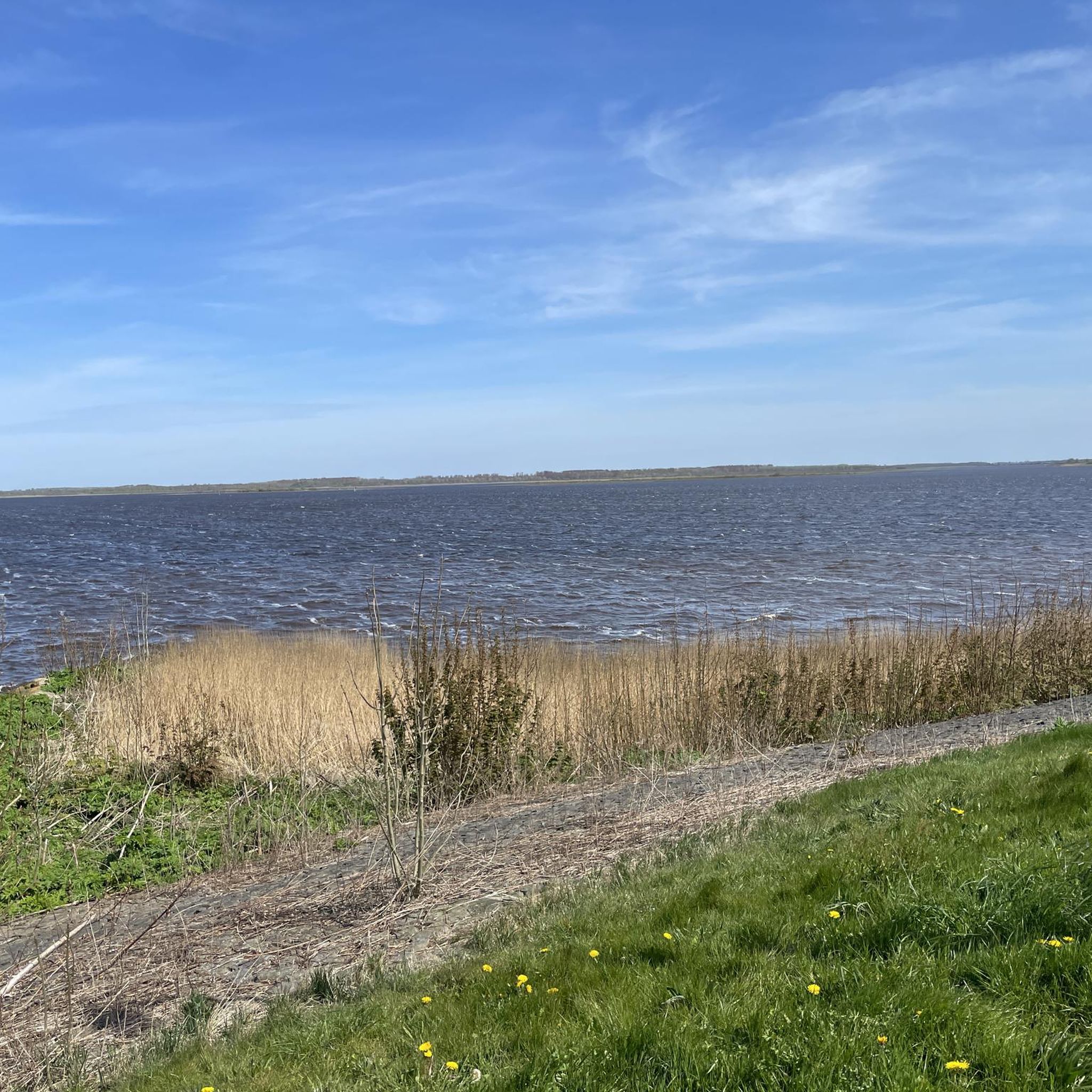
- Another must-see spot is Lauwersmeer Dike and Harbour, an other man-made structure. This dike, with its lock and harbor, offers views over the former Lauwerszee, which became a closed lake in 1969.
- Visitors also love R.J. Cleveringsluizen, a man-made monument. These sluices were constructed as part of the 13 km long closing dike that created the Lauwersmeer, ensuring drainage for the region.
- Lauwersmeer is known for its dikes, sluices, and settlements. The area offers a variety of attractions to see and explore, reflecting its unique geographical and historical development.
- The attractions around Lauwersmeer are appreciated by the komoot community, with more than 360 upvotes and 38 photos shared by visitors.
Last updated: May 26, 2026
Lauwersmeer Dike and Harbour
Highlight • Structure
Translated by Google •
Tip by

R.J. Cleveringsluizen
Highlight • Monument
Translated by Google •
Tip by

Sign up now to discover places like this
Get recommendations on the best single tracks, peaks, & plenty of other exciting outdoor places.
Sign up for free
Dike trail at Lauwersmeer National Park
Highlight (Segment) • Cycleway
Translated by Google •
Tip by

Landal Esonstad
Highlight • Settlement
Translated by Google •
Tip by

Oostmahorn
Highlight • Settlement
Translated by Google •
Tip by

Sign up for free to discover even more attractions around Lauwersmeer.
Sign up for free
Already have an account?
Start today with a free account
Your next adventure awaits.
Login or Signup

Tips from the Community

The lock, built in 1969, separates the Lauwersmeer from the North Sea.
1
1

To reach the northernmost part of the mainland, you have to go a bit further east, north of Uithuizen, where it's called "North Cape." There's a small monument there, and from North Cape, you can see the German Wadden Island (Ostfriesische Insel) of Borkum. But from this location, you can see the Dutch and Frisian islands of Schiermonnikoog. (Despite the fact that this island is almost entirely above Groningen, but that has a historical origin.)
0
0

Near Lauwersoog, on the Wadden Sea side, you can also cycle on asphalt!
1
1

When planning your trip, pay attention to the wind strength and direction. Riding against the wind can be extremely strenuous, even with battery support.
2
0

Story: After the Lauwerszee was closed in 1969, the Lauwersmeer was created. The drainage sluices ensure that the water from the Frisian bosom and the Electraboezem is pumped out into the Wadden Sea. This happens when the tide is low. The lock is in Lauwersoog. The locks are managed by the Noorderzijlvest Water Board. The lock complex was called Lauwers Weir until October 2, 2007. To this day it bears the name of R.J. Received Clevering (1914-2013), who was Chairman of the then Hunsingo Water Board from 1955 to 1979. In 2017 a major maintenance was started that would last several years.
2
1


South of Oostmahorn is the pseudohistoric holiday town of Esonstad with another camping site and on the west and southwestern side are two pseudo-mounds with holiday homes (Geuzenhoeke and Smokkelaarshoeke).
0
0

On the border of Groningen and Friesland you will find the R.J. Clevering sluices. After the storm surge of 1953, it was decided to strengthen the Dutch coastline. In 1960, the cabinet decided to close off the Lauwerszee by constructing a 13 km long closing dike, which would create the Lauwersmeer. The Lauwers locks were built to ensure drainage. On May 23, 1969, the Lauwerszee was finally closed under the watchful eye of Queen Juliana. In 2007 the name of the Lauwers locks was changed to the current name R.J. Clevering sluices.
1
0
Frequently Asked Questions
What family-friendly activities are available around Lauwersmeer?
The Lauwersmeer region offers several family-friendly options. You can visit the R.J. Cleveringsluizen, an impressive man-made structure that is wheelchair accessible. The Dike trail at Lauwersmeer National Park is also suitable for families, offering beautiful views. Additionally, the settlements of Landal Esonstad and Oostmahorn feature holiday parks and amenities designed for families.
Are there easy walking routes for beginners around Lauwersmeer?
Yes, there are several easy walking routes. For instance, you can enjoy the 'Oostmahorn – Oostmahorn water level gauge loop' (4.6 km) or the 'Lauwersmeer Loop Route – View of the Wadden Sea loop' (5 km). These are generally flat and offer scenic views of the lake and surrounding nature. You can find more options in the Hiking around Lauwersmeer guide.
What cycling routes can I explore near Lauwersmeer's attractions?
The region is excellent for cycling. The Dike trail at Lauwersmeer National Park is a beautiful cycle path. For longer rides, consider routes like the 'Lauwers Goose – Eanjum Windmill loop' (12.1 km) or the 'Eanjum Windmill – Lake Lauwersmeer loop' (8.8 km). Discover more cycling adventures in the Cycling around Lauwersmeer guide.
What historical or man-made structures are significant in the Lauwersmeer area?
The area's history is deeply tied to its transformation from a bay to a lake. Key structures include the Lauwersmeer Dike and Harbour, which offers views over the former Lauwerszee. The R.J. Cleveringsluizen are also historically significant, as they were crucial in the creation of the Lauwersmeer after the 1953 storm surge, ensuring regional drainage.
Can I find places with lake views for a break or coffee?
While specific cafes with lake views aren't detailed, many areas along the dike, such as the Dike trail at Lauwersmeer National Park, offer stunning vistas over the Lauwersmeer, perfect for a picnic or a break with your own refreshments. The harbor area near the Lauwersmeer Dike and Harbour also provides opportunities for scenic stops.
What are the best spots for wildlife photography in Lauwersmeer?
Lauwersmeer National Park is renowned for its diverse wildlife, especially birds. The transformation from a saltwater bay to a freshwater lake created unique habitats. Areas along the lake's edge and within the park's designated nature reserves are ideal for spotting and photographing various bird species and other local fauna.
What do visitors enjoy most about the attractions around Lauwersmeer?
Visitors frequently appreciate the beautiful views, especially from the dikes overlooking the Lauwersmeer and towards the Wadden Sea. The impressive engineering of structures like the R.J. Cleveringsluizen also receives positive comments. Many enjoy the tranquility and the opportunity for outdoor activities like cycling and walking along the scenic paths.
How long should I plan to spend at the main attractions in Lauwersmeer?
The time you spend can vary. For highlights like the Lauwersmeer Dike and Harbour or the R.J. Cleveringsluizen, a visit might range from 30 minutes to an hour to take in the views and learn about their history. If you plan to walk or cycle along the Dike trail or explore settlements like Landal Esonstad, you could easily spend half a day or more enjoying the area.
Are there any unique settlements or villages to visit in the region?
Yes, Oostmahorn is a small village with holiday homes, some directly on the water, and is near the pseudohistoric holiday town of Esonstad. Esonstad itself is built in the style of early Renaissance Frisian fortified towns, offering a unique architectural experience with a lively marketplace and various accommodations.
What should I pack for a day trip to Lauwersmeer?
Given the outdoor nature of the region, it's advisable to pack layers of clothing, as the weather can change. Comfortable walking or cycling shoes are essential for exploring trails and dikes. Don't forget sun protection, a reusable water bottle, and binoculars for birdwatching. A camera is also recommended to capture the scenic landscapes and wildlife.
Is Lauwersmeer National Park suitable for running?
Absolutely. The flat terrain and scenic paths around Lauwersmeer National Park make it ideal for running. You can find various routes, including moderate ones like the 'Lake Lauwersmeer – Landal Esonstad Holiday Park loop' (8.6 km) or the 'Landal Esonstad Holiday Park – Lauwersmeer Viewpoint loop' (9.8 km). More running options are available in the Running Trails around Lauwersmeer guide.
How does Lauwersmeer compare to the Wadden Sea for visitors?
While both are significant natural areas, Lauwersmeer offers a unique perspective as a former bay now a closed lake, providing a mix of freshwater and land-based activities within a National Park. It's known for its dikes, sluices, and diverse birdlife. The Wadden Sea, on the other hand, is a dynamic tidal landscape, famous for mudflat hiking and its direct connection to the sea. Lauwersmeer provides a more accessible and contained natural experience, often serving as a gateway to the Wadden Sea islands.
Most popular routes around Lauwersmeer

Get inspired with the komoot mobile app


Explore more
Still not found the Highlight you’re looking for? See guides of the top attractions in other regions:
