The best cycling routes around Mühlen Eichsen
4.6
(1130)
4,932
riders
14
rides
Touring cycling around Mühlen Eichsen offers routes through a landscape shaped by glacial formations, including numerous lakes and ancient forests. The region is characterized by tranquil natural beauty, with the Stepenitz river flowing through areas like the Dalbergkuhle and Groß Eichsener See. Cyclists can expect varied terrain with gentle elevation changes, making it suitable for active exploration.
Best touring cycling routes around Mühlen Eichsen
- The most popular touring cycling route is Johanniter Church Groß Eichsen – Tree-Lined Avenue loop from…
Last updated: August 17, 2026
5.0
(1)
16
riders
36.0km
02:07
140m
140m
Moderate bike ride. Good fitness required. Mostly paved surfaces. Suitable for all skill levels.
4.0
(1)
12
riders
28.2km
02:02
130m
130m
Moderate bike ride. Good fitness required. Mostly paved surfaces. Suitable for all skill levels.

Sign up for free
4.0
(3)
14
riders
Easy bike ride. Great for any fitness level. Mostly paved surfaces. Suitable for all skill levels.
5.0
(1)
7
riders
37.4km
02:13
180m
180m
Moderate bike ride. Good fitness required. Mostly paved surfaces. Suitable for all skill levels.
5.0
(2)
10
riders
Easy bike ride. Great for any fitness level. Mostly paved surfaces. Suitable for all skill levels.
Get access to more routes and recommendations from other explorers.
Sign up for free
Already have an account?
Our route recommendations are based on thousands of hikes, rides, and runs completed by other people on komoot.
Start today with a free account
Your next adventure awaits.
Login or Signup
Tips from the Community

Today's Mühlen Eichsen was merely a mill farmstead when it was first mentioned under the name Molnecsen. In 1639, Duke Adolf Friedrich I sold the estate to the Gadebusch bailiff Hundt. From 1680 to 1781, the von Schwartz family resided here, followed by the von Thienen family, from 1791 the von Könemann family, and from 1817 the von Leers family. They were also the ones who had the manor house, very typical for that time, built in the mid-19th century in Neo-Gothic architecture with pointed arch windows. In the 1930s, the estate was resettled. After 1945, the manor house served communal purposes and as a residential building. After 1989, it was partially renovated and then used by the municipality. In March 2006, the association for the support of mentally ill and disabled people in Nordwestmecklenburg opened a social-therapeutic facility here. The manor house is surrounded by a well-kept park. In the immediate vicinity stands a church from the 13th century. The former water mill is now purely a residential building; the mill technology has not been preserved. South of Mühlen Eichsen is a cremation burial ground. From about 600 BC to 100 AD, approximately 5,000 burials took place here.
0
0

Not only interesting for railway enthusiasts
1
0

There is a sculpture here that shows a so-called coin striker.
1
0

The Gadebusch church was built around 1225, at the same time as the Vietlübber church, by Duchess Agnes of Mecklenburg and Queen of Sweden, with the oldest sections dating back to 1215. No other Mecklenburg town church exhibits as much "Romanesque" style as the Gadebusch church. The western chapel dates from 1445. The bronze fifth, the wooden baptismal vestment from 1659, the pulpit from 1697, remains of choir stalls from before 1461, limestone gravestones with brass inlays of the deceased, and valuable paintings of sacred themes – these are just a few of the numerous furnishings of this church, which has been extensively restored since 1955.
0
0

The historic Gadebusch station opened on October 12, 1897, and is a remarkable testament to Mecklenburg's railway history. It was built on the Schwerin–Rehna railway line, operated by the Grand Ducal Mecklenburg Friedrich-Franz Railway. The listed building impresses with its elaborate architecture, featuring a half-timbered upper story and a striking turret. After years of vacancy and impending decay, the station was sold and extensively renovated in 2009. Since May 2012, it has housed the "Station Burgsee" restaurant and has been transformed into a lovingly designed adventure station. A special highlight for visitors—especially those on bike tours—are the two historic sleeping cars on site: a former GDR government train from 1968 with six sleeping compartments, and a faithfully restored Orient Express car from 1941. Both can now be booked as exceptional overnight accommodations. Anyone taking a cycling tour through West Mecklenburg should definitely plan a cultural detour to Gadebusch station – whether for a coffee break in a historic setting or a special overnight stay with railway flair.
1
0

On July 2, 2011, the Münzschlägerbrunnen was ceremoniously unveiled on the north-east side of the Gadebusch town hall. The fountain and its figure (a naked, muscular man) are made of bronze and reach a height of 210 cm with the 80 cm high granite base. It illustrates the history of the city, which had a mint in the Middle Ages (1542 to 1624), in a slightly exaggerated depiction. The work of art, which was inaugurated on the occasion of the 2011 coin festival, was donated to the city by the Sparkasse Foundation and the Schotte family from Gadebusch. The family had commissioned the sculptor Wolfgang Knorr to create it. Description: “65 copies of original coins stored in the Schwerin coin cabinet adorn the base.” The person who came up with the idea, Gerhard Schotte, was allowed to make silicone impressions of the coins for the work of art in the coin cabinet. Each coin reproduced here refers to people from contemporary history such as Albrecht the Fair (1542), Johann Albrecht I or Adolf Friedrich I, Duke of Mecklenburg. The man with the strong arm checks the embossed image again before striking and lifts the stamp again. - Knorr has designed a small wing on the left shoulder blade of the striker, placing his depiction somewhat in the mythical realm. In 2016, visitors to the city were able to purchase a re-stamping of the 1549 coin, which is considered a Reformation thaler. The suggestion came from the city church's support association, which also received the proceeds. https://de.wikipedia.org/wiki/Gadebusch
2
0

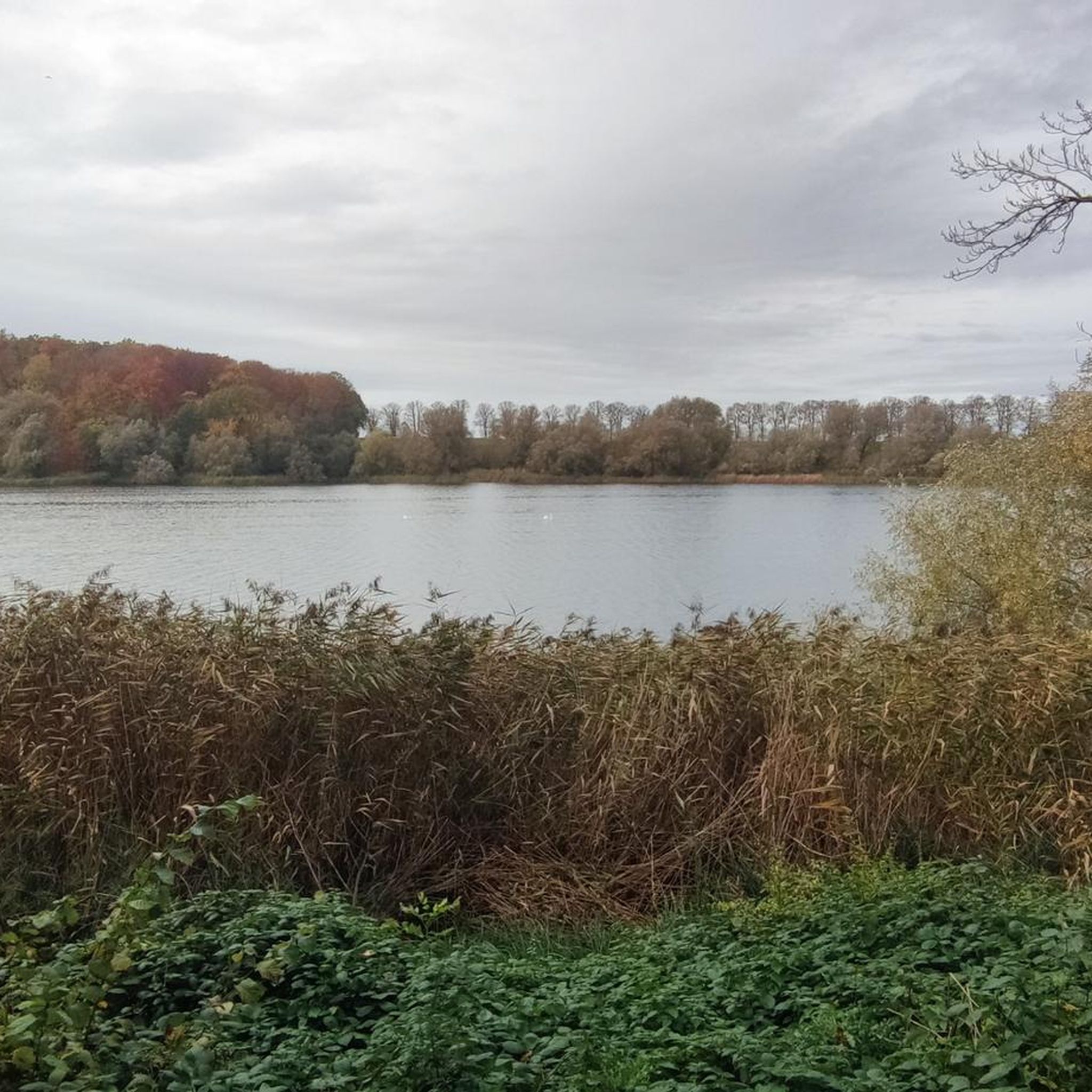
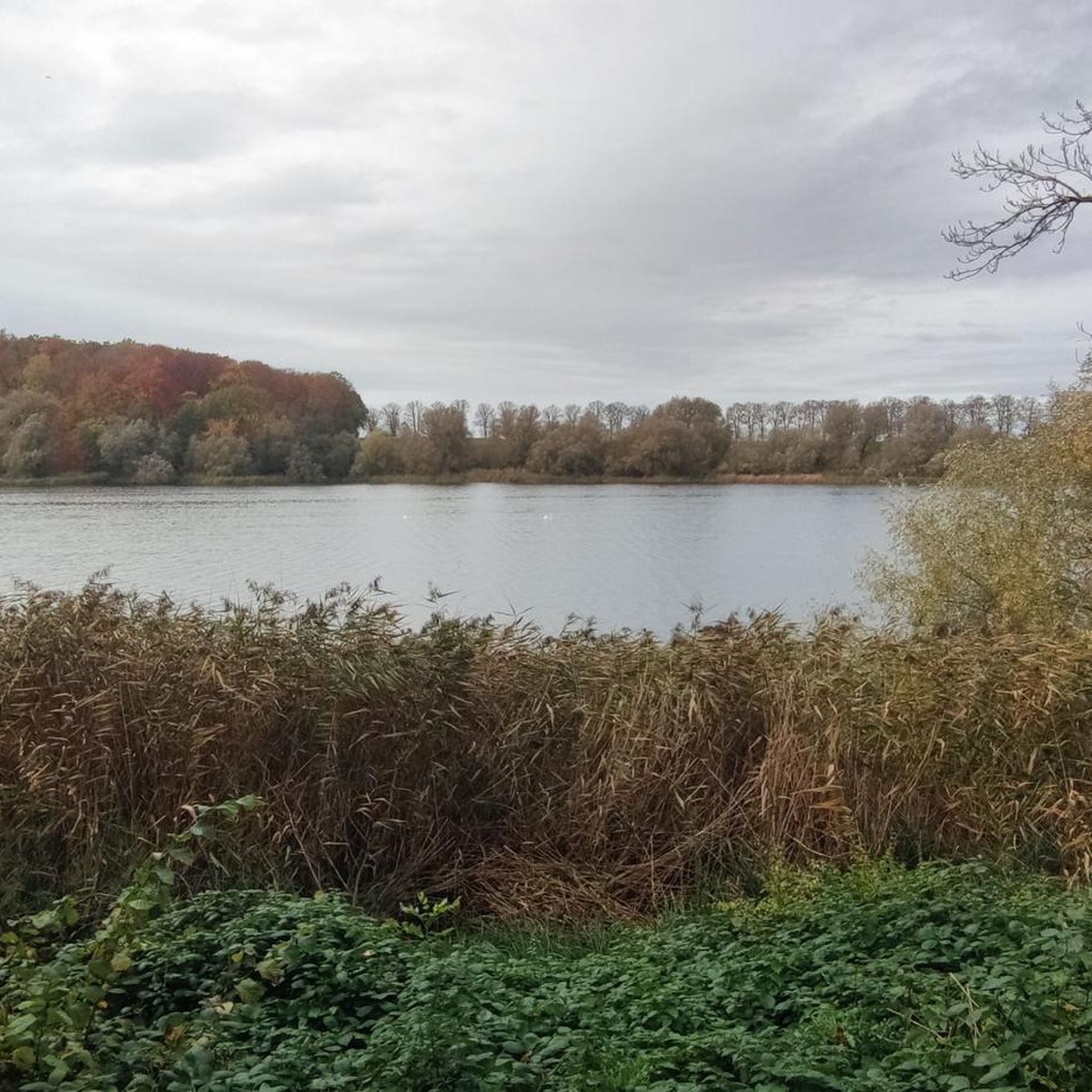
Quiet, low-traffic and very scenic country road!
0
0
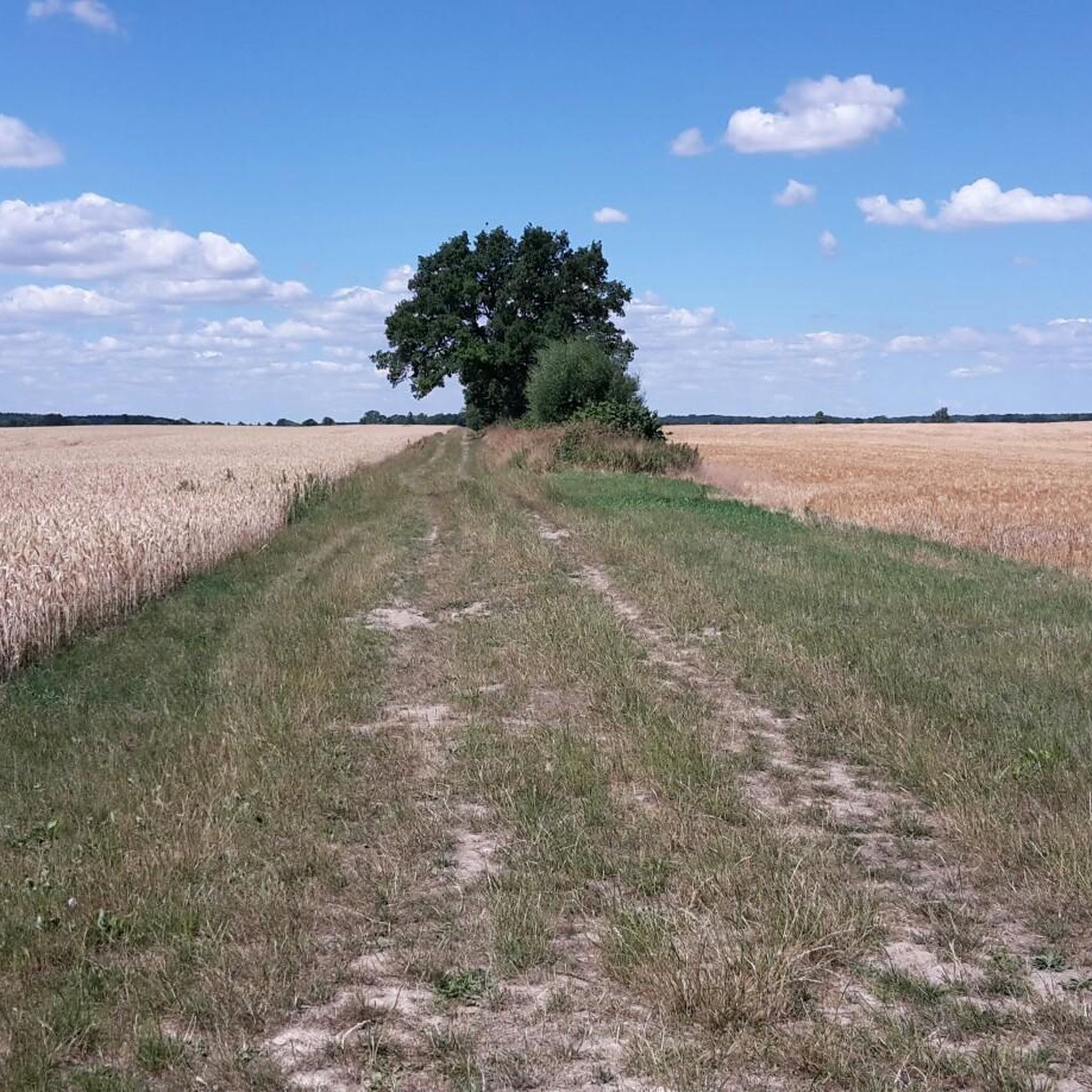
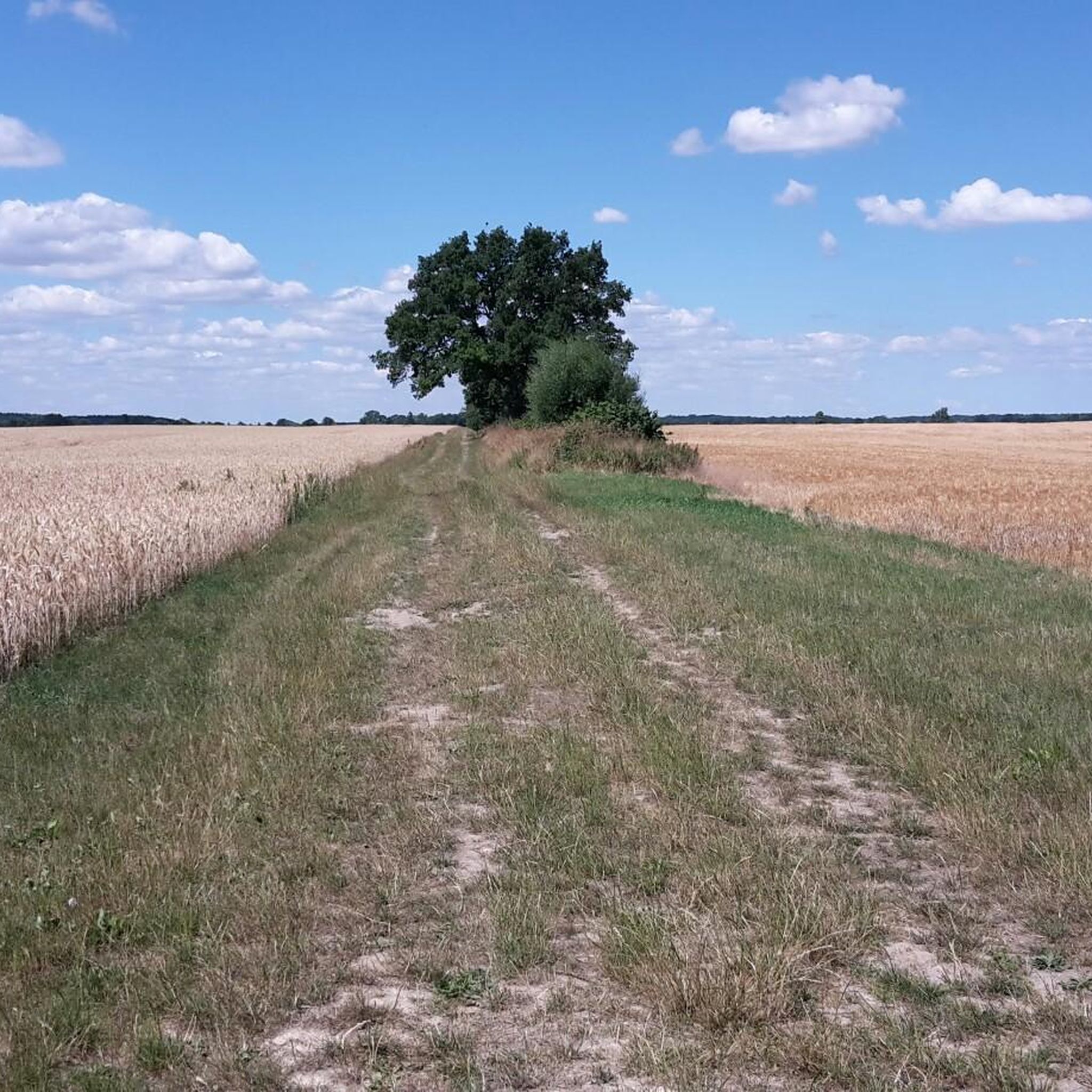
A cycle path alongside the road that is easy to ride on. Although there was hardly any traffic on the road itself today!
0
0
Frequently Asked Questions
How many touring cycling routes are available around Mühlen Eichsen?
There are over a dozen touring cycling routes around Mühlen Eichsen, with 15 routes currently listed on komoot. These routes cater to various preferences, ranging from easy to moderate difficulty, allowing cyclists to explore the region's tranquil natural beauty.
What kind of terrain and elevation can I expect on touring cycling routes in Mühlen Eichsen?
The terrain around Mühlen Eichsen is characterized by glacial formations, ancient forests, and numerous lakes, offering varied but generally gentle elevation changes. Routes are mostly easy to moderate, with one route considered difficult, making the area suitable for active yet relaxing exploration.
Are there any circular touring cycling routes in the area?
Yes, many of the touring cycling routes around Mühlen Eichsen are designed as loops. For example, the Johanniter Church Groß Eichsen – Tree-Lined Avenue loop from Dalberg is a popular moderate route, and the Quiet Country Road – Mühlen Eichsen Village Church loop from Mühlen Eichsen offers an easier option.
What natural features or landmarks can I see while cycling around Mühlen Eichsen?
The region is rich in natural beauty and historical sites. You can cycle past the tranquil Lake Neumühler, a glacial lake known for otters, or explore areas along the Stepenitz river. Historical landmarks include the Cramon village church and the Gadebusch Historic Train Station, now a restaurant.
Are there family-friendly touring cycling routes in Mühlen Eichsen?
Yes, Mühlen Eichsen offers several easy touring cycling routes suitable for families. These paths often lead through quiet country roads and natural settings, providing a pleasant experience for all ages. The Quiet Country Road – Mühlen Eichsen Village Church loop from Mühlen Eichsen is an easy 18.2 km option.
What is the best time of year to go touring cycling in Mühlen Eichsen?
The region's diverse landscapes, including lakes and forests, are particularly enjoyable during spring, summer, and early autumn. These seasons offer pleasant weather for exploring the tranquil natural beauty and historical sites. Always check local weather conditions before heading out.
What do other cyclists say about touring cycling in Mühlen Eichsen?
The touring cycling routes in Mühlen Eichsen are highly rated by the komoot community, with an average score of 4.6 stars from over 850 reviews. Cyclists often praise the tranquil natural settings, varied terrain, and the opportunity to explore both natural features and historical landmarks.
Are there any routes that pass through towns or offer urban exploration?
Yes, some routes allow you to explore local towns and their surroundings. For instance, the Gadebusch Town Hall – Gadebusch Market Square loop from Mühlen Eichsen is a moderate route that takes you through the town of Gadebusch, where you can see the Gadebusch Town Hall.
Can I find routes that connect to larger cities or other significant areas?
Yes, some routes extend beyond the immediate vicinity of Mühlen Eichsen. The Schwerin Central Station – Ziegelsee (Inner Lake), Schwerin loop from Mühlen Eichsen is a longer, moderate route that takes you towards Schwerin, offering a different kind of touring experience.
Are there any routes that feature historical manor houses or castles?
Absolutely. The region has a rich history, and you can find routes that pass by historical estates. The Plüschow Castle – Diedrichshagen Church loop from Mühlen Eichsen is a moderate route that allows you to see Plüschow Castle, a notable historical site in the area.
What are the typical distances of touring cycling routes in Mühlen Eichsen?
The routes vary in length to suit different cycling preferences. You can find shorter, easy routes like the 18.2 km Quiet Country Road – Mühlen Eichsen Village Church loop from Mühlen Eichsen, or longer, moderate options such as the 43.8 km Schwerin Central Station – Ziegelsee (Inner Lake), Schwerin loop from Mühlen Eichsen.
Most popular attractions around Mühlen Eichsen

Get inspired with the komoot mobile app


Explore more
Browse the best Cycling routes in other regions.
