The best traffic-free bike rides around Lidzbark Warmiński
4.0
(2)
72
riders
3
rides
No traffic road cycling routes around Lidzbark Warmiński traverse a landscape characterized by moraine hills, lush forests, and expansive fields. The region is situated at the confluence of the Łyna and Symsarna rivers, offering scenic river valleys. Road cyclists can expect varied terrain, including quiet local roads and dedicated cycleways, with some routes featuring considerable elevation changes.
Best no traffic road cycling routes around Lidzbark Warmiński
- The most popular no traffic road cycling route is Lidzbark Warmiński Castle loop from Lidzbark Warmiński, a 31.3 miles (50.3 km) trail that takes 2 hours 11 minutes to complete. This moderate route features over 1,200 feet (370 meters) of elevation gain.
- Another top favourite among local road cyclists is Lidzbark Warmiński Castle – Stoczek Monastery loop from Lidzbark Warmiński, a moderate 39.9 miles (64.2 km) path. This route includes significant elevation changes, passing through varied terrain.
- Local road cyclists also love the Roadbike loop from Lidzbark Warmiński, a 11.5 miles (18.5 km) trail leading through the local countryside, often completed in about 57 minutes. This easy route is suitable for a quicker ride.
- Road cycling around Lidzbark Warmiński is defined by moraine hills, river valleys, and quiet local roads. The network offers options for different ability levels, from easy loops to more challenging routes with notable elevation.
- The routes in Lidzbark Warmiński are highly rated by the komoot community with an average score of 4.0 stars from 2 reviews. More than 70 road cyclists have used komoot to explore Lidzbark Warmiński's varied terrain.
Last updated: October 30, 2026
16
riders
50.3km
02:12
370m
370m
Moderate road ride. Good fitness required. Mostly well-paved surfaces and easy to ride.
2
riders
Moderate road ride. Good fitness required. Some segments of this route may be unpaved and difficult to ride.

3
riders
18.5km
00:56
130m
130m
Easy road ride. Mostly well-paved surfaces and easy to ride.
Our route recommendations are based on thousands of hikes, rides, and runs completed by other people on komoot.
Start today with a free account
Your next adventure awaits.
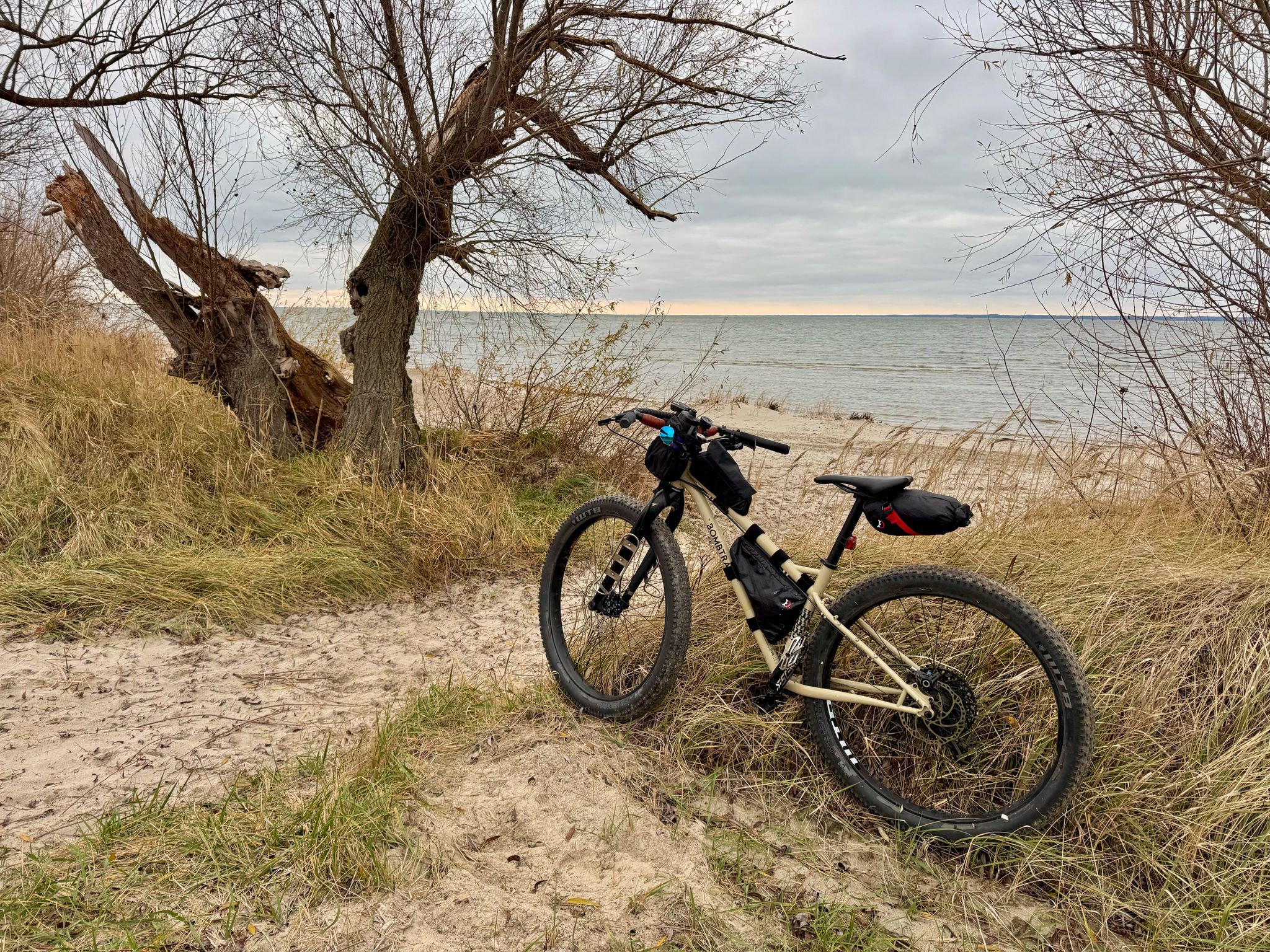
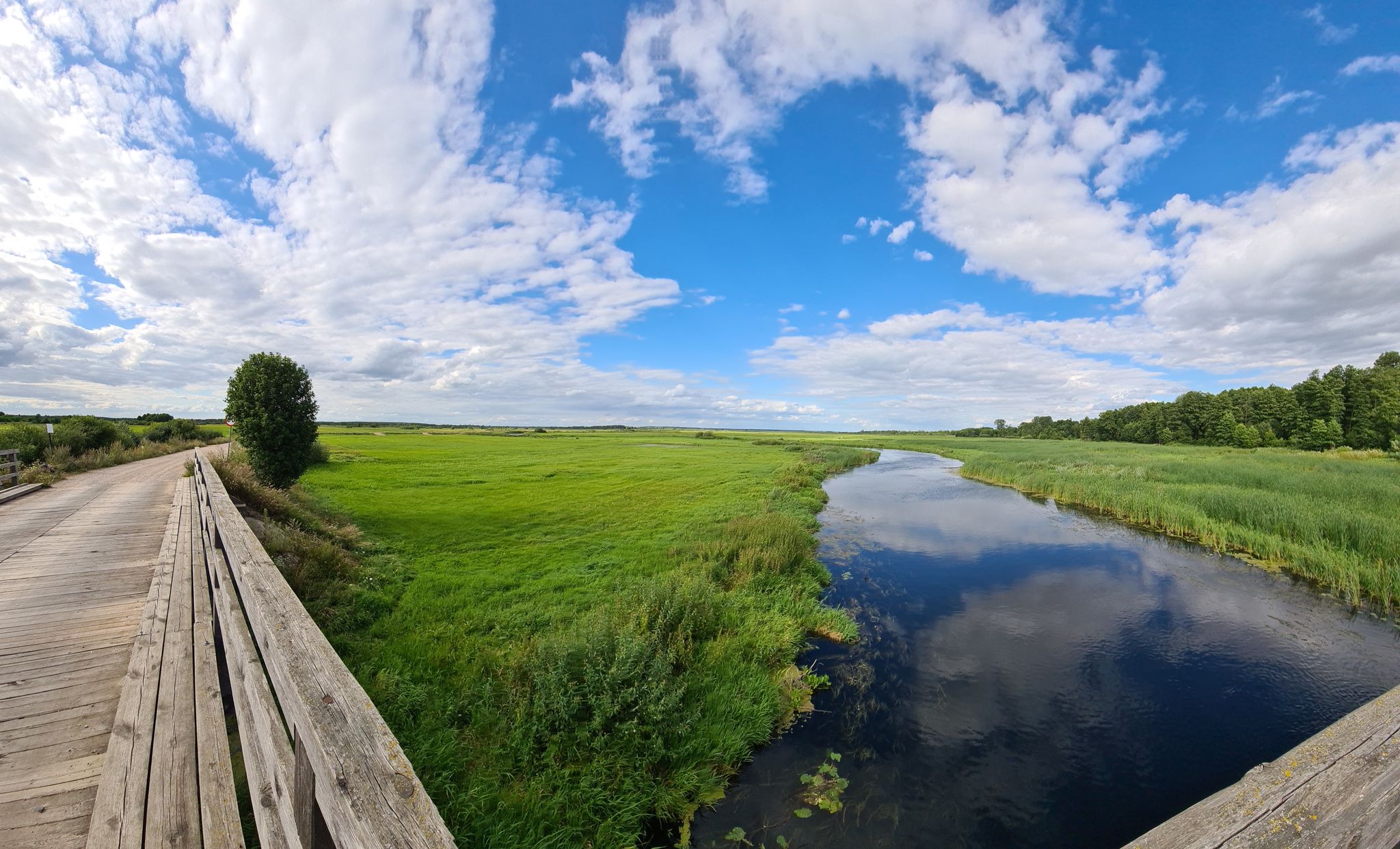
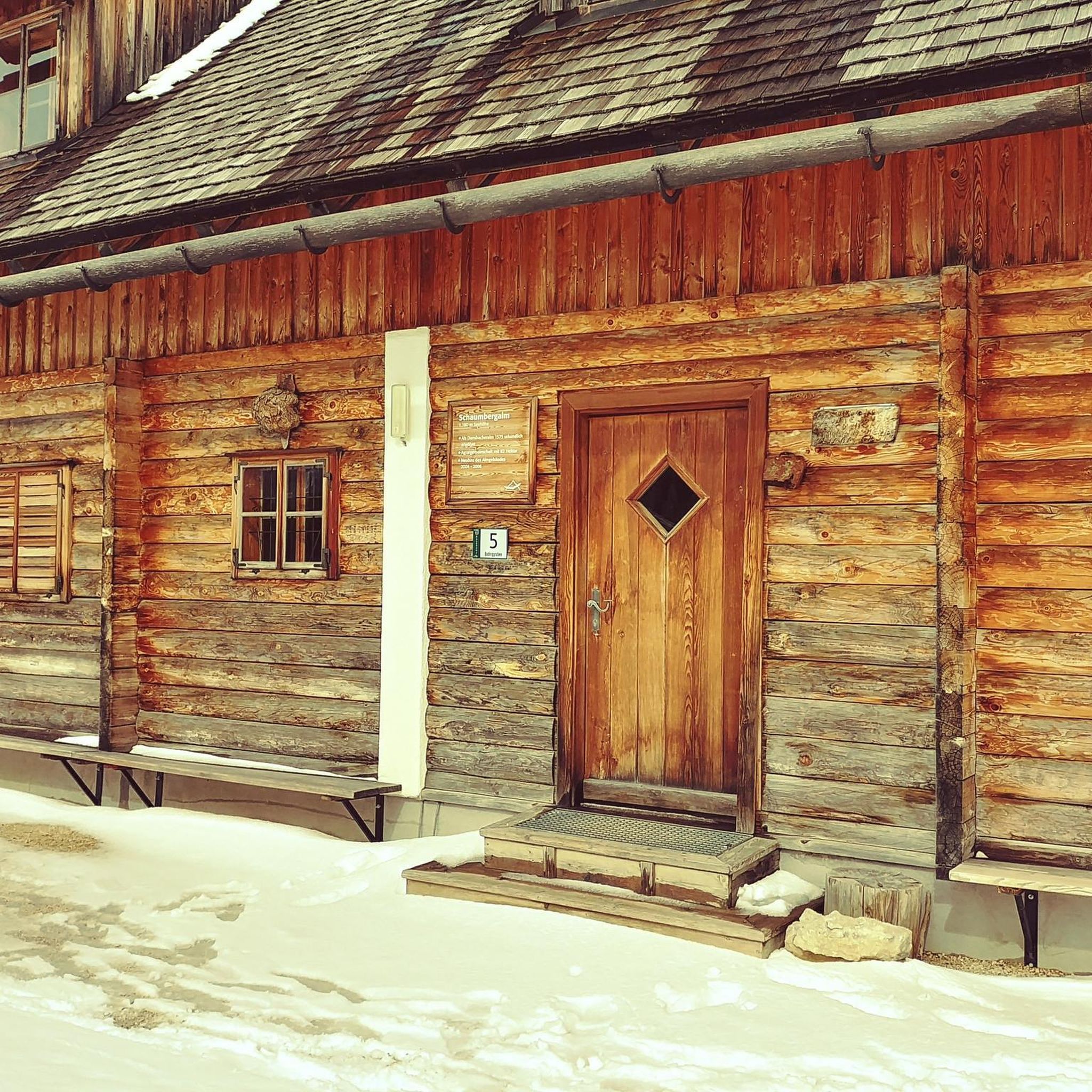
Other adventures around Lidzbark Warmiński


Tips from the Community

The Bernardine Monastery (a branch of the Franciscans) in Stoczek Klasztorny is one of the most important places related to the history of the Church in Poland. In the years 1953–1954, it was the place of internment for Primate Stefan Wyszyński, the head of the Catholic Church in Poland in the mid-20th century, by the communist authorities. Currently, the monastery houses a museum dedicated to his stay and the preserved internment cell. The physical conditions that Wyszyński had in this prison were significantly better than those of other opposition activists. I don't understand why this insignificant 2-year period of imprisonment is the object of such veneration. A place worth visiting. Especially since the sanctuary and monastery are currently under the care of the Marian Fathers (Congregation of Marian Fathers of the Immaculate Conception of the Blessed Virgin Mary), who have served there since 1959.
0
0

In this village founded on November 18, 1349 by the Bishop of Warmia, there are around 330 inhabitants. The place is surprising, because it also houses the sanctuary of Our Lady of Peace. Before the construction of the imposing church, there was only a modest chapel dedicated to the Virgin Mary. The title of minor basilica was awarded to the church by Pope John Paul II on May 19, 1987.
0
0
This imposing castle once belonged to the Teutonic Order. Over the centuries and through successive successions, it became the property of the princes, and later the bishops of Varnia. For about seven years, the castle served as the residence of the famous astronomer Nicolaus Copernicus. The residence was then owned by his uncle Lukáš Vatzenrode. Between 1858 and 1932, the palace was used as an orphanage and a hospital. World War II brought its own changes, transforming the castle into a prison for Soviet soldiers. Part of the immense palace is occupied by a 4-star hotel. The other part is a museum. The residence also has a spa. Here, you can combine business with pleasure. Enjoy your visit and have a wonderful stay!
4
0

Stoczek Warmiński - the first place of imprisonment of Primate Stefan Wyszyński (September 25, 1953 - October 6, 1954)
0
0
The Bishops' Castle in Lidzbark Warmiński, dating back to the 14th century, has great artistic and historical value on a global scale and has been recognized as a historical monument. There is the Museum of Warmia and Mazury. The outer bailey has been adapted into a four-star hotel. The castle is surrounded by a moat with numerous footbridges and bridges, with a climate reminiscent of the famous Venice, which should be especially appreciated by couples in love.
0
0

Beautifully restored Ordensburg with a hotel section. The castle can be visited. Simple, small museum and definitely worth seeing if you have the time. Features a beautiful courtyard and premises.
2
0
At the latest since the beginning of the 17th century there was a Marienkapelle with a statue of Mary near Springborn, which was visited by pilgrims. Bishop Szyszkowski had a round stone church built on the site of the chapel in 1639-1641 as a votive offering after the end of the First Polish-Swedish War. The church was handed over to the St. Bernards from Wartenburg. Initially, the monks lived in wooden buildings until 1666, when Bishop Jan Wydżga donated the stone monastery buildings. From 1708 onwards, under Bishop Zaluski, a cloister with four corner chapels was built around the church, based on the example of Saint Linde. The construction was completed under Bishop Teodor Andrzej Potocki. During his tenure, the monastery was expanded, which as a four-wing complex with an inner courtyard adjoins the cloister to the east. In 1716 Bishop Potocki dedicated the church to "Mary, the Queen of Peace" (Regina Pacis). The pilgrimage site experienced its heyday in the 1740s and 1750s, when it almost equaled Heiligenlinde in popularity. After the secularization of the religious orders in Prussia, the state took over the church and monastery (the last religious died in 1826). During the tenure of Bishop Andreas Stanislaus von Hatten (1838-1841), however, the church and monastery were returned to the Diocese of Warmia. In 1870 Bishop Philipp Krementz handed over the monastery to Lazarists from the Rhineland. As a result of the Kulturkampf, they had to withdraw three years later. In 1909 the cloister tracts were increased by one floor, in 1913 the cloister received an extension on the garden side. In 1926 the complex was handed over to the Franciscans. From October 1953 to October 1954 the primate of Poland, Cardinal Stefan Wyszyński, was interned in the monastery by the communists. He occupied rooms on the first floor of the monastery and was attended by a priest and a nun. After Radio Free Europe made the primate's whereabouts public, he was taken to Prudnik in Upper Silesia. In 1987, Pope John Paul II gave the church the rank of minor basilica (Wikipedia).
1
0
Impressive facility with potential to visit!
3
0
Frequently Asked Questions
How many no traffic road cycling routes are available around Lidzbark Warmiński?
There are currently 3 dedicated no-traffic road cycling routes around Lidzbark Warmiński featured in this guide. These routes offer a mix of easy and moderate challenges, allowing you to explore the region's quiet roads and scenic landscapes.
What kind of terrain can I expect on no-traffic road cycling routes in Lidzbark Warmiński?
The region around Lidzbark Warmiński features picturesque moraine hills, creating varied terrain with ascents and descents. While you'll find smooth asphalt sections, some routes may include quiet local roads or even well-maintained dirt roads, offering a diverse cycling experience through forests, fields, and the scenic Łyna river valley.
Are there any easy, no-traffic road cycling routes suitable for beginners or families?
Yes, there is an easy route perfect for those seeking a less strenuous ride. The Roadbike loop from Lidzbark Warmiński is just over 18 km long and features manageable elevation changes, making it ideal for a relaxed outing.
What historical landmarks can I see along the no-traffic road cycling routes?
Several routes pass by significant historical sites. For instance, the Lidzbark Warmiński Castle loop takes you near the impressive Lidzbark Warmiński Castle. Another route, the Lidzbark Warmiński Castle – Stoczek Monastery loop, leads to the historic Stoczek Monastery and the Basilica of Our Lady of Peace.
Are there any unique natural features or viewpoints along these routes?
The region, known as the "Green Lungs of Poland," offers lush forests and expansive fields. While specific viewpoints are not highlighted, the varied moraine hills provide scenic vistas, especially along the Łyna river valley. You'll experience unspoiled natural environments throughout your ride.
What is the best time of year for no-traffic road cycling in Lidzbark Warmiński?
Spring, summer, and early autumn are generally the best times for road cycling in Lidzbark Warmiński. During these seasons, the weather is most favorable, and the natural landscapes are at their most vibrant. Always check local weather forecasts before heading out.
Are there any longer, more challenging no-traffic road cycling routes?
Yes, for those seeking a greater challenge, two moderate routes are available. The Lidzbark Warmiński Castle – Stoczek Monastery loop spans over 64 km with significant elevation, while the Lidzbark Warmiński Castle loop is around 50 km, both offering rewarding rides through varied landscapes.
What do other cyclists say about road cycling in Lidzbark Warmiński?
The area is highly rated by the komoot community, with an average score of 4.0 stars. Cyclists often praise the quiet roads, the beautiful natural scenery, and the opportunity to combine cycling with visits to historical sites like the Lidzbark Warmiński Castle.
Are there any circular no-traffic road cycling routes available?
Yes, all the no-traffic road cycling routes featured in this guide are circular, meaning they start and end in Lidzbark Warmiński. This makes planning your ride convenient, as you'll return to your starting point without needing additional transport.
Can I find cafes or places to rest along the no-traffic road cycling routes?
While the routes focus on quiet, no-traffic roads, you will find amenities in Lidzbark Warmiński itself. For longer routes, such as the one leading to Stoczek Klasztorny, there may be opportunities for breaks near the monastery. It's always advisable to carry sufficient water and snacks, especially on longer rides.
Is there parking available near the starting points of these routes?
Lidzbark Warmiński offers various parking options within the town. As all routes start and end in the town, you can typically find suitable parking close to the main attractions or town center, providing convenient access to the cycling paths.
Are there any specific safety considerations for road cycling in this region?
While these routes are selected for their low traffic, it's always important to be aware of your surroundings, especially on shared paths or when crossing minor roads. The varied terrain with moraine hills means some sections may have noticeable ascents and descents, so ensure your bike is in good condition and you're comfortable with the elevation changes.
Most popular routes around Lidzbark Warmiński
Most popular attractions around Lidzbark Warmiński

Get inspired with the komoot mobile app


