The best traffic-free bike rides in Rezerwat Kałeckie Błota
5
riders
1
ride
Gravel biking in Rezerwat Kałeckie Błota offers routes through distinctive wetland landscapes and varied terrain. The region is characterized by extensive wetlands, including willow scrub and sedge peat bogs, providing a unique backdrop for cycling. These marshy environments often feature unpaved sections and varied riding conditions, with gentle elevations suitable for gravel bikes. The area is also a faunistic and ornithological reserve, allowing for wildlife observation during rides.
Best no traffic gravel bike trails in Rezerwat Kałeckie Błota
- The most…
Last updated: August 28, 2026
2
riders
32.2km
02:39
140m
140m
Moderate gravel ride. Good fitness required. Mostly paved surfaces. Suitable for all skill levels.
5.0
(1)
2
riders
31.3km
01:56
200m
200m
Moderate gravel ride. Good fitness required. Mostly paved surfaces. Suitable for all skill levels.

Sign up for free
1
riders
53.2km
03:21
210m
210m
Moderate gravel ride. Good fitness required. Mostly paved surfaces. Suitable for all skill levels.
Our route recommendations are based on thousands of hikes, rides, and runs completed by other people on komoot.
Start today with a free account
Your next adventure awaits.
Login or Signup
Popular around Rezerwat Kałeckie Błota
Tips from the Community

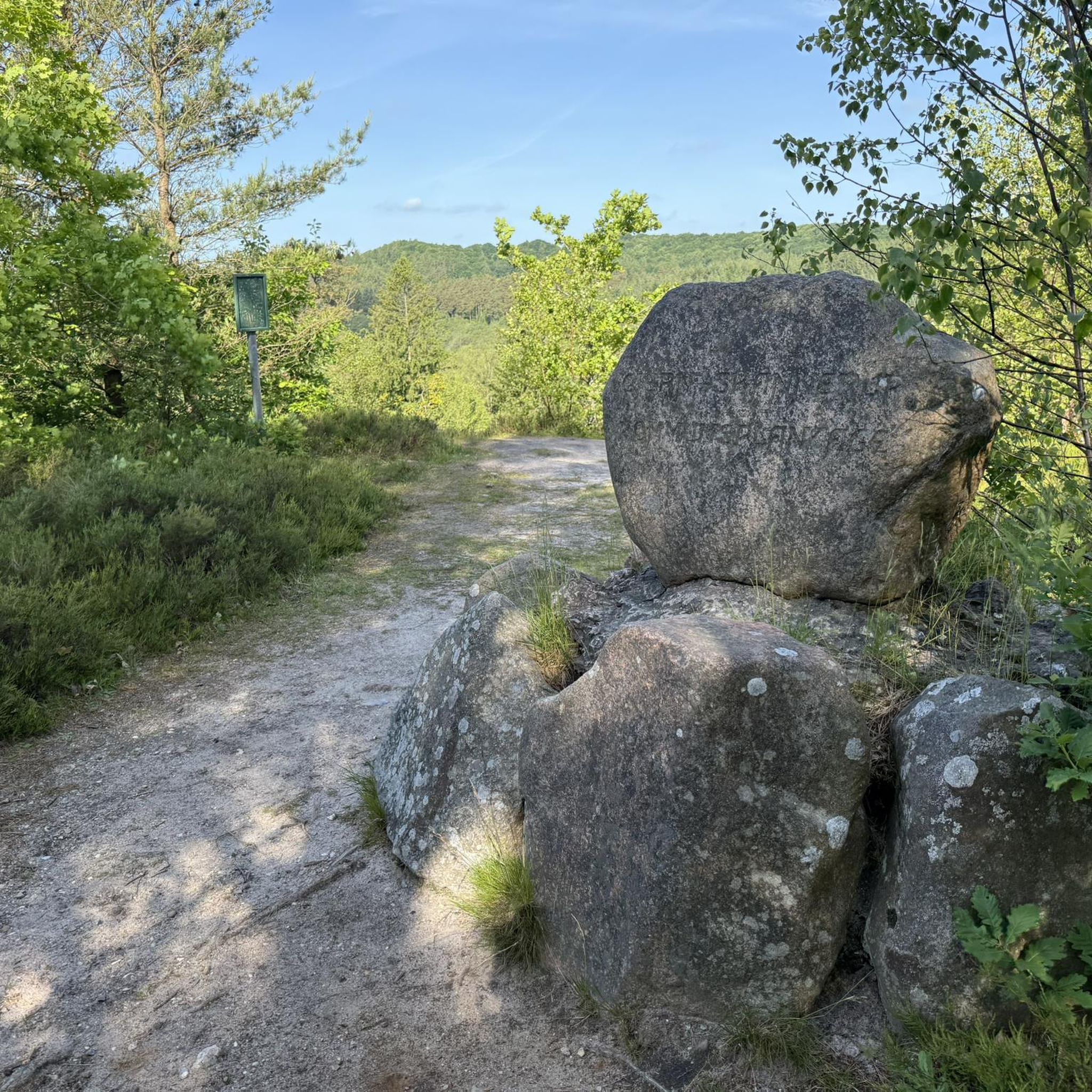
Further on you can see the Russian side
0
0
A beautifully restored park and palace complex that once belonged to the Siegfried family.
0
0

The Baroque style town hall was built in 1772-1775. The first mention of the building in this place dates back to 1608. Srokowo itself is a historical town from 1397 (in 1405 - the city rights were granted by the Teutonic Grand Master Konrad V von Jungingen)
2
0

Gentle green hills and blue lakes where the sky is reflected on the water surface. A glorious sight. Not to forget the tranquility that you will find here.
1
0
The Masurian Canal is a 50.4-kilometer uncompleted artificial waterway designed to provide a navigable link between the Masurian Lake District in Poland and the Russian city of Kaliningrad. The only lock in the canal is on the Polish side.
1
0

The former town at the foot of the Teufelsberg (156 m asl) is now a village. From the summit you have a good view to the west and east. Srokowo borders directly on the area of the Great Masurian Lakes. The current place name was awarded in 1950 in memory of Stanisław Srokowski, a well-known geographer, East Prussia researcher and Polish consul in Königsberg. After World War II, Srokowski chaired the State Commission on Place Names. Srokowo received city rights in 1405. The development pattern with a market, the baroque town hall and a warehouse reminds of the city's past. The Gothic, single-nave parish church is not far from the market square. The wooden construction of the interior rests on pillars and divides the space into three areas. Due to the severe destruction of the building fabric, Srokowo lost its city rights in 1945. The place offers a good starting point for tourists who want to visit the old manor houses of rich landowners in Jegławki and Skandławki. For bird lovers, a bike ride to the Jezioro Oświn (Seven Islands Lake) nature reserve, 10 km away, can be a special attraction. On the western shore rises a hill from which you can see the lake well.
0
0

An unfinished part of the Masurian Canal system, which, in the intention of its creators, was to connect the Great Masurian Lakes with the Baltic Sea during the existence of the Third Reich. The lock in Leśniewo Dolny has never been completed and is currently practically flooded with water. It is not as impressive as the so-called Lock in Leśniewo Górny (with a gate and elements of the symbolism of the Third Reich). The road leading to this place shows the momentum of earthworks that were undertaken in the past. Along the way, you can see traces of beavers' activity, which slowly but effectively fill the undeveloped channel of the canal with their structures. The Leśniewo Dolne lock is the least advanced in construction. There is a gatehouse next to it. The lock is chamber, reinforced concrete, dock with a total length of about 66m. The usable length of the lock chamber is 45 m and its width - 7.7 m. Construction began after 1935 and the entire project was never completed - mainly due to the outbreak of World War II. Only a part of the building's body was completed. The construction progress is approximately 20%. The designed closures on the upper head - support gates, on the lower head - a flat steel latch. One savings tank was envisaged. A reinforced concrete road bridge was designed on the lower head. Now these are only imposing ruins, which, however, illustrate the impetus of construction that inspired the designers of the Masurian Canal. https://mazury24.eu/awodcje-turystyczne/sluza-lesniewo-dolne,397 https://pieknagora.pl/pl/sluza-lesniewo-dolne-furstenau-ii/ https://www.youtube.com/watch?v=PiUeRbsx6aA
4
0
Frequently Asked Questions
How many no-traffic gravel bike trails are available in Rezerwat Kałeckie Błota?
Currently, there are a few dedicated no-traffic gravel bike trails in and around Rezerwat Kałeckie Błota. These routes are designed to offer a peaceful cycling experience away from vehicular traffic, allowing you to immerse yourself in the natural surroundings.
What kind of terrain can I expect on gravel bike trails in Rezerwat Kałeckie Błota?
The terrain in Rezerwat Kałeckie Błota is characterized by its unique wetland landscapes, including willow scrub and sedge peat bogs. You can expect varied unpaved sections, often with gentle elevations, typical of marshy environments. These conditions make for an engaging gravel biking experience, allowing you to explore the reserve's natural features.
Are there any loop gravel bike trails in the Rezerwat Kałeckie Błota area?
Yes, there are loop options available for gravel biking. For instance, the Red bicycle trail in Srokowo Forest District (loop from Osikowo) offers a moderate 32.2 km loop. Another option is the Srokowo Town Hall – Leśniewo Dolne Lock loop from Srokowo, which is approximately 31.3 km long.
What is the best time of year to go gravel biking in Rezerwat Kałeckie Błota?
The best time for gravel biking in Rezerwat Kałeckie Błota is generally during the spring, summer, and early autumn months. During these periods, the weather is more favorable, and the trails are less likely to be overly wet or muddy, which can be common in wetland areas. Spring and autumn also offer excellent opportunities for birdwatching.
Can I bring my dog on the gravel bike trails in Rezerwat Kałeckie Błota?
While the reserve is a natural habitat, specific regulations regarding dogs on trails can vary. It's always best to check local signage or official park guidelines before heading out with your dog. If permitted, ensure your dog is kept on a leash to protect the local wildlife, especially during nesting seasons.
Are the gravel bike trails in Rezerwat Kałeckie Błota suitable for families?
The trails in the region, including those around Rezerwat Kałeckie Błota, often feature varied terrain and can be of moderate difficulty. While some sections might be suitable for older children with biking experience, families with younger children should assess the specific route's length and elevation profile. The natural setting offers a great opportunity for wildlife observation, which can be engaging for all ages.
What kind of wildlife might I encounter while cycling in Rezerwat Kałeckie Błota?
Rezerwat Kałeckie Błota is a rich faunistic and ornithological reserve. While cycling, you might spot numerous species of water and wetland birds, such as the great bittern, spotted crake, curlews, and cranes. The reserve is also home to diverse mammals, including beavers, otters, elk, and even wolves, making for a truly immersive nature experience.
Where can I find parking for gravel biking near Rezerwat Kałeckie Błota?
Parking facilities are typically available in nearby towns or designated areas close to trailheads. For routes like the Srokowo Town Hall – Leśniewo Dolne Lock loop from Srokowo, parking might be found in Srokowo itself. It's advisable to check the starting point of your chosen route for specific parking information.
Are there any cafes or accommodation options near the gravel trails in Rezerwat Kałeckie Błota?
While Rezerwat Kałeckie Błota itself is a nature reserve, nearby towns like Srokowo and Węgorzewo offer various amenities. You can find cafes, pubs, and accommodation options in these settlements, providing convenient places to refuel or stay overnight before or after your ride.
What is the longest no-traffic gravel bike trail in the Rezerwat Kałeckie Błota area?
Among the available routes, the Masurian Canal – Srokowo Town Hall loop from Srokowo is one of the longer options, covering approximately 53.2 km. This route offers an extensive ride through the region's diverse landscapes.
Are there any specific permits or restrictions for cycling within Rezerwat Kałeckie Błota?
As a nature reserve, Rezerwat Kałeckie Błota has regulations in place to protect its delicate ecosystem. While cycling is generally permitted on designated routes, it's crucial to stay on marked trails and respect any signage regarding protected areas or wildlife. Specific permits are not typically required for general cycling on public paths, but always check local regulations for any updates.
What makes the gravel biking experience in Rezerwat Kałeckie Błota unique?
The gravel biking experience in Rezerwat Kałeckie Błota is unique due to its focus on untouched wetland landscapes and abundant wildlife. Riding through this faunistic and ornithological reserve offers a chance to observe rare birds and mammals like beavers and elk in their natural habitat, all while enjoying peaceful, traffic-free paths. The varied terrain and natural beauty provide a truly immersive outdoor adventure.
Most popular routes in Rezerwat Kałeckie Błota

Get inspired with the komoot mobile app


Explore more
Browse the best Gravel rides in other regions.
