Attractions and Places To See around Lai da Marmorera - Top 2
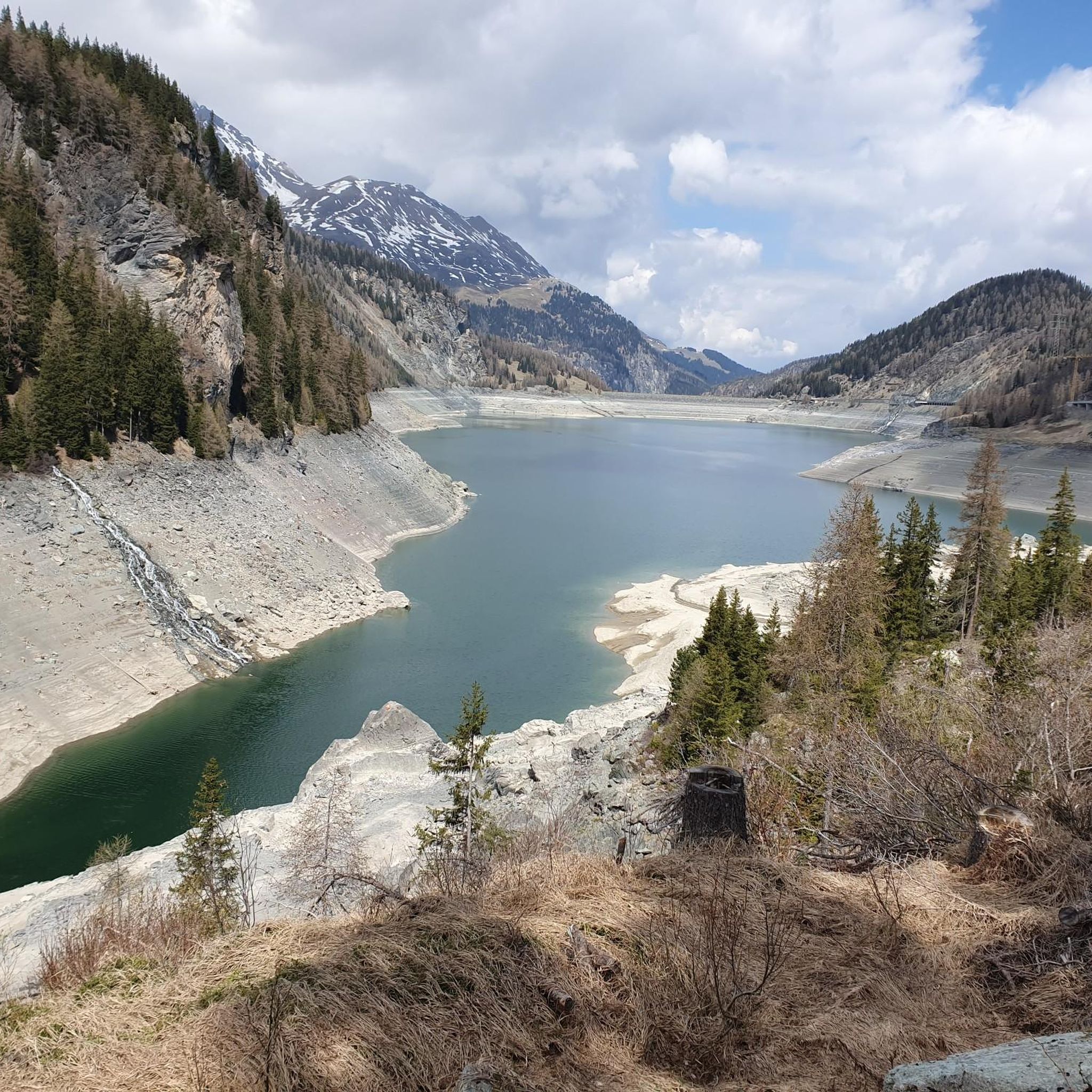
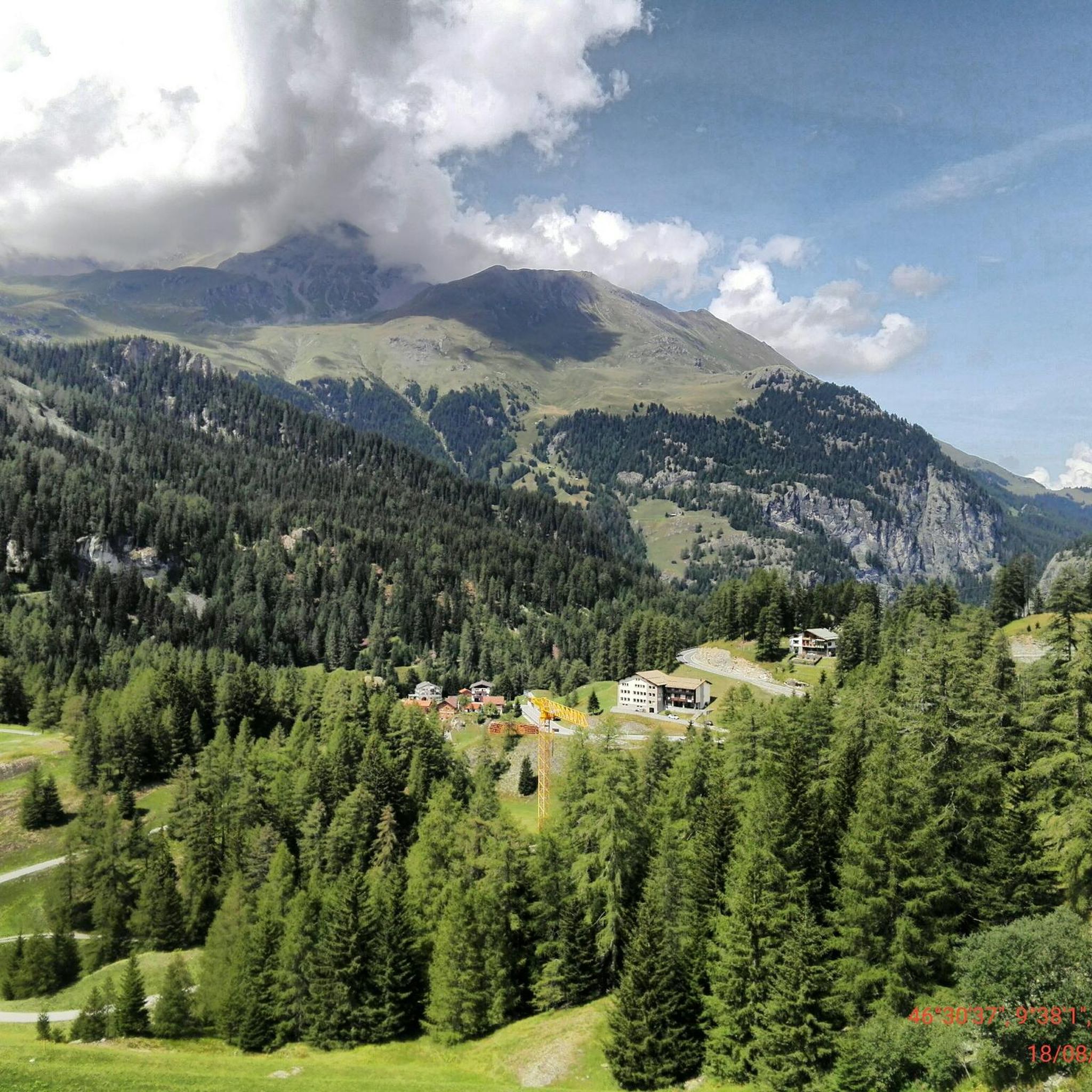
Best attractions and places to see around Lai da Marmorera include a reservoir nestled within Switzerland's Parc Ela nature park. This region is characterized by its mountainous landscape and the clear turquoise waters of the lake, which was formed by the Marmorera Dam. The area offers a blend of natural beauty, historical intrigue, and opportunities for outdoor activities, including exploring the submerged old village and nearby castle ruins.
Best attractions and places to see around Lai da Marmorera
- The most…
Last updated: November 14, 2026
Lai da Marmorera
Highlight • Lake
The Lai da Marmorera is a reservoir in the municipality of Surses, which is operated by the Mittelbünden power plants of the Zurich City Electricity Works …
Translated by Google •
Tip by

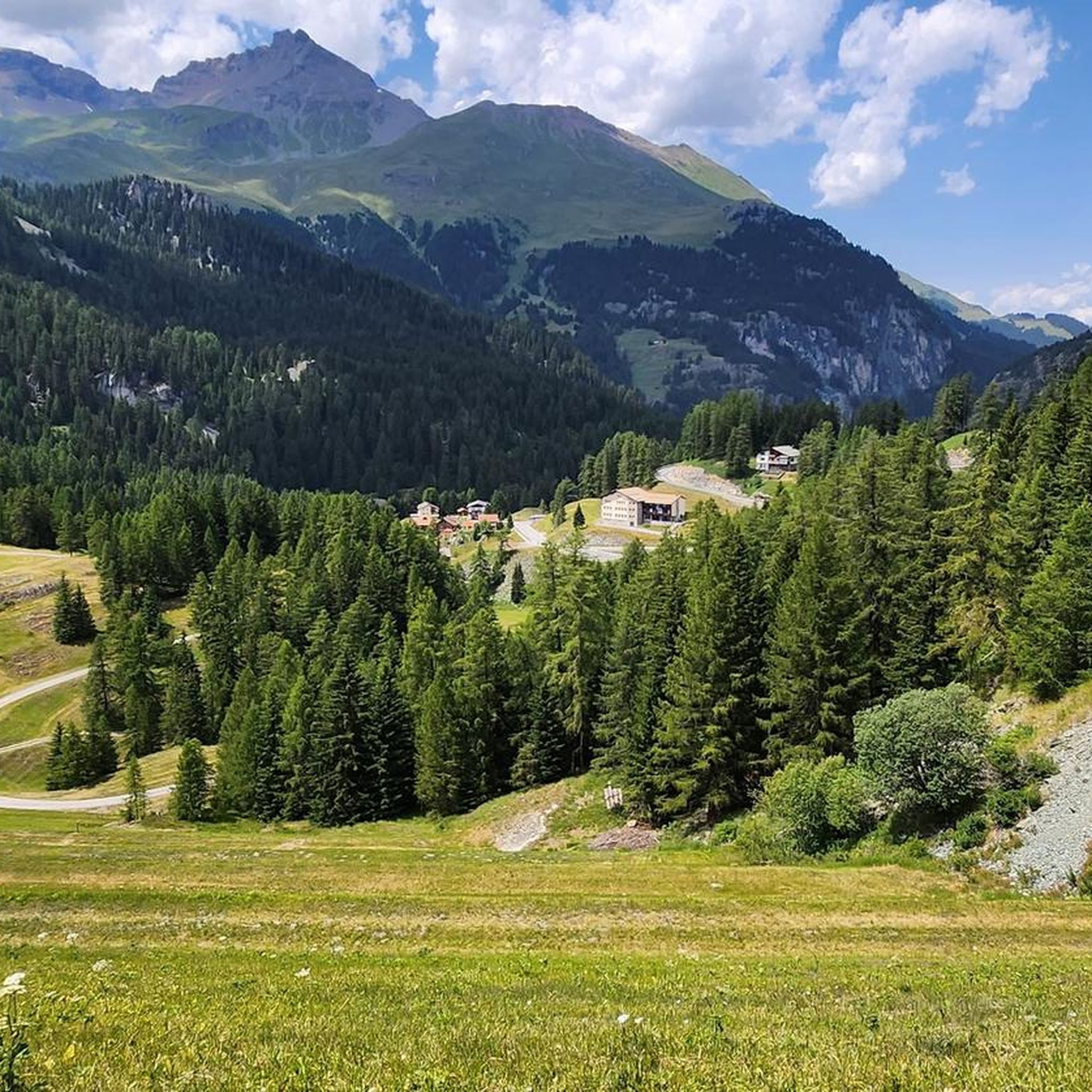
Julier Pass Ascent from Tiefencastel
Highlight (Segment) • Mountain Pass
Translated by Google •
Tip by

Sign up now to discover places like this
Get recommendations on the best single tracks, peaks, & plenty of other exciting outdoor places.
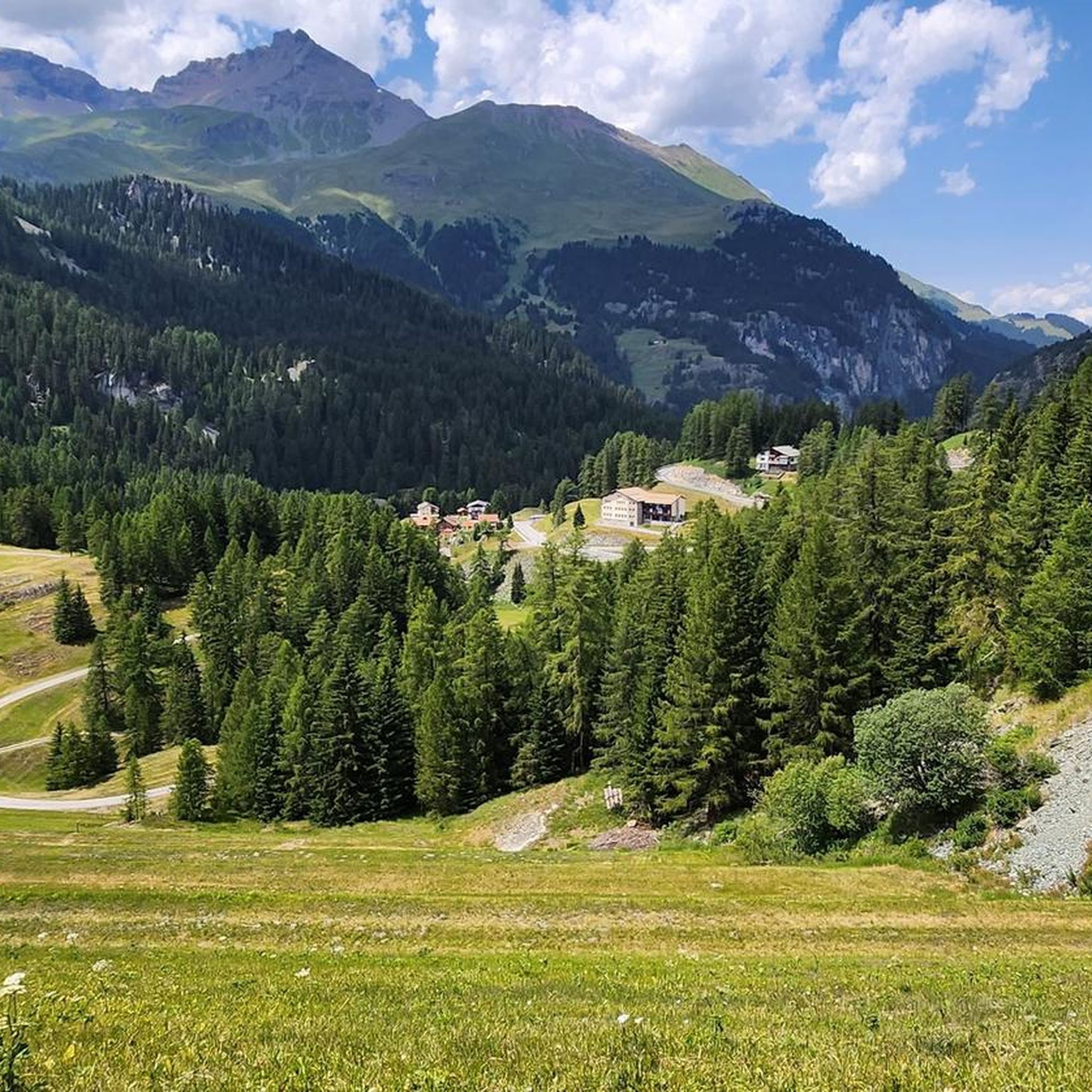
Dam
Highlight • Monument
Sunken village and lost homeland – The story of Marmorera
The story of Marmorera is a story of change and loss. In the …
Showing Translation
Tip by
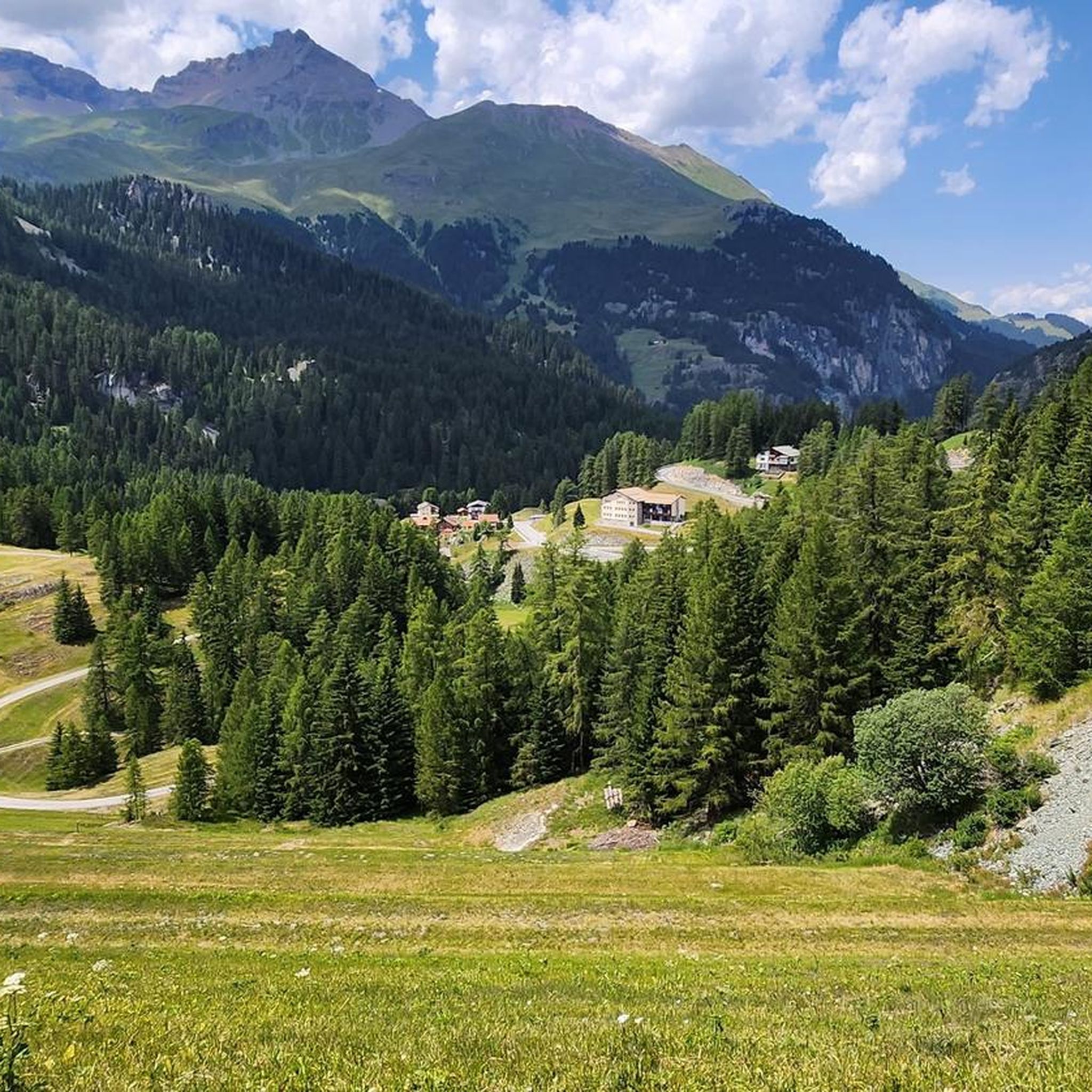
Surgôt – Upper Surses (Oberhalbstein)
Highlight • Viewpoint
Translated by Google •
Tip by

Start today with a free account
Your next adventure awaits.
Tips from the Community

A village goes underwater - Marmorera The flooding (1954): 29 houses, 52 stables and a church sank into the floodwaters. A new Marmorera was built slightly higher up on the slope for the relocated inhabitants. On September 14, 1955, the Marmorera Castiletto dam was inaugurated. Among those present were, in addition to the Zurich Mayor Emil Landolt, local politicians such as Gion Not Spegnas, District President of the Oberhalbstein, as well as involved entrepreneurs and officials. While the illustrious guests attended the ceremony in the high alpine valley basin, the plant further down in Tinizong, one of the three power plant stages, was already producing electricity for Zurich. The reservoir looked like a natural mountain lake with a smooth water surface, in which the sunlight glittered. But the supposed mountain idyll holds a secret. At the bottom lie the ruins of the village of Marmorera – once a flourishing community that benefited from coach traffic over the Julier Pass before the construction of the Albula Tunnel, but whose citizens had been living off agriculture, more or less successfully, since the Second World War. Text / Source: Swiss National Museum, Landesmuseum Zürich, Museumstrasse 2, Zurich https://blog.nationalmuseum.ch/2022/09/staudamm-marmorera/
13
0
Lai da Marmorera / Marmorerasee since 1954 Sunken village and lost homeland – The story of Marmorera The story of Marmorera is a story of change and loss. In the 1950s, as Zurich increasingly needed electricity, a reservoir was built on the Ova da Marmorera river. This led to the flooding of the village of Marmorera, which then sank into the reservoir. The inhabitants were resettled, and the old village disappeared into the waters of the new Marmorera lake. The Marmorera Castiletto dam was completed in 1954, and the old municipality of Marmorera was replaced by the new Marmorera. Today, only a few houses remain on the shores of the lake, and the story of Marmorera remains a fascinating testament to a turbulent past. Text / Source: wikipedia.org https://de.wikipedia.org/wiki/Lai_da_Marmorera
13
0

Upper valley level - Surgôt (Romanian for "above the forest") of the Oberhalbstein (Romanian: Surses); this extends from the Julier Pass via Bivio, Sur to Rona (Tinizong-Rona);
0
0

Scenically, this is a true gem of a mountain in the Swiss Alps. However, the Julier Pass is very busy. Therefore, it's advisable to take the alternative route from Tiefencastel via Mon and Salouf to Cunter for the first section. This road has very little traffic, is excellently paved (standard paved), offers excellent climbing with magnificent views, and, most importantly, avoids the rather unpleasant Crap Sers Tunnel on the main route when approaching. There's also an additional 150 meters of elevation gain, which is rewarded with a refreshing downhill section before Cunter.
2
0

Rather, I find that a bit misleading. Driving down there is a small intermediate climb, but it can be mastered without any problems.
1
0
Lai da Marmorera (reservoir) The Lai da Marmorera is a reservoir in the municipality of Surses, which is operated by the Mittelbünden power plants of the Zurich City Electricity Works (EWZ). It can be reached from Tiefencastel or from the Engadin from the village of Silvaplana via the Julier Pass. The only village on the lake is Marmorera. Above the western end of the dam are the ruins of Marmels Castle. The Marmorera Dam (Castiletto) was completed in 1954. The old Marmorera was flooded after the most important buildings had been blown up. The new Marmorera was built above the reservoir and the Julierpass road. Many residents chose to move away for economic and emotional reasons. Text / Source Wikipedia https://de.wikipedia.org/wiki/Lai_da_Marmorera
9
0

Exciting ascent through all vegetation zones and economic zones of the Alpine region.
3
0

The climb begins in Tiefencastel and extends up to and including the Julier Pass!
2
1
Frequently Asked Questions
What natural features define the area around Lai da Marmorera?
The region is dominated by the stunning Lai da Marmorera reservoir, known for its crystal-clear turquoise waters and surrounding snow-capped mountains. It's nestled within Parc Ela, Switzerland's largest nature park, offering diverse landscapes. The scenic Julier Pass route also flanks the lake, providing breathtaking mountain views.
What historical sites can I explore near Lai da Marmorera?
You can visit the Marmorera Dam (Castiletto), a significant landmark completed in 1954. Above the western end of the dam, you'll find the intriguing ruins of Marmels Castle. The rebuilt village of Marmorera also features the 'La Resistenza' church, a poignant reminder of the community's history.
Is there a submerged village in Lai da Marmorera?
Yes, beneath the waters of Lai da Marmorera lies the old village of Marmorera. It was intentionally flooded in 1954 during the dam's construction, submerging 29 homes, 52 barns, and a church. This unique historical aspect makes the lake a popular spot for scuba divers.
What outdoor activities are popular around Lai da Marmorera?
The area is excellent for various outdoor pursuits. You can enjoy hiking on numerous trails, from easy lakeside strolls to challenging mountain paths. Fishing is popular in the reservoir, and its submerged village attracts scuba divers. Cycling routes, including those along the scenic Julier Pass, are also available. For more hiking options, explore guides like Hikes from bus stations around Lai da Marmorera.
Are there hiking trails suitable for different skill levels near Lai da Marmorera?
Absolutely. The region offers a wide range of hiking trails. For easy walks, consider routes like the Hiking loop from Sur. Moderate options include the Alp Pra Miez loop from Sur, while challenging mountain hikes, such as the Bivio – Stallerberg Pass loop from Bivio, are also available.
When is the best time to visit Lai da Marmorera?
Lai da Marmorera is beautiful year-round. For hiking and cycling, late spring to early autumn (May to October) offers pleasant weather. Autumn is particularly stunning for photography, with golden trees reflecting in the turquoise waters. Winter provides opportunities for snowshoeing and other snow sports.
Are there family-friendly activities or trails around Lai da Marmorera?
Yes, the area offers several family-friendly options. Easy walks around the lake or in the nearby villages are suitable for all ages. The natural beauty of Parc Ela provides a great environment for children to explore. You can find specific easy hiking routes in the Easy hikes around Lai da Marmorera guide.
How can I reach the attractions around Lai da Marmorera by public transport?
The region is accessible by public transport, with bus services connecting to villages like Marmorera and Sur. Many hiking routes, such as those listed in the Hikes from bus stations around Lai da Marmorera guide, start directly from bus stops, making it convenient to explore without a car.
What is the 'Surgôt' area, and what does it offer?
Surgôt, meaning 'above the forest' in Romansh, refers to the upper valley level of the Oberhalbstein (Surses) region. This area, highlighted as Surgôt – Upper Surses, extends from the Julier Pass through villages like Bivio and Sur to Rona. It offers intermediate trails, forests, and viewpoints, providing a deeper immersion into the local landscape and culture.
What do visitors find most captivating about the Lai da Marmorera region?
Visitors are often captivated by the striking beauty of the Lai da Marmorera itself, with its deep blue waters and surrounding peaks. The blend of natural scenery with the historical intrigue of the submerged village and the Marmorera Dam creates a unique and memorable experience. The scenic drives and challenging ascents, like the Julier Pass Ascent from Tiefencastel, are also highly praised.
Are there opportunities for cycling around Lai da Marmorera?
Yes, the area is popular for cycling. The route along the Julier Pass offers a scenic and challenging ride through the mountains, connecting to the Engadin valley. There are also mountain biking trails and road cycling routes suitable for various skill levels throughout the region.
What makes the Marmorera Dam a significant landmark?
The Marmorera Dam (Castiletto), completed in 1954, is significant not only for its engineering but also for its historical impact. Its construction led to the flooding of the original village of Marmorera, creating the reservoir we see today. It stands as a testament to the region's development and the changes it brought to the local community.
Most popular routes around Lai da Marmorera

Get inspired with the komoot mobile app


Explore more
Still not found the Highlight you’re looking for? See guides of the top attractions in other regions:
