The best traffic-free bike rides around Py
4.1
(6)
80
riders
5
rides
No traffic gravel bike trails around Py traverse a landscape characterized by diverse and rugged terrain, including extensive park systems, riverfront paths, and wooded regions. Riders encounter everything from smooth forest roads and gentle valley routes to challenging mountain climbs and backcountry trails. The region features significant natural elements like the Allegheny Front, with gravel roads winding through dense forests, picturesque valleys, and alongside fast-moving streams. This varied topography provides an extensive network of quiet roads ideal for gravel cycling.
…Last updated: June 29, 2026
8
riders
58.5km
05:14
1,710m
1,710m
Hard gravel ride. Very good fitness required. Mostly paved surfaces. Suitable for all skill levels.
6
riders
97.6km
08:35
3,280m
3,280m
Hard gravel ride. Very good fitness required. Mostly paved surfaces. Suitable for all skill levels.

Sign up for free
3.0
(1)
4
riders
21.9km
01:52
720m
720m
Hard gravel ride. Very good fitness required. You may need to push your bike for some segments of this route.
3
riders
58.5km
04:28
1,590m
1,590m
Hard gravel ride. Very good fitness required. Mostly paved surfaces. Suitable for all skill levels.
2
riders
31.1km
02:54
1,130m
1,130m
Hard gravel ride. Very good fitness required. Mostly paved surfaces. Suitable for all skill levels.
Our route recommendations are based on thousands of hikes, rides, and runs completed by other people on komoot.
Start today with a free account
Your next adventure awaits.
Login or Signup

Other adventures around Py

Tips from the Community

Basic necessities are available. However, you may need to call the owner. ;-)
0
0

Fountain in the charming little village of Ayguatebia to refill your water before the final of the Col de la Llose or the Col de Jouël.
0
0

The Col de Jou from Villefranche de Conflent is a climb in the French Pyrenees. This climb is 11.4 kilometers long and has a positive elevation gain of 687 meters. The Col de Jou from Villefranche de Conflent has an average gradient of 6%.
15
0
Down or up, this trail is steep, but easily walkable.
24
0

It was built on the ruins of an old medieval watchtower to reinforce the defence of the Vallespir after the Treaty of the Pyrenees, which established the border between France and Spain. The fort was designed to withstand prolonged sieges, with food stores and a structure capable of protecting both the garrison and the village. A curiosity is that, for centuries, the inhabitants of Prats-de-Mollo could take refuge in the fort in case of invasions, going up through the underground tunnels. In addition to its military use, the fort has also been the scene of festivals and cultural events, such as the celebration of the Fête de l'Ours (Bear Festival), a local tradition that symbolises the struggle between man and nature.
7
0
Built in the 17th century by order of Vauban, Louis XIV's military engineer, to defend the border with Spain after the signing of the Treaty of the Pyrenees in 1659, the fortress is situated on a hill above the village, offering strategic views. It has underground tunnels that connect to the village and was key to the control of the region.
7
0
https://www.youtube.com/watch?v=dLKV5Y7mv40 The town keeps alive many Catalan traditions, such as the Bear Festival (La Fête de l'Ours), which is celebrated every year in February. This festival is one of the oldest and most representative of Pyrenean folklore, symbolizing the struggle between man and nature.
1
0
Frequently Asked Questions
How challenging are the traffic-free gravel bike trails around Py?
The gravel bike trails featured in this guide are generally considered difficult, designed for experienced riders seeking a significant challenge. For example, the Mantet Pass – Prats-de-Mollo-la-Preste loop covers nearly 98 km with over 3,200 meters of elevation gain, demanding good fitness and technical skills.
What is the typical length and duration of gravel bike routes in Py?
The routes in this guide vary in length, offering options for different adventure levels. You'll find tours ranging from approximately 22 km, like the Setcases – Collado Fonda loop, to longer expeditions such as the Mantet Pass – Prats-de-Mollo-la-Preste loop which stretches almost 98 km. Durations can range from around 2 hours to over 8 hours of riding, depending on the route and your pace.
Are there any circular gravel bike routes without traffic in Py?
Yes, all the traffic-free gravel bike routes highlighted in this guide are circular loops. This allows you to start and finish at the same point, making logistics easier. Examples include the Col de la Creu – Col de la Llose loop from Olette - Canaveilles-les-Bains and the Jou Pass – Vernet-les-Bains washhouse loop from Vernet-les-Bains.
What kind of scenic viewpoints can I expect on these gravel trails?
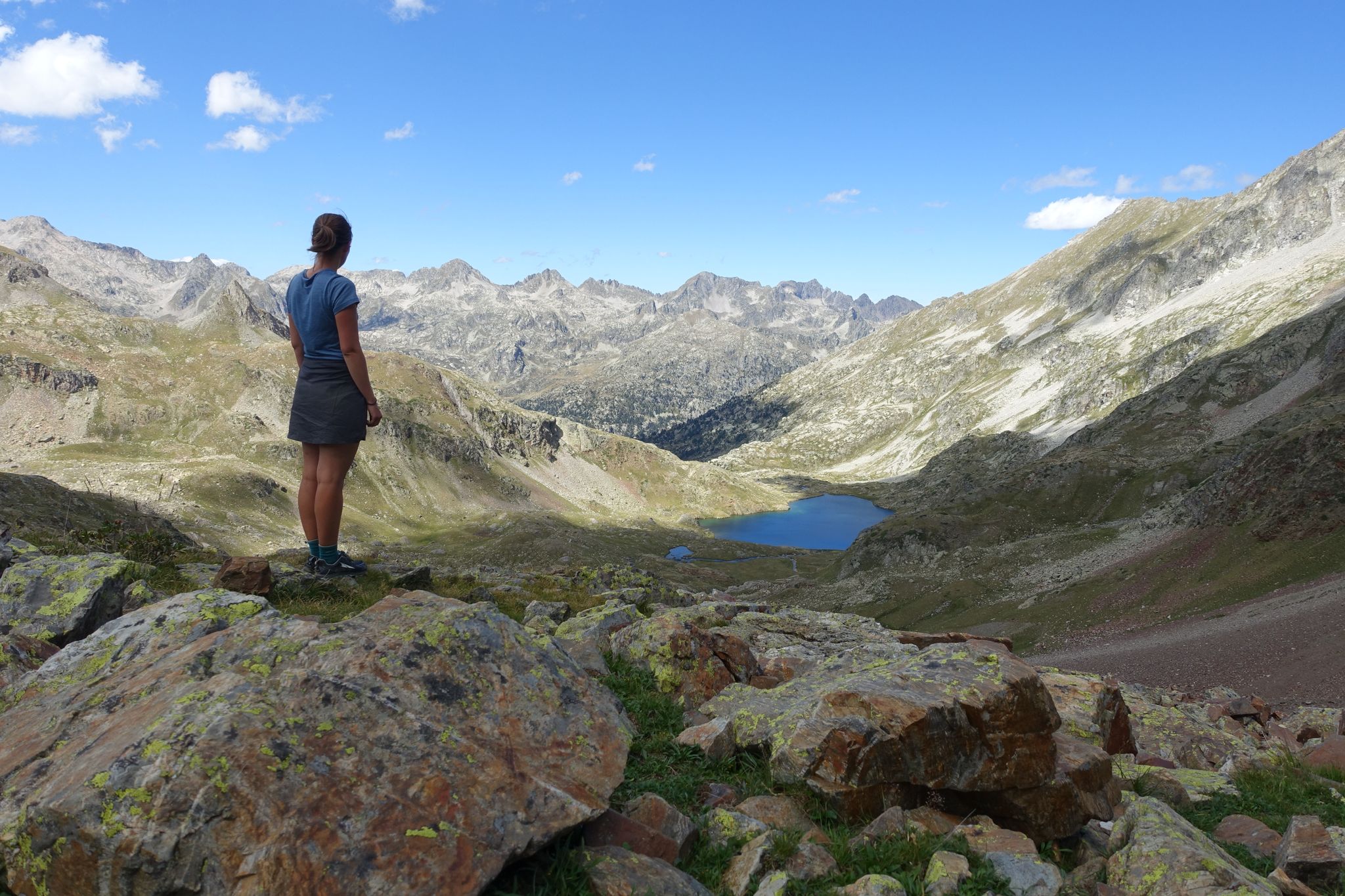
The Pyrenees region is renowned for its breathtaking mountain vistas. On these routes, you can expect panoramic views of rugged peaks, deep valleys, and alpine landscapes. Many trails offer stunning perspectives, such as those found along the Col de la Creu – Col de la Llose loop, providing ample opportunities to appreciate the natural beauty of the area.
What do other gravel bikers enjoy most about gravel biking in Py?
The area is highly rated by the komoot community, with an average score of 4.1 stars. Reviewers often praise the challenging terrain, the stunning mountain scenery, and the sense of remote adventure offered by these traffic-free routes. The extensive elevation gains and technical sections are frequently highlighted as key attractions for advanced riders.
Are there any natural attractions or landmarks along these routes?
While the routes themselves offer incredible natural beauty, the wider Pyrenees region around Py is rich with attractions. You might find yourself near highlights such as the majestic Canigou summit or the dramatic Carança Corniche and its impressive Footbridges of the Carançà Gorge. Some routes may also pass by historical sites like Villefranche-de-Conflent or offer views of ancient castles.
What is the best season for gravel biking in Py?
The best season for gravel biking in the Pyrenees is typically from late spring to early autumn (May to October). During these months, the weather is generally more stable, and mountain passes are clear of snow. Summer offers warmer temperatures, while spring and autumn provide pleasant riding conditions with vibrant flora or stunning fall foliage. Always check local weather and trail conditions before heading out, especially at higher elevations.
Can I bring my dog on these traffic-free gravel bike routes?
While many outdoor areas in the Pyrenees are dog-friendly, it's essential to check specific regulations for each trail or protected area you plan to visit. Given the challenging nature and remote sections of these routes, ensure your dog is fit enough for long distances and elevation changes, and always keep them under control. Be mindful of wildlife and livestock, and carry enough water for both yourself and your pet.
Are there any options for parking near the starting points of these trails?
For routes starting from towns or villages like Olette - Canaveilles-les-Bains or Setcases, you can typically find public parking facilities. For more remote starting points, parking might be limited to small pull-offs or designated areas. It's advisable to check the specific tour details on komoot for parking suggestions or consult local maps before your ride.
What should I consider for winter gravel biking in Py?
Winter gravel biking in the Pyrenees can be very challenging due to snow, ice, and colder temperatures, especially at higher altitudes where many of these routes traverse. Many mountain passes become impassable. If you plan to ride in winter, stick to lower elevation routes, be prepared for rapidly changing weather, and carry appropriate gear for cold conditions. It's generally recommended to avoid the higher, more difficult routes during winter months.
Are there any historical sites or castles visible from the gravel trails?
The Pyrenees region is rich in history. While riding, you might catch glimpses of ancient fortifications or pass through historic villages. For instance, the area features impressive structures like Fort Libéria and the charming settlement of Prats-de-Mollo-la-Preste. Some routes may offer views of medieval towers such as Tour de Mir or the Château de Thorrent.
Most popular attractions around Py

Get inspired with the komoot mobile app


Explore more
Browse the best Gravel rides in other regions.
