The best traffic-free bike rides around Usclades-Et-Rieutord
5.0
(2)
34
riders
1
ride
No traffic gravel bike trails around Usclades-Et-Rieutord traverse a landscape shaped by volcanic activity, featuring dramatic peaks and unique geological formations. The region is characterized by its diverse terrain, including basaltic formations, deep crater lakes, and extensive forests. Gravel bikers can expect a mix of gravel paths, forest tracks, and country roads, often with varied elevations.
Best no traffic gravel bike trails around Usclades-Et-Rieutord
- The most popular no traffic gravel bike trail is Lake Naussac – Lake Naussac loop from…
Last updated: June 28, 2026
17
riders
118km
09:18
2,210m
2,210m
Hard gravel ride. Very good fitness required. Mostly paved surfaces. Suitable for all skill levels.
3
riders
39.4km
03:18
870m
880m
Hard gravel ride. Very good fitness required. Mostly paved surfaces. Suitable for all skill levels.

Sign up for free
1
riders
31.0km
02:16
520m
510m
Hard gravel ride. Very good fitness required. Mostly paved surfaces. Suitable for all skill levels.
Our route recommendations are based on thousands of hikes, rides, and runs completed by other people on komoot.
Start today with a free account
Your next adventure awaits.
Login or Signup
Popular around Usclades-Et-Rieutord

Tips from the Community


Etymology: comes from Mas d’Adam, the name of the old estate that was located on the site of the current village, which was ceded by the lord of Géorant to the bishop of Viviers to allow him to found the abbey of Mazan. It all begins with the foundation of the Cistercian abbey in the heart of the village. This takes place between 1119 and 1122. At the beginning of the 12th century, canons came to settle on the site of Mas d’Adam (a toponym that would evolve into MAZAN), and were joined by monks from the abbey of Bonnevaux. These religious men built a huge abbey, of which only the remains exist today, which experienced a period of apogee that lasted until the Hundred Years' War. It gave birth to four other abbeys which are Bonneval, Sénanque, Sylvanès and le Thoronet as well as establishments for nuns. After this prosperous period, misfortunes followed one another at the abbey of Mazan: it was plundered by the great companies of the Hundred Years' War, then attacked by the Huguenots in the modern period. Before this last looting, the monks, according to legend, would have melted a golden bell with all their treasures, which they would have buried somewhere, facing and opposite the bull's-eye window, within earshot of the rooster's crow. montagnedardeche.com/patrimoine-culturel/village-de-mazan-labbaye-2387
0
0
Etymology: comes from Mas d’Adam, name of the old domain which was located at the site of the current village which was ceded by the lord of Géorant to the bishop of Viviers to allow him to found the abbey of Mazan. It all begins with the foundation of the Cistercian abbey in the heart of the village. This takes place between 1119 and 1122. At the beginning of the 12th century, canons came to settle on the site of Mas d’Adam (toponym that would evolve towards MAZAN), and were joined by monks from the abbey of Bonnevaux. These religious men built an immense abbey, of which only the remains are left today, which experienced a period of apogee that lasted until the Hundred Years' War. It gave birth to four other abbeys which are Bonneval, Sénanque, Sylvanès and le Thoronet as well as establishments of nuns. After this prosperous period, misfortunes followed one another at the abbey of Mazan: it was plundered by the great companies of the Hundred Years' War, then attacked by the Huguenots in the modern period. Before this last pillage, the monks, according to legend, would have melted a golden bell with all their treasures, which they would have buried somewhere, opposite and in front of the bull's eye, within earshot of the cock's crow. https://www.montagnedardeche.com/patrimoine-culturel/village-de-mazan-labbaye-2387/
0
0

These ruins once housed the Choisinets castle and orphanage. The construction of this unusual building spanned the entire second millennium. The ruins of two towers dating from the 12th and 17th centuries are still in good condition, testifying to the various architectural influences.
0
0

Market on Tuesdays (summer) and Saturdays
0
0
There we found the Meteil bread seller (a mixture of rye and sourdough) from the previous day's market in Costaros, under the market hall. Producers of fruit and vegetables, cheeses, and charcuterie. Everything for an ideal picnic.
0
0

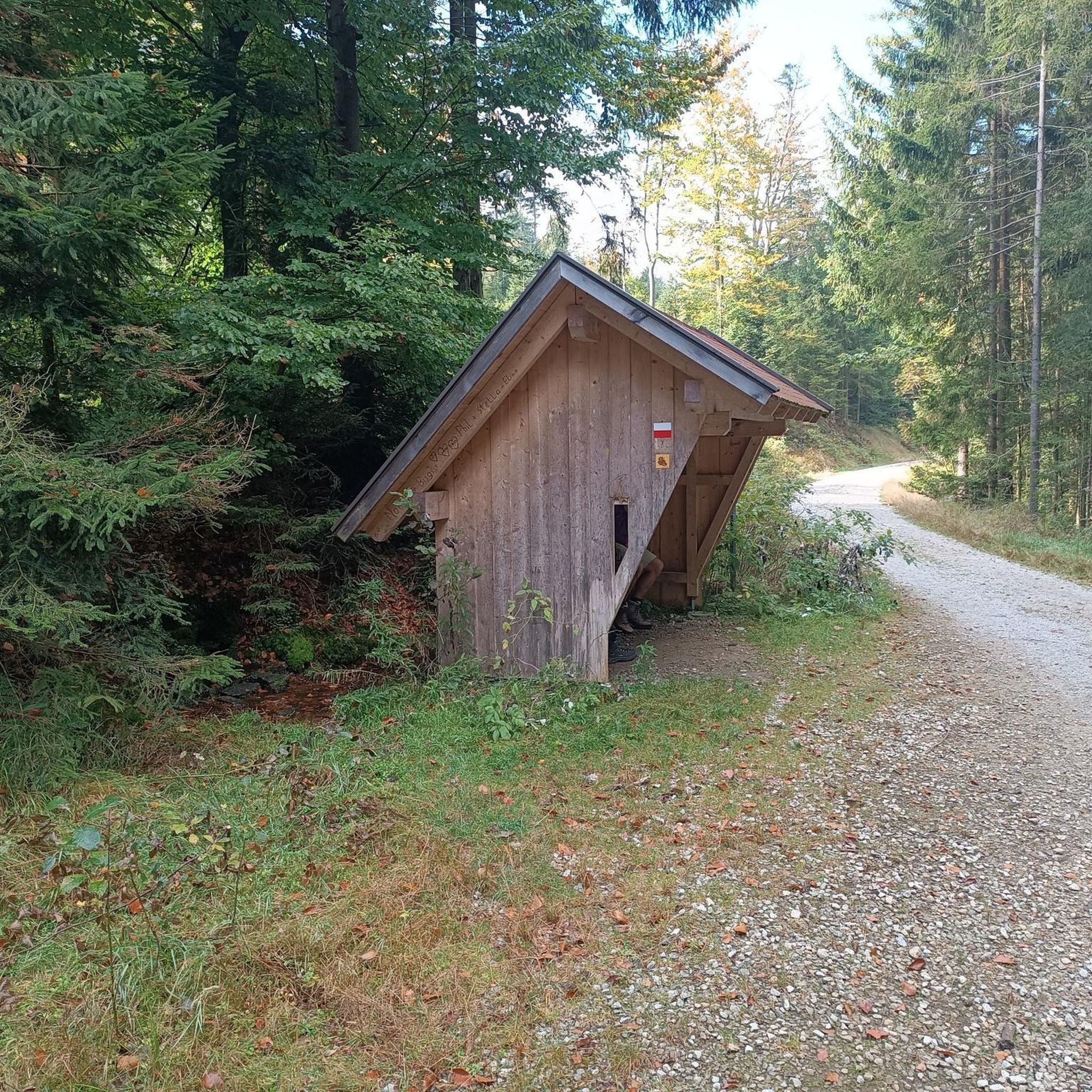
Must have been a monastery or something similar. Unfortunately the entrance is blocked 🤷🏻♂️👍🙂
1
0

Cemetery of St-Cirgue-en-Montage. Outside, to the left of the entrance.
0
0
Frequently Asked Questions
How many no-traffic gravel bike trails are available around Usclades-Et-Rieutord?
There are several dedicated no-traffic gravel bike routes in the Usclades-Et-Rieutord area, offering diverse experiences. This guide features three distinct routes, ranging from shorter loops to longer, more challenging expeditions through the volcanic landscapes.
What kind of terrain can I expect on these no-traffic gravel bike trails?
The terrain around Usclades-Et-Rieutord is characterized by its volcanic origins, meaning you can expect a mix of gravel paths, forest tracks, and country roads. While generally traffic-free, some sections might be loose and slow, adding to the adventurous feel. Elevations vary, with routes featuring significant climbs and descents, offering stunning views of the Massif Central and the Ardèche region.
Are there any circular no-traffic gravel bike routes?
Yes, several routes are designed as loops, allowing you to start and finish in the same location. For example, the challenging Lake Naussac – Lake Naussac loop from Le Lac-d'Issarlès offers a substantial ride, while the Lac d’Issarlès – Bridge over the Loire loop from Le Lac-d'Issarlès provides a slightly shorter, yet still demanding, circular option.
What natural landmarks can I see along the no-traffic gravel bike trails?
The routes often pass by or offer views of significant natural landmarks. You might encounter the stunning Ray-Pic Waterfall with its impressive basalt columns, or the serene Lac d’Issarlès, a beautiful crater lake. The iconic Mount Gerbier de Jonc, the source of the Loire River, is also a prominent feature in the wider region.
Are there any historical or cultural points of interest on these routes?
Absolutely. The region is rich in history. The Mazan Abbey – Mazan-l'Abbaye loop from Saint-Cirgues-en-Montagne takes you past the historic Mazan-l'Abbaye. Additionally, the Pont du Diable (Devil's Bridge) at Thueyts is a remarkable historical structure spanning the Ardèche River, often accessible from nearby routes.
What is the best time of year for gravel biking in Usclades-Et-Rieutord?
Spring and autumn generally offer the most pleasant conditions for gravel biking in the Ardèche. The weather is milder, and the landscapes are vibrant. Summer can be warm, especially at lower altitudes, while winter can bring snow and colder temperatures, particularly in higher volcanic areas like around the Suc de Bauzon.
Are the no-traffic gravel bike trails suitable for families?
While the routes listed in this guide are rated as 'difficult' due to their length and elevation gain, the region does offer a network of paths that can be adapted for family outings. For easier, family-friendly options, look for shorter, flatter sections of forest tracks or dedicated greenways, which are often found near villages and lakes.
What are the elevation gains like on these no-traffic gravel bike routes?
The routes in this guide feature significant elevation changes, reflecting the mountainous and volcanic nature of the region. For instance, the Lake Naussac – Lake Naussac loop involves over 2,200 meters of ascent, while the Lac d’Issarlès – Bridge over the Loire loop has around 870 meters of climbing. Be prepared for challenging ascents and rewarding descents.
What do other gravel bikers enjoy most about the trails in Usclades-Et-Rieutord?
The komoot community highly rates the gravel biking experience here, with an average score of 5.0 stars. Reviewers often praise the stunning volcanic landscapes, the quiet and traffic-free nature of the trails, and the sense of adventure offered by the diverse terrain and challenging climbs.
Is public transport available to access the starting points of these routes?
Accessing the more remote starting points of these gravel routes primarily relies on personal transport. While some regional bus services connect larger towns in the Ardèche, direct public transport links to specific trailheads in areas like Usclades-Et-Rieutord or Le Lac-d'Issarlès may be limited. Planning your journey with a car is generally recommended for flexibility.
Are there opportunities for wild swimming near the gravel routes?
The Ardèche region is known for its rivers and lakes. The Lac d’Issarlès, a beautiful crater lake, is a popular spot for swimming and water activities, and is featured on some of the routes. The Ardèche River itself also offers various spots for wild swimming, though it's important to check local regulations and safety conditions.
What kind of bike is best suited for these no-traffic gravel trails?
Given the varied terrain, which includes gravel paths, forest tracks, and some potentially loose sections, a gravel bike is ideal. Its wider tires and comfortable geometry are well-suited for the mixed surfaces. A mountain bike would also be a good choice, especially for the more technical or rugged sections.
Most popular routes around Usclades-Et-Rieutord
Most popular attractions around Usclades-Et-Rieutord

Get inspired with the komoot mobile app


Explore more
Browse the best Gravel rides in other regions.
