The best traffic-free bike rides around Silvaplana
4.6
(179)
10,437
riders
3
rides
No traffic road cycling routes around Silvaplana are set within Switzerland's Upper Engadin valley, an area characterized by high-alpine lakes, majestic mountains, and a mix of paved roads and easy tracks. The region features a diverse terrain, offering both relatively flat sections along valley floors and challenging climbs over mountain passes. This landscape provides a varied environment for road cyclists, predominantly on asphalt surfaces.
Best no traffic road cycling routes around Silvaplana
- The most popular no traffic road cycling route…
Last updated: October 10, 2026
4.7
(6)
213
riders
125km
07:21
3,100m
3,100m
Hard road ride. Very good fitness required. Mostly well-paved surfaces and easy to ride.
25
riders
12.1km
00:38
170m
170m
Easy road ride. Great for any fitness level. Mostly well-paved surfaces and easy to ride.

15
riders
Easy road ride. Great for any fitness level. Mostly well-paved surfaces and easy to ride.
Our route recommendations are based on thousands of hikes, rides, and runs completed by other people on komoot.
Start today with a free account
Your next adventure awaits.
Popular around Silvaplana
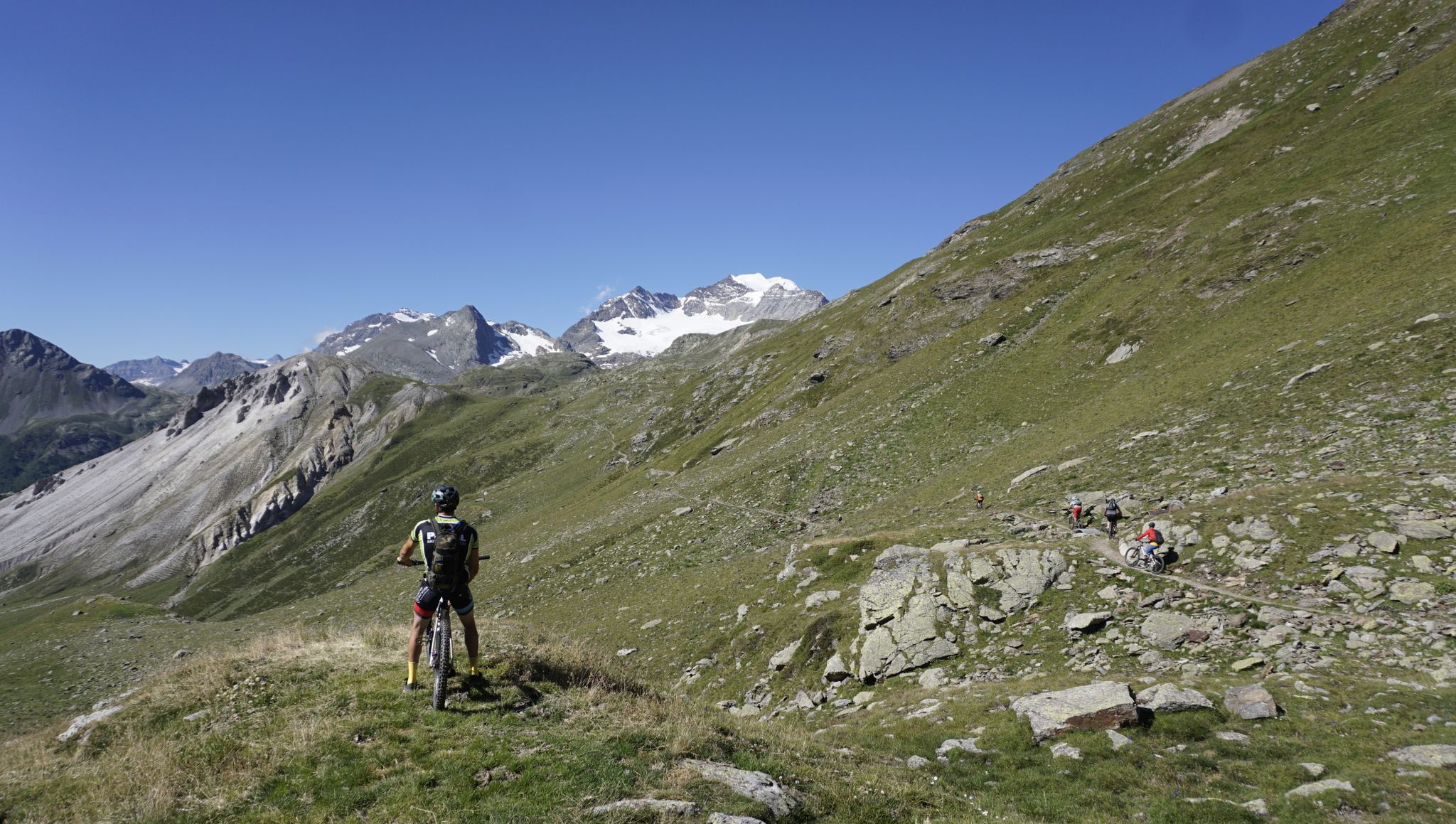
MTB Transalp Lake Como – From the Zugspitze to Lake Como
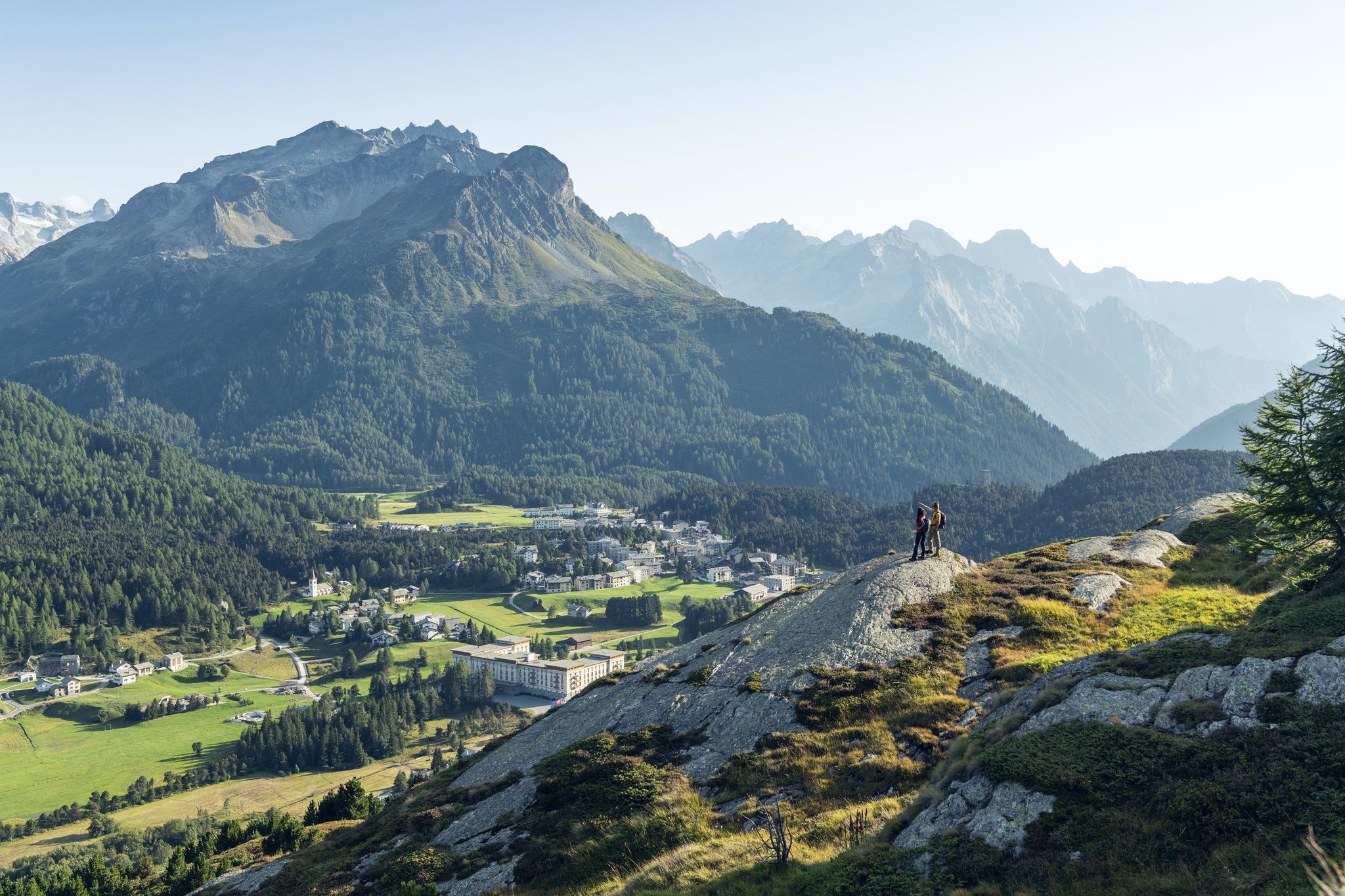
Between water and rock - Via Engiadina
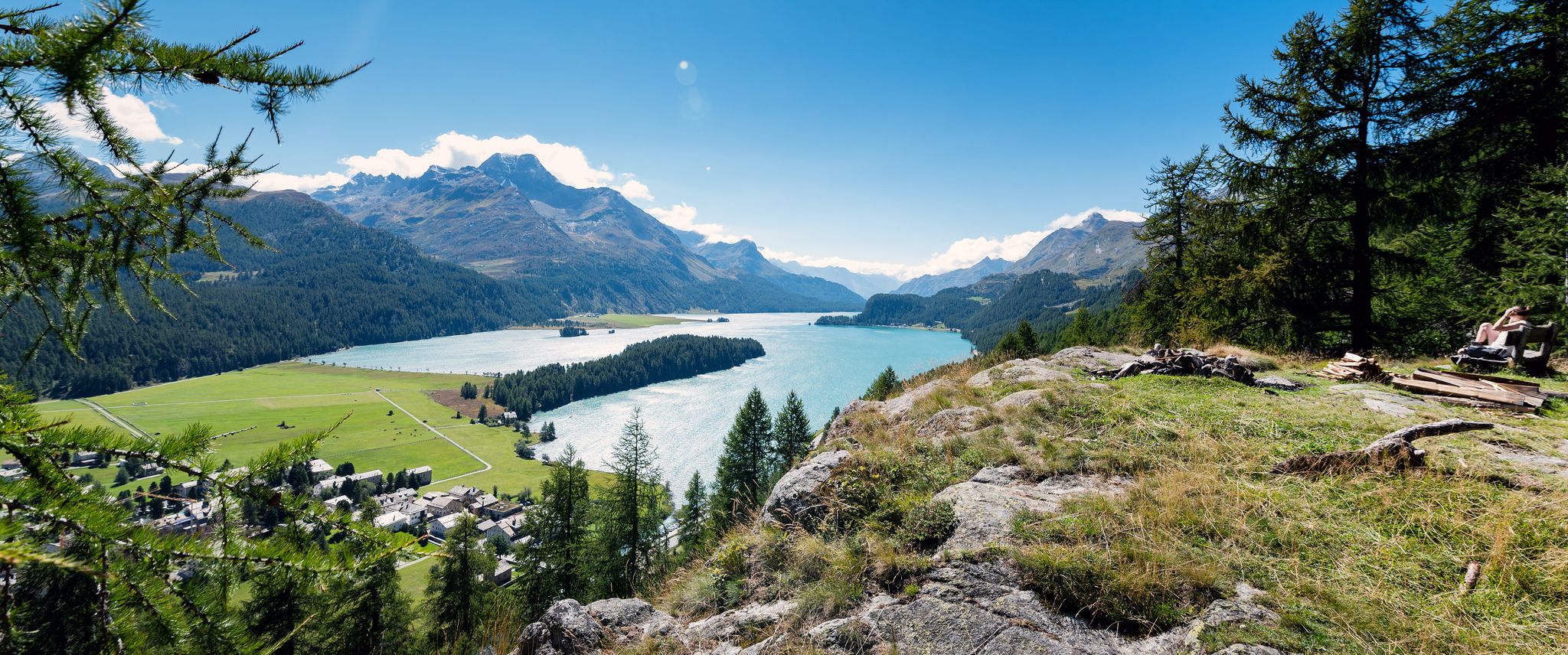
A tranquil and inspiring hike through the Engadin – Via Engiadina
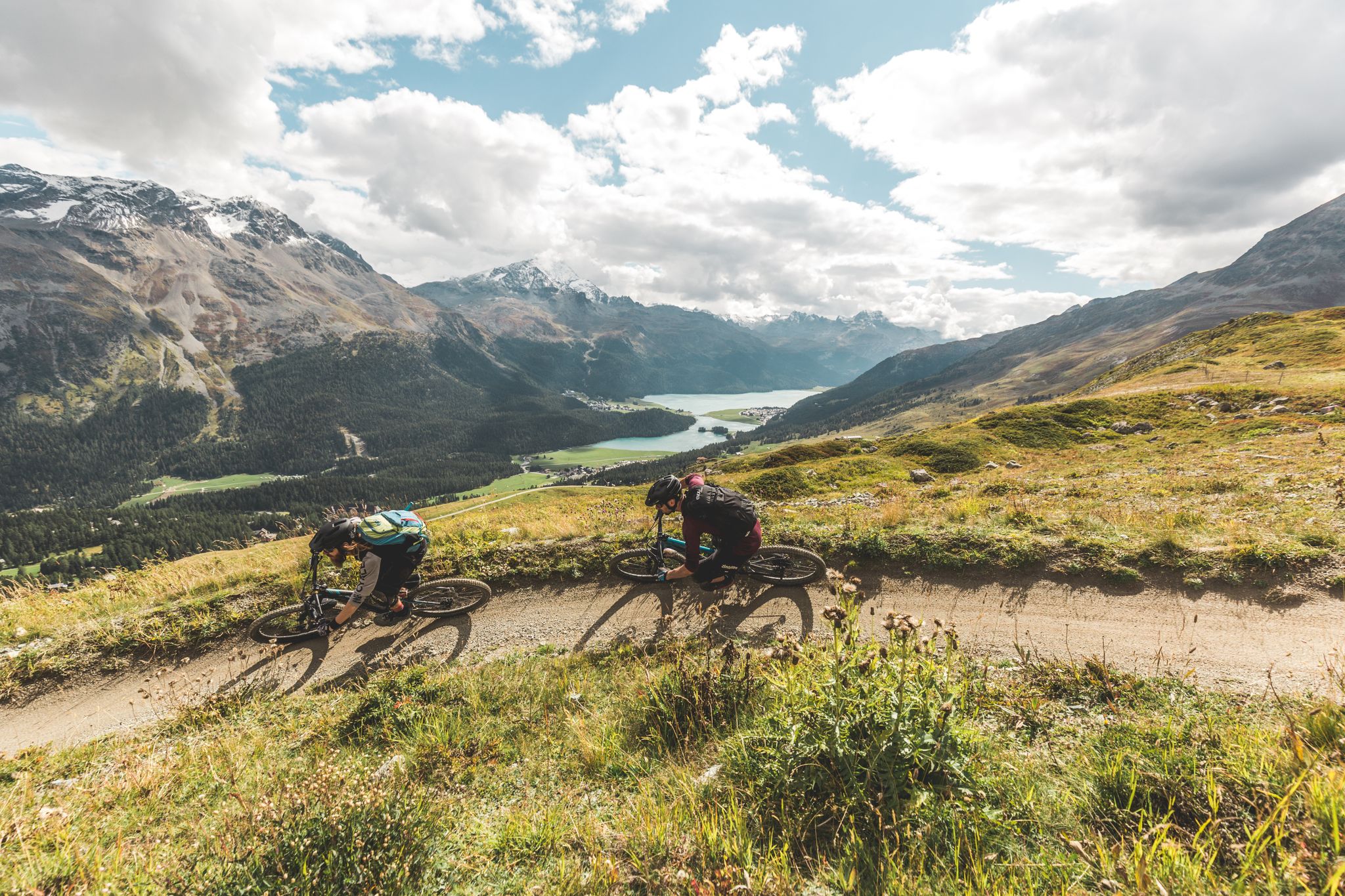
Go with the flow — bike trails in Switzerland’s Engadin valley
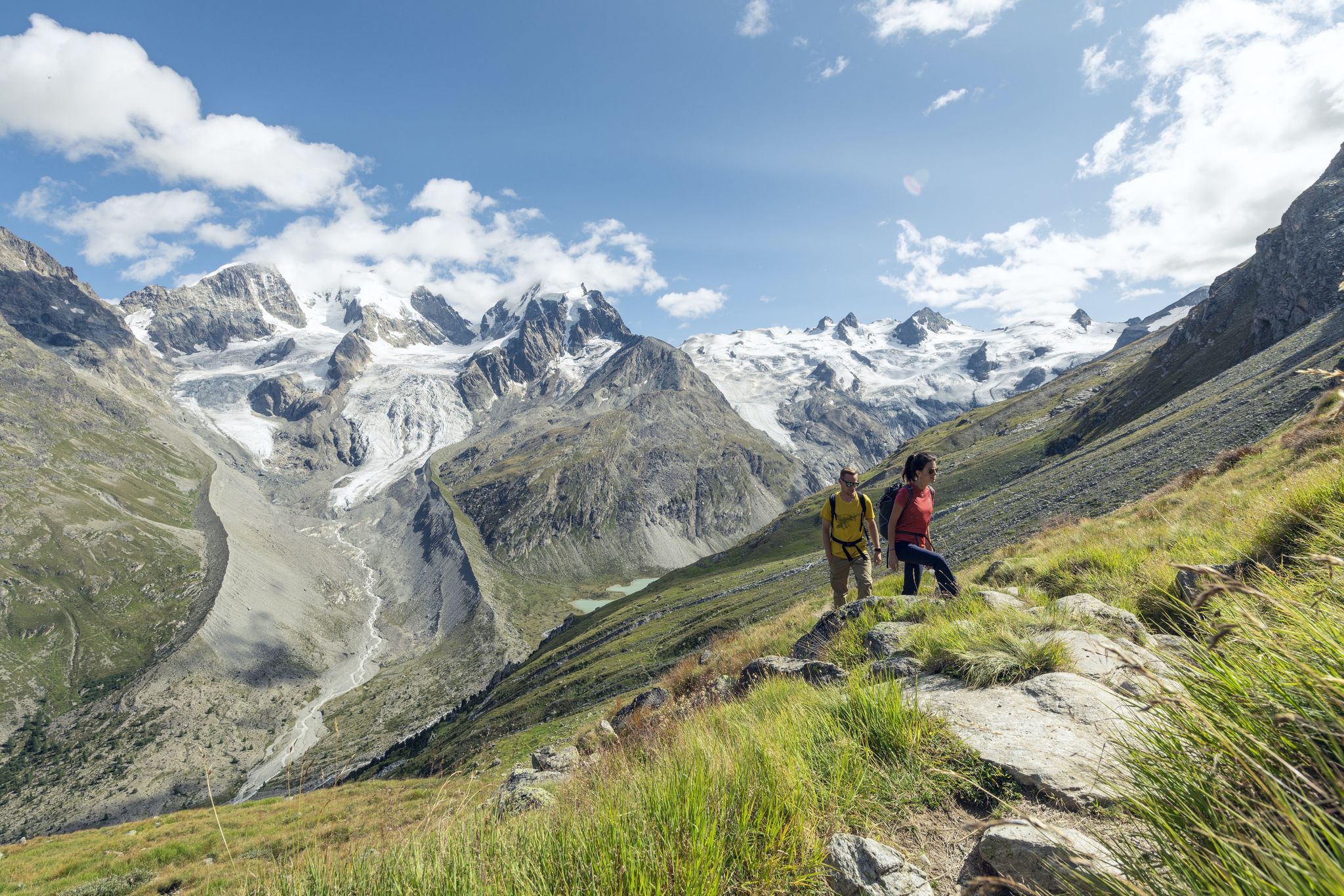
Via Engiadina and Bernina Tour – long-distance hiking in the Engadine
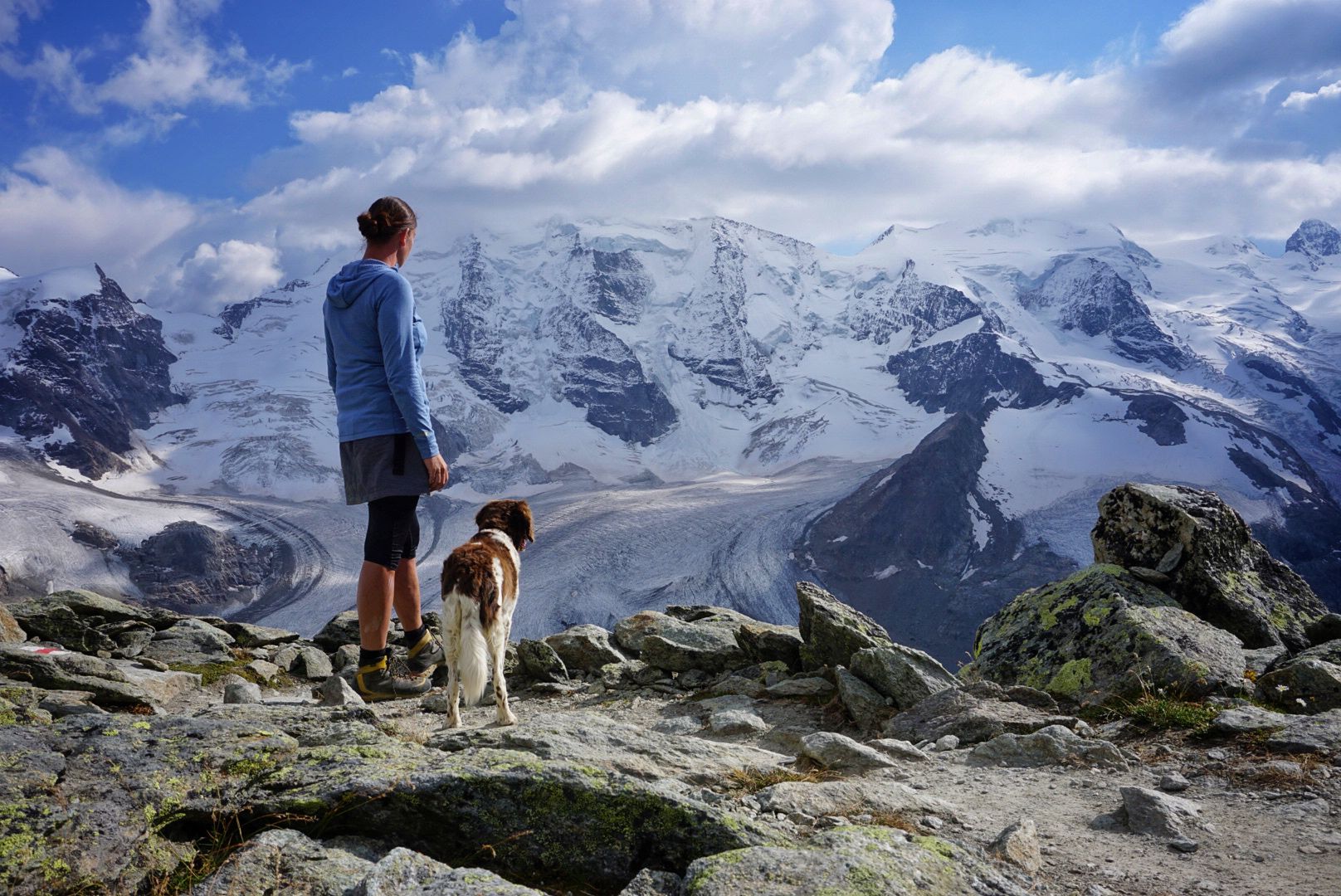
Bernina Tour – 8 days around the only 4,000er peak in the Eastern Alps
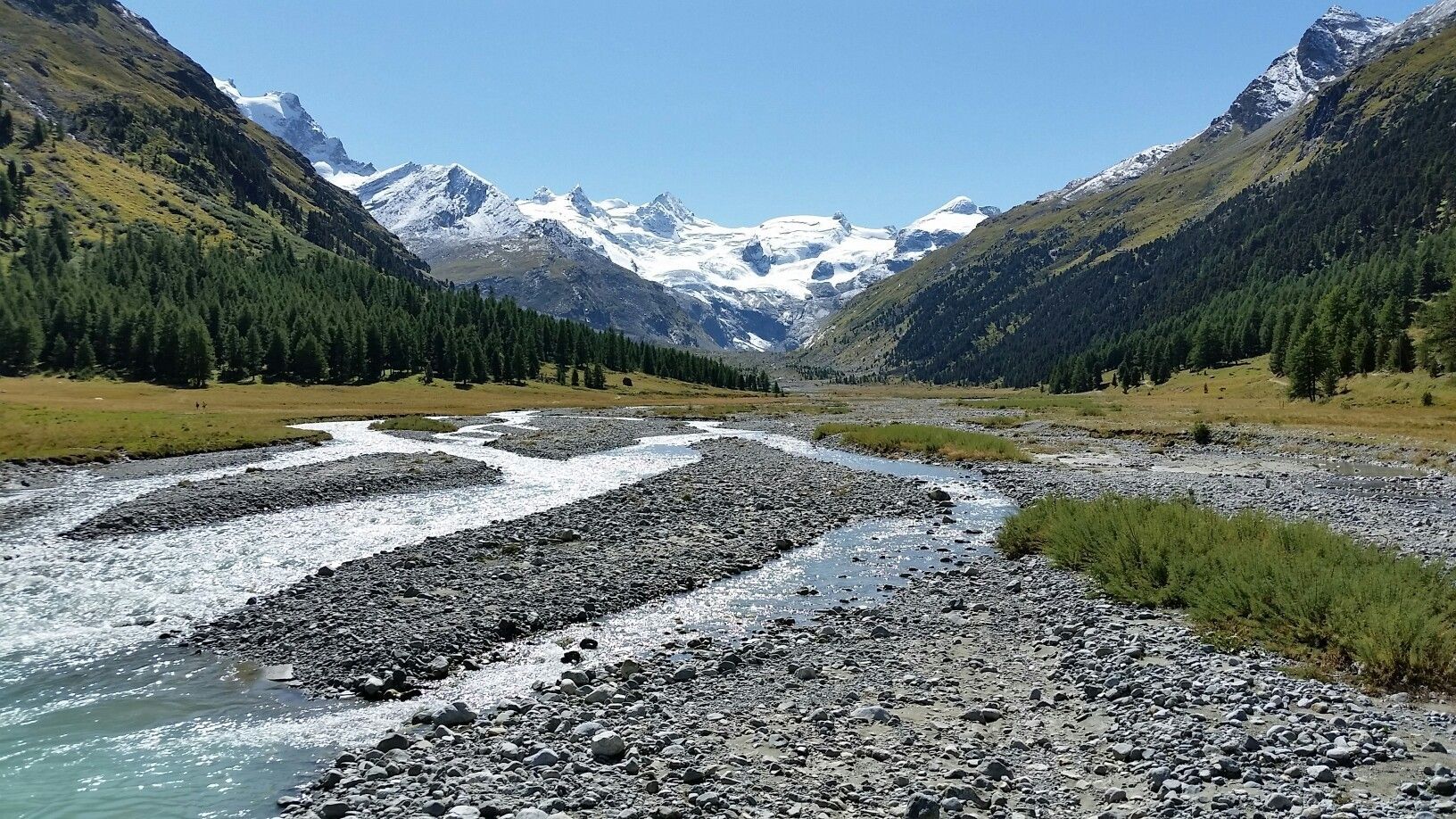
Scenic hikes in the Engadin

Traffic-free bike rides around Silvaplana

Traffic-free bike rides around Silvaplana
Other adventures around Silvaplana


Tips from the Community

Beautiful place... great to ride there
0
0

Julier Pass, History (Pass height 2284 m above sea level) The column remnants exactly at the summit of the Julier Pass and the finds of Roman coins nearby point to a very early use of this Alpine crossing. The Septimer Pass, a few kilometers to the west, which was however steeper and more avalanche-prone, can certainly be considered a competitor. What is certain is that both were used intensively in Roman times. The Julier even with two-wheeled carts. In the age of packhorse trains, the Julier increasingly lost importance because the topography at the Septimer Pass was hardly a factor and, moreover, the detour via the Engadin was not necessary. With the construction of a cart track over the Septimer (1387), the Julier was definitively left behind. The Julier remained important for access to the Upper Engadin and the Bernina Pass. The actual road construction over the Julier took place between 1820 and 1826. In this phase of history, the Julier retained "the upper hand" over the Septimer. On the one hand, topographical reasons were decisive, and on the other hand, the canton could not afford to ignore the Engadin. This was the first road construction project in which the canton acted as the client. In the second half of the 19th century, various route adjustments followed, which became necessary due to the increasing feeder traffic for the Upper Engadin health resorts. The opening of the Albula Line of the Rhaetian Railway in 1903 caused car traffic over the Julier to collapse again. When the Federal Council put pressure on the Graubünden government in 1923 for a car-suitable transit route, the canton opted for the Julier route. Between 1935 and 1940, the pass road was renovated and was the first Alpine crossing to receive an asphalt surface. Today, the Julier is the most important, year-round open, northern access to the Engadin. Text / Source: Interessengemeinschaft Alpenpässe IAP, Postfach 11, Realp https://www.alpen-paesse.ch/de/alpenpaesse/julierpass/
13
0
Already in the Roman Empire around 2,000 years ago Already in the Roman Empire around 2,000 years ago, the Julier Pass was of great importance. At the pass summit, two columns of a Roman sanctuary still stand today. Today, the pass road over the Julier is the most important road connection to the Engadin and is passable all year round. In the vicinity of the Julier, you will find numerous hiking and biking routes on which the landscape can be ideally explored. From the Julierhospitz (pass summit 2284 m above sea level), the exploration tour or hike to the clear mountain lake Leg Grevasalvas begins. Text / Source: Graubünden Ferien, Alexanderstrasse 24, Chur https://www.graubuenden.ch/de/ausflugsziele/julierpass
13
0

Great view of the entire Marmorera reservoir from the beginning of the lake towards the north to the dam. In spring with little water. Attention: only accessible by bike and only with little traffic, as it is directly on the pass road.
0
0
Wonderful, quiet floodplain landscape, although close to the road
0
0
CONFISERIE HANSELMANN, A Sweet Paradise in St. Moritz Café Hanselmann is world-renowned for its exquisite cakes, chocolates, and pastries. The beautiful sgraffito facade dates back to 1912, while inside, guests are greeted by an elegant, nostalgic ambiance with artistic details. In addition to classic sweets, Hanselmann also offers select coffee and tea specialties – a must for all lovers of culinary delights. Text / Source: St. Moritz Tourism AG, Via Maistra 12, St. Moritz https://www.stmoritz.com/directory/st-moritz-insider/wenig-zeit-st-moritz-in-zwei-stunden-1
15
0
The story of St. Moritz begins in 1864 The story of St. Moritz, as we know it today, begins in 1864, when hotelier Johannes Badrutt made a bet with his guests from Great Britain. He promised that not only the summer, but also the St. Moritz winter would be so pleasant that on sunny days one could enjoy the sun on the terrace without a jacket. Should his promise prove false, the hotelier would pay for their travel and winter stay. Wrapped head to toe in furs, the group of men crossed the Julier Pass the following December. Upon arriving in St. Moritz, the sky was clear, the sun warm, and Badrutt stood before them to greet them without a jacket and with his shirtsleeves rolled up. Winter tourism was born. More: Pioneer History | St. Moritz, Switzerland (stmoritz.com) Text/Source: ENGADIN ST. MORITZ TOURISMUS AG Via Maistra 1, CH-7500 St. Moritz, www.stmoritz.com https://www.engadintourismus.ch/fileadmin/user_upload/Fakten_ueber_St._Moritz_DE.pdf
16
0
Sils Maria is a historic village in the Engadine, known for its connection to Friedrich Nietzsche and its cultural significance. In the beautiful Engadine village of Sils, at 1802 meters above sea level, everything is a little more intense: the tranquility, the changing seasons, the light, nature – happiness. Vacationers who found St. Moritz too hectic continued on to Sils Maria. That's how it was a hundred years ago; and that's how it still is today. It's palpable at every turn: those who come to Sils want to nourish their souls. And in doing so, they want to experience the warmth of a small village with around 810 inhabitants, where tourism has a long tradition and has been a way of life for over 100 years. Two Hearts, One Soul Sils Maria and Sils Baselgia: Our village has two names because it comprises two settlements. Sils Baselgia grew up around the Church of San Lurench. It was first mentioned in 1356 and still stands today. "Baselgia" is derived from basilica (church). In Sils Maria, the larger of the two villages, the large dairy farm once stood. The name "Maria" refers not to a proper name, but to the term "dairy farm." "Sils" means something like "green meadow" or "long strip of land." This also referred to the Sils lake plain. It is still a "green meadow"—thanks to landscape and nature conservation efforts and the awareness of these values that the people of Sils possess. Text / Source: Sils Information Center "Engadin Tourism AG", Via da Marias 38, Sils/Segl Maria https://www.sils.ch/de/guide/sils-im-engadin/dorfportrait
15
0
Frequently Asked Questions
How many traffic-free road cycling routes are available in Silvaplana?
There are currently 3 dedicated traffic-free road cycling routes around Silvaplana featured in this guide, catering to various skill levels. These routes focus on providing a serene cycling experience away from vehicle traffic.
What is the best time of year for traffic-free road cycling in Silvaplana?
The ideal time for road cycling in Silvaplana, especially for traffic-free routes, is during the summer months. The weather is generally favorable, and the high-alpine passes are typically clear of snow, offering the best conditions to enjoy the stunning Engadin landscapes.
Are there any easy traffic-free road cycling routes suitable for beginners or families?
Yes, Silvaplana offers easy traffic-free road cycling options. For instance, the St. Moritz Town Hall – Rathaus Chesa Cummella loop from Samedan is an easy 12 km route, and the Sils in the Engadine – Curtins Village (Val Fex) loop from Sils im Engadin is another easy option at around 11.4 km, both perfect for a relaxed ride.
Can I find circular traffic-free road cycling routes around Silvaplana?
Yes, several of the traffic-free routes in the region are designed as loops. For example, the St. Moritz Town Hall – Rathaus Chesa Cummella loop from Samedan and the Sils in the Engadine – Curtins Village (Val Fex) loop from Sils im Engadin are excellent circular options, allowing you to start and end in the same location without retracing your path.
What kind of landscapes can I expect on these traffic-free routes?
The traffic-free routes in Silvaplana traverse a variety of stunning alpine landscapes. You can expect to cycle alongside expansive high-alpine lakes like Lake Silvaplana, Lake St. Moritz, and Lake Sils, with majestic mountains as a constant backdrop. The routes often feature quiet paved roads and some easy tracks, predominantly asphalt, winding through the picturesque Engadin Valley.
Are there any notable attractions or viewpoints along the traffic-free cycling routes?
Absolutely. While cycling traffic-free, you can encounter several points of interest. Near Silvaplana, you might spot the romantic Crap da Sass Castle on the shores of Lake Silvaplana. Other highlights in the wider region include the Spaniola Tower and various viewpoints offering panoramic vistas of the Engadin Valley.
What do other road cyclists say about the traffic-free routes in Silvaplana?
The komoot community highly rates the cycling experience in Silvaplana, with an average score of 4.7 stars. Cyclists often praise the region for its stunning alpine scenery, the quality of the paved roads, and the opportunity to enjoy peaceful rides away from vehicle traffic, especially on routes skirting the beautiful lakes.
Are there any challenging traffic-free road cycling routes for experienced riders?
Yes, for experienced riders seeking a challenge, the region offers more demanding options. The Scuol – Susch Village and Muzeum Susch loop from St. Moritz (Standseilbahn) is a difficult route spanning over 121 km with significant elevation gain, providing a true alpine cycling experience on quiet roads.
Where can I find parking for these traffic-free road cycling routes?
Parking is generally available in and around Silvaplana and the starting points of many routes, such as St. Moritz or Sils im Engadin. Look for designated parking areas in these villages, which often serve as convenient access points for the traffic-free cycling paths.
Are there opportunities to combine traffic-free cycling with other activities?
Silvaplana is a hub for outdoor activities. After your traffic-free ride, you can enjoy water sports on Lake Silvaplana, such as windsurfing or kitesurfing. The region also offers extensive hiking trails and mountain biking opportunities, with some trails accessible via gondolas, allowing for a diverse outdoor experience.
What is the typical surface of the traffic-free road cycling routes?
The traffic-free road cycling routes around Silvaplana are predominantly on asphalt. They often combine quiet paved roads with some easy-going tracks, ensuring a smooth and enjoyable ride suitable for race bikes.
Most popular routes around Silvaplana
Most popular attractions around Silvaplana

Get inspired with the komoot mobile app


Explore more
Browse the best Road cycling routes in other regions.
