The best traffic-free bike rides around Alicún De Ortega
55
riders
3
rides
No traffic gravel bike trails around Alicún De Ortega are situated within the Granada Geopark, offering a diverse landscape ideal for cycling. The region is characterized by arid expanses, deep canyons, and unique geological formations, including striking red rock. Gravel bikers can explore a network of unpaved roads and dirt trails that traverse terrains shaped by erosion, providing a challenging and scenic experience. The area also features routes near the Guadahortuna River and access to the pine forests and limestone…
Last updated: July 11, 2026
14
riders
89.8km
06:44
1,380m
1,380m
Hard gravel ride. Very good fitness required. Mostly paved surfaces. Suitable for all skill levels.
5
riders
36.5km
02:45
620m
620m
Hard gravel ride. Very good fitness required. Mostly paved surfaces. Suitable for all skill levels.

Sign up for free
1
riders
Hard gravel ride. Very good fitness required. Mostly paved surfaces. Suitable for all skill levels.
Our route recommendations are based on thousands of hikes, rides, and runs completed by other people on komoot.
Start today with a free account
Your next adventure awaits.
Login or Signup
Popular around Alicún De Ortega

Tips from the Community

too bad this refuge is disgusting
0
0

There aren't many restaurants in this area. If you're cycling through the Gorafe Desert, this place is a must-visit stop for delicious tapas and cool drinks.
0
0

The Guadahortuna River is an important waterway in the Granada region. The river rises in Montejícar and flows through several municipalities, including Alicún de Ortega, before finally flowing into the Guadiana Menor River. The name "Guadahortuna" means "River of Fortuna" and has its origins in Moorish times. The area served as a border area during the Middle Ages, where Christian troops drove out the Moors.
7
0
Small extended viewpoint with two benches and the coat of arms of Alicun de Ortega.
7
0
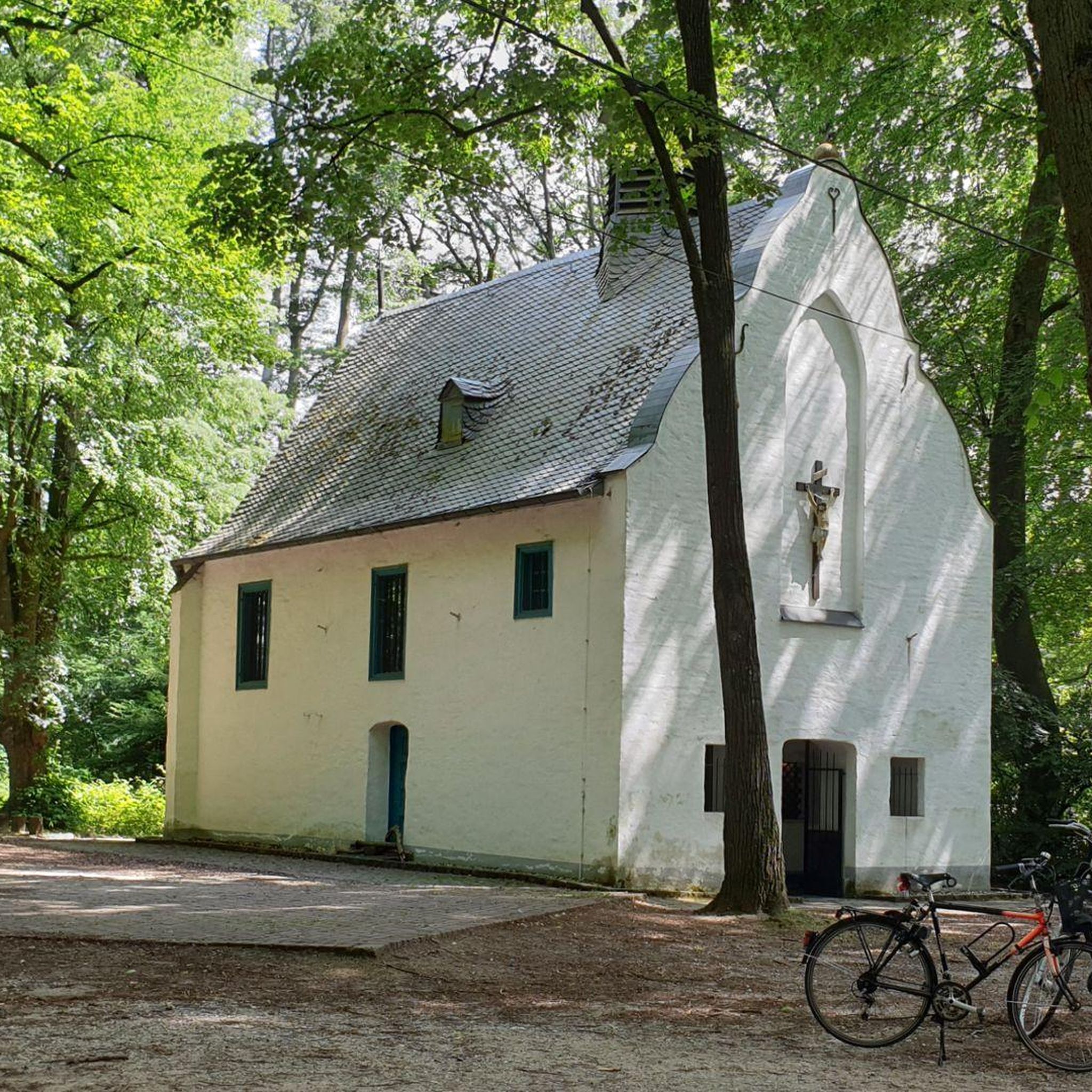
The church is now in a pitiful state. I could not find out whether this is permanent or whether they are going to restore it.
7
0
The church was built in the 16th century, during the Reconquista period. The church has undergone several restorations to preserve its original Mudéjar style and ensure its structural integrity. The church is built in the Mudéjar style, a unique combination of Islamic and Christian architecture typical of the region. The building has a basilica design with a single nave and a wooden ceiling (artesonado) typical of Mudéjar architecture. The interior is decorated with beautiful religious artwork and paintings that highlight the rich religious tradition of the church. The church is an important heritage site for Dehesas de Guadix and attracts visitors for its historical and architectural value.
7
0
Dehesas de Guadix is a small municipality. It is located in the northeast of the comarca of Los Montes and has an area of approximately 57 km²1. The municipality has approximately 426 inhabitants (2016). The history of Dehesas de Guadix goes back to the time of the Reconquista, when the kings of Spain reconquered the area from the Moors. The village was officially founded in the 15th century, when Don Diego Fernández de Iranzo received the land from the kings. One of the most remarkable features of Dehesas de Guadix is the troglodyte dwellings, which are typical of the region. These underground houses are built into the rocks and offer a unique glimpse into the traditional architecture of the area.
7
0
The coat of arms of Dehesas de Guadix is a beautiful symbol that represents the history and identity of the municipality. Here are some important elements of the coat of arms: The coat of arms is divided into three parts. First part: This part shows a mountain (monte) of sinople (green) with a house-cuve (a typical building in the region) of silver, matched with red (gules). Second part: This part shows three oliviers of sinople (green) on a field of gold (oro). Point part: This part shows wavy lines of silver and blue (azur). These elements combine natural and architectural features that are important to the region.
7
0
Frequently Asked Questions
How many no-traffic gravel bike trails are available around Alicún De Ortega?
Currently, there are 3 challenging no-traffic gravel bike trails featured around Alicún De Ortega. These routes offer an immersive experience through the region's unique landscapes, ensuring a ride away from vehicular traffic.
What kind of landscapes can I expect on these gravel bike trails?
The no-traffic gravel bike trails around Alicún De Ortega traverse the stunning Gorafe Desert and the broader Granada Geopark. You'll encounter diverse and striking natural landscapes, including arid expanses, deep canyons, unique red rock formations, and agricultural paths. The terrain is shaped by erosion, revealing impressive geological features and offering an otherworldly riding experience.
Are there any family-friendly no-traffic gravel bike routes in the area?
The current selection of no-traffic gravel bike trails around Alicún De Ortega are rated as difficult due to their length and elevation gain. While the region offers varied terrain, these specific routes might be more suitable for experienced gravel cyclists rather than families with young children or beginners.
Can I bring my dog on these gravel bike trails?
While the trails themselves are generally open, it's always best to check specific regulations for natural parks like the Granada Geopark or Sierra de Huétor Natural Park regarding dogs, especially if they need to be on a leash. Always ensure your dog is well-behaved and that you clean up after them to preserve the natural environment.
What are some notable attractions or points of interest along these no-traffic gravel bike trails?
Many of these routes pass through or near incredible natural attractions. You can explore the dramatic Los Coloraos Badlands, witness the vastness of the Gorafe Desert, and marvel at the intricate Gorafe Desert Canyons. These geological formations provide breathtaking backdrops for your ride.
Are there any circular no-traffic gravel bike routes?
Yes, all the featured no-traffic gravel bike routes are circular. For example, you can enjoy the Desert of Gorafe – Cuesta del Negral loop from San Roque, the Desert of Gorafe – Gravel Climb of Dreams loop from Dehesas de Guadix, or the Villanueva de las Torres – Dehesas de Guadix loop from Villanueva de las Torres, allowing you to start and end at the same point.
What is the best time of year for gravel biking in Alicún De Ortega?
The broader Granada region, including Alicún De Ortega, is excellent for cycling. Spring and autumn generally offer the most pleasant temperatures for gravel biking, avoiding the intense heat of summer and the cooler, potentially wetter conditions of winter. These seasons provide ideal weather to explore the arid landscapes and geological formations comfortably.
Are there opportunities for parking near the trailheads?
While specific parking information for each trailhead isn't always detailed, routes often start from villages like San Roque, Dehesas de Guadix, or Villanueva de las Torres. These villages typically offer public parking options, making it convenient to access the trails. It's advisable to check local parking availability upon arrival.
What is the typical length and elevation gain of these no-traffic gravel bike trails?
The no-traffic gravel bike trails around Alicún De Ortega vary in length and elevation. For instance, the Desert of Gorafe – Cuesta del Negral loop is nearly 90 km long with over 1380 meters of elevation gain, while the Desert of Gorafe – Gravel Climb of Dreams loop is about 36.5 km with over 617 meters of climbing. These routes offer significant challenges for gravel cyclists.
What kind of wildlife might I encounter on these trails?
The natural parks and arid landscapes around Alicún De Ortega are home to diverse wildlife adapted to the environment. While specific sightings are never guaranteed, you might spot various bird species, including raptors, as well as small mammals. The quiet nature of these no-traffic trails increases your chances of observing local fauna.
Are there any cafes or places to rest near the no-traffic gravel trails?
The routes often start or pass through small villages such as San Roque, Dehesas de Guadix, and Villanueva de las Torres. These villages may offer local cafes or small shops where you can refuel and rest. However, given the remote nature of some sections, it's always recommended to carry sufficient water and snacks for your ride.
Most popular routes around Alicún De Ortega
Most popular attractions around Alicún De Ortega

Get inspired with the komoot mobile app


Explore more
Browse the best Gravel rides in other regions.
