Attractions and Places To See in Point Nepean National Park - Top 4
Best attractions and places to see in Point Nepean National Park are found at the tip of the Mornington Peninsula in Victoria, Australia. This area features a rugged coastal landscape where Port Phillip Bay meets Bass Strait. It offers a rich blend of natural beauty, significant historical sites like the Quarantine Station and Fort Nepean, and diverse points of interest. The park also holds deep Indigenous heritage, with evidence of the Bunurong People's long connection to the land.
Best attractions…
Last updated: July 6, 2026
Eagles Nest viewpoint
Highlight • Viewpoint
Tip by

London Bridge Lookout
Highlight • Natural Monument
Tip by

Sign up now to discover places like this
Get recommendations on the best single tracks, peaks, & plenty of other exciting outdoor places.
Sign up for free
Harold Holt Memorial
Highlight • Monument
No trace of him has ever been found.
Tip by

Point Nepean
Highlight • Historical Site
The area has significant military …
Tip by
Fort Nepean
Highlight • Historical Site
Tip by
Sign up for free to discover even more attractions in Point Nepean National Park.
Sign up for free
Already have an account?
Start today with a free account
Your next adventure awaits.
Login or Signup
Tips from the Community

From this clifftop viewing area, you get a fantastic view of the limestone rock formation known as London Bridge, shaped over time by wind and powerful ocean swells. You can see across Bass Strait and the rugged coastline, where crashing waves and the dramatic sea cliffs create one of the best viewpoints in the park.
0
0
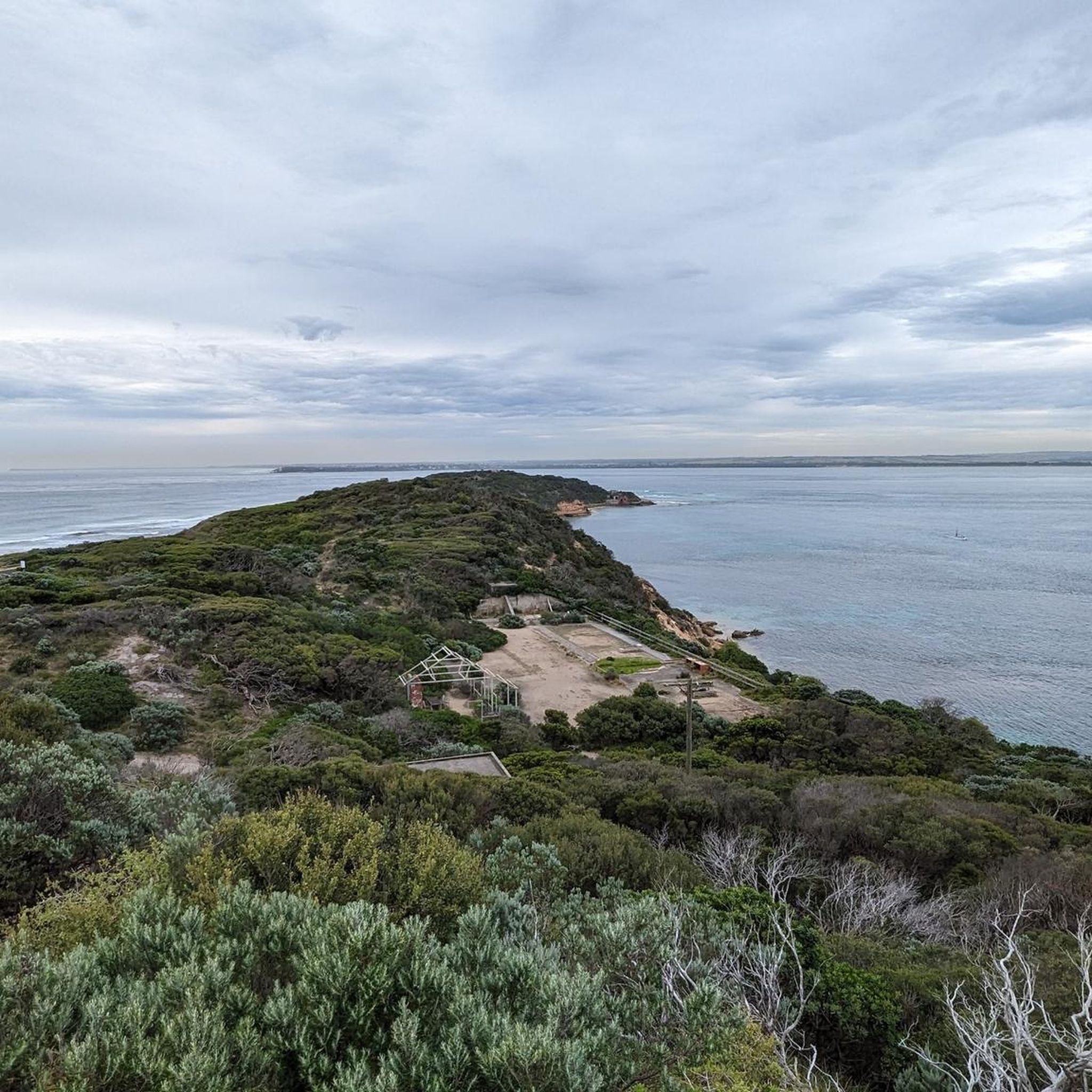
Fort Nepean sits at the very tip of the Mornington Peninsula, where Port Phillip Bay meets Bass Strait, combining picturesque coastal scenery with significant military history. As you explore the historic gun emplacements, tunnels, and fortifications, there are also expansive views across the water and one of Victoria’s most rugged coastlines. Once a key defence post protecting Melbourne, the fort played an important role in both World Wars and remains one of the main attractions in Point Nepean National Park.
0
0

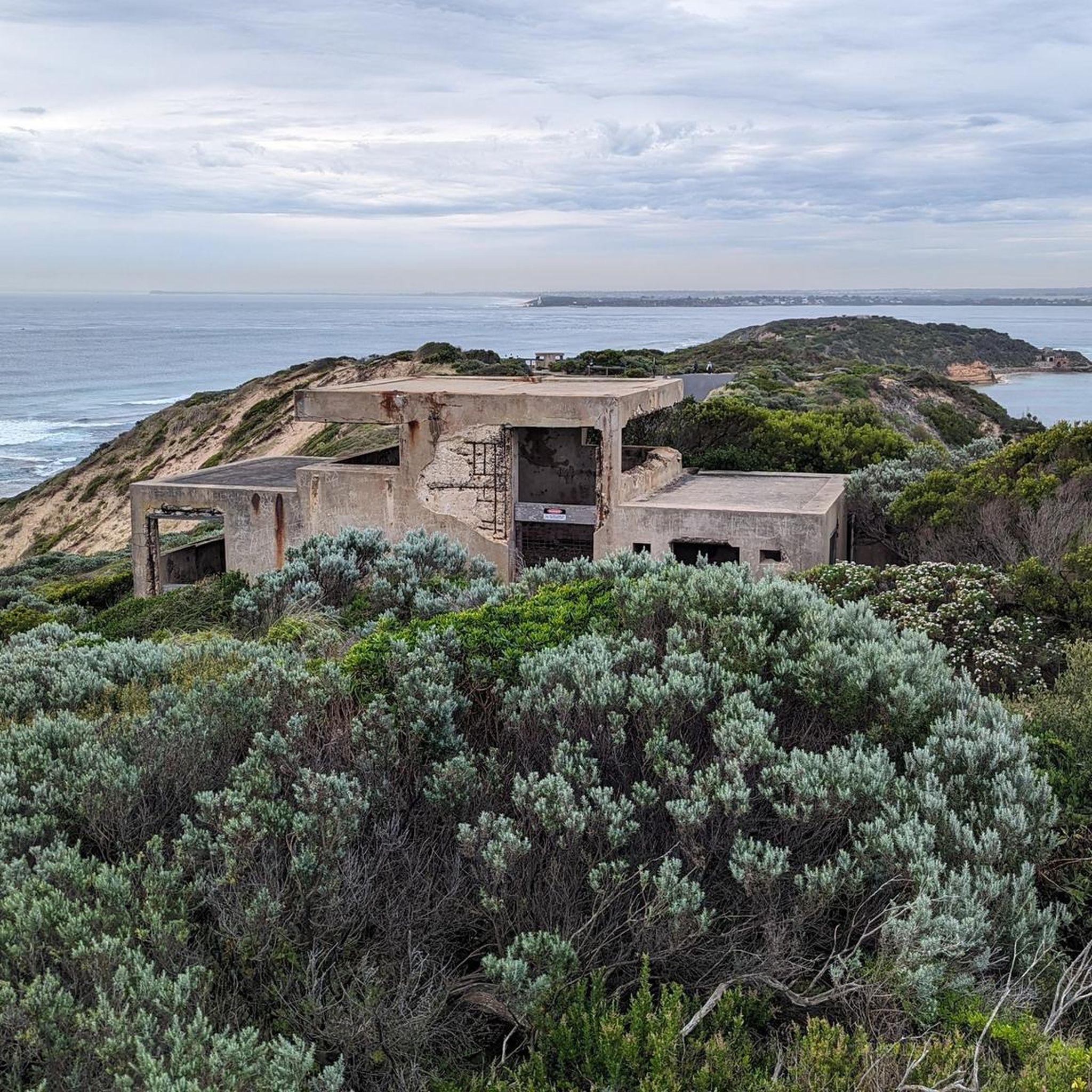
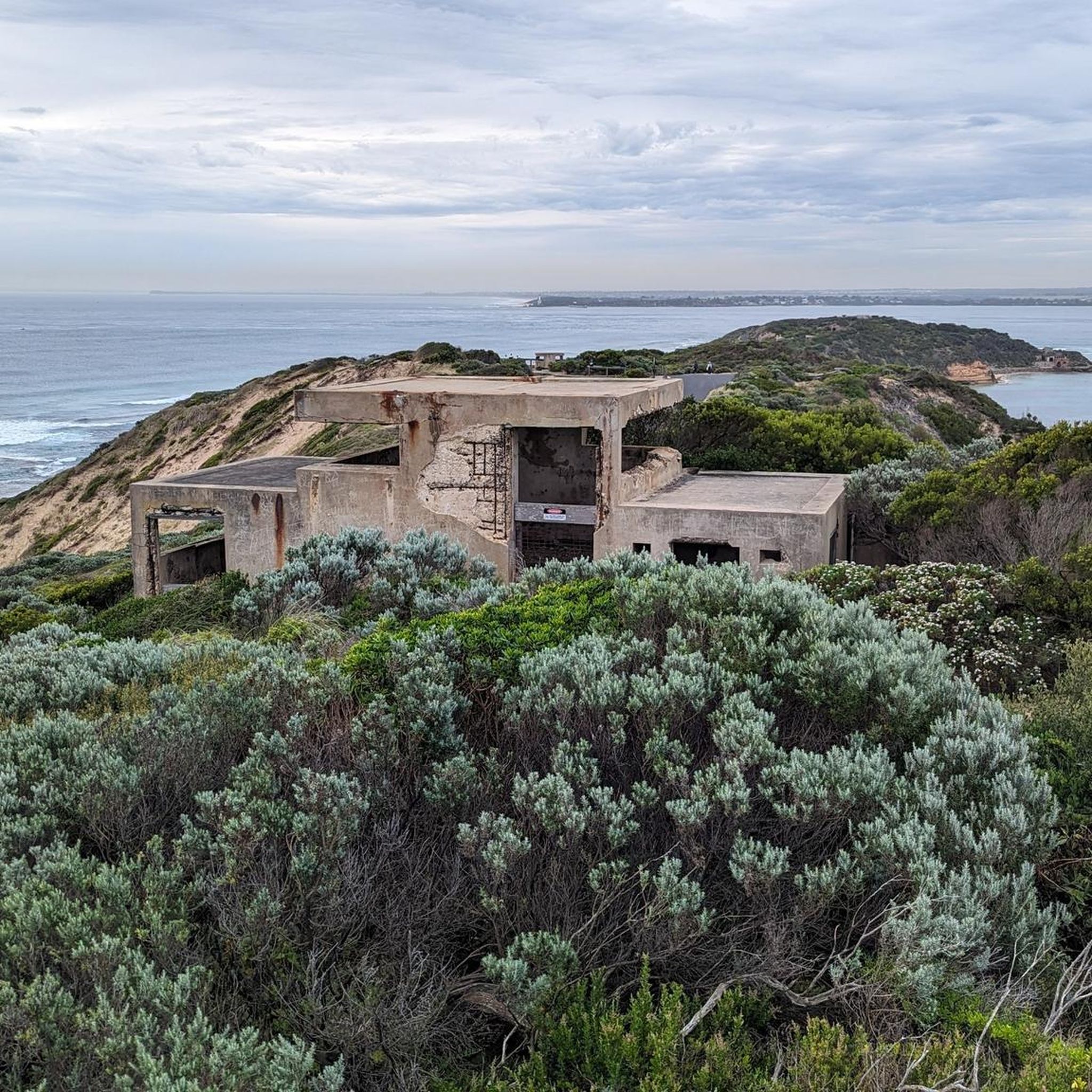
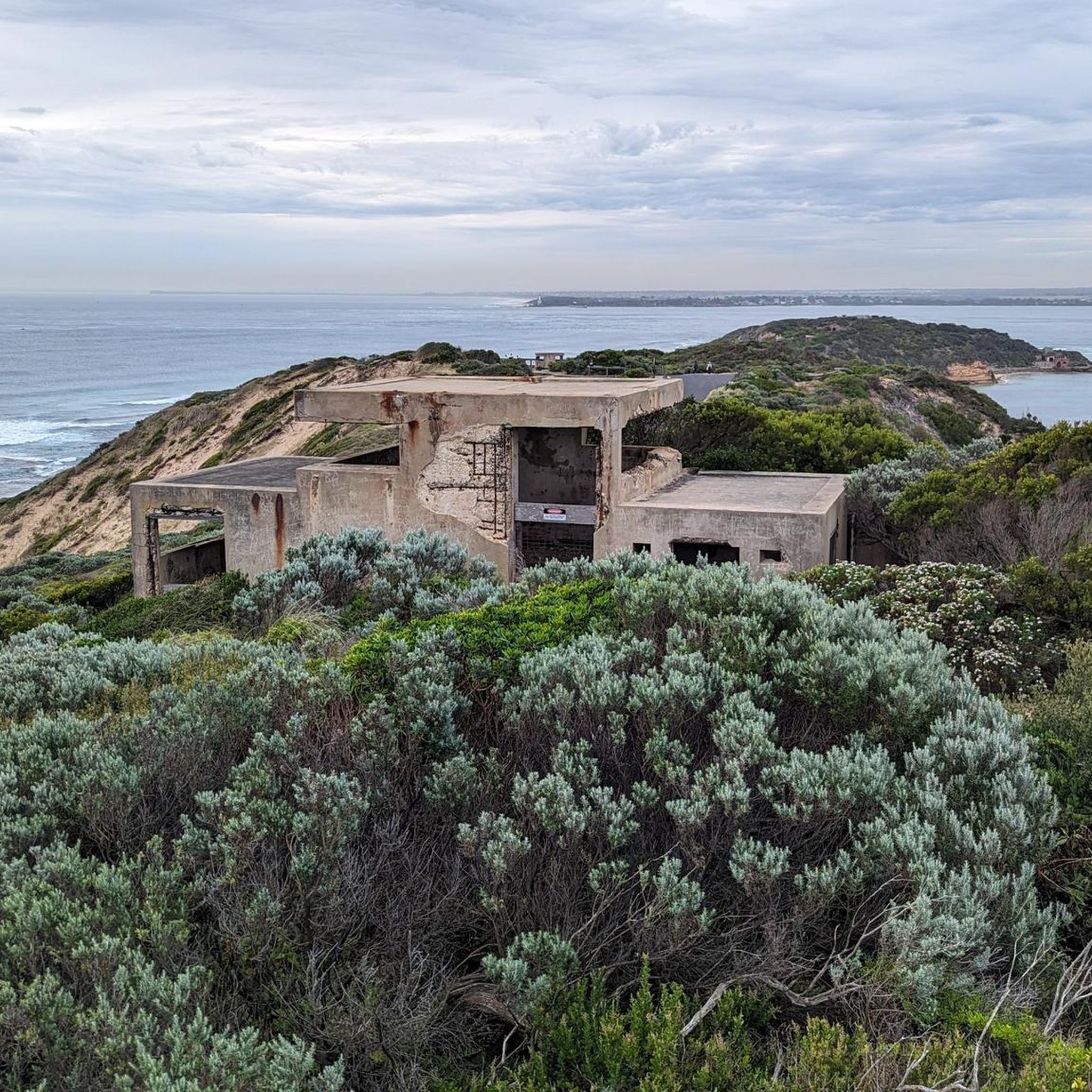
Eagles Nest was the site of Australia’s largest “disappearing gun,” installed in 1888 as part of the coastal defence system protecting the entrance to Port Phillip Bay. The gun battery was built into the hillside, with the mechanism designed to retract the gun after firing to shield it from enemy view. Today, the concrete structure and tunnel remain, with arched openings framing views toward Bass Strait and the rugged coastline below.
0
0
Point Nepean forms the western head of the entrance to Port Phillip Bay, with Bass Strait on one side and the bay on the other. The area has significant military and quarantine history, with fortifications built from the late nineteenth century to protect the narrow shipping channel known as “The Rip,” one of the most dangerous harbour entrances in Australia. The Quarantine Station, established in the 1850s, was used to isolate arriving passengers during disease outbreaks. Today, the headland combines coastal views, historic buildings, and open landscapes shaped by both natural conditions and past use.
0
0


Memorial to Australian Prime Minister, Harold Holt, who disappeared whilst swimming at Cheviot Beach. No trace of him has ever been found.
0
0
Frequently Asked Questions
What historical sites can I explore in Point Nepean National Park?
Point Nepean National Park is rich in history. You can visit the extensive Quarantine Station, which features nearly 50 heritage-listed buildings dating back to 1852. Further along, Point Nepean itself offers insights into military and quarantine history with fortifications and historic structures. Don't miss Harold Holt Memorial, commemorating the former Prime Minister.
Where are the best viewpoints in Point Nepean National Park?
For stunning panoramic vistas, head to Cheviot Hill, the highest accessible walking point, offering superb views over Cheviot Beach and Bass Strait. The Eagles Nest viewpoint provides arched openings framing views towards Bass Strait and the rugged coastline. You can also climb to the viewing platform at Monash Light for sweeping views of the national park, the bay, the ocean, and even the city skyline.
Are there easy walking trails suitable for families or those seeking a relaxed stroll?
Yes, Coles Track is an excellent option. It runs through low coastal vegetation on a sandy, compacted surface, offering an inland alternative to more exposed coastal routes. It's mostly flat and easy to follow, making it suitable for families. For more easy walks, you can explore options like the Observatory Point Beach loop or the London Bridge Lookout loop, which are detailed in the Easy hikes in Point Nepean National Park guide.
What natural features define the park's landscape?
The park is characterized by its rugged coastal landscape, dramatic cliffs, and beautiful, though often dangerous, beaches. You'll find gnarled Moonah trees bent by strong winds, and extensive shell middens, reminders of the Bunurong People's enduring connection to this land. The narrow entrance to Port Phillip Bay, known as "The Rip," is a significant natural feature that can be observed from Fort Nepean.
Can I see wildlife in Point Nepean National Park?
Yes, the park is a good place for wildlife spotting. Keep an eye out for various land and sea birds. You might also encounter native Australian animals such as kangaroos, wallabies, echidnas, and possums, especially during quieter times of the day.
What outdoor activities can I do near the attractions in Point Nepean National Park?
Beyond exploring the historical sites, the park offers excellent opportunities for outdoor activities. You can enjoy various hikes, including easy loops around Observatory Point Beach. For those interested in cycling, there are several road cycling routes, such as the Sorrento Foreshore loop. Runners can find suitable running trails, including a moderate 9.5 km loop from Point Nepean National Park to Fort Nepean.
How long does it typically take to explore Point Nepean National Park?
The time required depends on how much you wish to see. A quick visit to Fort Nepean and a few viewpoints might take 2-3 hours. However, to fully explore the Quarantine Station, walk or cycle along the various trails like Coles Track, and take in the different historical sites and natural features, you could easily spend a full day (5-7 hours).
What is the best time of year to visit Point Nepean National Park?
Point Nepean National Park can be enjoyed year-round. Spring (September to November) offers pleasant temperatures and blooming wildflowers. Autumn (March to May) also provides mild weather ideal for walking and cycling. Summer (December to February) can be warm, but the coastal breezes offer some relief, making it popular for beach activities and enjoying the views. Winter (June to August) is cooler and quieter, perfect for those who prefer fewer crowds, though some facilities might have reduced hours.
Is Point Nepean National Park accessible for visitors with limited mobility?
While many areas of the park involve walking or cycling on unpaved trails, some sections are more accessible. The main Defence Road, which runs through the park, is generally well-maintained and suitable for prams and wheelchairs, though it does have some inclines. The Quarantine Station has some accessible paths and facilities. It's advisable to check the official Parks Victoria website for specific accessibility details before your visit: parks.vic.gov.au.
What is 'The Rip' and where can I see it?
"The Rip" is the narrow and often treacherous entrance to Port Phillip Bay, where strong currents flow between the bay and Bass Strait. It's considered one of Australia's most dangerous harbor entrances. You can best observe "The Rip" from Fort Nepean, located at the very tip of the peninsula, and watch large freight and cruise ships navigate this challenging waterway.
Are there any unique historical buildings to see besides the main fort and quarantine areas?
Yes, within the Quarantine Station complex, you can find Shepherd's Hut, one of Victoria's earliest intact limestone buildings, dating back to 1845. This provides a glimpse into the early European settlement and history of the area, predating much of the Quarantine Station's main operations.
Most popular routes in Point Nepean National Park

Get inspired with the komoot mobile app


Explore more
Still not found the Highlight you’re looking for? See guides of the top attractions in other regions:
