Top 3 Castles around Rocca Sinibalda
Best castles around Rocca Sinibalda are situated in a region characterized by its historical significance and the scenic Turano Valley. This area, located in the province of Rieti, features fortifications that have evolved from military strongholds to aristocratic residences over centuries. The landscape includes pristine territory, forests, and mountains, providing a backdrop for these historical structures. The castles offer insights into medieval and Renaissance architecture and local history.
Best castles around Rocca Sinibalda
- The most popular castles is Rocca Sinibalda…
Last updated: November 1, 2026
Rocca Sinibalda Castle
Highlight • Castle
Translated by Google •
Tip by

Rocca Sinibalda
Highlight • Castle
Translated by Google •
Tip by

Sign up now to discover places like this
Get recommendations on the best single tracks, peaks, & plenty of other exciting outdoor places.
Rigatti Village and Baronial Palace
Highlight • Settlement
Translated by Google •
Tip by

Frasso Sabino
Highlight • Settlement
Showing Translation
Tip by
Rocca Cenci
Highlight • Castle
Showing Translation
Tip by
Start today with a free account
Your next adventure awaits.

Other adventures around Rocca Sinibalda

Tips from the Community

La Rocca Cenci, now in ruins, is linked to the tragic story of Beatrice Cenci, a young Roman noblewoman who, according to historical reconstructions, was locked up here by her father in 1595. In 1598, Beatrice, with accomplices, organized the murder of her father, Francesco, right in the Rocca. The crime was initially disguised as an accident, but was discovered. Beatrice, her stepmother Lucrezia, and her brother Giacomo were executed in Rome in 1599.
0
0

Guided Tours - info www.castelloroccasinibalda.it
0
0
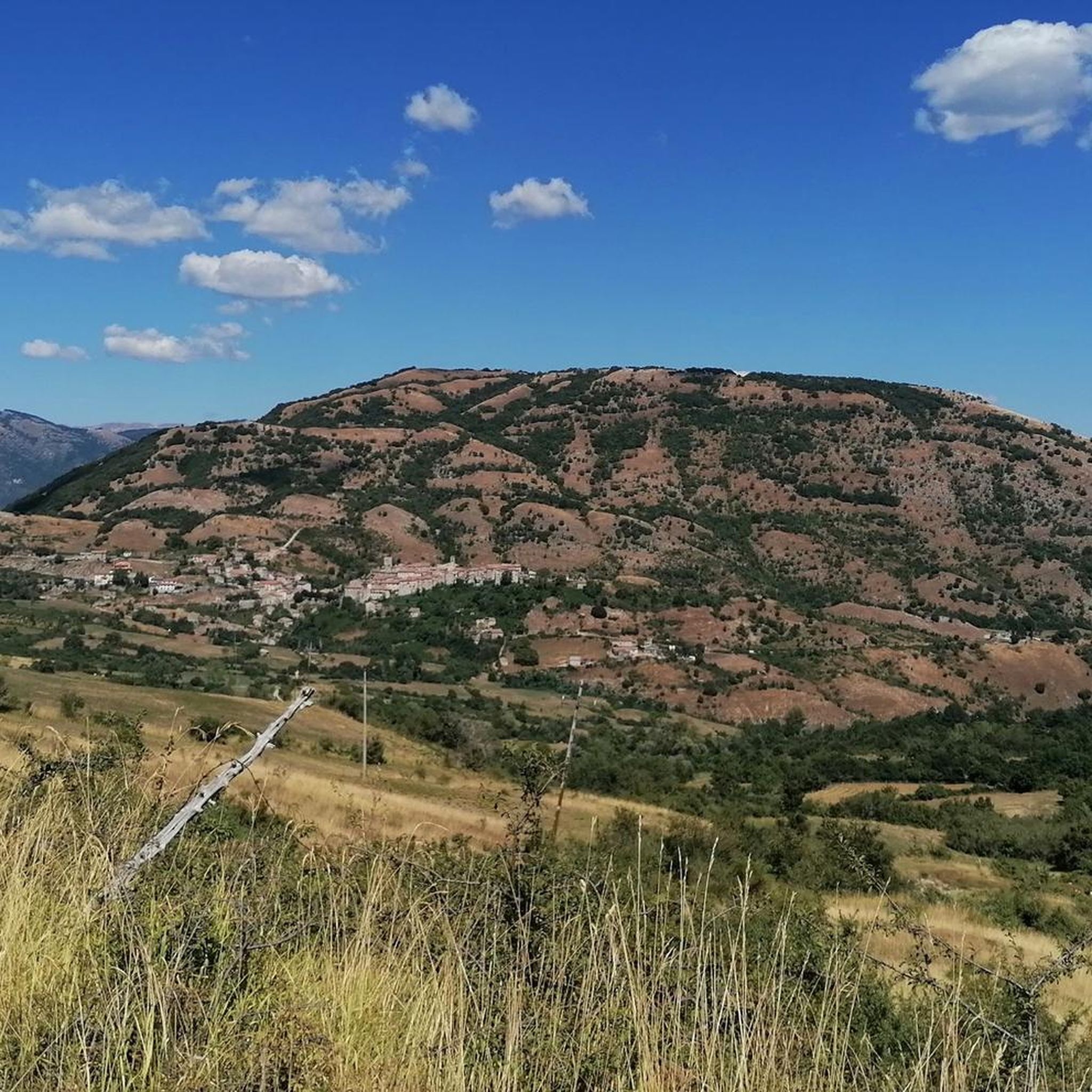
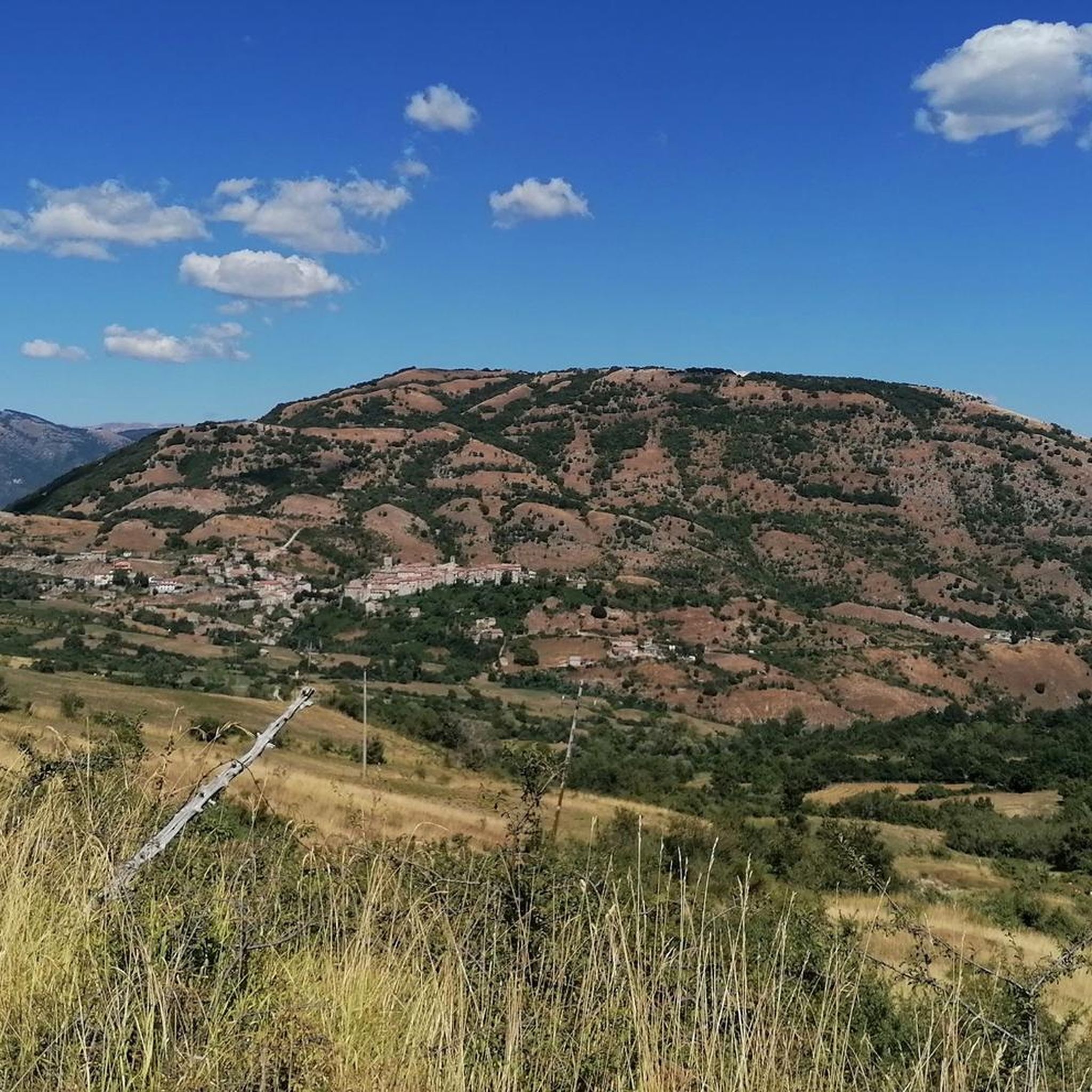
Frasso Sabino is a village in the Sabina reatina with origins at least from the early Middle Ages, closely linked to the Abbey of Farfa. Its first known documentary attestation dates back to 955, in the Regestum Farfense, where it appears as “locus ubi dicitur ad Frassum”. In 1055, Alberto, son of Gibbone, donated the castle of Frasso to the abbot of Farfa, Berardo I, confirming the importance of the center in the territorial system of the abbey. Already in 1118, however, Frasso was no longer under the jurisdiction of Farfa, nor is it mentioned in 1198 among the assets confirmed to the abbey by Pope Innocent III. Between the 14th and 15th centuries, the fief passed to the Brancaleoni, and then in 1441 entered the possessions of the Cesarini through the marriage between Orso Cesarini and Simodea Brancaleoni. After various disputes with the Savelli, the Cesarini definitively consolidated their dominion in 1573 and retained possession of the place until 1817. Even the name of the town has debated origins: according to one tradition, it derives from the once abundant ash trees, while other hypotheses connect it to fraxum as a guard post or to the position “among the stones” near the springs of the Farfa. In summary, the history of Frasso Sabino is that of a small Sabine castle born in the orbit of Farfa, then transformed into a lordly fief and remaining for centuries an important outpost of the territory.
0
0
The village of Rigatti has medieval origins, having probably been built in the 12th century. Its history is closely linked to the parish church of Santa Maria in Rivogatti, dating back to 1153, around which the settlement developed. Over the centuries, Rigatti has been part of various domains: • Papal State • Kingdom of Naples (in some periods) • Fiefdom of the Mareri family for a long time. The village has had a strategic role, with its castle in visual communication with other military structures in the area, such as the castles of Girgenti and Marcetelli. the baronial palace of Rigatti, originally a medieval castle from the 12th century, was transformed into a noble residence during the Renaissance. It has a characteristic trapezoidal shape and a central keep tower, today it is the Caprioli house and houses a painting depicting the Mareri family coat of arms.
0
0

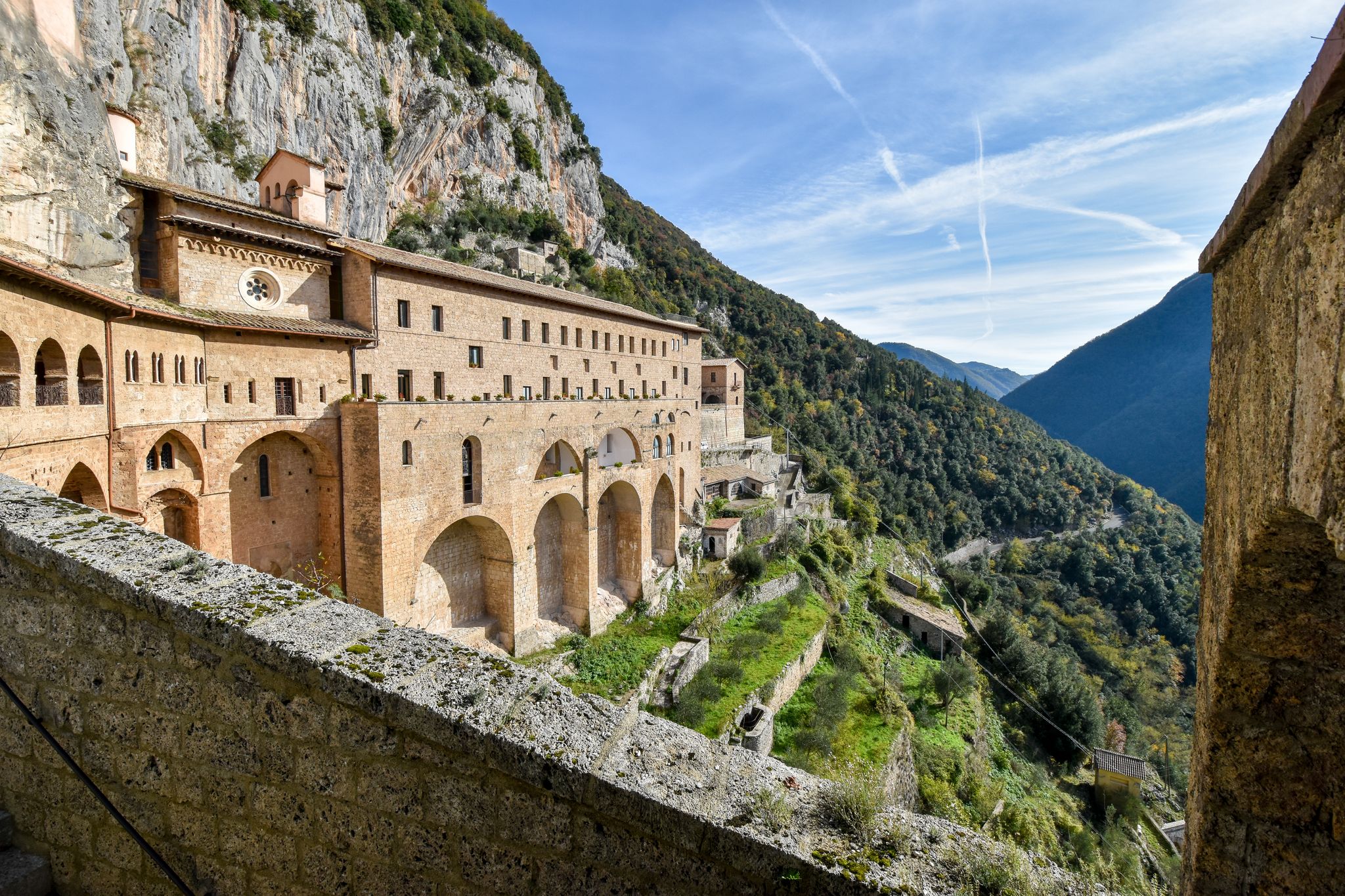
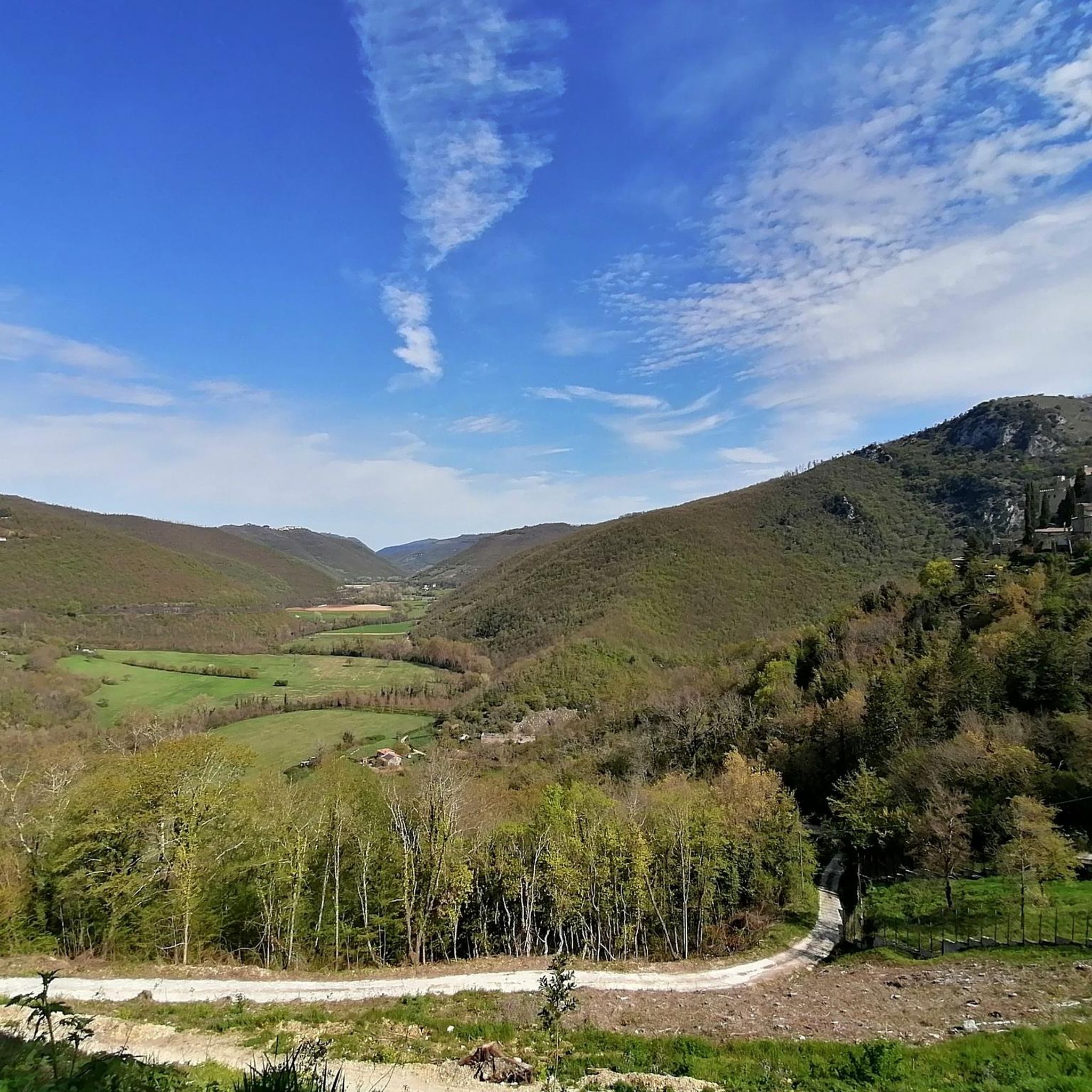
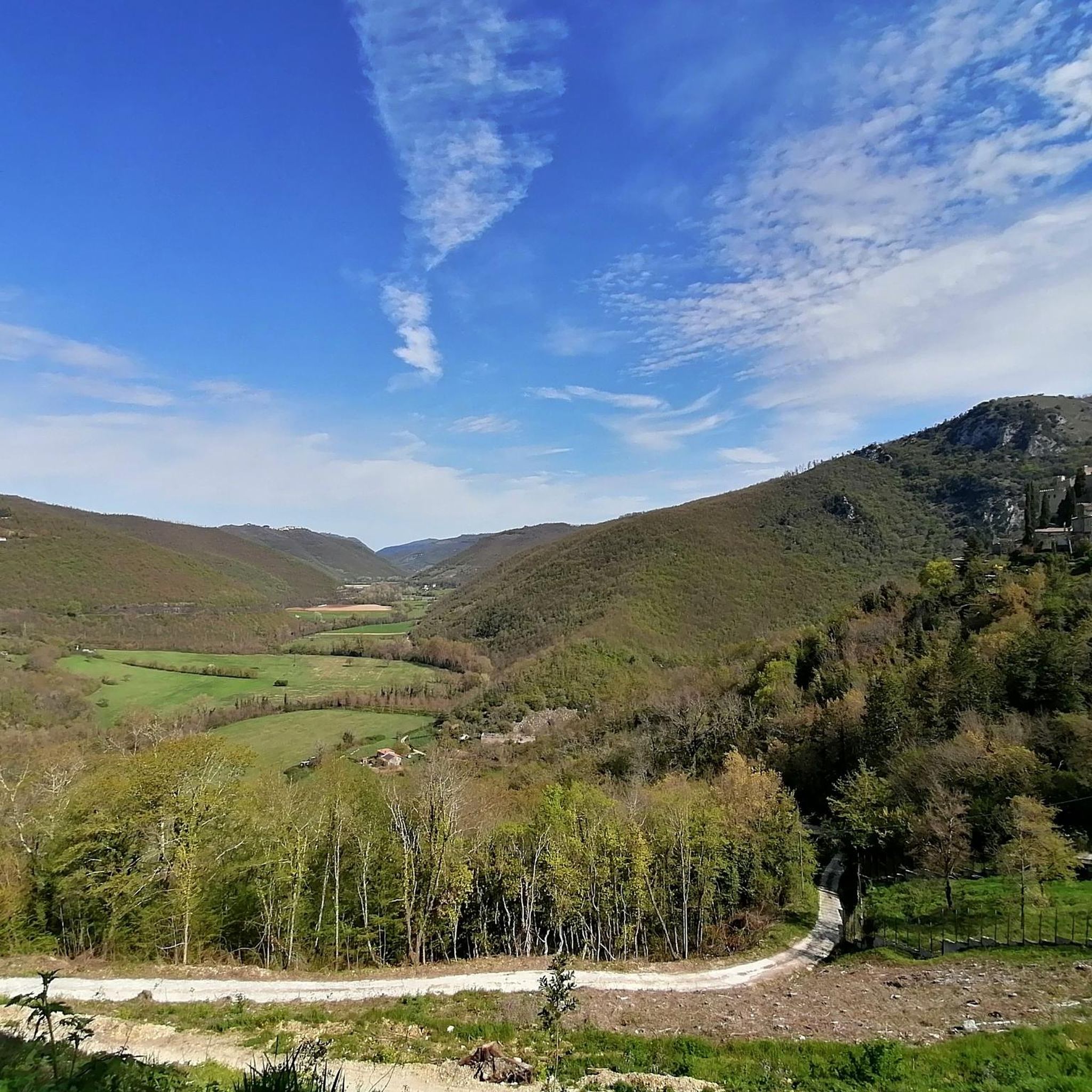
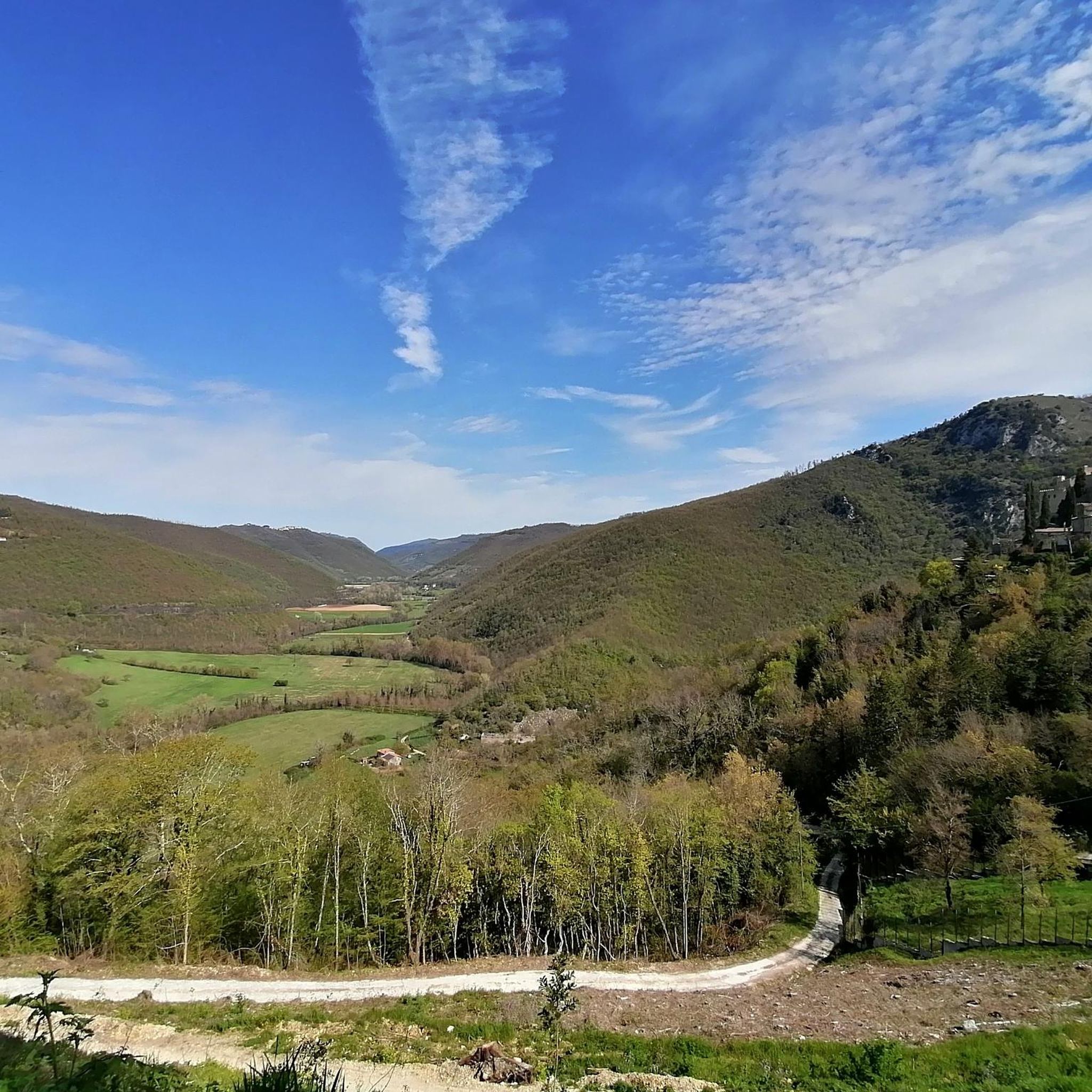
Rocca Sinibalda dominates the lush Turano Valley from above, the second most important river in Sabina after the Velino. The village is dominated by a castle founded around 1060. It was rebuilt as a fortress and noble residence in the 1630s by Cardinal Alessandro Cesarini who hired the famous Sienese architect Baldassarre Peruzzi for the occasion. It can only be visited on certain days. It is therefore advisable to inform yourself before departure.
0
0

The Castle of Rocca Sinibalda, located in the province of Rieti, has a rich and fascinating history. Its construction dates back to the 10th century and was built to defend the surrounding area and control the territory. Over the centuries, the castle passed between various noble families, including the Savellis, the Orsinis and the Sinibaldis, from which it takes its name.
1
0

Declared a national monument in 1928, Rocca Sinibalda and its imposing castle have always exerted a great charm on the visitor. Its dominant position over the Turano Valley has made it a strategic point for innumerable populations and families since its foundation, probably dating back to the 11th century.
0
0
Frequently Asked Questions
What makes the Rocca Sinibalda Castle unique?
The Rocca Sinibalda Castle, also known as the Sforza Cesarini Castle, stands out for its extraordinary 16th-century redesign by Baldassarre Peruzzi, which shaped it into a unique zoomorphic design resembling an eagle with folded wings or a scorpion. It features splendid 16th-century frescoes depicting the myth of Metamorphosis, giving it the moniker 'Castle of Metamorphoses,' and houses an eclectic collection of global art, including indigenous American and African pieces.
Are there other historical castles or fortified villages to visit near Rocca Sinibalda?
Yes, beyond the main castle, you can explore the medieval origins of Rigatti Village and Baronial Palace, which was originally a 12th-century castle transformed into a noble residence. Another historically significant site is Frasso Sabino, a village with a castle dating back to at least the early Middle Ages, closely linked to the Abbey of Farfa.
What kind of art and cultural experiences can I find at Rocca Sinibalda Castle?
The Rocca Sinibalda Castle offers a rich artistic and cultural experience. It boasts restored 16th-century frescoes, 18th-century regional landscape frescoes, and Mannerist paintings. The castle also houses a unique collection of indigenous American masks and totems, African masks, and contemporary sculptures, creating a captivating blend of historical and modern art.
What are the best outdoor activities to do near the castles of Rocca Sinibalda?
The area around Rocca Sinibalda offers various outdoor activities. You can find numerous hiking trails, such as the 'Walk from Castel di Tora towards Monte Navegna' (difficult) or the 'Vallocchie Waterfall – Castel di Tora loop' (easy). For cycling enthusiasts, there are routes like 'Gravel on Lake Turano' (difficult). Runners can enjoy trails like 'Castel Di Tora – S.Maria del Piano Trail' (moderate). You can find more details and routes in the Hiking around Rocca Sinibalda, Cycling around Rocca Sinibalda, and Running Trails around Rocca Sinibalda guides.
What are the opening times and ticket information for Rocca Sinibalda Castle?
The Rocca Sinibalda Castle can only be visited on certain days. It is advisable to inform yourself about current opening hours and ticket availability before your visit. Some sources suggest that visits are often by reservation.
Can I stay overnight at Rocca Sinibalda Castle?
Yes, the Rocca Sinibalda Castle offers unique hospitality. By reservation, visitors can stay overnight in large rooms and suites, allowing for an immersive experience where you can move freely among the castle's collections and enjoy its historical ambiance.
What kind of views can I expect from Rocca Sinibalda Castle?
Perched on a rock spur, the Rocca Sinibalda Castle offers breathtaking interior views and stunning exterior panoramas of the pristine Turano Valley, surrounding forests, and mountains. The walkways around the perimeter also provide excellent vantage points.
What is the historical significance of Rocca Sinibalda Castle?
The Rocca Sinibalda Castle is a Grade I Listed National Monument since 1928, offering a journey through nearly a thousand years of history. Originally an 11th-century military fortress, it was transformed into an aristocratic residence in the 16th century and later became an artists' retreat, hosting figures like Dali and Peggy Guggenheim.
Are there any family-friendly activities or features at the castles near Rocca Sinibalda?
While specific family-friendly activities are not detailed for all castles, the historical and architectural uniqueness of the Rocca Sinibalda Castle, with its zoomorphic design, frescoes, and eclectic art collections, can be engaging for older children interested in history and art. Exploring the ramparts and subterranean passages can also be an adventure. The nearby villages of Rigatti and Frasso Sabino offer a glimpse into medieval life.
What do visitors enjoy most about Rocca Sinibalda Castle?
Visitors are often captivated by the Rocca Sinibalda Castle's unique architecture, which blends medieval fortress elements with Renaissance grandeur. The rich history, the stunning 16th-century frescoes, and the diverse art collections, including global ethnographic pieces, provide a truly distinctive cultural experience. Its commanding position overlooking the Turano Valley also offers spectacular views.
What is the best time to visit the castles around Rocca Sinibalda?
Visiting during spring or autumn generally offers pleasant weather for exploring the castles and the surrounding natural beauty. These seasons provide comfortable temperatures for walking around the castle grounds and enjoying the scenic views of the Turano Valley without the intense heat of summer or the chill of winter.
Most popular routes around Rocca Sinibalda
Most popular attractions around Rocca Sinibalda

Get inspired with the komoot mobile app


Explore more
Looking for the best castles somewhere else? Discover other guides around Rocca Sinibalda:
