Top 3 Natural Monuments in Weesener Bach
Best natural monuments in Weesener Bach are primarily defined by the Weesener Bach stream itself, a prominent natural monument located in Lower Saxony, Germany, forming part of the Südheide Nature Park. This area is recognized for its exceptional water quality, which supports diverse rare and endangered aquatic species. The reserve encompasses varied habitats, including riparian, swamp, and moor forests, heathlands, and species-rich grasslands. These landscapes provide a home for a wide range of flora and fauna, making the region ecologically valuable.
Best natural monuments in Weesener Bach
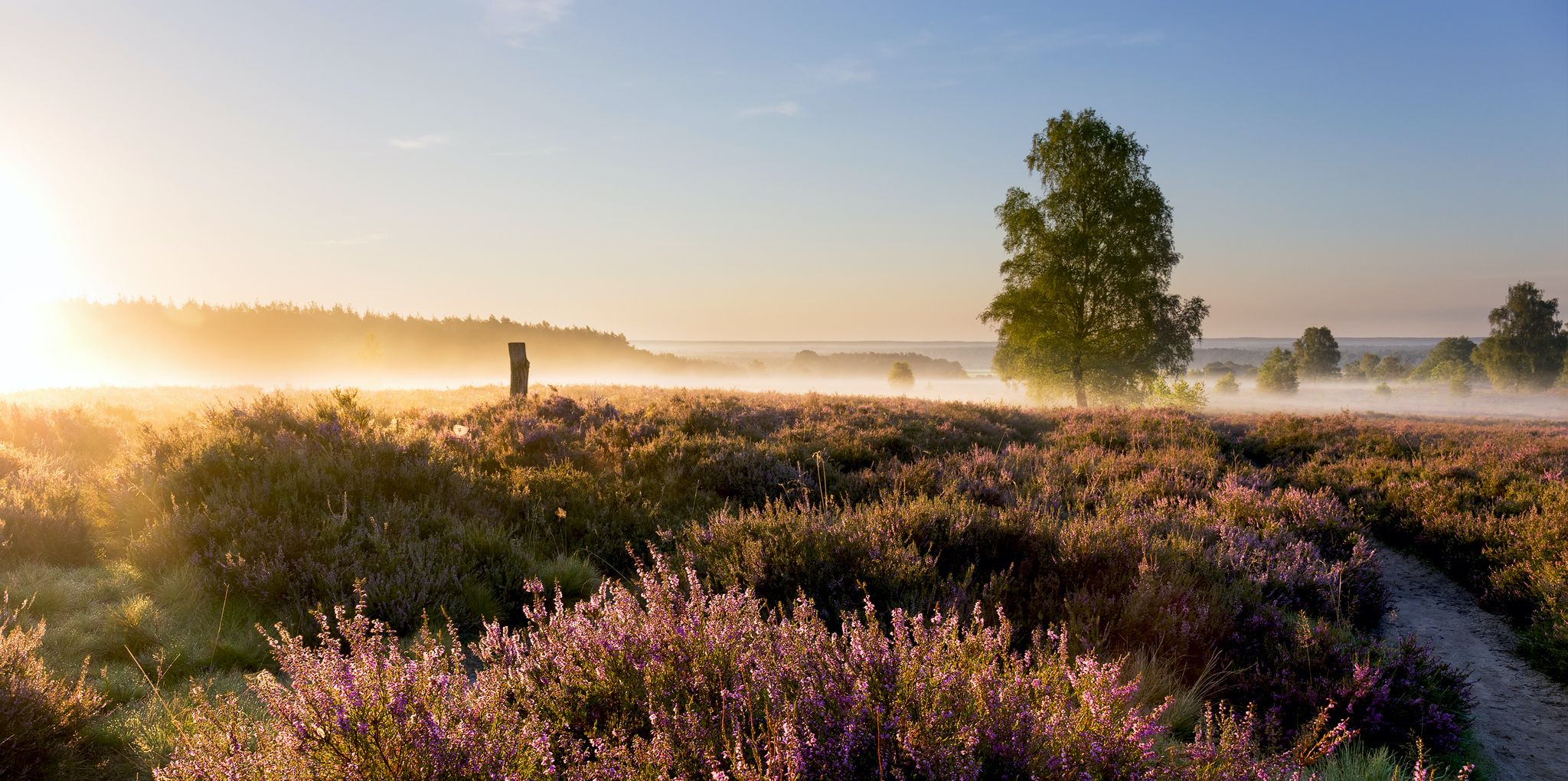
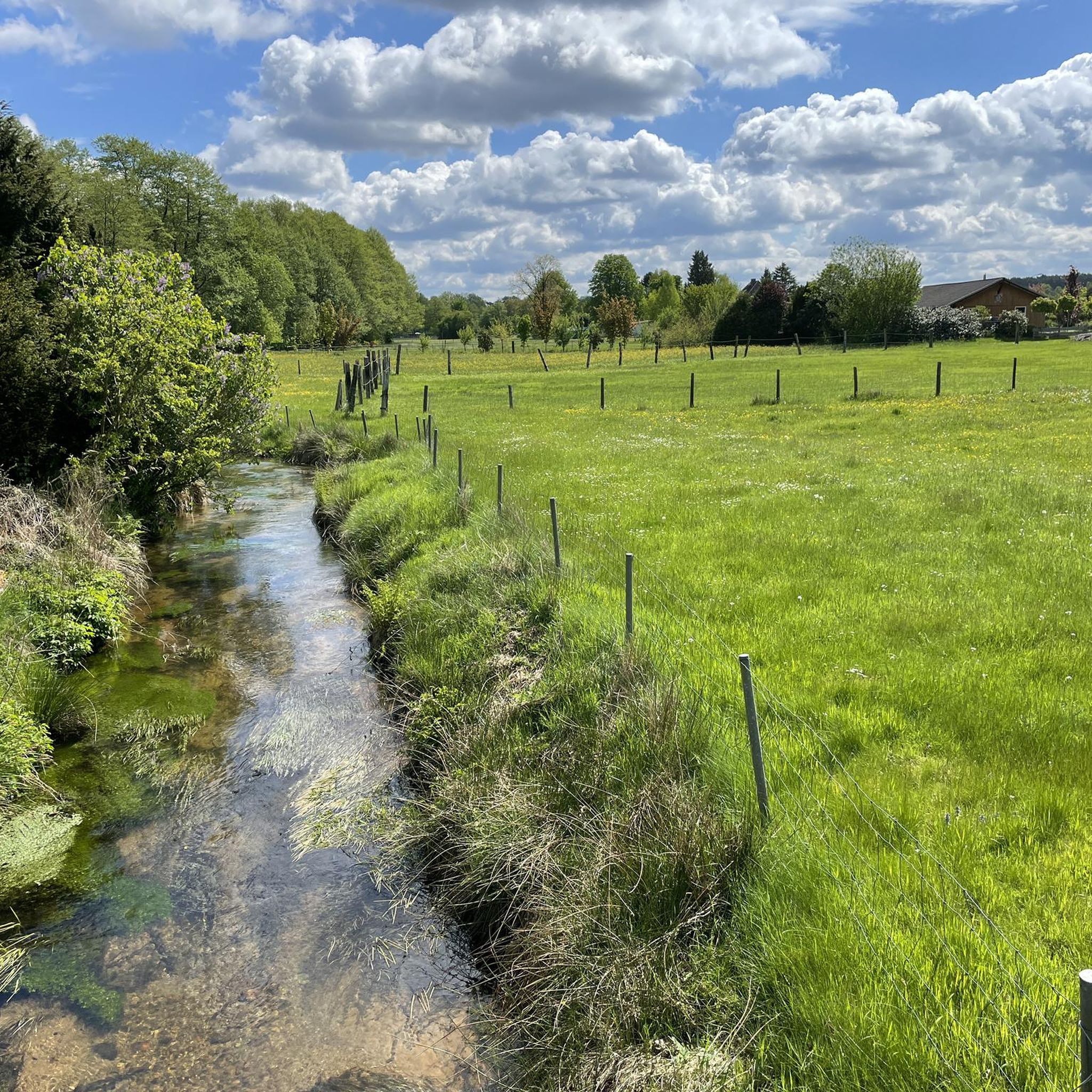
- The most popular natural monuments is Weesener Brook, a river that serves to preserve the Weesener Bach as a natural, summer-cold heath stream with good to very good water quality. This area supports ecological continuity and various biotope types in the floodplain.
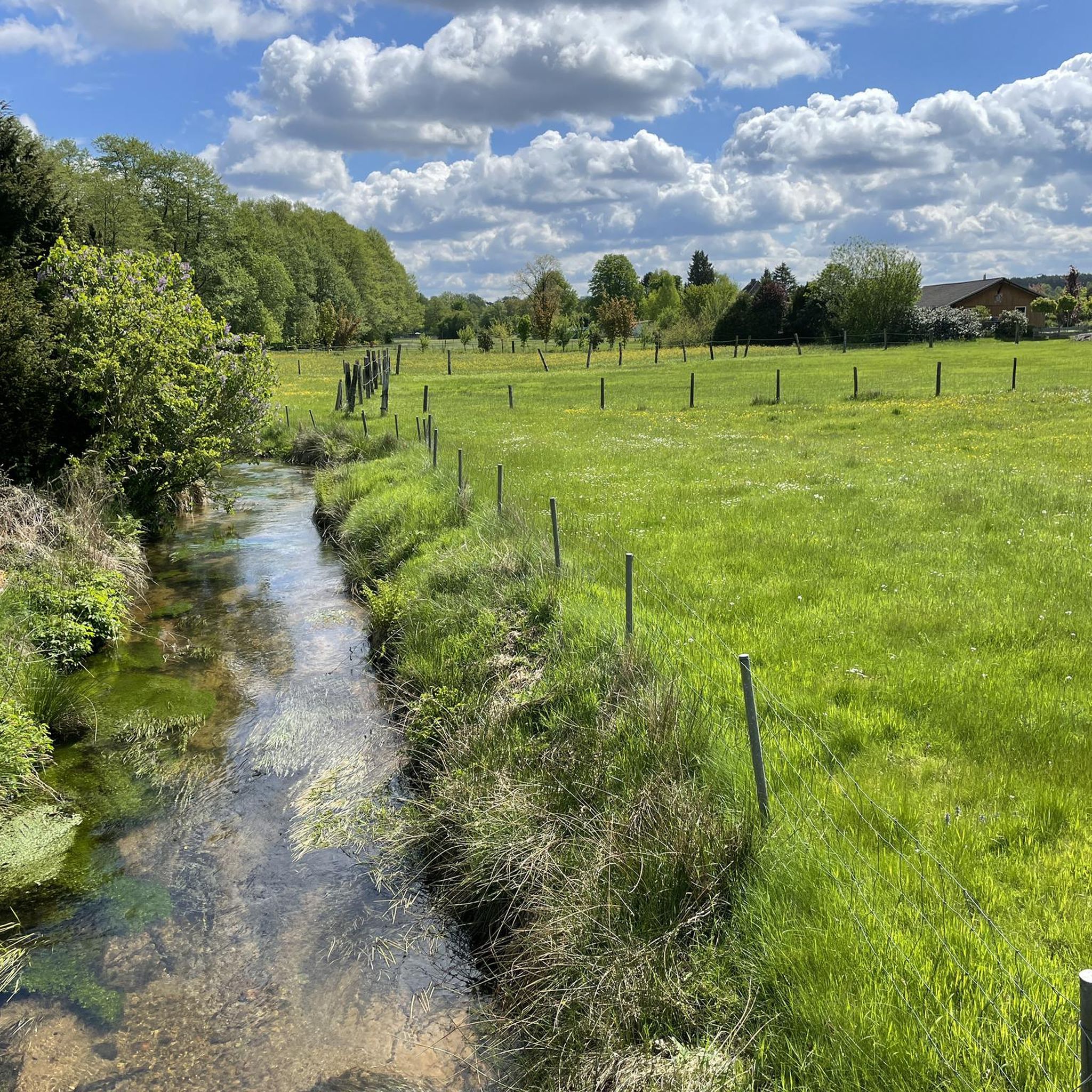
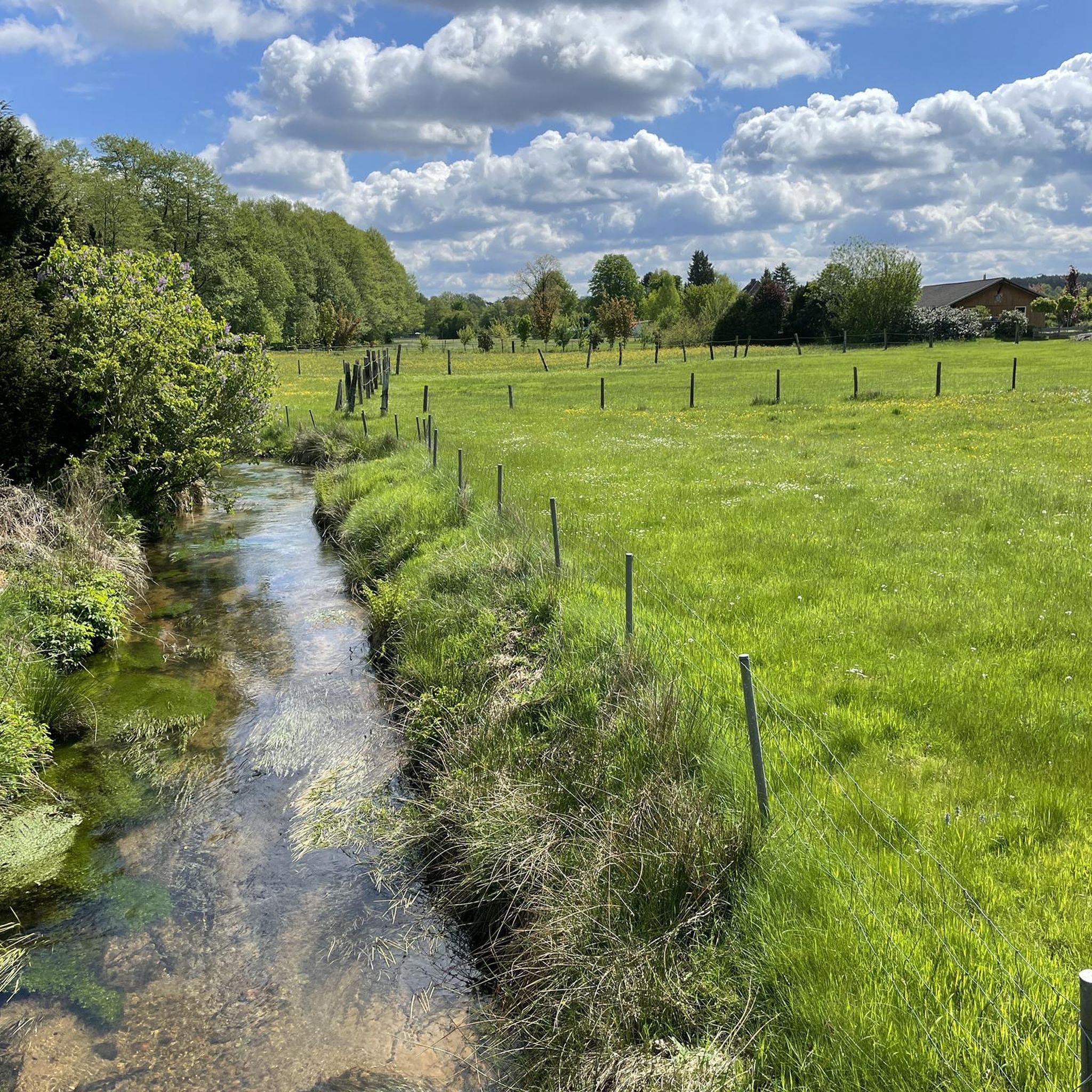
- Another must-see spot is Heiliges Bächle, a river featuring a bridge over clear water. Visitors can experience a very nice place, suitable for cooling off in the small stream during warmer months.
- Visitors also love Path Along the Stream in Naturpark Südheide, a trail that offers an immersive experience through an enchanting landscape. This path provides opportunities to explore the natural beauty of the area.
- Weesener Bach is known for its rivers, forests, and trails. The area features a variety of natural monuments, including the pristine stream, diverse forest types, and expansive heathlands, offering numerous natural sights to explore.
- The natural monuments in Weesener Bach are appreciated by the komoot community, with more than 280 upvotes and 60 photos shared by visitors.
Last updated: November 26, 2026
Weesener Brook
Highlight • River
nlwkn.niedersachsen.de/naturschutzgebiets/naturschutzgebiet-weesener-bach-42893.html
Translated by Google •
Tip by

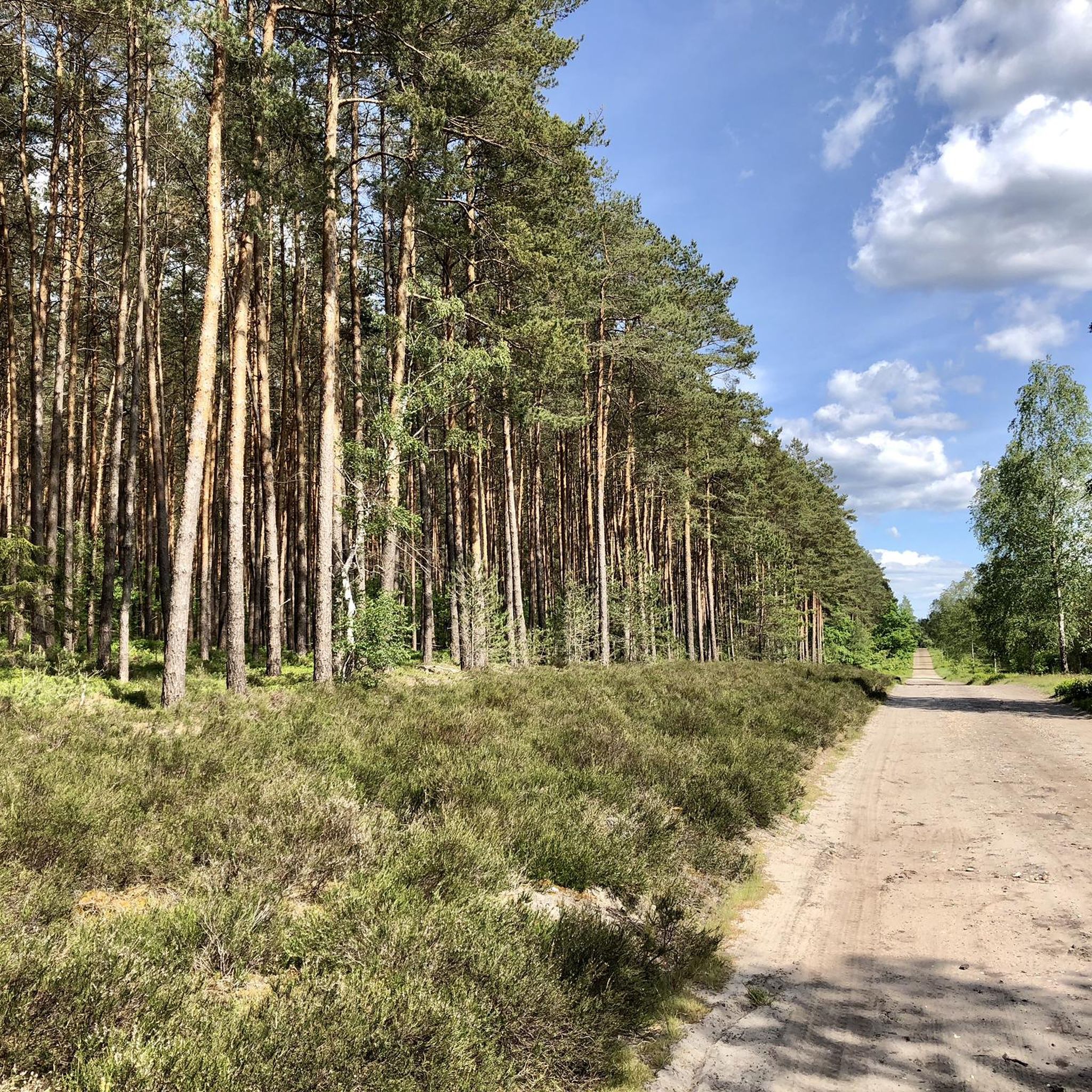
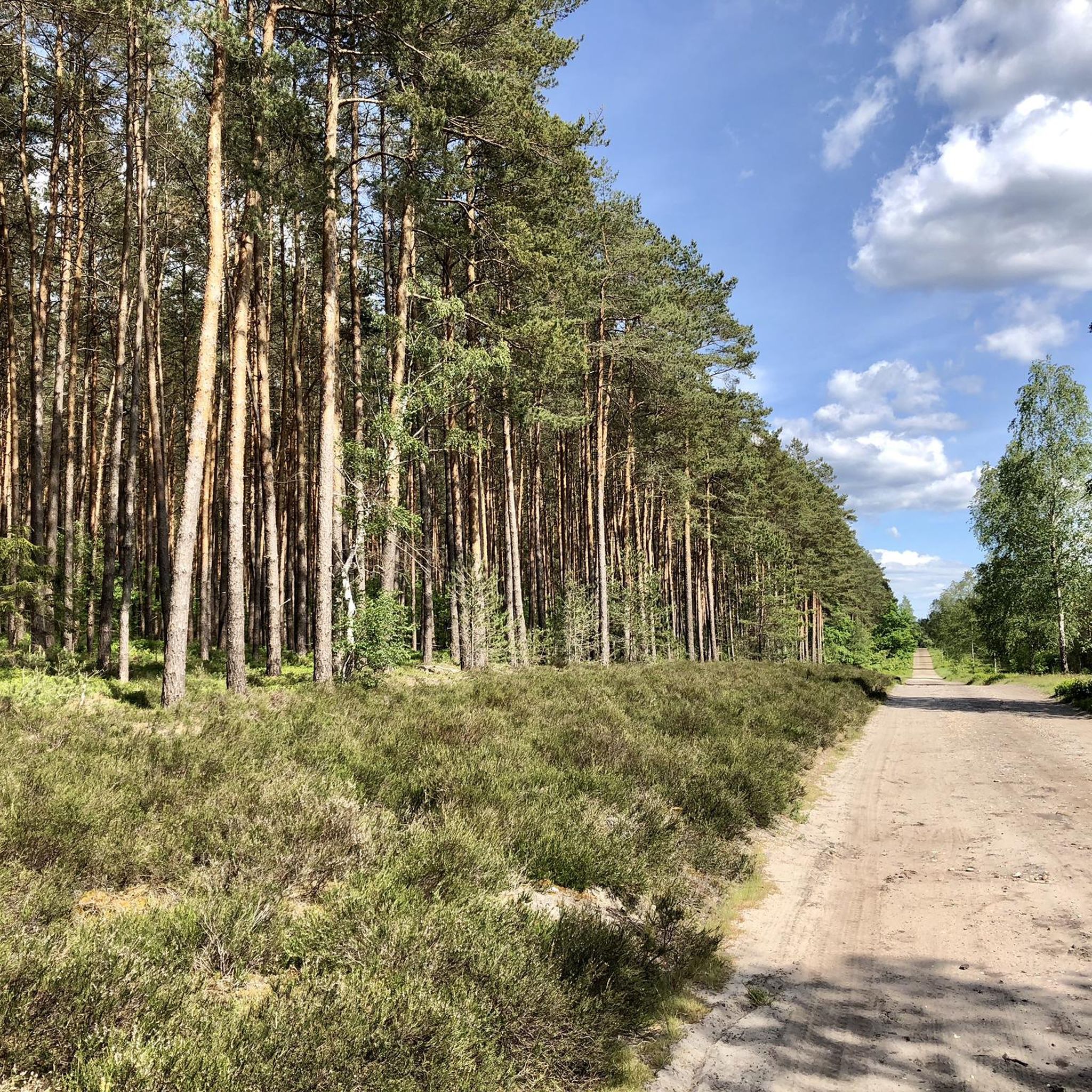
Through the pine forest
Highlight (Segment) • Forest
Translated by Google •
Tip by

Sign up now to discover places like this
Get recommendations on the best single tracks, peaks, & plenty of other exciting outdoor places.
Heiliges Bächle
Highlight • River
Translated by Google •
Tip by

Start today with a free account
Your next adventure awaits.
Other adventures in Weesener Bach

Tips from the Community

Stinkingly boring section... just straight ahead on a wide forest road
1
0

The 11th stage of the Heidschnuckenweg also runs along here. All information about the Heidschnuckenweg can be found under the following link: https://www.heidschnuckenweg.de/etappen (as of September 6, 2024).
0
1

The region is already well signposted, with signposts at important places. Despite this, and even with Komoot navigation, it is sometimes very helpful to get an overview of the area. It doesn't do any harm, and sometimes you can even find new destinations for a tour.
3
0

Cycle path signs and hiking trail signs They point you to the next place and also show the distance to the next place.
1
0
It's always nice to drive through the forest, even if the route isn't so easy to drive on... then I had to go through it
3
2

The area serves the preservation and development of the Weesener Bach as a natural, summer-cold heath stream with good to very good water quality and ecological continuity, other near-natural flowing and still waters as well as various biotope types in the floodplain, such as. B. floodplain, marsh and moor forests, swamps, wet and moorland bushes, species-rich grassland areas, semi-natural transition and spring raised moor areas, heaths of different ages, hedges, rows of trees and semi-natural stands of trees as well as semi-natural deciduous forests and pine forests rich in dwarf shrubs, including semi-natural forest edges and edges. https://www.nlwkn.niedersachsen.de/naturschutzgebiets/naturschutzgebiet-weesener-bach-42893.html
7
1

A challenging section from Lutterloh to Hermannsburg
2
1
A small wooden bridge leads over the creek. The stream flows here dreamily embedded by trees
9
4
Frequently Asked Questions
What makes the Weesener Bach natural monuments unique?
The Weesener Bach, also known as the Lutterbach, is renowned for its exceptional water quality, rated as category I-II. This pristine environment supports a diverse array of rare and endangered animal species, including brown trout, bullhead, and brook lamprey. The area also boasts varied habitats like riparian, swamp, and moor forests, heathlands, and species-rich grasslands, making it a vital ecological site within the Südheide Nature Park. The stream itself, particularly the Weesener Brook, is a primary natural monument.
What kind of wildlife can I expect to see in the Weesener Bach nature reserve?
Due to its excellent water quality and diverse habitats, the Weesener Bach nature reserve is home to a rich variety of wildlife. You might spot rare aquatic species such as brown trout, bullhead, and brook lamprey in the stream. The area also supports the vibrant kingfisher, an indicator of a healthy aquatic environment, and at least 60 endangered species of vascular plants, mosses, amphibians, and reptiles along its banks and water meadows.
Are there family-friendly activities or trails around the Weesener Bach natural monuments?
Yes, the natural monuments in Weesener Bach offer several family-friendly options. The Path Along the Stream in Naturpark Südheide is described as an enchanting landscape, suitable for an adventure. The Heiliges Bächle also features a bridge over clear water, offering a pleasant spot for families to explore. Many trails are easy to moderate, making them accessible for various ages.
What outdoor activities can I do near these natural monuments?
The Weesener Bach nature reserve offers numerous opportunities for outdoor activities. You can enjoy hiking, road cycling, touring cycling, jogging, and gravel biking across its mix of forests, heath areas, and paths alongside the stream. For specific routes, you can explore options like dog-friendly hikes or traffic-free bike rides in Weesener Bach.
What is the best time to visit the Weesener Bach natural monuments?
The Weesener Bach natural monuments can be enjoyed year-round, but the best time often depends on your interests. Spring and summer offer lush greenery and active wildlife, while autumn brings beautiful foliage. The heathlands within the Südheide Nature Park are particularly stunning during the heath bloom, typically in late summer (August to early September), which provides a picturesque backdrop to the stream.
Are there any historical or cultural points of interest near the Weesener Bach?
While primarily a natural monument, the region does have a historical connection to the stream. The Luttermühle, a water mill near the stream's mouth, has operated as a sawmill since 1757. It features an overshoot water wheel and demonstrates the historical interaction between humans and the natural environment, with a 1-kilometer-long canal and a large pond created to feed water to the mill.
Are dogs allowed on trails around the Weesener Bach natural monuments?
Yes, the Weesener Bach area is generally dog-friendly. There are specific dog-friendly hikes in Weesener Bach available. However, as it is a nature reserve, it's important to keep dogs on a leash to protect the sensitive wildlife and habitats, especially during breeding seasons.
How difficult are the hiking trails around the Weesener Bach natural monuments?
The hiking trails around the Weesener Bach natural monuments vary in difficulty. Many paths along the stream and through the heathlands are relatively easy and suitable for beginners or casual strolls. However, longer routes, such as the 28 km "Miselhorner Heath – Severloher Heath loop from Weesen," can be more challenging. You can find a range of options from easy to difficult in the dog-friendly hikes in Weesener Bach guide.
What do visitors enjoy most about the Weesener Bach natural monuments?
Visitors frequently appreciate the tranquil and natural beauty of the area. The clear waters of the stream, like those at Heiliges Bächle, and the dreamily embedded paths, such as the Path Along the Stream in Naturpark Südheide, are often highlighted. The sense of an 'enchanted' landscape and the opportunity to cool off in the small stream during summer are also popular experiences.
Are there designated parking areas or public transport options to reach the Weesener Bach natural monuments?
While specific parking areas are available near various trailheads within the Südheide Nature Park, it's advisable to check local signage upon arrival. Public transport options to the immediate vicinity of the Weesener Bach are limited, so driving to nearby towns like Hermannsburg or Weesen and then accessing the trails is often the most convenient method. From these towns, you can find routes that lead directly to the natural monuments.
Are there any rules or permits required to visit the Weesener Bach nature reserve?
As a designated nature reserve, certain rules are in place to protect the sensitive ecosystem. Generally, visitors are expected to stay on marked paths, refrain from disturbing wildlife, and take all litter with them. While no specific permits are typically required for general access, it's always good practice to respect local regulations and signage. Information regarding specific rules can often be found at the entrances to the reserve or on local information boards.
Most popular routes in Weesener Bach
Most popular attractions in Weesener Bach

Get inspired with the komoot mobile app


Explore more
Extend your search for the best caves by checking out these guides of the top ones in Weesener Bach:
