The best traffic-free bike rides in Rio Grande National Forest
4.8
(5)
64
riders
3
rides
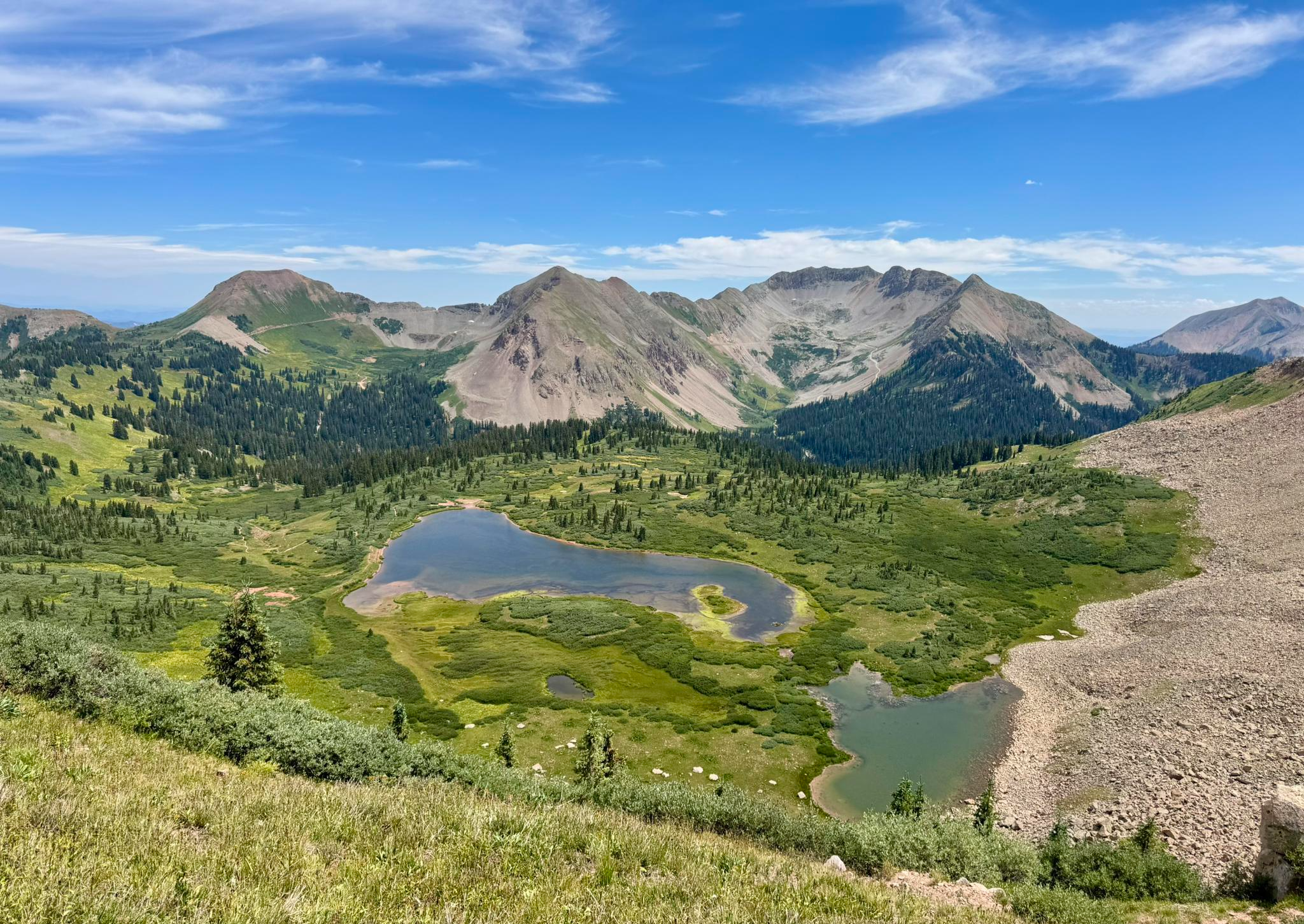
No traffic gravel bike trails in Rio Grande National Forest traverse a vast 1.8 million-acre landscape, characterized by diverse terrain ranging from high alpine meadows and rugged mountain peaks to high-elevation deserts and dense forests. The region is nestled between the Sangre de Cristo and San Juan Mountains, offering an extensive network of unpaved roads ideal for gravel biking. These routes often follow historic paths, providing access to unique geological features and the headwaters of the Rio Grande River. The…
Last updated: November 21, 2026
14
riders
93.0km
07:38
750m
750m
Hard gravel ride. Very good fitness required. Mostly paved surfaces.
5.0
(1)
3
riders
Hard gravel ride. Very good fitness required. Mostly paved surfaces.

2
riders
106km
06:18
1,380m
1,380m
Hard gravel ride. Very good fitness required. Mostly paved surfaces.
25
riders
42.9km
03:42
860m
860m
Hard gravel ride. Very good fitness required. Mostly paved surfaces.
4.5
(4)
20
riders
31.3km
01:50
260m
260m
Moderate gravel ride. Good fitness required. Mostly paved surfaces.
Our route recommendations are based on thousands of hikes, rides, and runs completed by other people on komoot.
Start today with a free account
Your next adventure awaits.


Other adventures in Rio Grande National Forest


Tips from the Community

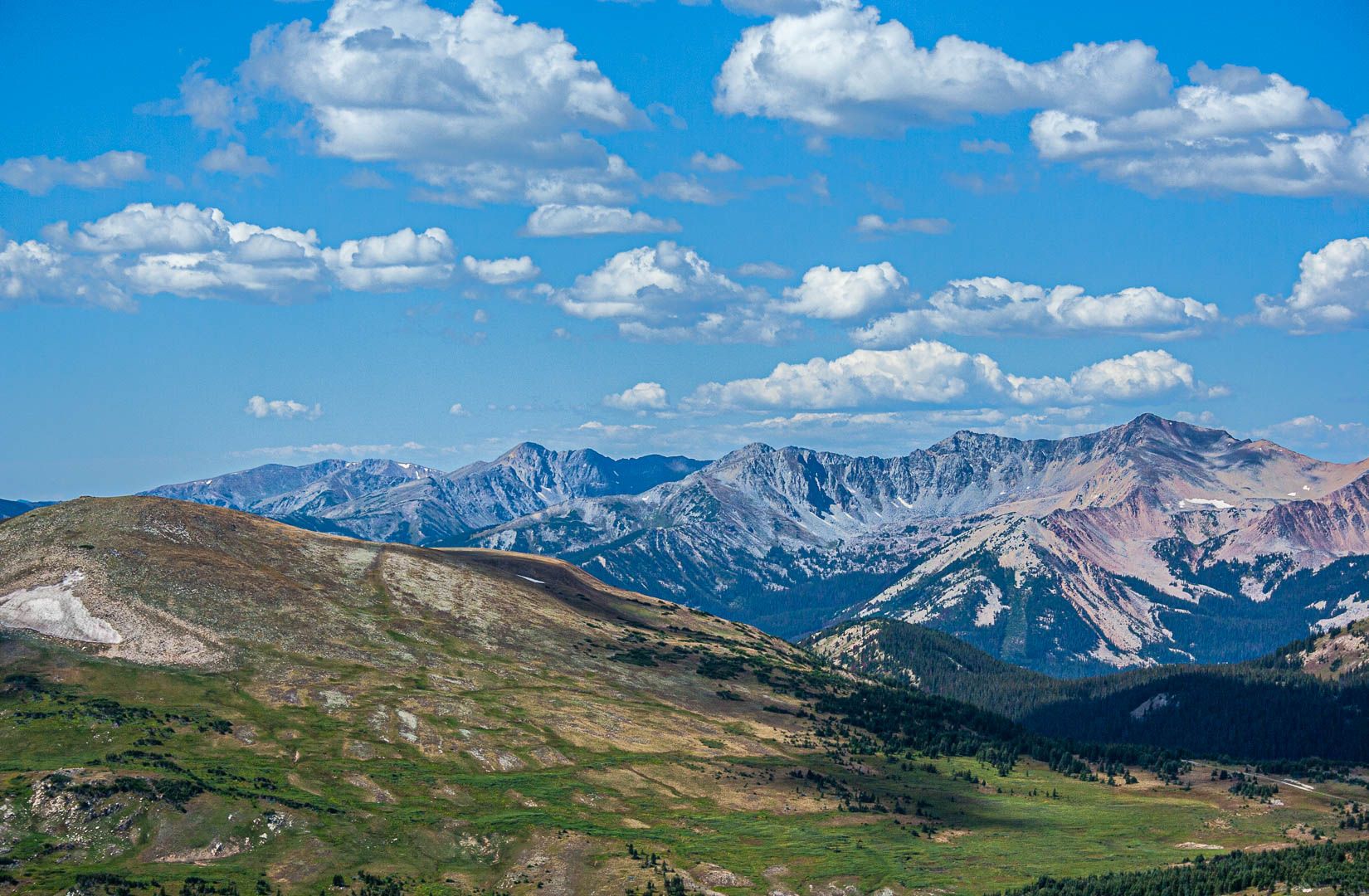
The summit of Calumet Mountain at 2956 m {about 9000 feet) rises to the west of Ute trail -here viewed across the west flank of the Continental divide, with higher snowcapped ranges in the distance
1
0
Sweeping views across open prairie to the snow-capped Rocky Mountains
1
0
Most of the town's shops with relevant resupply options, a bike shop, some historic buildings and this historic railway caboose in a free outdoor history exhibit, are along Grand Avenue.
0
0
Along Garita Creek and County Road 38A are any horse paddocks, some with cute mules as well.
0
0
Great little town to rest and resupply along the Great Divide Mountain Bike route, with some restaurants and hotels, bikeshops and grocery stores, a public library offering free Wifi, a museum, and some mountain bike trails straight out of town.
0
0
Sweet flat rural road with barely any vehicle traffic, through vast ranchlands under endless skies
0
0
Excellent gravel trail between towering rock walls on both sides.
0
0
One of Colorado’s oldest hotels, the Windsor, occupies nearly one half of a city block in the heart of Del Norte. Its construction started soon after the town was founded in 1871. The town of Del Norte was a booming mining and ranching center in the last quarter of the 1800’s and on the short list for the capital of Colorado when Denver got the final nod. The Windsor became the main social and commercial center of the area and remained a regional gathering spot for over a hundred years. You can visit this fully restored historic hotel today and take a step back in time.
0
0
Frequently Asked Questions
How many no-traffic gravel bike trails are available in the Rio Grande National Forest?
While this guide highlights a few specific routes, the Rio Grande National Forest, spanning over 1.8 million acres, offers an extensive network of unpaved roads and trails ideal for gravel biking. Many of these routes are less trafficked, providing a sense of solitude. You'll find numerous options beyond the featured tours to explore the diverse landscapes.
What is the best time of year to go gravel biking in the Rio Grande National Forest?
The best time for gravel biking in the Rio Grande National Forest is typically from late spring through early fall (May to October). During these months, snowmelt has usually cleared the higher elevation roads, and the weather is generally more favorable. Always check local conditions, especially for high-alpine routes, as snow can persist into early summer.
Are there any challenging no-traffic gravel routes for experienced riders?
Yes, the Rio Grande National Forest offers routes with significant elevation changes and challenging terrain. For example, the Carnero Creek Valley – La Garita Mesas loop is rated as difficult, covering nearly 93 km with over 750 meters of ascent. These routes often follow historic paths, providing both a physical challenge and a glimpse into the region's past.
What kind of natural attractions can I expect to see along these gravel bike trails?
The routes often traverse diverse landscapes, from high alpine meadows to dense forests. You might encounter unique geological features like those near the La Garita caldera or the volcanic formations of the San Juan Mountains. Keep an eye out for highlights such as Natural Arch or the Rio Grande Headwaters. The forest is also home to abundant wildlife, including deer, elk, and moose.
Are there any family-friendly gravel biking options with low traffic?
While many routes in the Rio Grande National Forest offer low traffic, specific family-friendly recommendations depend on the age and experience of the riders. Generally, routes on wider forest service roads with gentler gradients are more suitable. Always review the route's distance and elevation profile to ensure it matches your family's capabilities. The forest's extensive network means you can often find quieter sections away from main thoroughfares.
Can I bring my dog on the gravel bike trails in the Rio Grande National Forest?
Yes, dogs are generally welcome on trails and forest service roads within the Rio Grande National Forest, provided they are kept under control, typically on a leash. Always practice Leave No Trace principles, including packing out all waste. Be mindful of wildlife and other trail users. Specific wilderness areas may have stricter regulations, so always check local signage.
What do other gravel bikers enjoy most about riding in the Rio Grande National Forest?
The komoot community highly rates the experiences here, with an average score of 5.0 stars. Riders often praise the solitude, the breathtaking mountain views, and the opportunity to immerse themselves in the natural beauty of the region. The extensive network of quiet, unpaved roads allows for a true escape into nature.
Are there any loop gravel bike trails that minimize traffic?
Yes, many of the gravel routes in the Rio Grande National Forest can be ridden as loops, often utilizing a combination of forest service roads and less-trafficked county roads. For instance, the Upper Homestake Tailings Pond – Willow Creek Drainage Pond loop near Creede offers a challenging, yet scenic, circular ride. These loops provide varied scenery without retracing your path.
Where can I find parking or access these trails via public transport?
Parking is generally available at trailheads, campgrounds, and designated pull-offs throughout the Rio Grande National Forest. Many routes, like the Carnero Creek Valley loop, start from areas like Poso Campground, which offers parking. Public transport options directly into the forest are limited; access is primarily by personal vehicle. Consider starting your ride from nearby towns like Del Norte, South Fork, or Creede, which offer amenities and closer access points.
Are there any towns near the Rio Grande National Forest that offer amenities for gravel bikers?
Yes, several towns border or are close to the Rio Grande National Forest and offer amenities. Del Norte, South Fork, Creede, and Alamosa are good options. These towns provide services like accommodation, cafes, and places to resupply, making them convenient bases for exploring the gravel trails. Creede, for example, is a historic mining town that serves as a starting point for routes like the Upper Homestake Tailings Pond loop.
Do I need any special permits to gravel bike in the Rio Grande National Forest?
Generally, no special permits are required for gravel biking on the established forest service roads and trails within the Rio Grande National Forest. However, if your route takes you into designated wilderness areas, certain restrictions may apply, and motorized vehicles (including e-bikes on some trails) are prohibited. Always check the specific regulations for the area you plan to ride, especially if venturing off main roads.
Most popular routes in Rio Grande National Forest
Most popular attractions in Rio Grande National Forest

Get inspired with the komoot mobile app


Explore more
Browse the best Gravel rides in other regions.
