The best traffic-free bike rides in Theodore Roosevelt National Park
43
riders
4
rides
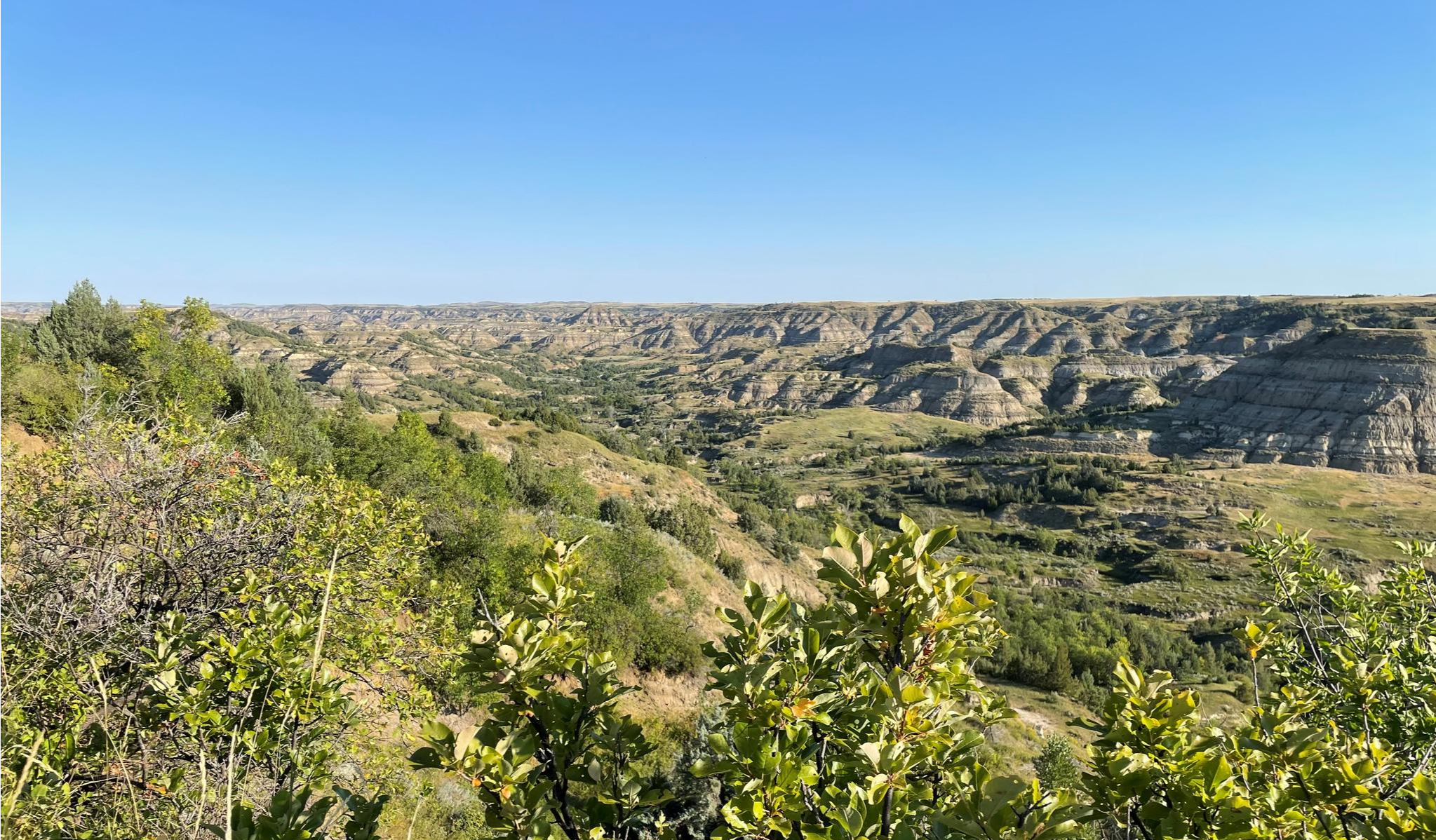
Road cycling in Theodore Roosevelt National Park offers routes through a distinctive badlands topography, characterized by deeply eroded terrain, sharp ridges, and unique rock formations. The Little Missouri River winds through the park, adding to the scenic beauty of its floodplains, while expansive prairies and grasslands provide diverse landscapes. Park roads follow the natural contours, presenting a series of climbs and descents for cyclists.
Best no traffic road cycling routes in Theodore Roosevelt National Park
- The most popular no traffic road cycling route is East River Road to Scenic Loop Drive and Boicourt Overlook loop, a 34.8 miles (56.0 km) trail that takes 2 hours 38 minutes to complete. This route provides extensive views of the badlands and river valleys.
- Another top favourite among local road cyclists is Scenic Loop Drive to Oxbow Overlook, a moderate 27.3 miles (44.0 km) path. This path offers panoramic vistas of the Little Missouri River Valley and opportunities for wildlife viewing.
- Local road cyclists also love the Cottonwood Campground – Wind Canyon Nature Trail loop from Medora, a 33.1 miles (53.2 km) trail leading through badlands topography and river valleys, often completed in about 2 hours 34 minutes.
- Road cycling in Theodore Roosevelt National Park is defined by badlands topography, river valleys, and prairies. The park's road network offers options for various ability levels, primarily featuring moderate routes.
- The guide includes highly-rated routes that showcase the best of the region's landscape. More than 30 road cyclists have used komoot to explore Theodore Roosevelt National Park's varied terrain.
Last updated: August 31, 2026
15
riders
56.0km
02:38
760m
760m
Moderate road ride. Good fitness required. Mostly well-paved surfaces and easy to ride.
9
riders
44.0km
02:04
580m
580m
Moderate road ride. Good fitness required. Mostly well-paved surfaces and easy to ride.

Sign up for free
13
riders
52.5km
02:25
620m
620m
Moderate road ride. Good fitness required. Some segments of this route may be unpaved and difficult to ride.
6
riders
28.8km
01:18
300m
300m
Moderate road ride. Good fitness required. Mostly well-paved surfaces and easy to ride.
Our route recommendations are based on thousands of hikes, rides, and runs completed by other people on komoot.
Start today with a free account
Your next adventure awaits.
Login or Signup
Popular around Theodore Roosevelt National Park

Other adventures in Theodore Roosevelt National Park


Tips from the Community

Cottonwood Campground is a fantastic spot, with shaded sites beneath mature cottonwoods and sweeping views of the surrounding badlands near the South Unit entrance of Theodore Roosevelt National Park. It offers 76 sites—some reservable, others first-come, first-served—with flush toilets, potable water (seasonal), and a group site. During peak season (May 1–Sept 30), the nightly rate is $20; in the off-season (Oct 1–Apr 30), first-come, first-served sites are available for $10, making it a scenic and affordable overnight for Maah Daah Hey Trail hikers looking to regroup or explore nearby park highlights. **You can reserve a spot here: https://www.nps.gov/thro/planyourvisit/cottonwood-campground.htm, which also lists site availability and additional fee details.
0
0

The Theodore Roosevelt National Park encompasses 70,446 acres and is the only American National Park named after a single person. The Little Missouri River flows through the park, which is renowned for its scenic drives, foot and horse trails, wildlife viewing, and camping opportunities.
0
0

This road winds back and forth in oxbows not unlike the nearby Little Missouri, or "Little Mo," river. It's also one of the only two paved roads in Theodore Roosevelt National Park; the other is Scenic Loop Drive, which you can access from East River Road. Be on the lookout for wildlife, including bison. The National Park Service warns that cyclists should stay at least 25 yards away from bison, horses and other wildlife — for your safety.
1
0

Great viewpoint of Theodore Roosevelt National Park and the surrounding areas.
1
0
This is the parking area for the Oxbow Overlook, a stunning viewpoint where you can take in the Little Missouri River bending and winding back on itself — the curving shape known as an oxbow. It's easiest to bring a lock and secure your bike here, then take a quick walk up to the viewpoint.
1
0
Great view point of Theodore Roosevelt National Park and the surrounding areas.
0
0
Frequently Asked Questions
How many no-traffic road cycling routes are available in Theodore Roosevelt National Park?
Theodore Roosevelt National Park offers a selection of four dedicated no-traffic road cycling routes. These routes are designed to immerse you in the park's unique badlands scenery and wildlife, providing a focused cycling experience.
What makes road cycling in Theodore Roosevelt National Park unique for those seeking no-traffic routes?
Road cycling in Theodore Roosevelt National Park offers a distinctive experience due to its dramatic badlands topography, featuring deeply eroded terrain, sharp ridges, and unique rock formations. The park roads follow these contours, creating 'roller coaster climbs' and descents. You'll be surrounded by expansive prairies and grasslands, with frequent opportunities to spot diverse wildlife like bison and wild horses, all while enjoying the scenic beauty of the Little Missouri River winding through the landscape.
Are there any beginner-friendly no-traffic road cycling routes in the park?
While all routes listed are classified as moderate, the park's roads are generally well-suited for cyclists. For a shorter option, consider the East River Road – Cottonwood Campground loop from Medora, which covers 28.8 km with 305 meters of elevation gain. It provides a good introduction to the park's terrain without being overly strenuous.
Are there challenging no-traffic road cycling routes for experienced cyclists?
For a more challenging ride, the park offers routes with significant elevation changes and distance. The East River Road to Scenic Loop Drive and Boicourt Overlook loop is a moderate 56.0 km route with over 750 meters of elevation gain, providing extensive views and a good workout. Similarly, the Cottonwood Campground – Wind Canyon Nature Trail loop from Medora is 53.2 km with 628 meters of climbing.
Can I find circular no-traffic road cycling routes in Theodore Roosevelt National Park?
Yes, several routes in the park are designed as loops, allowing you to start and end at the same point. Examples include the East River Road to Scenic Loop Drive and Boicourt Overlook loop and the East River Road – Cottonwood Campground loop from Medora. These circular routes offer varied scenery without retracing your path.
What is the best time of year to enjoy no-traffic road cycling in Theodore Roosevelt National Park?
The best time for road cycling in Theodore Roosevelt National Park is typically during the spring and fall months. During these seasons, temperatures are milder, and wildlife is often more active. While the park is open year-round, summer (June-September) can bring higher temperatures and more vehicle traffic, and winter can present challenging conditions with snow and ice. Always check current park conditions before your ride.
Where can I park when planning a no-traffic road cycling trip in the park?
Parking is available at various points within the park, including visitor centers and designated overlooks. For routes starting near Medora, you can often find parking in or around the town, or at the Cottonwood Campground, which serves as a starting point for some loops. Always check park maps for specific parking areas closest to your chosen route.
Do I need a permit or pay an entrance fee to road cycle in Theodore Roosevelt National Park?
Yes, Theodore Roosevelt National Park charges an entrance fee. This fee grants you access to the park for a set period, typically seven days. While you don't need a separate permit specifically for bicycling on park roads, the general park entrance fee applies. For the most current fee information, please visit the official National Park Service website.
What kind of wildlife might I encounter while road cycling in the park?
Theodore Roosevelt National Park is renowned for its abundant wildlife. While cycling, you have a good chance of spotting bison, wild horses, prairie dogs, elk, mule deer, and white-tailed deer. Less common but possible sightings include bighorn sheep and coyotes. Remember to maintain a safe distance from all wildlife, especially bison and horses.
Are there scenic viewpoints or attractions along the no-traffic road cycling routes?
Absolutely! The park is dotted with numerous scenic viewpoints and attractions. Along your ride, you can expect breathtaking vistas of the badlands and the Little Missouri River. Notable spots include the Painted Canyon Visitor Center, Painted Canyon Overlook, River Bend Overlook, and Oxbow Overlook, which are particularly stunning at sunrise or sunset. You might also encounter unique geological formations like Cannonball Concretions.
Are there any specific safety considerations for road cycling in Theodore Roosevelt National Park?
When road cycling in the park, it's crucial to be aware of wildlife, especially bison and wild horses, and give them plenty of space. While this guide focuses on 'no traffic' routes, some park roads are shared with vehicles, including large RVs, particularly during peak season. Road shoulders can be absent in some places, so always ride defensively and be visible. Carry plenty of water, as services can be limited, and be prepared for changing weather conditions.
Can I find information about road conditions before my ride?
Yes, it's always a good idea to check road conditions before heading out. The National Park Service provides updates on park roads, closures, and any potential hazards. You can find current information on the official Theodore Roosevelt National Park website or by contacting a visitor center.
Most popular routes in Theodore Roosevelt National Park
Most popular attractions in Theodore Roosevelt National Park

Get inspired with the komoot mobile app


