The best hikes from bus stations around Mancha Baja
3.6
(29)
145
hikers
6
hikes
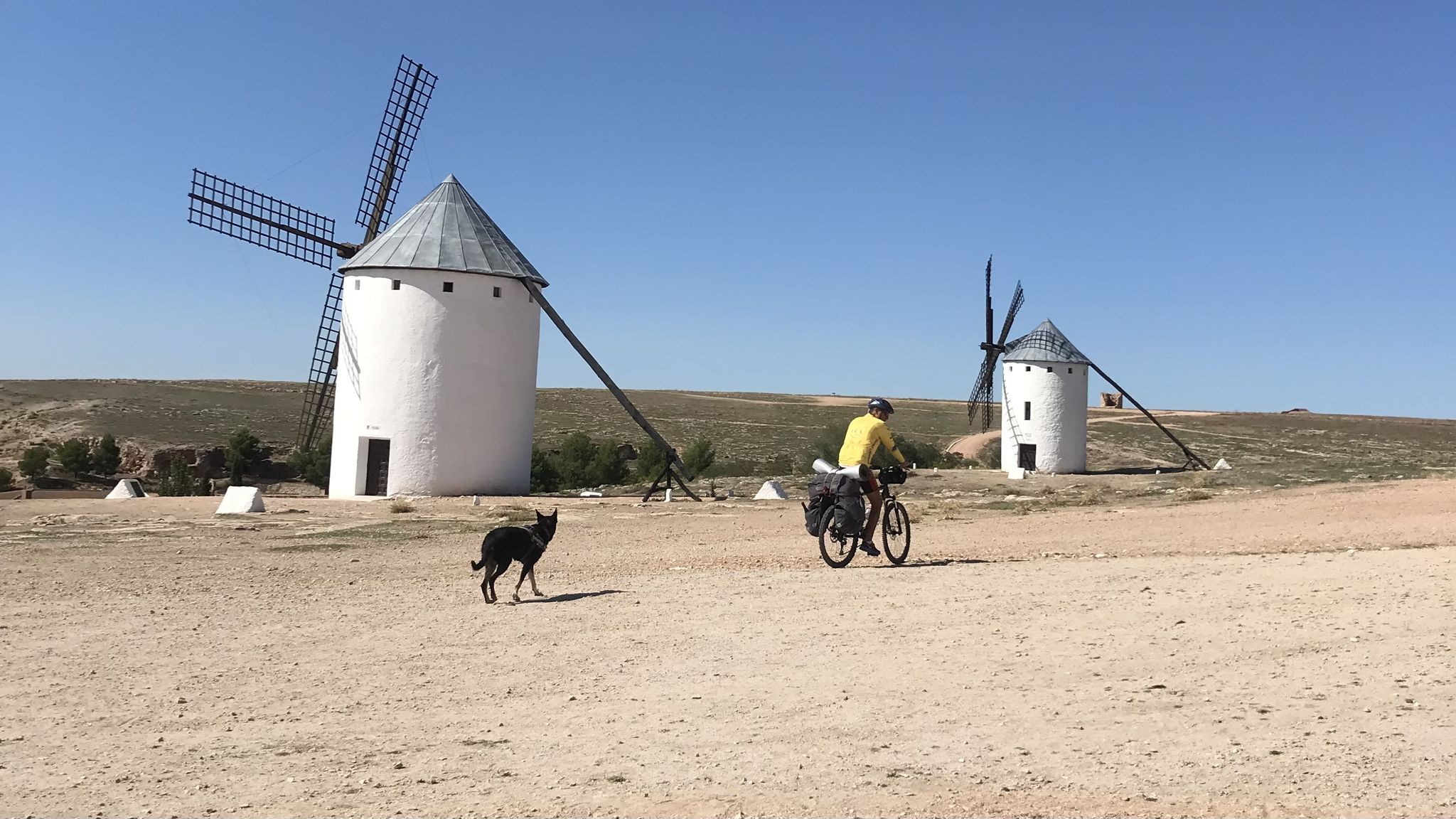
Bus station hiking trails around Mancha Baja traverse a landscape characterized by extensive plains, traditional agricultural fields, and significant wetlands. The region features vast stretches of vineyards, olive groves, and cereal fields, offering open views. While primarily flat, some routes include gentle ascents providing panoramic perspectives of the surrounding countryside. This area is known for its steppes and the presence of iconic windmills, which are often visible from the trails.
Best bus station hiking trails around Mancha Baja
- The most popular bus station hiking route is Horcajo de Santiago loop from Horcajo de Santiago, a 6.8 miles (11.0 km) trail that takes 2 hours 51 minutes to complete. This moderate route features gentle elevation changes across open agricultural land.
- Another top favourite among local hikers is La Mancha panorama loop from Villanueva de Alcardete, a moderate 5.8 miles (9.4 km) path. This route offers expansive views of the La Mancha plains and agricultural landscapes.
- Local hikers also love the Socuéllamos loop from Socuéllamos, a 4.4 miles (7.1 km) trail leading through cultivated fields, often completed in about 1 hour 47 minutes.
- Hiking around Mancha Baja is defined by vast plains, agricultural fields, and traditional windmills. The network offers options for different ability levels, from easy strolls to moderate excursions.
- The routes in Mancha Baja are highly rated by the komoot community with an average score of 3.7 stars from more than 20 reviews. More than 100 hikers have used komoot to explore Mancha Baja's varied terrain.
Last updated: July 7, 2026
1
hikers
8.30km
02:07
20m
20m
Moderate hike. Good fitness required. Easily-accessible paths. Suitable for all skill levels.
2.39km
00:37
10m
10m
Easy hike. Great for any fitness level. Easily-accessible paths. Suitable for all skill levels.

Sign up for free
6
hikers
7.06km
01:47
10m
10m
Easy hike. Great for any fitness level. Easily-accessible paths. Suitable for all skill levels.
4
hikers
9.40km
02:24
30m
30m
Moderate hike. Good fitness required. Easily-accessible paths. Suitable for all skill levels.
5.0
(1)
2
hikers
11.0km
02:51
60m
60m
Moderate hike. Good fitness required. Easily-accessible paths. Suitable for all skill levels.
Our route recommendations are based on thousands of hikes, rides, and runs completed by other people on komoot.
Start today with a free account
Your next adventure awaits.
Login or Signup


Tips from the Community

Socuéllamos, in the province of Ciudad Real, is famous for its wines: it boasts more than 16 wineries. It has a history dating back to the Paleolithic and a rich heritage. Definitely pay a visit if you're passing through.
1
0

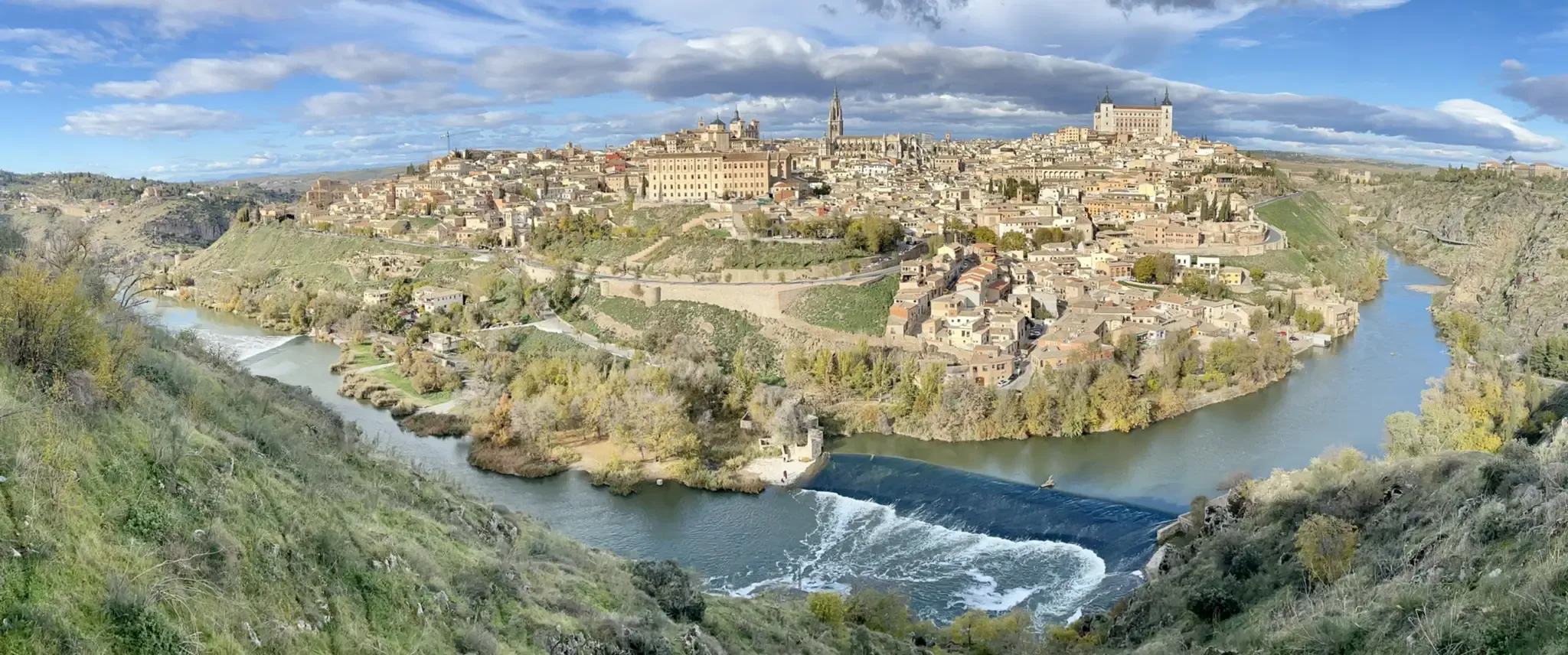
You are in the Plaza de España in Horcajo de Santiago - it was recently renovated. It is a typical town in the interior of Cuenca. The Church of the Immaculate Conception stands out here, which you can admire in front of you. It dates back to the 14th century.
0
0
Part of the Camino de Santiago de Levante in the vicinity of San Clemente. The environment is very beautiful, especially in spring, when the cereal fields become a green carpet.
1
0
Tower dating from the fifteenth century and is the oldest building in the town. It was probably for military use.
2
0
Building of the Discalced Carmelite convent. Go inside to see the imposing altarpiece.
2
0
Renaissance-style building located in the Plaza Mayor of San Clemente, where we also find the Collegiate Church of Santiago Apóstol, benches to rest and an information poster about the city and the Camino de Santiago.
2
0
It is in the Plaza de España in Horcajo de Santiago - it was recently renovated. It is a typical town in the interior of Cuenca. The Church of the Immaculate Conception stands out here, which you can admire in front of you. It dates from the 14th century.
1
0

A contemporary design museum in Socuéllamos that celebrates the culture of the wine industry in La Mancha, the largest vineyard in the world. The very tall observation tower can be seen from miles away.
2
0
Frequently Asked Questions
How many bus-accessible hiking trails are available in Mancha Baja?
Currently, there are 5 curated hiking trails in Mancha Baja that are easily accessible from bus stations. These routes offer a convenient way to explore the region's unique landscapes without needing a car.
Are there easy hiking trails accessible by bus in Mancha Baja?
Yes, Mancha Baja offers 2 easy hiking trails accessible by bus. A great option is the San Clemente: Camino de Santiago Loop, which is just over 2 km long and perfect for a relaxed stroll, offering a glimpse into the historic pilgrimage route.
Are there moderate hiking trails accessible by bus in Mancha Baja?
Absolutely. For those seeking a bit more challenge, there are 3 moderate hiking trails accessible by bus. Consider the San Clemente — circular by the Camino de Levante, an 8.3 km route that provides a good workout while exploring the local scenery.
Are there any circular hiking routes starting from bus stations in Mancha Baja?
Yes, several routes are circular, allowing you to start and end at the same point, often near a bus station. The La Mancha panorama loop from Villanueva de Alcardete is a moderate 9.4 km loop offering expansive views of the plains.
What kind of landscapes can I expect to see on these bus-accessible trails?
The bus-accessible trails in Mancha Baja primarily traverse the region's characteristic vast plains, featuring extensive fields of cereals, olive groves, and vineyards. You'll experience the open, traditional landscapes that define La Mancha, offering a sense of tranquility and wide-open skies.
What is the best time of year to hike in Mancha Baja from a bus station?
Spring (April-May) and Autumn (September-October) are generally the best times for hiking in Mancha Baja. The temperatures are milder, and the landscapes are vibrant. Summers can be very hot, making early morning or late afternoon hikes preferable, while winters are cooler but generally dry.
Can I bring my dog on these bus-accessible trails?
Most trails in the Mancha Baja region are dog-friendly, but it's always recommended to keep your dog on a leash, especially in agricultural areas or near wildlife habitats. Be sure to carry enough water for both yourself and your pet, as water sources can be scarce on some routes.
Are there any interesting landmarks or attractions near the bus-accessible trails?
Yes, the region is rich in history and culture. Near some routes, you might find iconic landmarks such as the Windmills, reminiscent of Don Quixote's adventures, or historical sites like the Castillo de Belmonte. These add a cultural dimension to your outdoor exploration.
What do other hikers enjoy most about hiking in Mancha Baja?
The area is highly rated by the komoot community, with an average score of 3.7 stars. Reviewers often praise the peacefulness of the open plains, the unique cultural landmarks like the windmills, and the accessibility of the trails from public transport, making it easy to explore the authentic La Mancha landscape.
Are there longer bus-accessible routes for experienced hikers?
While the region is known for its gentle terrain, there are longer moderate routes. The Horcajo de Santiago loop from Horcajo de Santiago is the longest bus-accessible route at over 11 km, offering a more extended experience through the Mancha Baja countryside.
What should I consider when planning a bus-accessible hike in Mancha Baja?
When planning, always check bus schedules carefully as services might be less frequent in rural areas or on weekends. Ensure you carry sufficient water, especially during warmer months, and wear appropriate footwear for varied terrain. It's also wise to download your route offline, as mobile signal can be intermittent.
Most popular routes around Mancha Baja
Most popular attractions around Mancha Baja

Get inspired with the komoot mobile app


Didn’t find what you were looking for?
Check out more Hikes throughout Mancha Baja below and find the perfect route in your destination.
Explore more
Browse the best Hikes in other regions.
