The best traffic-free bike rides around Serrania Baja
5.0
(6)
30
riders
4
rides
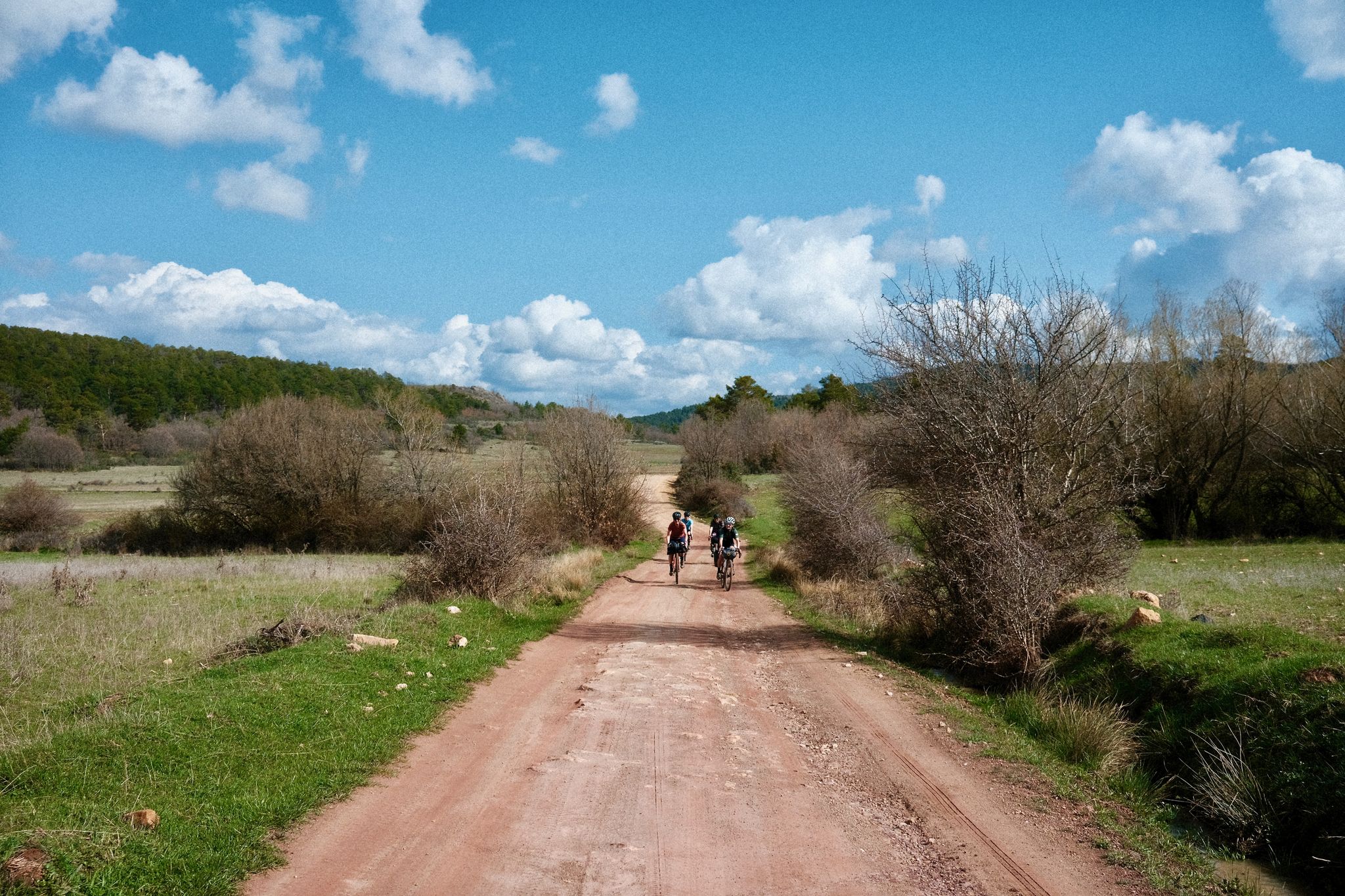
No traffic gravel bike trails around Serrania Baja offer a diverse and rugged landscape, ideal for cycling. The region is characterized by fascinating karst topography, where water has sculpted calcareous rocks into unique formations. Expansive deep forests of Scots pine, Black pine, and Oak, alongside dramatic river gorges carved by rivers like the Cuervo and Júcar, define the terrain. These features provide varied elevation and challenging routes for gravel bikers.
Best no traffic gravel bike trails around Serrania Baja
- The…
Last updated: July 7, 2026
5.0
(2)
9
riders
67.0km
05:56
1,430m
1,430m
Hard gravel ride. Very good fitness required. Mostly paved surfaces. Suitable for all skill levels.
5.0
(2)
7
riders
37.8km
02:29
570m
580m
Hard gravel ride. Very good fitness required. Mostly paved surfaces. Suitable for all skill levels.

Sign up for free
5.0
(1)
5
riders
46.1km
03:28
1,130m
1,130m
Hard gravel ride. Very good fitness required. Mostly paved surfaces. Suitable for all skill levels.
3
riders
45.3km
03:21
950m
950m
Hard gravel ride. Very good fitness required. Mostly paved surfaces. Suitable for all skill levels.
Our route recommendations are based on thousands of hikes, rides, and runs completed by other people on komoot.
Start today with a free account
Your next adventure awaits.
Login or Signup
Popular around Serrania Baja
Women's Montañas Vacías 2022 — bikepack in rural Spain
MontañasVacías official — bikepacking across the Spanish Lapland
Path of the Templars — Path of the True Cross (GR 250)
A walk through La Manchuela – hiking the GR 64

Traffic-free bike rides around Serrania Baja

Traffic-free bike rides around Serrania Baja
Other adventures around Serrania Baja


Tips from the Community

Fantastic place to relax on the MV
0
0

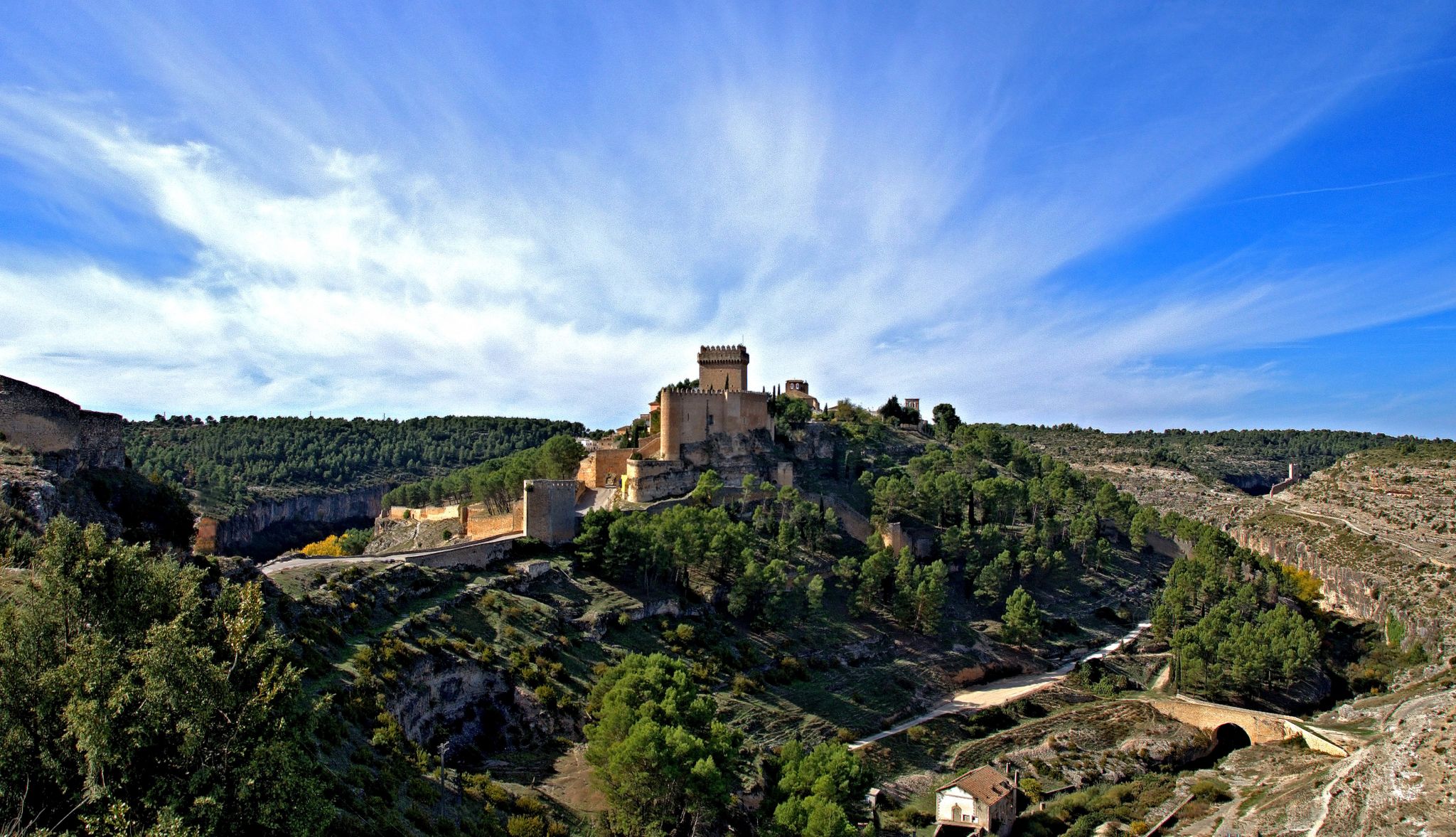
The origin of Beamud dates back to before the Roman conquest of the Iberian Peninsula, as remains of Iberian and Roman buildings have been found near the town, on the Castellar rock.
4
0
Beamud, an almost abandoned municipality in the province of Cuenca, lies on the banks of the La Magdalena gorge and has only 50 inhabitants.
4
0


The bridge is brand new and has been repaired since February 2026 👍
0
0

It is located in a quiet rural area surrounded by pine forests and Mediterranean scrubland, with trails and nature all around, and retains a typical atmosphere of the Valencian interior.
0
0

Be careful, the footbridge as of October 3, 2025, is still not repaired (it was swept away by the Dana in October 2024). A ford crossing is possible a little higher up (towards the embalse), with water up to mid-thighs and a strong current, so be careful. Then to join the GR7, they climb the embankment (towards Benagéber). In the other direction (towards Chelva), I don't recommend crossing at this point because you have to descend from the GR7 via a steep and very unstable wall; I think it's dangerous going down. And be careful too, the GR7 is cut off higher up, but you can manage it by taking a long 5km detour via the path that climbs gently (or rather sharply) along the Turía River and rejoins the GR7 towards Chera. Then turn right and you can reach Benagéber.
2
0

This small town has two small rivers, called the Laguna River and the Tejadillos River, which flow through a large orchard near the town, abundant with hazel trees and willows.
9
0
Frequently Asked Questions
How many traffic-free gravel bike trails are available in Serrania Baja?
Our guide features 5 challenging traffic-free gravel bike routes in Serrania Baja, offering diverse experiences across the region's stunning landscapes. While these specific routes are rated as difficult, the wider Serrania Baja area is known for hundreds of kilometers of tracks suitable for various skill levels.
What kind of terrain can I expect on these traffic-free gravel routes?
You'll encounter a mix of well-maintained tracks and paths, often traversing deep forests of Scots pine and oak, and winding through areas shaped by fascinating karst topography. Expect varied surfaces, from gravel roads to more rugged sections, as you explore the region's natural beauty.
Are there any waterfalls or significant natural features along these routes?
Yes, the region is rich in natural wonders. For instance, the tour "Chorros de Barchel Waterfalls – Views of the Benagéber Reservoir loop from Sinarcas" takes you past beautiful waterfalls. You can also find the impressive "Las Chorreras" nearby, a series of cascades and pools, and the famous Nacimiento del Río Cuervo (Birth of the Cuervo River) is a notable natural monument in the wider area.
Can I find scenic viewpoints on the no-traffic gravel trails?
Absolutely. Many routes offer breathtaking vistas. The "Contreras Viewpoint – Cabriel Valley Viewpoint loop from Cerro del Castillo" is specifically designed to showcase panoramic views. The region also boasts famous viewpoints like Mirador del Tío Cogote and El Ventano del Diablo, offering spectacular sights of the mountainous terrain and river gorges.
What other attractions can I explore near the gravel bike trails?
Beyond the trails, Serrania Baja offers a wealth of attractions. You can visit historical sites like the "Old Town of Moya" or explore castles such as "Cardenete Castle" and "Cañada del Hoyo Castle". Natural highlights include the "Zafrilla River Trail" and the "La Olla Recreation Area".
Are there any circular no-traffic gravel bike routes?
Yes, all the traffic-free gravel bike routes featured in this guide are circular, allowing you to start and end your ride at the same point. For example, the "Sinarcas – La Olla Recreation Area loop from Sinarcas" is a great option for a full loop experience.
Is it possible to bring my dog on these gravel bike trails?
While many natural areas in Serrania Baja are dog-friendly, it's always best to check local regulations for specific trails or protected areas. Generally, dogs are welcome on leashes on most public paths, but always ensure they are under control and respect wildlife.
What is the best time of year for gravel biking in Serrania Baja?
The spring and autumn months (April-May and September-October) are generally ideal for gravel biking in Serrania Baja. The weather is typically mild, and the natural scenery is at its most vibrant. Summers can be hot, especially in July and August, while winters can bring colder temperatures and occasional snow at higher elevations.
Are there any amenities like cafes or accommodation along these routes?
Serrania Baja is known for its rural charm, so amenities can be sparse on the trails themselves. However, villages like Sinarcas, Tormón, and Campillos-Sierra, which serve as starting points or pass-throughs for routes like the "Bar El Chiringuito Wilanoro – Campillos-Sierra loop from Collado Bajo" or the "Centenary Elm of Alobras – Alobras Village loop from Tormón", often have small cafes, restaurants, or rural accommodations. It's advisable to carry sufficient water and snacks.
What do other gravel bikers enjoy the most about gravel biking in Serrania Baja?
The komoot community highly rates the gravel biking experience in Serrania Baja, with an average score of 5.0 stars. Reviewers often praise the region's low population density and minimal car traffic, which creates a truly 'no traffic' cycling paradise. The impressive landscapes, diverse terrain, and the sense of solitude are frequently highlighted as major draws.
Most popular routes around Serrania Baja
Most popular attractions around Serrania Baja

Get inspired with the komoot mobile app


Explore more
Browse the best Gravel rides in other regions.
