The best traffic-free bike rides around Terneuzen
4.3
(111)
6,339
riders
129
rides
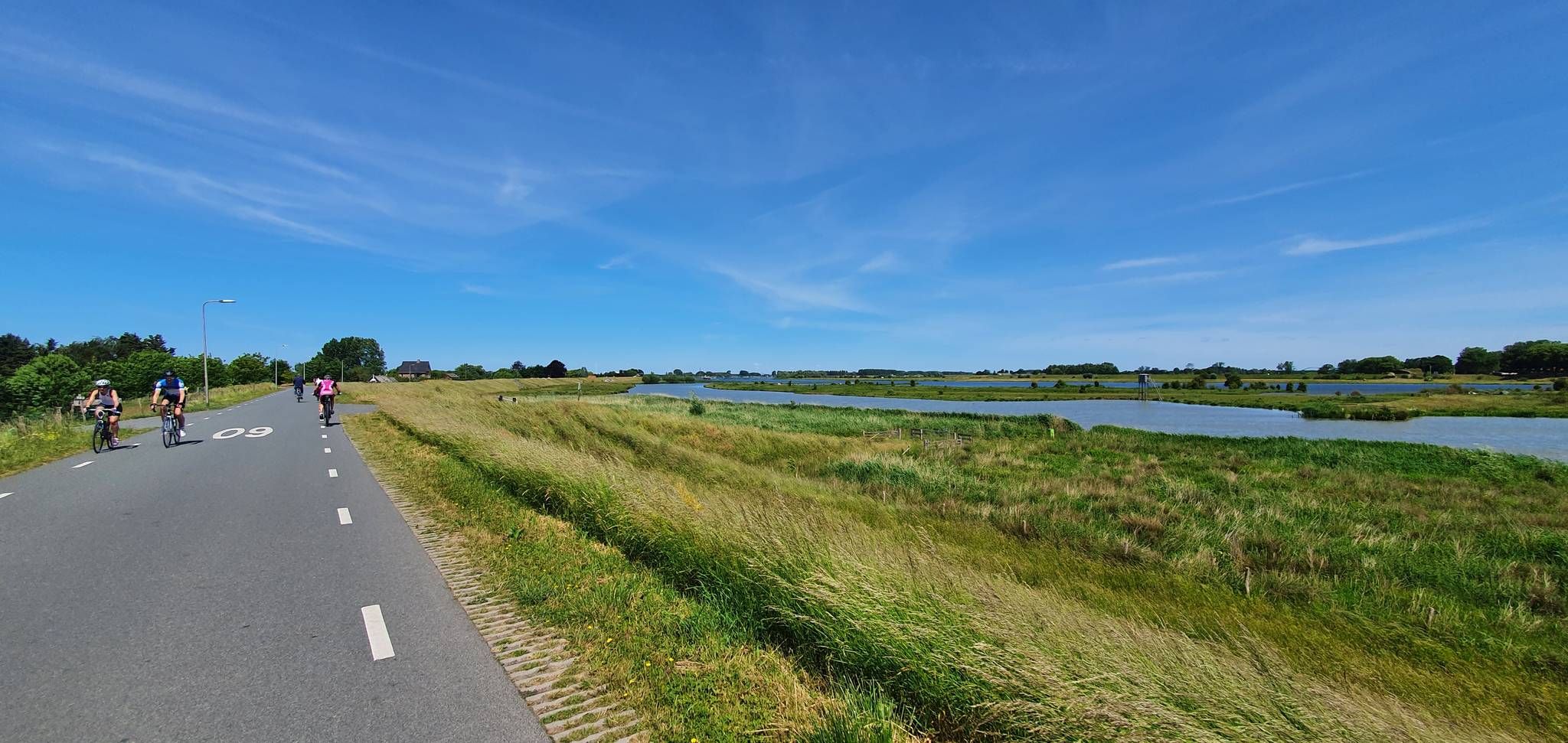
Road cycling around Terneuzen offers a network of no traffic road cycling routes through the diverse landscapes of Zeelandic Flanders. The region is characterized by its generally flat terrain, historical polders, and tranquil natural reserves, making it ideal for car-free cycling routes. Cyclists can explore paths along the Westerschelde estuary, providing views of one of Europe's busiest waterways, and traverse unique natural areas like the Verdronken Land van Saeftinghe. This environment provides a varied backdrop for road cyclists seeking quiet…
Last updated: May 26, 2026
52
riders
133km
06:05
110m
110m
Hard road ride. Very good fitness required. Mostly well-paved surfaces and easy to ride.
439
riders
113km
05:45
130m
130m
Hard road ride. Very good fitness required. Some segments of this route may be unpaved and difficult to ride.

Sign up for free
4.8
(4)
162
riders
52.9km
02:10
60m
60m
Moderate road ride. Good fitness required. Mostly well-paved surfaces and easy to ride.
92
riders
63.4km
03:03
60m
60m
Moderate road ride. Good fitness required. Mostly well-paved surfaces and easy to ride.
5.0
(1)
157
riders
52.6km
02:15
70m
70m
Moderate road ride. Good fitness required. Mostly well-paved surfaces and easy to ride.
Get access to more routes and recommendations from other explorers.
Sign up for free
Already have an account?
Our route recommendations are based on thousands of hikes, rides, and runs completed by other people on komoot.
Start today with a free account
Your next adventure awaits.
Login or Signup

Other adventures around Terneuzen


Tips from the Community


The Molenbeek forms part of the northern border of the municipality of Sint-Niklaas with the municipalities of Sint-Gillis-Waas and Stekene. Hydrographically, the Molenbeek belongs to the basin of the Gentse Kanalen. Previously, the Molenbeek originated in the center of Sint-Niklaas, at the site where the Romain De Vidtspark is now located. Nowadays, the stream flows through the entire Sint-Niklaas center from south to north in culverts, to re-emerge on the surface at the edge of Belsele and then flow through Sinaai until it flows into the Stekense Vaart. From that confluence, a path follows the banks of the stream for a considerable distance.
2
0
On an information board on site, the history of the Stekense Vaart can be read. It began as early as 1315. Count Robrecht III of Béthune then gave the order to dig a canal from Ghent to Hulst. In Stekene, this new 'waterway' turned marshes into arable land and increased export opportunities. In 1556, many fields in Stekene were submerged for a long time. King Philip II of Spain therefore granted a charter for a direct connection to the Durme. In 1628, King Philip IV gave permission to extend the Stekense Vaart by 1300 meters to Hulst. This connected the Vaart to the Westerschelde, which was advantageous for trade. Hulst could thus also be supplied with war materials. South of Moerbeke, between 1637 and 1643, a new canal was dug connecting the Stekense Vaart with the Moervaart. Ships sailing between Ghent and Stekene no longer had to make a detour via the Spelonckvaart. After the Eighty Years' War ended in 1648, the connection with the Westerschelde was broken. The economic benefit of the Vaart was lost. The Vaart was dammed at Tromp in 1691. In 1853, the municipality of Stekene became the owner of the Vaart on the condition that it also be responsible for maintenance. In 1950, the Vaart was declared unnavigable. Wastewater from Sint-Niklaas caused pollution and a strong stench, here at the Quay. In 1953, a cross dam was built in the Durme in Lokeren. The tidal effect on the Stekense Vaart was thus a thing of the past. In 1964, a water treatment plant was commissioned in Sint-Niklaas. This significantly improved the water quality in the Stekense Vaart. In 1995, a water treatment plant was also built in Stekene. In 1998, the area around the Vaart was classified as a quiet area.
2
0
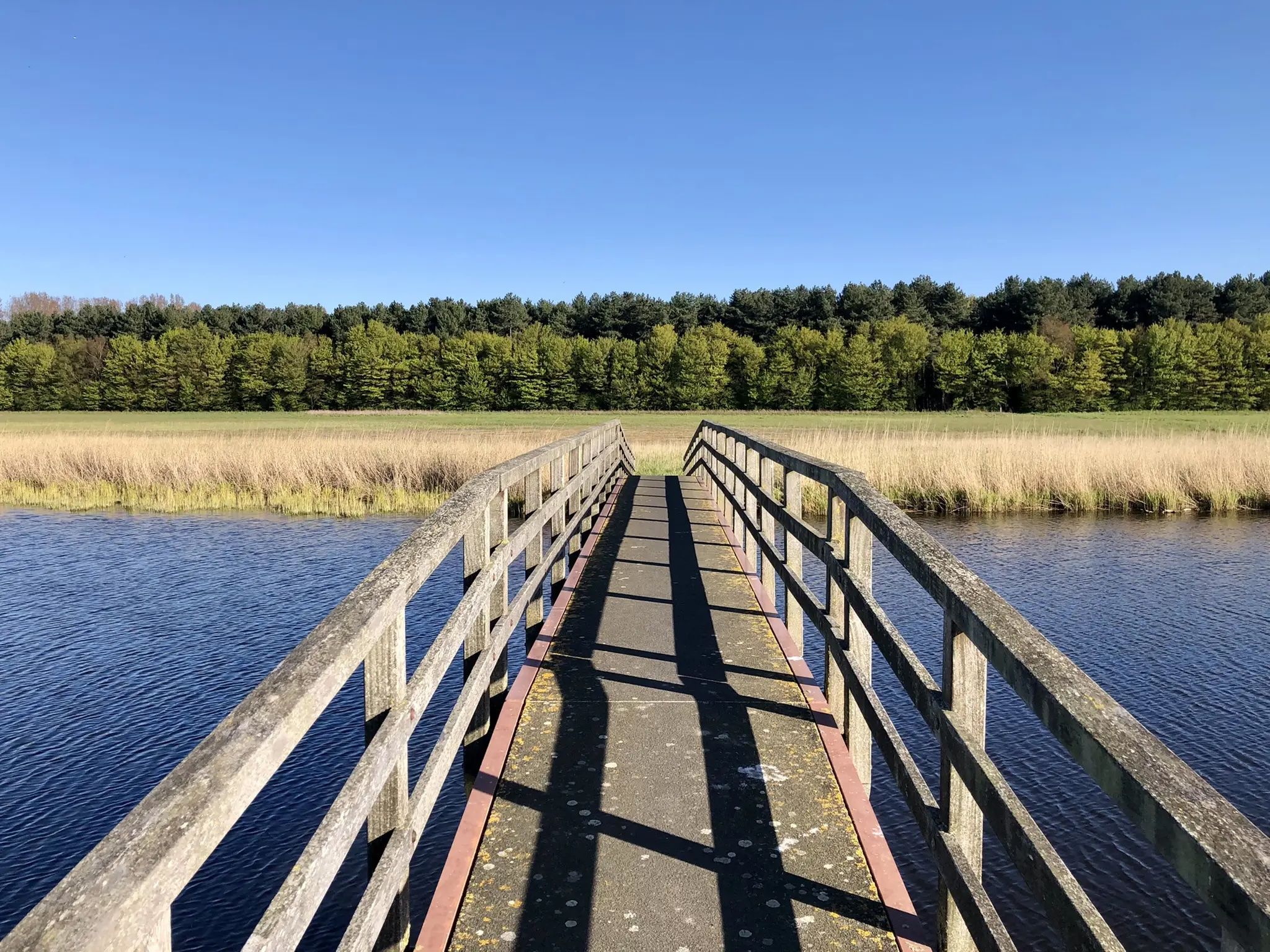
During the Second World War, all bridges in Stekene were blown up by the Germans. In 1945, all five were restored. Seven years later, the Stekense Vaart was declared unnavigable. At Aan de Brugstraat, everything was dammed to guarantee pure drinking water for Zeeuws-Vlaanderen. As a result, the canal between Kaaistraat and Tragelstraat, and thus also here at the bridge near Park Zomerhuis, became an open sewer. The canal problem lasted for years, with complaints and symptoms of illness among the local residents. The commissioning of the water treatment plant in Sint-Niklaas, in 1964, finally solved the problem fundamentally. bron: stekene.be
2
0

The Verdronken Zwarte Polder is a unique nature reserve full of history, variety, and biodiversity. The area, which owes its name to a polder that flooded in 1802, offers mudflats, salt marshes, dunes, and beaches with a wide variety of plants and animals. The polder is part of the UNESCO Schelde Delta Geopark and is easily accessible via the Zeedijk. Hiking trails of approximately 2.5 km and a riding trail lead you through the landscape. For children, there is a 'Nature Adventure' scavenger hunt with which they can discover the flora and fauna in a playful way. From elderflower, sea buckthorn, and sea holly to redshanks, ringed plovers, and songbirds: the Verdronken Zwarte Polder is a paradise for nature lovers. Through targeted management, such as grazing by Drenthe heath sheep, nature is kept in top condition. A perfect place for walking, discovering, and enjoying the sea, dunes, and salt marshes. (Visit West-Vlaanderen)
10
0

Beautiful view over the Western Scheldt and near restaurant Beet at the harbor of the Griette
0
0

Great object 👁️👁️ I recommend you
0
0

Frequently Asked Questions
How many no-traffic road cycling routes are available around Terneuzen?
There are over 100 dedicated no-traffic road cycling routes around Terneuzen, offering a wide range of options for cyclists looking for quiet and scenic rides. You'll find routes suitable for various skill levels, from easy to difficult.
What do other road cyclists enjoy most about the no-traffic routes in Terneuzen?
The no-traffic road cycling routes around Terneuzen are highly rated by the komoot community, with an average score of 4.3 stars. Cyclists often praise the tranquil polder landscapes, the well-maintained paths, and the scenic views along the Westerschelde estuary, making for a relaxing and enjoyable ride.
What is the typical terrain like for no-traffic road cycling in Terneuzen?
The terrain around Terneuzen is generally flat, making it ideal for road cycling. You'll primarily encounter smooth, paved surfaces along dikes, through polder landscapes, and alongside canals. While mostly flat, some routes might include minor elevation changes or even short cobbled sections, particularly on longer tours like the Theo Middelkamp Cycling Route.
Are there any longer, more challenging no-traffic road cycling routes for experienced riders?
Yes, for experienced riders seeking a challenge, routes like the Theo Middelkamp Cycling Route offer a comprehensive experience. This route spans over 133 km and traverses historic polders and coastal vistas, providing a demanding yet rewarding ride through Zeeland Flanders.
Can I find circular no-traffic road cycling routes around Terneuzen?
Many of the no-traffic road cycling routes around Terneuzen are designed as loops, allowing you to start and end at the same point. An example is the Graafjansdijk – Gent-Terneuzen Canal loop from Terneuzen, which offers a moderate ride through varied scenery.
What natural areas can I explore on traffic-free road cycling routes near Terneuzen?
Several traffic-free routes lead through or alongside unique natural areas. You can cycle near the Drowned Land of Saeftinghe Nature Reserve, a significant brackish water wilderness, or explore routes close to Heather Stropersbos, a re-emerging heathland. The region's polder landscapes and creek remnants also offer tranquil natural beauty.
Are there any interesting landmarks or viewpoints along these routes?
Absolutely. Many routes offer views of the Westerschelde estuary, where you can watch impressive sea vessels. You might also pass by the Terneuzen Lock Complex, a significant maritime landmark. For panoramic views, consider routes that include the Panorama Trail at Breskens Lighthouse.
Are there routes suitable for families or beginners looking for easy, no-traffic road cycling?
Yes, Terneuzen offers 19 easy no-traffic road cycling routes, many of which are suitable for families or beginners. These routes typically feature flat, well-paved paths away from car traffic, providing a safe and enjoyable experience for all skill levels. Look for shorter loop routes that stick to dedicated cycle paths.
What is the best time of year for traffic-free road cycling in Terneuzen?
The spring (April-May) and late summer/early autumn (September-October) generally offer the most pleasant conditions for traffic-free road cycling in Terneuzen. During these periods, the weather is typically mild, and the landscapes are vibrant, with fewer crowds than peak summer. Always check the local weather forecast before heading out.
Are there places to eat or drink along the no-traffic road cycling routes in Zeelandic Flanders?
Yes, Zeelandic Flanders is known for its cycling-friendly infrastructure, including numerous "bike cafés" strategically located along popular routes. These establishments offer refreshments and often have facilities for cyclists, making it easy to take a break and refuel during your ride.
How can I access these traffic-free cycling trails using public transport?
While many routes start directly from Terneuzen, which is accessible by bus, accessing specific trailheads by public transport can vary. The Westerschelde Ferry Terminal in Breskens provides a convenient connection for cyclists to Vlissingen, expanding your options. For detailed public transport information to specific starting points, it's best to consult local transport schedules.
Where can I park my car to start a quiet road cycling route in Terneuzen?
Terneuzen and surrounding towns offer various parking options, often near town centers or recreational areas, which can serve as convenient starting points for quiet road cycling routes. Look for designated parking lots in smaller villages along the routes to avoid city traffic and start your ride directly on a peaceful path.
Most popular attractions around Terneuzen

Get inspired with the komoot mobile app


Explore more
Browse the best Road cycling routes in other regions.
