The best traffic-free bike rides around Driebergen-Rijsenburg
4.2
(308)
6,055
riders
19
rides
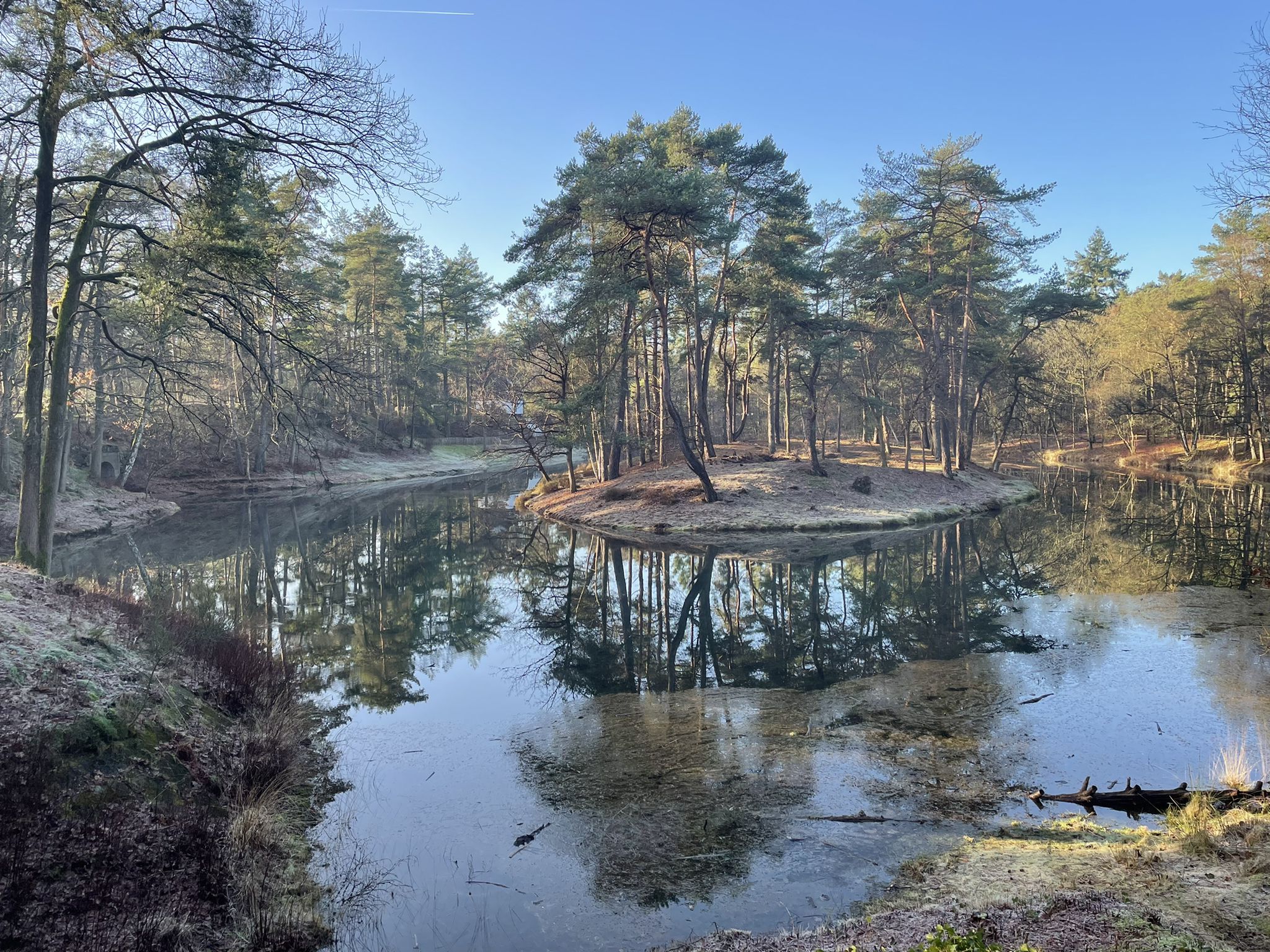
No traffic touring cycling routes around Driebergen-Rijsenburg traverse a diverse landscape shaped by the last Ice Age, featuring a "hilly by Dutch standards" topography. The region includes dense forests, expansive heathlands, and moraines with moderate ascents. To the south, the terrain transitions into the open riverine area of the Kromme Rijn, characterized by polders, orchards, and meandering streams. This variety offers cyclists routes through woodlands, sand drifts, and fens, all within the Utrechtse Heuvelrug UNESCO GeoPark.
Best no traffic touring…
Last updated: July 7, 2026
4.6
(67)
370
riders
58.9km
03:31
160m
160m
Moderate bike ride. Good fitness required. Mostly paved surfaces. Suitable for all skill levels.
4.7
(103)
452
riders
36.4km
02:11
120m
120m
Moderate bike ride. Good fitness required. Mostly paved surfaces. Suitable for all skill levels.

Sign up for free
5.0
(16)
2,050
riders
Easy bike ride. Great for any fitness level. Mostly paved surfaces. Suitable for all skill levels.
4.6
(7)
1,279
riders
Moderate bike ride. Good fitness required. Mostly paved surfaces. Suitable for all skill levels.
4.0
(4)
60
riders
Moderate bike ride. Good fitness required. Mostly paved surfaces. Suitable for all skill levels.
Get access to more routes and recommendations from other explorers.
Sign up for free
Already have an account?
Our route recommendations are based on thousands of hikes, rides, and runs completed by other people on komoot.
Start today with a free account
Your next adventure awaits.
Login or Signup


Other adventures around Driebergen-Rijsenburg

Tips from the Community

Beautiful old avenue with rows of large trees on both sides
0
0

A lovely, gently winding path through varied scenery. Be careful of oncoming traffic on the bends – some people seem to think they can use the entire width of the path for themselves.
2
0
Around 1300, Sandenburg was first mentioned as a "residential tower with six marrows of land." At that time, Sandenburg was nothing more than a fortified tower; the white-plastered extension and outbuildings only date from the 19th century. Many fortified towers were built in the Langbroekerwetering area during the Middle Ages. The Bishop of Utrecht and his neighbor, the Duke of Guelders, had little affection for each other at the time, and to protect their territory from a possible invasion, watchtowers were built in the border region. Sandenburg was one such watchtower. Over time, the tower was expanded into a residential tower and castle. In 1538, Sandenburg was recognized as a Knight's Court. By then, the castle had grown into a fully moated complex with a tower, several residential wings, and an outer bailey. In 1792, the Sandenburg Estate was purchased by G.C.C.J. Baron van Lynden. He thus became "Lord of Sandenburg," and the family name changed to Van Lynden van Sandenburg. The Knight's Manor had been almost entirely demolished before 1792. Only the square, four-story residential tower remained. Between 1861 and 1864, the Van Lyndens expanded this tower into a castle. Designed by the renowned architect Van Lunteren, the building was constructed in the romantic, neo-Gothic style, with its characteristic whitewashed walls and towers. The park surrounding the castle was laid out in the current English landscape style. Adjacent to the castle were the Coach House, the Orangery, and the Gatekeeper's House. The coachman's house was built against the rear of the Orangery, where the poet Gerrit Achterberg was born in 1905. During the 18th and 19th centuries, the Sandenburg Estate expanded through acquisition and inheritance. By the end of the 19th century, the estate had grown to over 600 hectares. (https://www.sandenburg.nl/historie/)
0
0

beautiful cycling path through the woods. winding
0
1

Cycling is indeed prohibited, and strict enforcement is in place. All of Bornia is a protected nature reserve and is inaccessible to cyclists, with the exception of the mountain bike route.
1
0

Maybe try wider tires or choose a different route.
0
2

Frequently Asked Questions
How many no-traffic touring cycling routes are available around Driebergen-Rijsenburg?
There are over 20 dedicated no-traffic touring cycling routes around Driebergen-Rijsenburg, offering a variety of experiences for cyclists of all levels. These routes are designed to keep you away from busy roads, allowing for a peaceful ride through the region's diverse landscapes.
What kind of terrain can I expect on these car-free cycling routes?
The terrain around Driebergen-Rijsenburg is surprisingly varied for the Netherlands, often described as 'hilly by Dutch standards' due to its Ice Age origins. You'll encounter moderate ascents through dense forests and expansive heathlands to the north, and flatter, open riverine areas with polders and orchards to the south. Routes like the Utrechtse Heuvelrug National Park Loop showcase this diverse and elevated landscape.
Are there any easy, family-friendly no-traffic routes suitable for beginners?
Yes, many of the routes are classified as easy, making them perfect for families or beginners. For instance, the Scenic Forest Trail – Beauforthuis Café & Theatre loop from Driebergen-Rijsenburg is an easy 22 km ride through pleasant woodlands, offering a relaxed experience. The region's well-developed cycling node system also allows for customising shorter, less challenging loops.
What are some notable landmarks or natural features I can see along the routes?
The routes offer a rich blend of natural beauty and historical sites. You can cycle past impressive castles such as Zeist Castle with its English gardens, or explore the geological significance of the Utrechtse Heuvelrug UNESCO GeoPark. Natural features include sand drifts like those in Heidestein, fens, and the open riverine landscapes of the Kromme Rijn. The Rijn and Lek Flour Mill – Sandenburg Castle loop from Driebergen-Rijsenburg is a great option to see both historical architecture and scenic river views.
Can I find places to stop for refreshments or a meal along the car-free cycling paths?
Absolutely. The region is dotted with charming cafes and restaurants, often located in scenic spots. The Scenic Forest Trail – Beauforthuis Café & Theatre loop, for example, passes by the Beauforthuis Café & Theatre, offering a pleasant stop. Many routes also lead through towns and villages where you can find local eateries. The Bezoekerscentrum de Boswerf in Zeisterbos also offers a nature experience center with activities and a play forest, which can be a good stop for families.
Are there any circular no-traffic cycling routes available?
Yes, many of the no-traffic routes around Driebergen-Rijsenburg are circular, making them convenient for starting and ending at the same point. The Utrechtse Heuvelrug National Park Loop is a prime example, offering a comprehensive circular tour of the park's diverse landscapes.
What is the best season for touring cycling in Driebergen-Rijsenburg?
Spring and autumn are generally considered the best seasons for touring cycling in Driebergen-Rijsenburg. In spring, the orchards are in bloom and the forests come alive. Autumn offers beautiful foliage and comfortable temperatures. Summer is also popular, though it can be warmer, while winter cycling is possible but may require more preparation for colder, potentially wetter conditions.
What do other touring cyclists enjoy most about the routes in Driebergen-Rijsenburg?
The komoot community highly rates the touring cycling routes in Driebergen-Rijsenburg, with an average score of 4.18 out of 5 stars. Reviewers often praise the quiet, car-free paths, the varied 'hilly by Dutch standards' terrain, and the beautiful blend of dense forests, open heathlands, and riverine landscapes. The well-maintained infrastructure and the abundance of historical castles and natural sights are also frequently highlighted.
Are there any routes that explore the riverine areas or water-themed attractions?
Yes, south of Driebergen-Rijsenburg, the landscape transitions into the open riverine area of the Kromme Rijn, featuring polders, orchards, and meandering streams. Routes like the Historic Centre of Culemborg – Buren loop from Driebergen-Rijsenburg will take you through these picturesque water-rich landscapes. Additionally, specific routes like the 'Waterproof Zeist' (not listed in data, but mentioned in research) highlight historical water features such as the Zeist water tower and natural water sources.
What are the typical lengths of the no-traffic touring cycling routes?
The no-traffic touring cycling routes vary significantly in length to accommodate different preferences and fitness levels. You can find shorter, easy routes around 20-30 km, such as the Scenic Forest Trail – Beauforthuis Café & Theatre loop at 22 km. Longer, more challenging routes can extend up to 70 km, like the Historic Centre of Culemborg – Buren loop from Driebergen-Rijsenburg which is over 73 km, offering full-day adventures.
Is public transport available to reach the starting points of these routes?
Driebergen-Rijsenburg is well-connected by public transport, making it an ideal starting point for many cycling routes. The town has a train station (Driebergen-Zeist) with good connections, and local bus services can help you reach various trailheads. This allows for convenient access to the car-free cycling network without needing a car.
Are there any routes that pass by sand drifts or unique natural sights?
Yes, the region is known for its diverse natural features, including sand drifts. Areas like Heidestein, mentioned in the regional research, feature these unique landscapes. While specific routes passing directly through Heidestein aren't listed in the provided data, many routes within the Utrechtse Heuvelrug National Park will bring you close to such natural wonders, offering a chance to explore these distinctive geological formations.
Most popular routes around Driebergen-Rijsenburg
Most popular attractions around Driebergen-Rijsenburg

Get inspired with the komoot mobile app


Explore more
Browse the best Cycling routes in other regions.
