The best traffic-free bike rides around Maastricht
4.4
(2347)
17,128
riders
109
rides
No traffic touring cycling routes around Maastricht offer a diverse landscape, characterized by the meandering River Meuse and the undulating rolling hills of Limburg's Heuvelland. The region features unique chalk landscapes, lush fields, and historical sites, providing varied terrain for cyclists. Paths often follow riverbanks, canals, or wind through picturesque villages and gentle slopes, with some routes extending into neighboring countries.
Best no traffic touring cycling routes around Maastricht
- The most popular no traffic touring cycling route is Sint Servaas…
Last updated: August 11, 2026
4.4
(18)
104
riders
37.1km
02:13
220m
220m
Moderate bike ride. Good fitness required. Mostly paved surfaces. Suitable for all skill levels.
4.6
(280)
1,403
riders
45.0km
02:38
110m
110m
Moderate bike ride. Good fitness required. Mostly paved surfaces. Suitable for all skill levels.

Sign up for free
4.6
(179)
888
riders
27.2km
01:41
180m
180m
Moderate bike ride. Good fitness required. Mostly paved surfaces. Suitable for all skill levels.
4.7
(60)
427
riders
65.2km
03:59
420m
420m
Moderate bike ride. Good fitness required. Mostly paved surfaces. Suitable for all skill levels.
4.7
(155)
916
riders
62.8km
03:36
130m
130m
Moderate bike ride. Good fitness required. Mostly paved surfaces. Suitable for all skill levels.
Get access to more routes and recommendations from other explorers.
Sign up for free
Already have an account?
Our route recommendations are based on thousands of hikes, rides, and runs completed by other people on komoot.
Start today with a free account
Your next adventure awaits.
Login or Signup
Popular around Maastricht
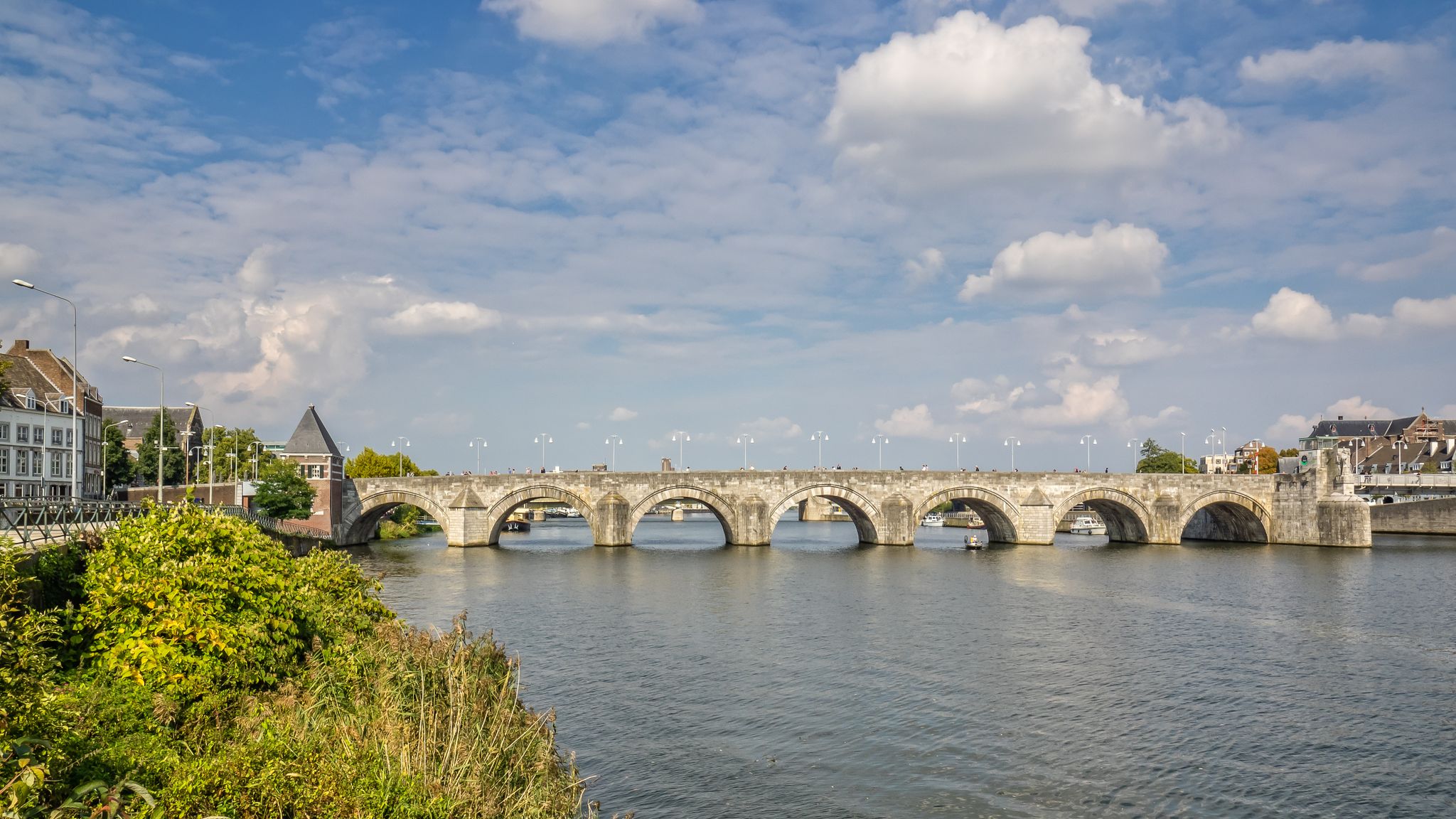
LF Maasroute – From Maastricht to Rotterdam along the Meuse River
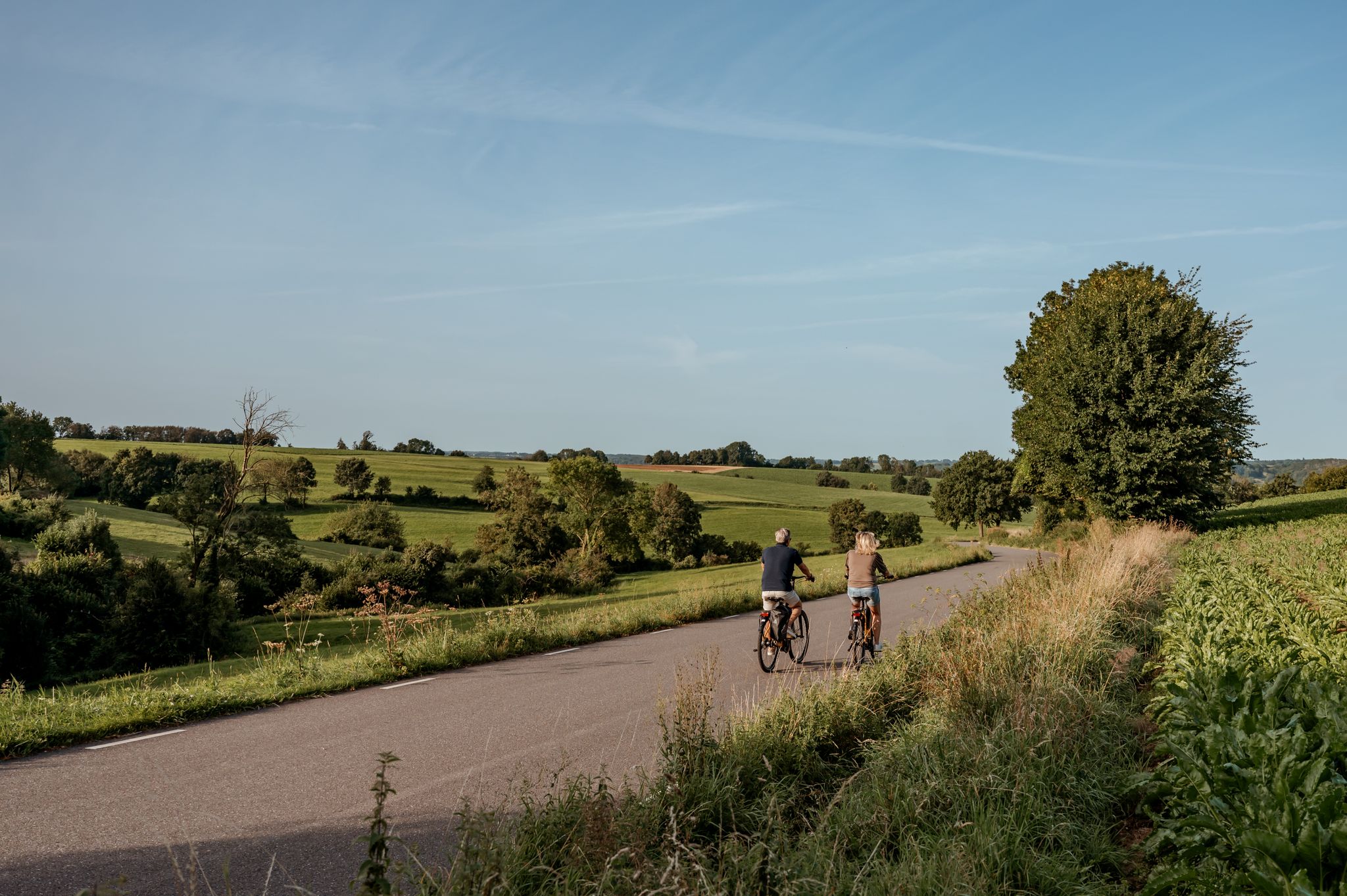
The best of South Limburg by bike
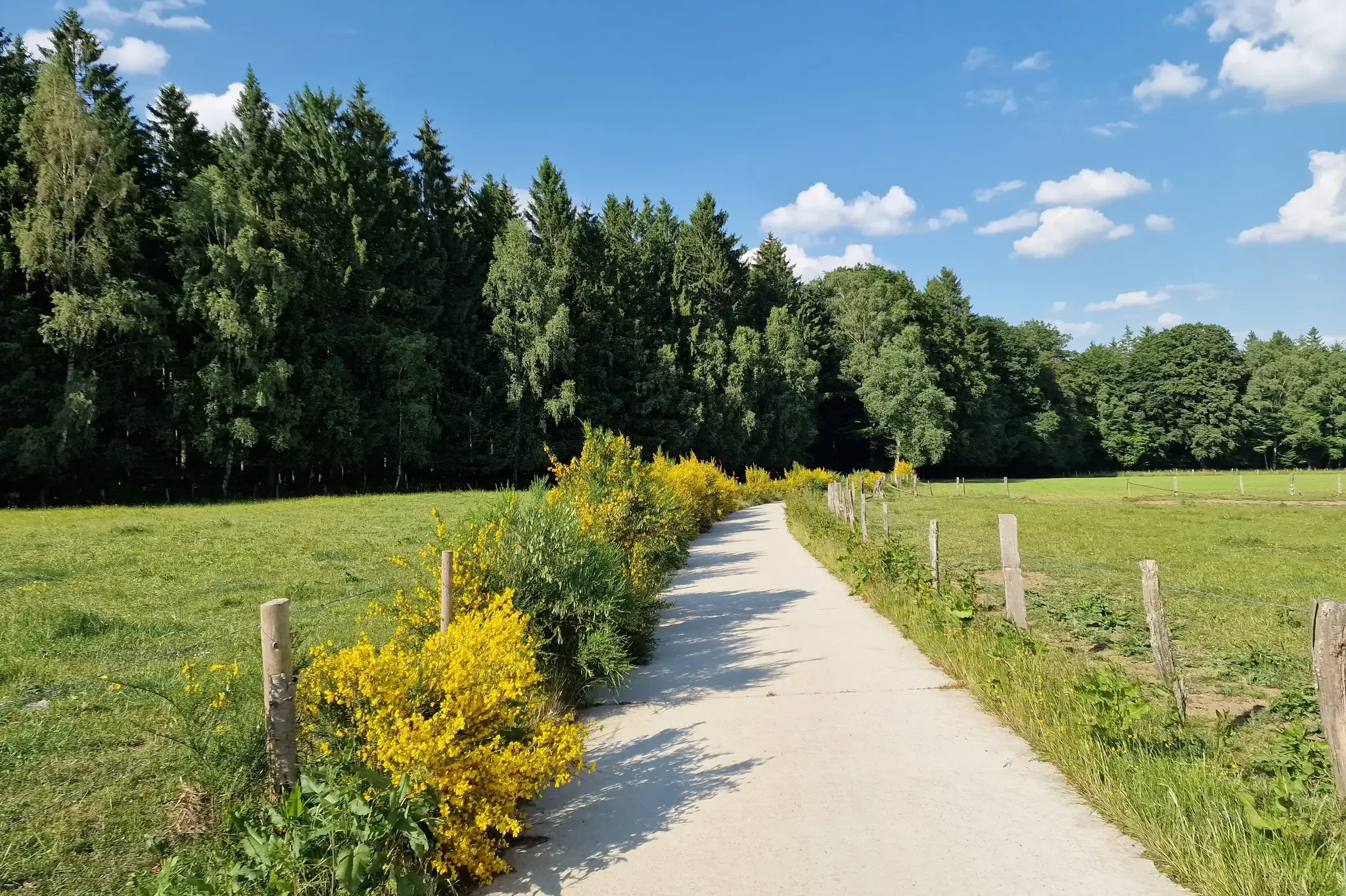
RAVeL W7 — On the road of the Ardennes
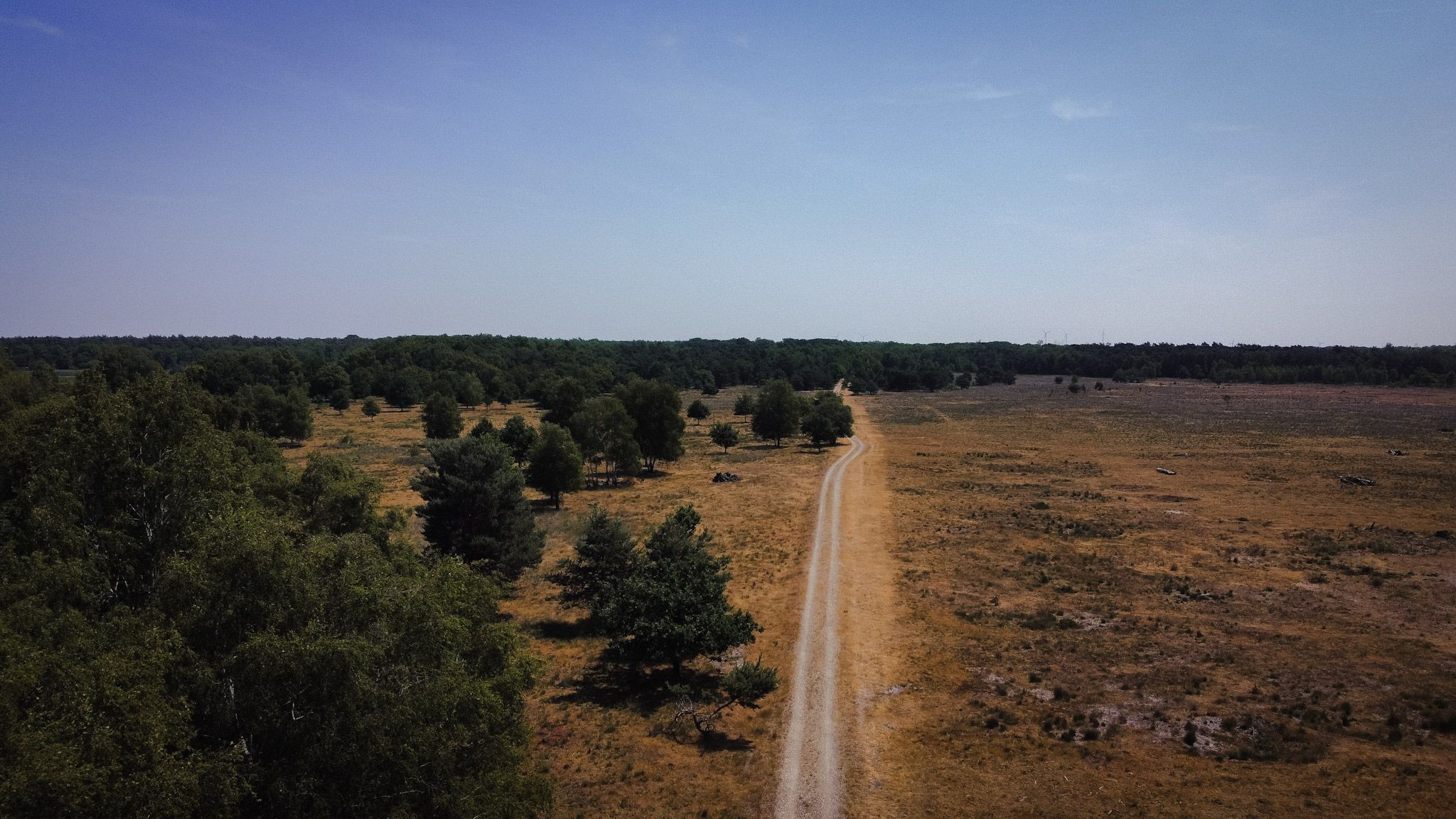
Geile Strecke — the Limburg divide
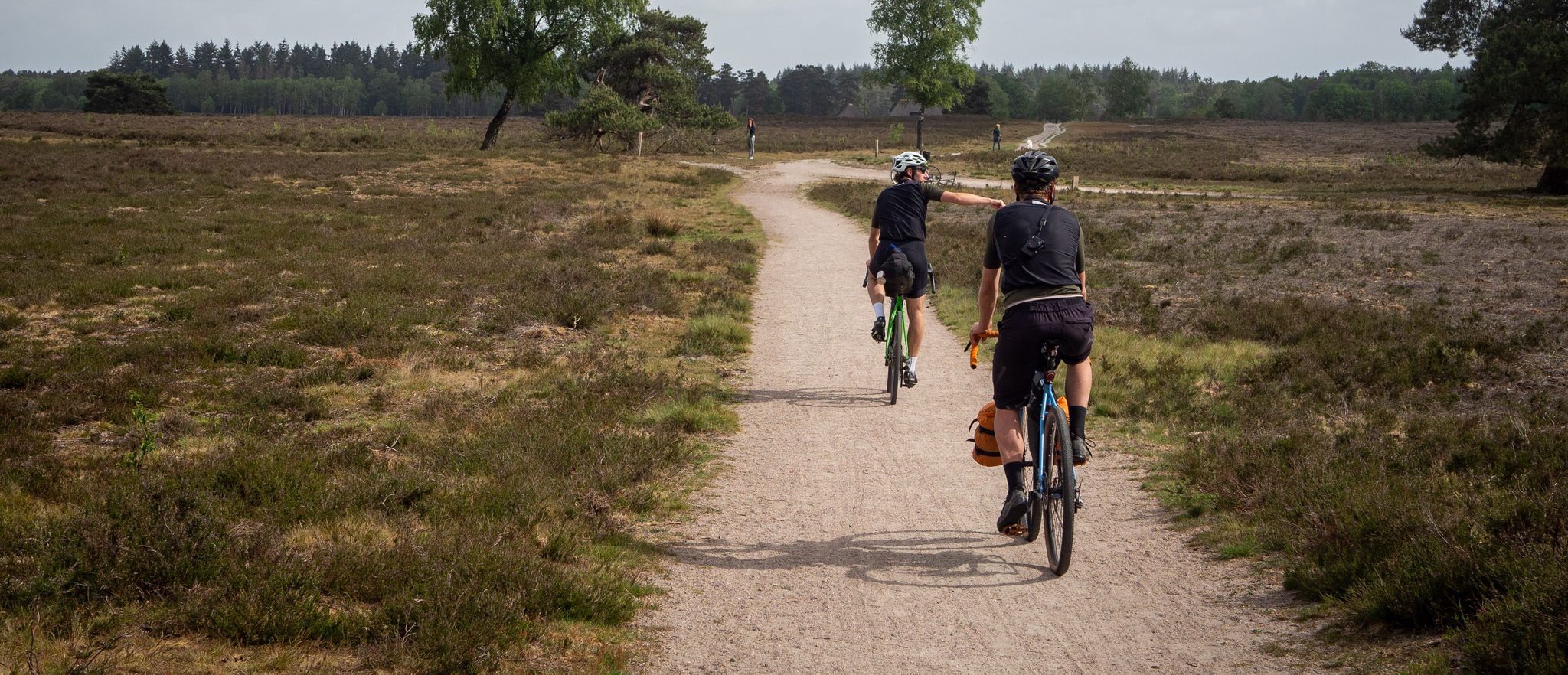
Bikepacking Weekenders − Netherlands unpaved
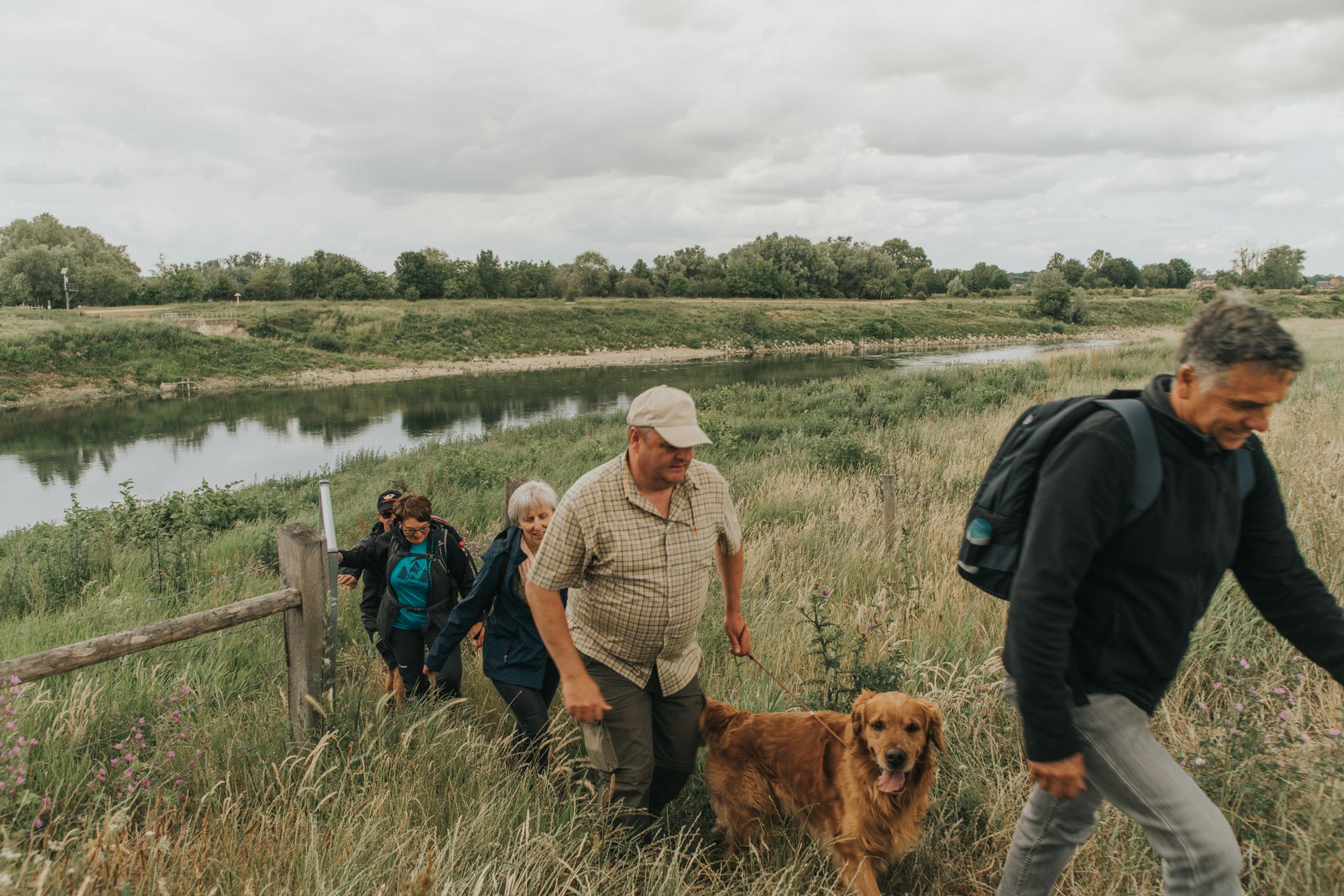
Discover the wild river - 6 hiking days in RivierPark Maasvallei (LAW)
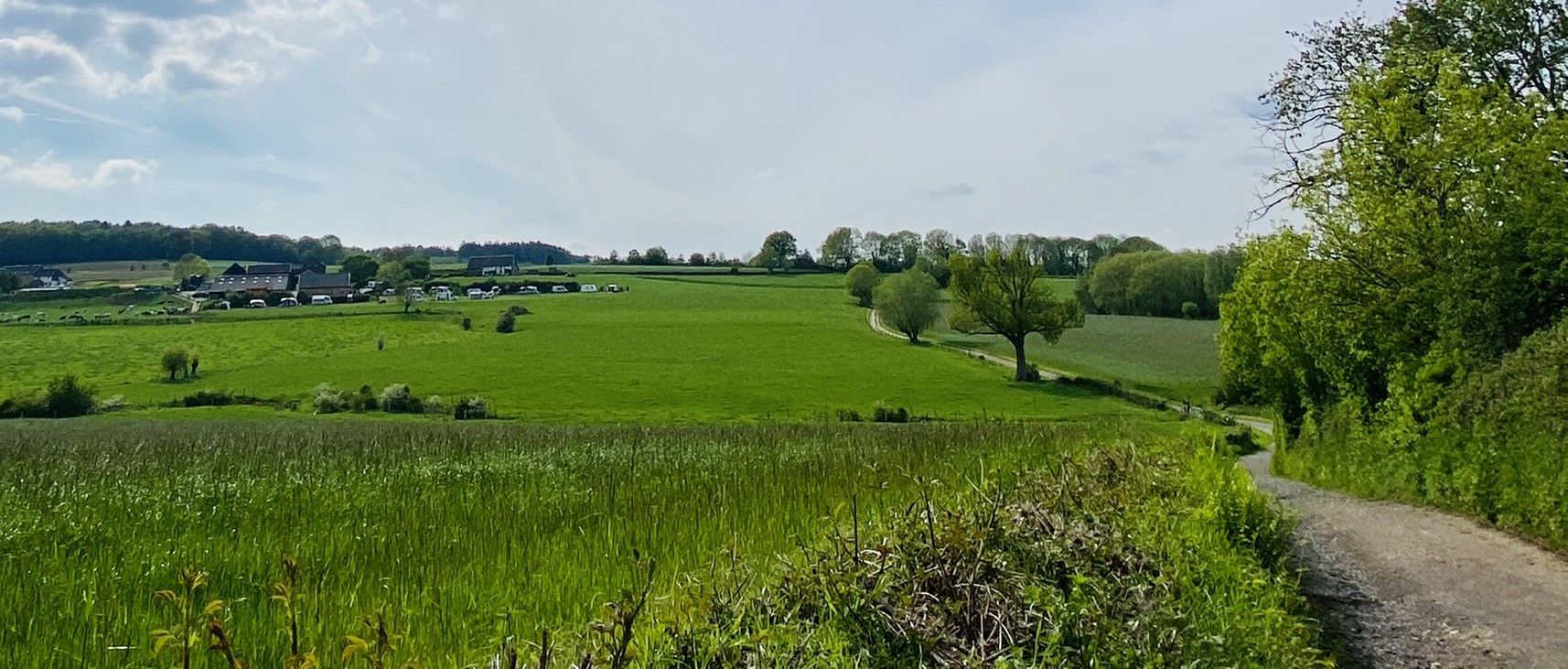
The Krijtlandpad trail - South Limburg at its best in five hiking stages
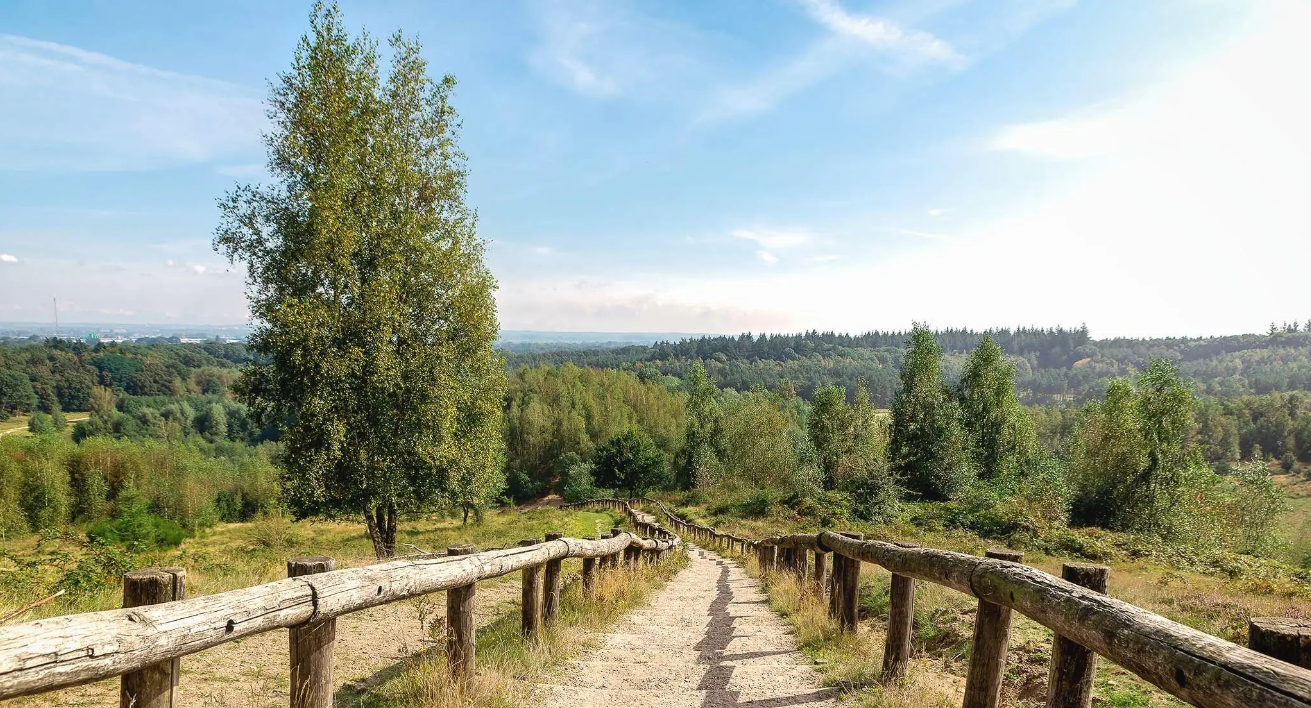
For hill seekers: The best trail runs in the Netherlands
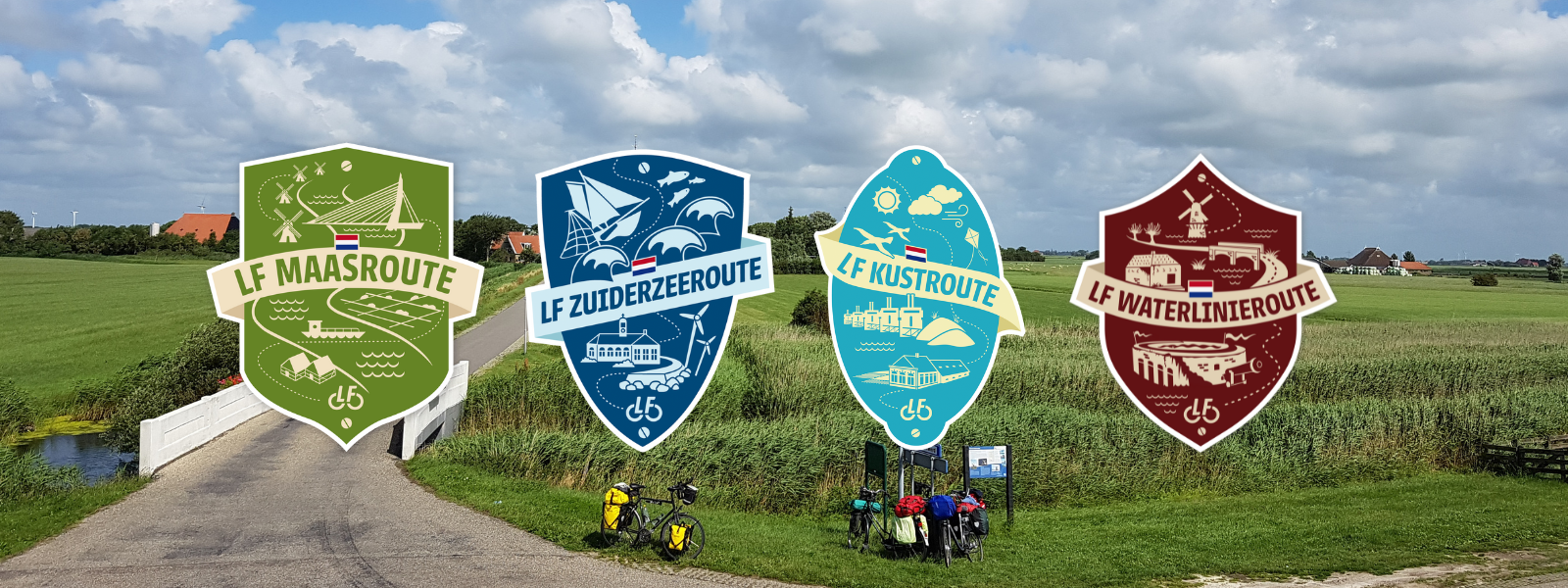
LF-routes

Rucksack auf und los – Weitwandern mit deuter in Belgien und den Niederlanden
Other adventures around Maastricht


Tips from the Community

The Sint Servaasbrug is one of Maastricht's most recognizable and historic monuments. This centuries-old stone arch bridge over the Maas originally dates back to the 13th century and is often considered the oldest surviving bridge in the Netherlands. The bridge has been an important connection between the two banks of the city for centuries and is named after Saint Servatius, the patron saint of Maastricht. With its characteristic arches, natural stone piers, and views over the Maas, the bridge is a beloved spot for walkers, cyclists, and visitors who want to experience the rich history and atmosphere of Maastricht.
0
0

It is good cycling on the paved towpaths along the Meuse.
0
0

At the Van Tienhovenmolen, everything revolves around traditional milling. This authentic windmill is still used to process various types of grain into high-quality flour. Our products are available not only at the mill but also for delivery to local shops and businesses in the surrounding area. Due to work on the mill, the shop and webshop will be closed from July 19 to August 13, 2026.
9
0

The small church overlooks the Commandery.
2
0

The kiln originated during the lime shortage in World War I, when imports from abroad were lacking. Local entrepreneurs in Limburg burned local limestone into quicklime (CaO) for building mortar, plaster, and construction purposes – a simple process at 900–1200 °C. (Cement: Needs rotary kilns at >1400 °C for clinker formation). Today, the dilapidated kiln is an industrial monument at the foot of the Curfsgroeve and part of the Mergel history.
0
0
In my opinion, one of the most beautiful scenic routes you can cycle in Limburg
1
0
The parish of St. Martin was founded before or around the year 1000. It is not known when the first and second churches were built. The first church is said to have been made of wood and the second church of marl. The west tower was built in the 14th century. The Gothic choir was built in 1626. In the period 1664-1806/1820 (depending on the source), the church was used by the Roman Catholic parish of H. Martinus and the then Reformed (Protestant) community of Geul. It was also a refuge for Protestants living on the other side of the Maas in the land of Rekem. In the years 1919-1920, a part was demolished and rebuilt. The church at the time, which was demolished, would have been the third church. From this church, after a cross enlargement, only the priest's choir, which is now used as a daily chapel, and the tower remain. The new nave was rebuilt through the existing church and is based on the design of the Maastricht architect Hubert van Groenendael. This gave the church its typical cross shape.
7
0
The stables of the old moated castle Schloss Geulle, demolished in 1850, have been converted into comfortable accommodation with elegantly landscaped gardens within the moat. Guest rooms with fireplace, fully equipped kitchen, bicycles and free Wi-Fi. Numerous golf courses and excellent Michelin-starred restaurants in the surrounding area.
7
0
Frequently Asked Questions
How many no-traffic touring cycling routes are available around Maastricht?
There are over 100 dedicated no-traffic touring cycling routes around Maastricht, offering a wide variety of distances and difficulty levels. The komoot community has rated these routes highly, with an average score of 4.4 out of 5 stars.
What kind of terrain can I expect on no-traffic cycling routes near Maastricht?
Maastricht is situated in South Limburg, known for its picturesque, undulating hills (Heuvelland) and the flat riverbanks of the Meuse. You'll find routes that follow serene river paths, offering gentle slopes, as well as more demanding climbs through rolling hills like those found in the Bemelerberg nature reserve. This variety ensures options for all fitness levels.
Are there any family-friendly no-traffic cycling routes in Maastricht?
Yes, many of the routes along the River Meuse are relatively flat and traffic-free, making them ideal for families. These paths often extend towards picturesque villages and offer safe, enjoyable cycling experiences for all ages. Look for routes with lower elevation gain for an easier ride.
What are some scenic viewpoints or natural features I can discover on these routes?
The region is rich in natural beauty. You can cycle past the unique chalk landscapes of Mount Saint Peter (Sint Pietersberg), explore the former ENCI quarry, or follow the Geul river where you might spot features like the Marl Cliff along the Geul. The Mechelse Heide also offers beautiful lakes and sand dunes.
Can I find circular no-traffic cycling routes around Maastricht?
Absolutely. Many routes are designed as loops, allowing you to start and end in the same location. For example, the Sint Servaas Bridge – Geulle Castle loop from Maastricht Randwyck offers a moderate 45 km ride, while the Lanaye Lock – Albert Canal Towpath at Kanne loop from Maastricht is a longer 65 km option.
What is the best season for no-traffic touring cycling in Maastricht?
The spring and summer months (April to September) generally offer the most pleasant weather for cycling in Maastricht, with milder temperatures and longer daylight hours. However, the region's beauty can be enjoyed year-round, with autumn providing stunning foliage and winter offering crisp, quiet rides, though some amenities might have reduced hours.
Are there any long-distance no-traffic cycling paths that start from Maastricht?
Yes, Maastricht serves as an excellent starting point for longer international cycling tours. The International Meuse Route, for instance, stretches along the river towards Belgium and France, passing castles, forts, and picturesque villages, often utilizing dedicated cycling paths away from traffic.
Are there places to stop for refreshments or accommodation along these routes?
The South Limburg region is well-equipped with amenities for cyclists. Many routes pass through charming villages and towns where you can find cafes, pubs, and various accommodation options. It's always a good idea to check your planned route for specific points of interest and services beforehand.
How can I reach the starting points of these no-traffic cycling routes using public transport?
Maastricht has good public transport connections, including train and bus services, which can take you to various points around the city and into the wider region. Many routes are accessible from Maastricht's city center or its outskirts, making it convenient to start your ride after arriving by public transport. Some routes, like the Old Meuse – View of the Meuse loop from Maastricht Noord, are easily reachable from different parts of the city.
What are some unique natural attractions near Maastricht that I can visit while cycling?
Beyond the rolling hills, the region's unique geology offers fascinating sights. You can explore areas with extensive systems of man-made caves, such as the Thier des Vignes Flint Caves, or discover former quarries like the Trichterberggroeve Limestone Quarry, which are now often recreational areas. These provide a distinctive character to the landscape.
What is the difficulty level of no-traffic touring cycling routes in Maastricht?
The routes vary significantly in difficulty. You'll find many easy routes, often flat and following river paths, perfect for beginners or a relaxed day out. There are also numerous moderate routes, which might include some rolling hills and longer distances, such as the Valkenburg on the Geul – Geul Gate, Valkenburg loop from Maastricht. For more experienced cyclists, there are challenging routes with more significant climbs through the Limburg hills.
Most popular routes around Maastricht
Most popular attractions around Maastricht

Get inspired with the komoot mobile app


Explore more
Browse the best Cycling routes in other regions.
