The best traffic-free bike rides around Réaux-Sur-Trèfle
14
riders
4
rides
No traffic gravel bike trails around Réaux-Sur-Trèfle traverse a tranquil rural environment characterized by diverse landscapes. The region features peaceful countryside, winding through vineyards, small woods, and open fields. Cyclists can expect routes along the Trèfle river, offering picturesque waterside scenery and accessible paths. This area provides a blend of natural beauty and suitable routes for gravel biking.
Best no traffic gravel bike trails around Réaux-Sur-Trèfle
- The most popular no traffic gravel bike trail is Great passage through the forest…
Last updated: May 26, 2026
2
riders
Moderate gravel ride. Good fitness required. Mostly paved surfaces. Suitable for all skill levels.
1
riders
29.5km
01:47
190m
190m
Moderate gravel ride. Good fitness required. Mostly paved surfaces. Suitable for all skill levels.

Sign up for free
1
riders
41.7km
02:29
290m
290m
Moderate gravel ride. Good fitness required. Mostly paved surfaces. Suitable for all skill levels.
2
riders
51.8km
02:58
270m
270m
Moderate gravel ride. Good fitness required. Mostly paved surfaces. Suitable for all skill levels.
Our route recommendations are based on thousands of hikes, rides, and runs completed by other people on komoot.
Start today with a free account
Your next adventure awaits.
Login or Signup
Popular around Réaux-Sur-Trèfle
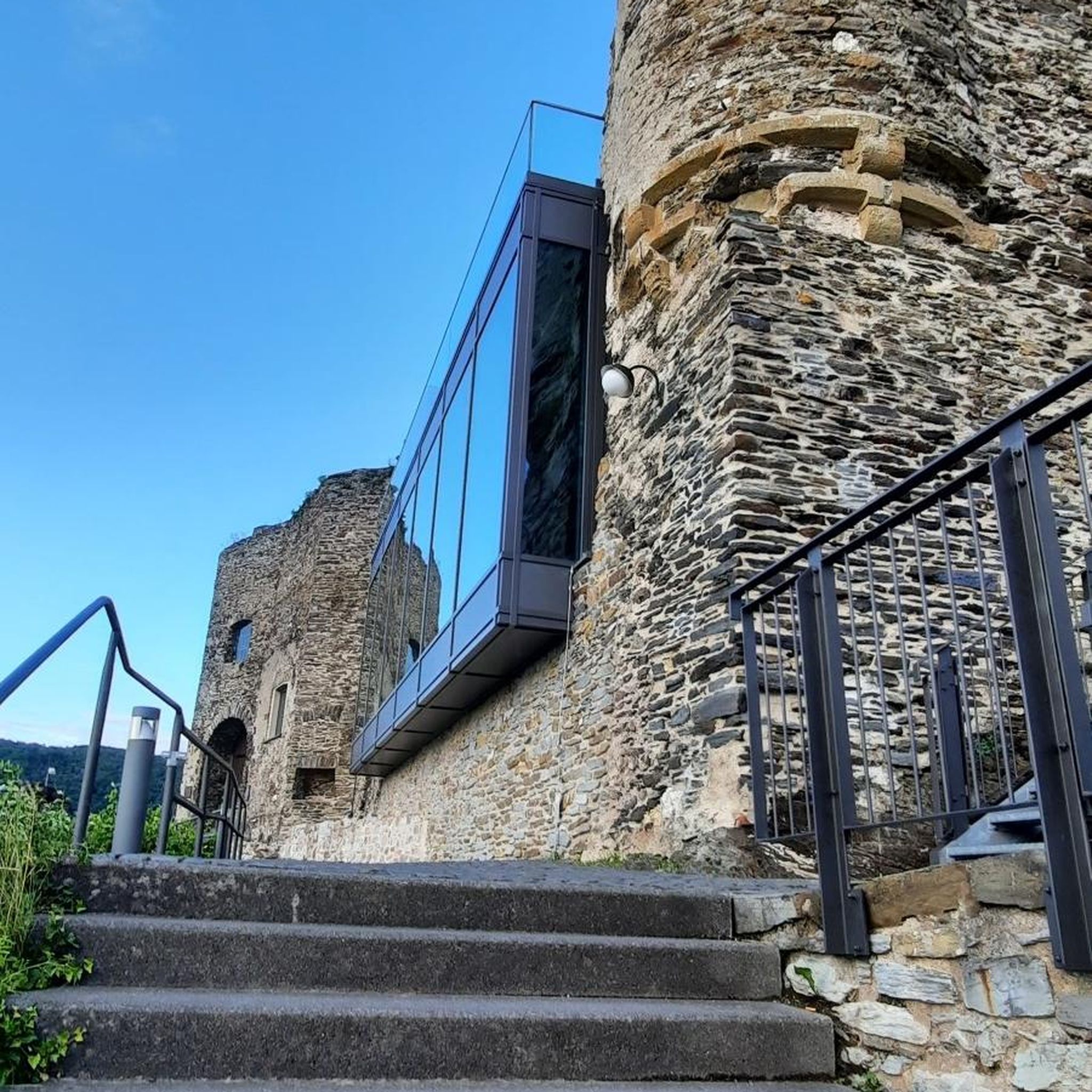
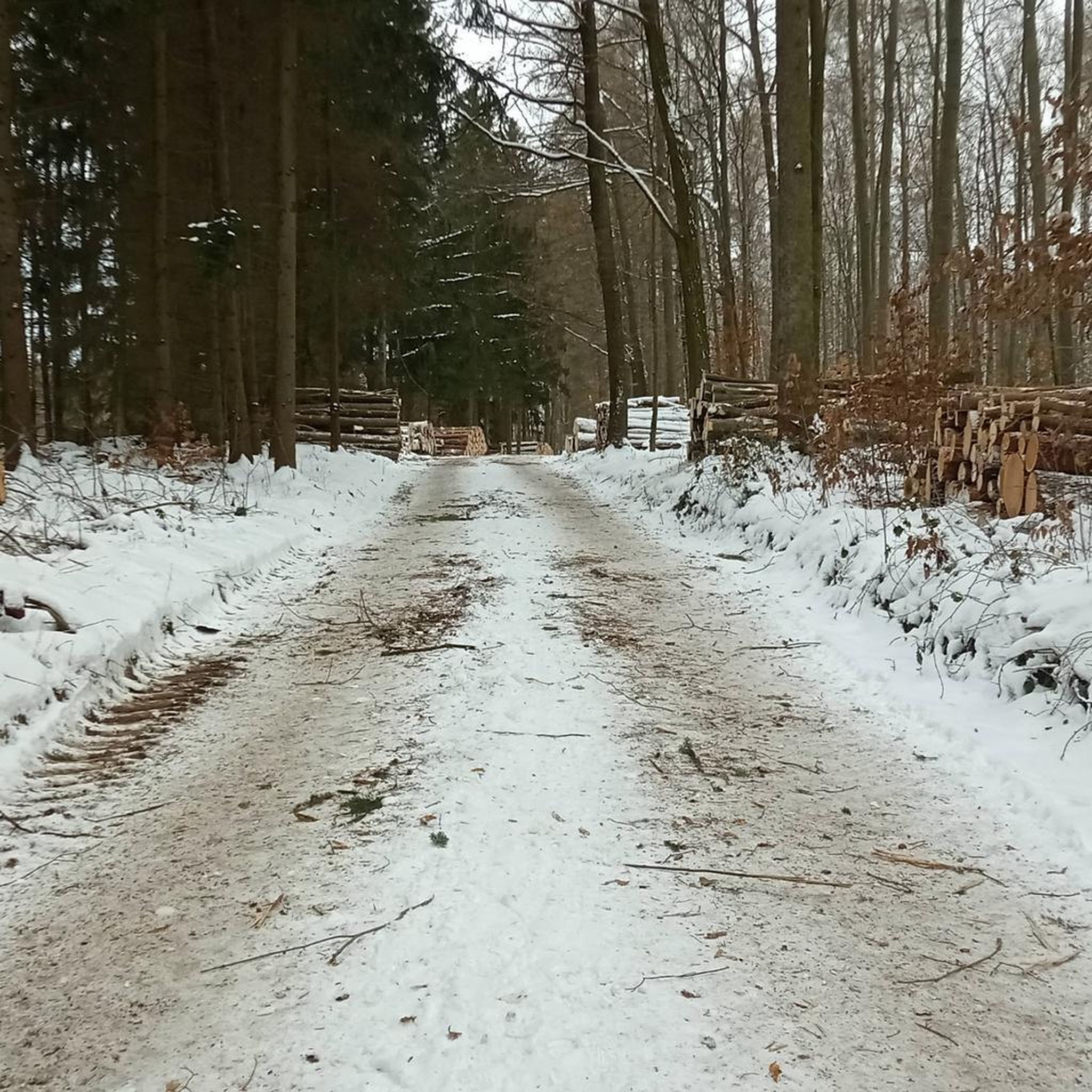
Tips from the Community

Close to the single tracks of the Marignac forest
1
0

Superb panorama over the Seugne valley and well beyond...
0
0

A beautiful section of gravel of about 2km which crosses the vines. You can get off the roads a bit and the gravel is quite compact.
1
0

It's always nice to see our friends the Mehuuuuuu cows 😉
0
0

Exactly beautiful little mountain bike paths
0
0

The parish church of Saint-Martin de Meux, which was initially a seigniorial chapel, dates from the 12th century. Rectangular in plan, it has a fairly long nave which was probably modified after the Hundred Years Wars, in the 15th century and it was fortified by building an upper chamber pierced with arrow slits. In the upper part, a canopy covered with slate shelters two bays of campanile which would have replaced the bell tower demolished before the Revolution. A vault of plaster ribs built in 1861 and which covered the nave, gave way to the framework of the beginning of the 17th century. It was listed as a historic monument on May 15, 2000.
0
0
The land and lordship of Meux, in Saintonge, fell under the old regime of the castle and county of Jonzac and enjoyed the right of high, medium and low justice. The first lords of Meux date back to the 13th century, Agnès de Montlieu died without posterity, the land of Meux fell, around 1400, to Jeanne du Fresnay, wife of Aymard de La Laigne. Then, Blanche de La Laigne, daughter of the latter, brought it as a dowry to Louis Chesnel who had roots in Saintonge, whose family would form different branches which would own, in particular, the castles of Château Chesnel (in Cherves-Richemont, in Charente ) and Écoyeux (in Charente-Maritime). After nine generations, it was Charles-Maurice Colbert, marquis de Villacerf, abbot of Neauphle, acting on behalf of Angélique-Elisabeth Chesnel, who sold the Château de Meux in 1712 to Pierre Dudon, king's lawyer in Parliament of Bordeaux3. By this action, the purchaser invested the dowry of his wife, Brigitte de Laage, who died prematurely, in August 1713, a year after her marriage. For this reason, he had to give up his land in Meux in 1714 to his father-in-law, Jacques de Laage. From 1719, the latter sold the Château de Meux to Antoine Bonnet, Lord Count of Nègrepelisse (Tarn-et-Garonne), who was forced to hand it over in 1721 to Hélie de Laage (1676-1729). The land of Meux remains in the hands of the de Laage family, which adds to its name that of Meux, until 1853. Contrary to what has been written elsewhere, it is not Hippolyte de Laage (1811- 1883) which then separates from the castle, but Jérôme de Laage (1777-1856), lieutenant-colonel of the Engineers, former deputy of Charente-Inférieure (1824-1827). From then until the early 1970s, when it was acquired by Monique Guilbaud, who saved it from ruin, the Château de Meux became the seat of a farm. The entrance is through a porch which overlooks the garden bordered on three sides by low outbuildings with tiled roofs. Opposite, the dwelling, built in the 15th century during the period of reconstruction after the departure of the English, is in the Flamboyant style, with a polygonal tower with a hipped roof pierced by a window decorated with stone embroidery. Two towers have disappeared, which we know from engravings. It is a French-style garden reconstituted from 1972, with eight cone-trimmed yews marking the intersection of the paths and the four squares of lawn. It is worked in the greens of the lawn, yews and spindles and the red of the rows of small rosebushes. A rose garden completes this garden. A trimmed hedge separates the park planted with species chosen for their colors. The traditional vegetable garden and orchard complete this set of gardens. Possibility of visit from June 1 to September 30, from 2:30 p.m. to 6:30 p.m. (except Tuesdays).
1
0

Here you have a breathtaking view of the church of Marignac, all the hills and the vineyards. == Here you get an amazing view of Marignac church, all of the hills and the vineyards.
0
0
Frequently Asked Questions
How many no-traffic gravel bike trails are available around Réaux-Sur-Trèfle?
There are currently 4 moderate no-traffic gravel bike routes documented around Réaux-Sur-Trèfle. These routes offer a peaceful cycling experience away from busy roads, allowing you to immerse yourself in the tranquil Charente countryside.
What kind of terrain can I expect on these no-traffic gravel routes?
The no-traffic gravel routes around Réaux-Sur-Trèfle primarily traverse peaceful countryside, winding through vineyards, small woods like the Bois de la Gâtine, and open fields. You'll find a mix of gravel paths and quiet rural roads, often alongside the Trèfle River, providing varied and scenic terrain suitable for gravel biking.
Are the no-traffic gravel trails around Réaux-Sur-Trèfle suitable for beginners?
While all documented routes are rated as 'moderate' in difficulty, the Charente region is generally known for accessible paths. These routes are designed to be traffic-free, which enhances safety and enjoyment for all skill levels. If you're comfortable with moderate distances and some elevation changes, you'll find these trails enjoyable. For example, the Gravel path – The Roman Road loop from Chadenac offers a good introduction to the area's gravel riding.
What is the best season for gravel biking in Réaux-Sur-Trèfle?
The Charente region, including Réaux-Sur-Trèfle, is generally pleasant for gravel biking from spring through autumn. Spring brings blooming vineyards and mild temperatures, while autumn offers beautiful foliage. Summer can be warm, but routes through wooded areas like those found on the Great passage through the forest – Gravel path into the woods loop from Chadenac can offer welcome shade. Winters are typically mild but can be damp.
Are there circular no-traffic gravel bike routes in Réaux-Sur-Trèfle?
Yes, all the no-traffic gravel bike routes listed for Réaux-Sur-Trèfle are circular. This means you can start and end your ride in the same location, making logistics easier. Examples include the Cows Near the Water Trough – Château d'Ars loop from Chadenac and the Chaillot Mills – The Roman Bridge loop from Chadenac.
Where can I park when planning a no-traffic gravel bike ride near Réaux-Sur-Trèfle?
Given the rural nature of Réaux-Sur-Trèfle and its surrounding communes like Chadenac (where many routes start), you can typically find parking in village centers or designated public parking areas. Always check local signage for any restrictions. Starting points for these routes are often accessible by car.
What interesting sights can I discover along the no-traffic gravel bike trails?
The no-traffic gravel trails around Réaux-Sur-Trèfle offer a blend of natural beauty and historical charm. You might pass by vineyards, the tranquil Trèfle River, and small woods. Notable historical points of interest in the wider area include the impressive Jonzac Castle and the historic Saint-André Church of Clion. Keep an eye out for charming old bridges like the Donkey bridge.
Are the no-traffic gravel bike trails around Réaux-Sur-Trèfle family-friendly?
The traffic-free nature of these gravel routes makes them generally suitable for families, as they offer a safer environment away from cars. The moderate difficulty means that families with some cycling experience will enjoy the varied terrain through vineyards and countryside. Always consider the distance and elevation for younger riders.
Can I bring my dog on the no-traffic gravel bike trails?
Many of the rural paths and gravel roads in the Réaux-Sur-Trèfle area are suitable for cycling with dogs, provided they are well-behaved and kept under control, ideally on a leash. Be mindful of agricultural land, livestock, and local regulations. Ensure your dog is comfortable with the distance and terrain, and always carry enough water for both of you.
Are there places to eat or drink near the no-traffic gravel routes?
While the routes themselves focus on tranquil, traffic-free areas, you'll find small cafes, bakeries, and local restaurants in the nearby villages and towns, such as Jonzac or within Réaux-Sur-Trèfle itself. It's a good idea to plan your stops in advance, especially in smaller hamlets, as opening hours can vary.
Can I expect to see wildlife on these no-traffic gravel routes?
Cycling through the peaceful countryside, vineyards, and wooded areas around Réaux-Sur-Trèfle offers good opportunities for wildlife spotting. You might encounter various bird species, small mammals, and insects. Early mornings or late afternoons are often the best times for observing local fauna in their natural habitat.
What do other gravel bikers appreciate about the no-traffic routes in Réaux-Sur-Trèfle?
Gravel bikers visiting Réaux-Sur-Trèfle often praise the tranquility and the genuine escape from traffic. The region's charming countryside, with its vineyards and small woods, provides a beautiful backdrop for rides. The ability to explore historical sites like Château de Réaux and the Church of Moings, combined with the extensive network of quiet gravel roads, makes for a highly enjoyable and immersive experience.
Most popular routes around Réaux-Sur-Trèfle
Most popular attractions around Réaux-Sur-Trèfle

Get inspired with the komoot mobile app


Explore more
Browse the best Gravel rides in other regions.
