The best traffic-free bike rides around Saint-Germain-Du-Salembre
4.4
(103)
604
riders
65
rides
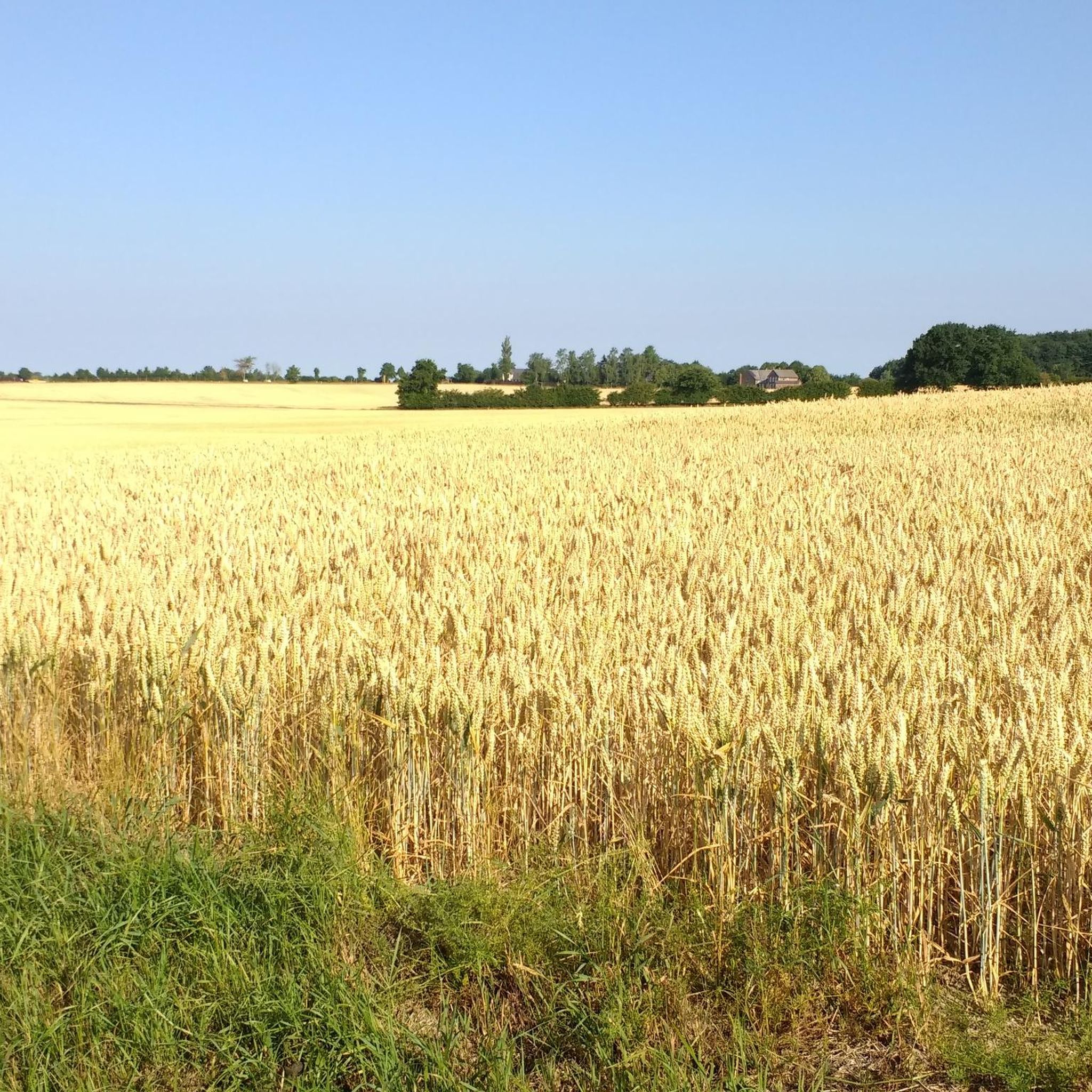
No traffic touring cycling routes around Saint-Germain-Du-Salembre traverse the picturesque landscapes of the Dordogne department in Nouvelle-Aquitaine, France. The region is characterized by the lush woodlands of the Forest of la Double and the peaceful Salembre stream, offering serene backdrops for cycling. The broader Dordogne Valley features scenic landscapes, limestone cliffs, and flowing rivers, providing a natural environment for outdoor enthusiasts. Cyclists can explore routes along waterways and through meadows, with varied terrain suitable for different skill levels.
Best no…
Last updated: July 6, 2026
4.5
(41)
135
riders
51.3km
03:02
140m
140m
Moderate bike ride. Good fitness required. Mostly paved surfaces. Suitable for all skill levels.
5.0
(3)
31
riders
15.3km
00:55
40m
40m
Easy bike ride. Great for any fitness level. Mostly paved surfaces. Suitable for all skill levels.

Sign up for free
4.6
(10)
22
riders
30.1km
01:47
100m
100m
Easy bike ride. Great for any fitness level. Mostly paved surfaces. Suitable for all skill levels.
5.0
(2)
13
riders
Hard bike ride. Very good fitness required. Mostly paved surfaces. Suitable for all skill levels.
2.0
(2)
22
riders
Easy bike ride. Great for any fitness level. Mostly paved surfaces. Suitable for all skill levels.
Get access to more routes and recommendations from other explorers.
Sign up for free
Already have an account?
Our route recommendations are based on thousands of hikes, rides, and runs completed by other people on komoot.
Start today with a free account
Your next adventure awaits.
Login or Signup
Popular around Saint-Germain-Du-Salembre
Tips from the Community

Neuvic Castle, built in the 16th century on the banks of the Isle, reveals a fascinating blend of medieval architecture and Renaissance elegance. Its vaulted rooms, authentic murals, and rare three-tiered stone sink preserve the secrets of a vibrant past. Surrounded by a superb six-hectare botanical park, a refuge for wildlife and a place of wonder for the curious, it invites you to stroll. Listed as a historic monument, the building was bequeathed in 1950 to the Fondation de l'Isle for the care of children, embodying the generosity of its owners. Today, fascinating tours, escape games, and nature walks make Neuvic Castle a destination as informative as it is inspiring.
0
0
Beauséjour Castle, built in 1340 by Cardinal Hélie de Talleyrand, proudly overlooks the Isle, like a guardian watching over the valley. This noble haven has survived the centuries and storms, burned down during the Fronde and then restored in the 17th century, it retains its silhouette steeped in history. It is said that it welcomed Henry IV during his warlike passage, and was for a long time the heart of the Duchy of Périgord, surrounded by mysteries and family legends. Now private.
0
0

The Pont des Barris, located in Périgueux, is one of the city's emblematic bridges. This stone bridge, which crosses the Isle River, connects the two banks of Périgueux and is part of the historic urban landscape. Points of interest of the Pont des Barris: Architecture and History: The Pont des Barris is a beautiful example of traditional stone architecture. It was built in the 19th century to replace old wooden bridges that once allowed people to cross the Isle. Its solid structure makes it an essential crossing point between the different districts of the city. It is made up of several stone arches, which give it both robustness and elegance. View of Périgueux: From the bridge, you can enjoy a magnificent view of the old town of Périgueux, including the Saint-Front Cathedral, whose domes dominate the skyline. The bridge is also a great vantage point to admire the Isle River, which meanders peacefully through the city. Access to the Isle Riverbanks: The Pont des Barris provides easy access to the Isle Riverbanks, which are ideal for walking or cycling. Along the river, many paths offer picturesque views of the city and surrounding nature. Place of Passage: This bridge is a central axis for residents and visitors of Périgueux, connecting the city center to the outlying districts and facilitating access to important sites such as markets, shops, and residential areas. Why go there? The Pont des Barris is both a strategic point for exploring Périgueux and a place offering superb panoramic views of the city. Its charm lies in its historic architecture and its central location, making it an essential passage for any visit to the city. Whether strolling along the river or crossing the town, it embodies one of the peaceful and picturesque symbols of Périgueux.
1
0
Why go there? The Pont des Barris is both a strategic point to explore Périgueux and a place offering superb panoramas of the city. Its charm lies in its historical architecture and its central position, making it an essential passage for any visit to the city. Whether strolling along the river or crossing the city, it embodies one of the quiet and picturesque symbols of Périgueux.
3
0
The Pont des Barris, located in Périgueux, is one of the city's emblematic bridges. This stone bridge, which crosses the Isle River, connects the two banks of Périgueux and is part of the historic urban landscape. Points of interest of the Pont des Barris: Architecture and History: The Pont des Barris is a beautiful example of traditional stone architecture. It was built in the 19th century to replace old wooden bridges that once allowed people to cross the Isle. Its solid structure makes it an essential crossing point between the different districts of the city. It is made up of several stone arches, which give it both robustness and elegance. View of Périgueux: From the bridge, you can enjoy a magnificent view of the old town of Périgueux, including the Saint-Front Cathedral, whose domes dominate the skyline. The bridge is also a great vantage point to admire the Isle River, which meanders peacefully through the city. Access to the Isle Riverbanks: The Pont des Barris provides easy access to the Isle Riverbanks, which are ideal for walking or cycling. Along the river, many paths offer picturesque views of the city and the surrounding nature. Place of Passage: This bridge is a central axis for residents and visitors of Périgueux, connecting the city center to the outlying districts and facilitating access to important sites such as markets, shops, and residential areas.
3
0
Why visit Périgueux? City of History and Culture: Périgueux offers a journey through time, from the Roman era to the Renaissance, with its museums, monuments and historic districts. Art de Vivre Périgourdin: The city perfectly embodies the art of living of the South-West, with a tasty gastronomy and local markets where local products are in the spotlight. Events and Festivals: In addition to its architectural treasures, Périgueux is a dynamic city, with many festivals and cultural events throughout the year. Périgueux is an essential destination for lovers of history, gastronomy and the heritage of Périgord.
1
0
Markets and Gastronomy: Périgueux is also renowned for its Périgord gastronomy, with its lively markets where you can taste foie gras, truffles, nuts and other local specialties. The Périgueux Market, which takes place several times a week, is a real treat for lovers of regional products. The Mimos Festival: A famous international festival of mime and gesture arts, Mimos brings the streets of Périgueux to life every summer with free shows, open-air performances, and artists from all over the world.
1
0
Périgueux, capital of the Périgord Blanc, is a city in the southwest of France located in the Dordogne department. With its rich historical and cultural heritage, this city offers a fascinating mix of Roman remains, medieval quarters and Renaissance monuments. Points of Interest in Périgueux: The Cathedral of Saint-Front: A symbol of the city, this cathedral, listed as a UNESCO World Heritage Site, is a masterpiece of Byzantine architecture, with its five white domes. Built in the 12th century, it is part of the Way of St. James. Its imposing structure and generous volumes dominate the city. Vesunna, Gallo-Roman Museum: This museum, designed by the architect Jean Nouvel, houses the remains of an ancient Roman domus (villa). It displays many objects from the Gallo-Roman period and offers a fascinating insight into the history of Vesunna, the ancient Roman Périgueux. You can admire mosaics, frescoes, and the ruins of an amphitheater. The Medieval Alleys: The historic center of Périgueux is made up of a labyrinth of small cobbled streets lined with half-timbered houses and buildings dating from the Middle Ages and the Renaissance. Stroll around the Place Saint-Louis or the Quartier du Puy-Saint-Front to admire these architectural treasures. The Tour de Vésone: This Gallo-Roman tower, the remains of an ancient temple dedicated to the goddess Vésone, is one of the oldest monuments in Périgueux. Standing 24 meters high, it is one of the rare witnesses to the importance of the city in Roman times.
1
0
Frequently Asked Questions
How many no-traffic touring cycling routes are available around Saint-Germain-Du-Salembre?
There are over 70 dedicated no-traffic touring cycling routes around Saint-Germain-Du-Salembre listed on komoot. These routes cater to various skill levels, with options ranging from easy, flat rides to more challenging tours with significant elevation gains.
What kind of landscapes can I expect on these car-free cycling routes?
The no-traffic routes often lead through the serene Forest of la Double and along the peaceful Salembre stream. You'll experience lush woodlands, picturesque meadows, and sections of the broader Dordogne Valley, characterized by scenic rivers and charming villages built from golden limestone. Many routes also follow the region's 'Voies Vertes' (greenways), ensuring a tranquil cycling experience.
Are there any easy, family-friendly no-traffic cycling routes?
Yes, Saint-Germain-Du-Salembre offers several easy, car-free routes perfect for families. For instance, the Saint-Astier Bridges – Beautiful cycle path loop from Saint-Astier is an easy 16 km ride with minimal elevation, ideal for a relaxed outing. Another great option is The Isle at Saint-Léon-sur-l'Isle – Saint-Astier town center loop from Saint-Léon-sur-l'Isle, which is just under 17 km and also rated easy.
What historical landmarks or attractions can I see along these routes?
Many routes pass by significant historical sites. While the Château de Saint-Germain-du-Salembre is a private residence, its impressive exterior is a notable sight. You might also encounter the 12th-century Fortified Church of Saint-Germain-du-Salembre. Further afield, routes can lead you past the preserved Ferme du Parcot eco-museum in the Foret de la Double, or towards towns like Saint-Astier, known for its riverside area and market.
Are there any longer, more challenging no-traffic touring routes?
Absolutely. For those seeking a greater challenge, routes like Beautiful cycle path – Périgueux City Center loop from Saint-Astier offer over 50 km of moderate cycling. If you're looking for significant elevation, the The Isle at Saint-Léon-sur-l'Isle – Beauséjour Castle loop from Saint-Astier is a difficult 39.8 km route with over 600 meters of ascent, providing a rewarding workout on quiet roads.
What is the best time of year for touring cycling in Saint-Germain-Du-Salembre?
The spring and autumn months generally offer the most pleasant conditions for touring cycling, with mild temperatures and beautiful scenery. Summer can also be enjoyable, especially in the mornings or late afternoons, though it can get quite warm. Winter cycling is possible, but some services might have reduced hours.
Are there circular no-traffic touring routes available?
Yes, many of the no-traffic touring routes around Saint-Germain-Du-Salembre are designed as circular loops, allowing you to start and end at the same point. This is convenient for those using personal vehicles for transport. Examples include the easy Saint-Astier Bridges loop and the moderate Mauriac Castle and Dam loop.
What do other touring cyclists enjoy most about cycling in this region?
The area is highly rated by the komoot community, with an average score of 4.4 out of 5 stars from nearly 100 reviews. Reviewers often praise the tranquility of the car-free paths, the picturesque landscapes of the Dordogne Valley, and the opportunity to discover charming villages and historical sites at a leisurely pace.
Is it possible to access these routes using public transport?
While Saint-Germain-Du-Salembre itself is a small village, nearby towns like Saint-Astier are more accessible by regional public transport. Some train lines in the Dordogne region allow bicycles, which could facilitate reaching starting points for certain routes. It's advisable to check specific train or bus operator policies regarding bicycle transport in advance.
Are there any cafes or places to stop for refreshments along the no-traffic routes?
Many routes pass through or near charming villages where you can find local cafes, bakeries, or small shops to refuel. Larger towns like Saint-Astier, which serve as starting points for several routes, offer more extensive options for refreshments and meals. It's always a good idea to carry some snacks and water, especially on longer stretches through the forest or countryside.
Where can I park my car to start a no-traffic touring cycling route?
For many of the routes, especially those starting in or near towns like Saint-Astier, you'll find designated public parking areas. These towns are often convenient starting points for circular routes. Always check local signage for parking regulations and availability.
Most popular routes around Saint-Germain-Du-Salembre
Most popular attractions around Saint-Germain-Du-Salembre

Get inspired with the komoot mobile app


Explore more
Browse the best Cycling routes in other regions.
