The best traffic-free bike rides around Petitmont
5.0
(5)
34
riders
5
rides
No traffic gravel bike trails around Petitmont are set within the Meurthe-et-Moselle department, part of France's Grand-Est region. The landscape is characterized by diverse natural settings, including forests, plains, and hills, providing varied terrain for gravel biking. The area features numerous bike trails and proximity to natural attractions like Lac de la Maix. This region offers a mix of surfaces suitable for gravel cycling, often incorporating existing cycle paths and natural environments.
Best no traffic gravel bike trails around Petitmont
- The most popular no traffic gravel bike trail is Center Park The Three Forests – Fairies' Rock loop from Bertrambois, a 20.3 miles (32.7 km) trail that takes 2 hours 1 minute to complete. This route navigates through forested areas, offering a moderate challenge with varied surfaces.
- Another top favourite among local gravel bikers is Center Park The Three Forests – Fairies' Rock loop from Hattigny, a moderate 20.5 miles (33.0 km) path. This trail explores similar natural landscapes, providing a consistent gravel biking experience.
- Local gravel bikers also love the La Plaine Lake – Lac de la Plaine loop from Fenneviller, a 15.3 miles (24.6 km) trail leading through natural surroundings and near Lac de la Plaine, often completed in about 1 hour 39 minutes.
- Gravel biking around Petitmont is defined by dense woodlands, serene lakes, and rolling hills. The network offers options for different ability levels, from moderate to more difficult routes.
- The routes in Petitmont are highly rated by the komoot community with an average score of 5.0 stars from over 3 reviews. More than 19 gravel bikers have used komoot to explore Petitmont's varied terrain.
Last updated: July 6, 2026
5.0
(1)
11
riders
31.1km
01:55
380m
390m
Moderate gravel ride. Good fitness required. Mostly paved surfaces. Suitable for all skill levels.
5.0
(2)
9
riders
44.3km
03:01
520m
520m
Hard gravel ride. Very good fitness required. Mostly paved surfaces. Suitable for all skill levels.

Sign up for free
3
riders
34.1km
02:13
430m
430m
Moderate gravel ride. Good fitness required. Mostly paved surfaces. Suitable for all skill levels.
2
riders
24.6km
01:39
340m
340m
Moderate gravel ride. Good fitness required. Mostly paved surfaces. Suitable for all skill levels.
5.0
(1)
6
riders
46.0km
03:07
620m
610m
Hard gravel ride. Very good fitness required. Mostly paved surfaces. Suitable for all skill levels.
Our route recommendations are based on thousands of hikes, rides, and runs completed by other people on komoot.
Start today with a free account
Your next adventure awaits.
Login or Signup
Popular around Petitmont
Tips from the Community

Especially in the southeast of the park you can enjoy cycling.
0
0

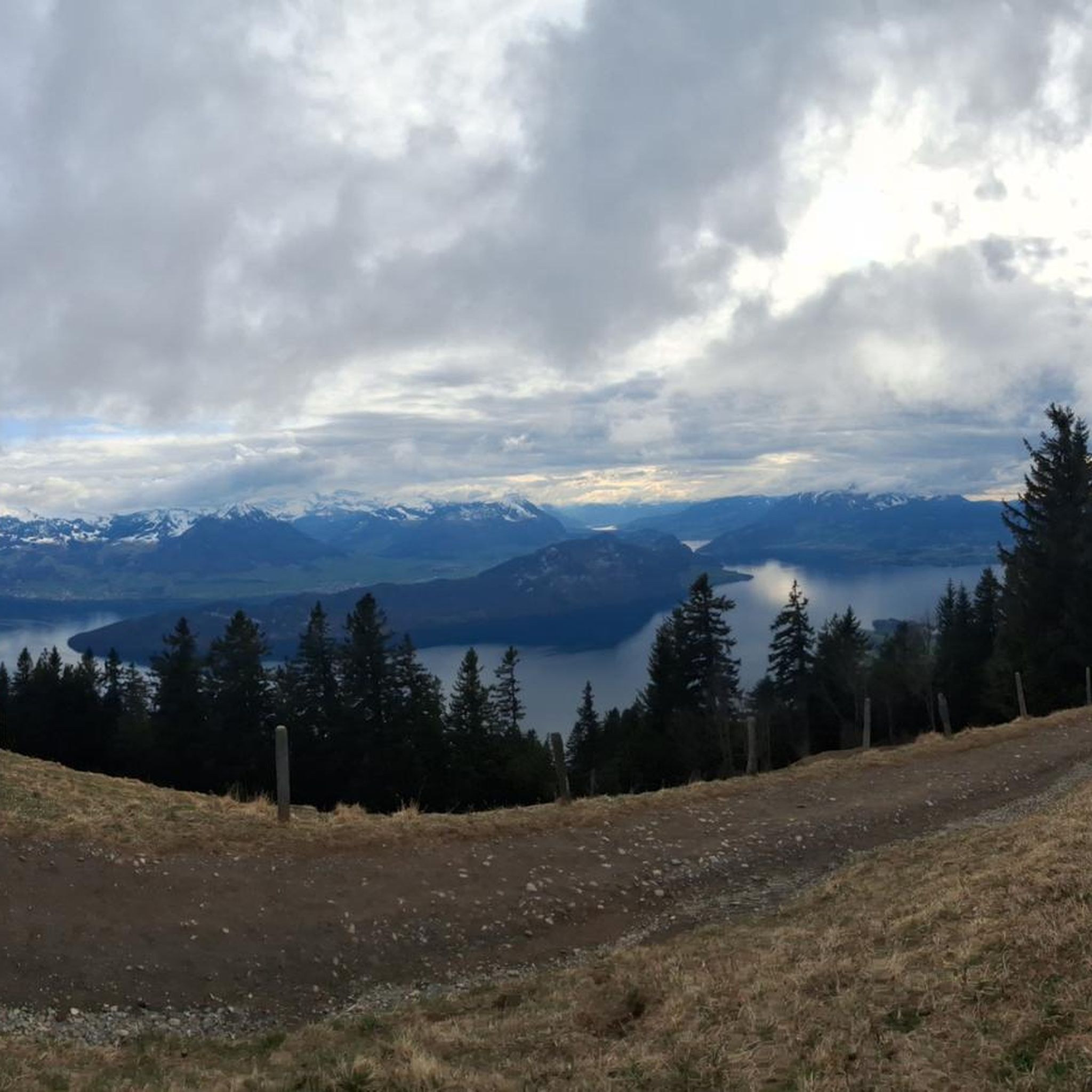
Situated in the heart of the Vosges, this dam, together with Lac de la Plaine, forms an important water reservoir. The dam was built to feed Lac de Pierre-Percée via an underground system. The climb up to it is gradual and rewards you with a view of the peaceful Lac de la Plaine. The road along the lake is ideal for a breather, with little traffic and lots of nature. Perfect for a short break or a photo opportunity during your ride.
9
0
"The Mairie de Badonviller was originally built in 1811, during the Napoleonic era, and served as the administrative centre of the young municipality. After being badly damaged during the First World War, the building was rebuilt in 1924. "Located on the edge of the Vosges in the Meurthe-et-Moselle department, Badonviller is a village with a turbulent history. In the 19th century, it became a local centre thanks to the flourishing faience industry. But it was during the First World War that Badonviller became known nationwide. On 12 August 1914, the village was one of the first French municipalities to be occupied and pillaged by Bavarian troops. This event was widely reported in the French press and made Badonviller a symbol of German brutality. The village was badly damaged during the fighting and later partially rebuilt. Today, monuments, the necropolis and the townscape bear witness to this turbulent period. Badonviller is part of the 'sentiers de mémoire' — memorial routes that keep the history of the war in the Vosges alive."
6
0
"The Église Saint-Martin in Badonviller is a rare example of religious architecture in the Louis XVI style (1788). Although it is of Romanesque origin, its elegant façade is particularly striking, which is one of the few remaining examples of this style in the Lorraine region. Together with the Chapel of the Visitation in Nancy, this church forms a unique duo. The church was badly damaged during the First World War and partially rebuilt afterwards.
6
0
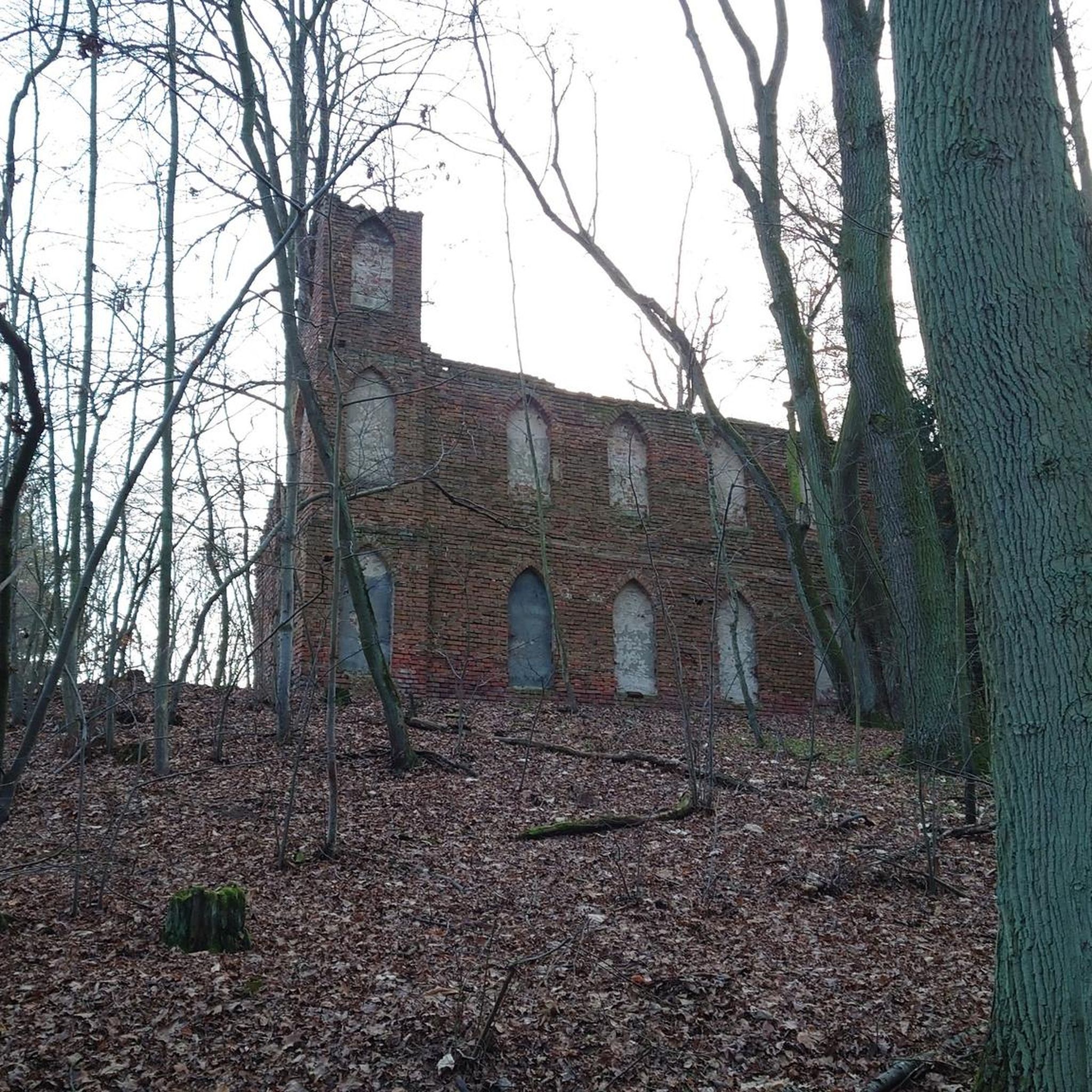
Harbouey, a peaceful village in the Meurthe-et-Moselle, is steeped in history. It was almost completely destroyed during the First World War, and the current Saint-Pierre church was only rebuilt in the 1920s. But Harbouey also has heritage from before that time: a 16th-century castle and characterful 17th-century houses bear witness to a deep-rooted past.
6
0
Lac de la Plaine is a picturesque lake in the Vosges, located near Celles-sur-Plaine, near the larger Lac de Pierre-Percée. The lake is an artificial water reservoir of about 0.5 million m³ and serves as a supply basin for the reservoir above.
1
0
Pierre-Percée is a small mountain village in the east of the Meurthe-et-Moselle department, on the edge of the Vosges Mountains. With fewer than 100 inhabitants, it is one of the smallest communes in the region. Situated on the edge of the Plaine Valley, the village is built at the foot of the ruins of the medieval Château de Pierre-Percée, which once belonged to the Counts of Salm. The village's name refers to a 33-meter-deep well carved into the rock beneath the castle. During the Thirty Years' War, the village, like the castle, was largely destroyed. In the 20th century, Pierre-Percée regained significance with the construction of the EDF reservoir and the creation of a recreation area, which today attracts tourists for hiking, water sports, and nature experiences.
9
0

This memorial commemorates the dead of the First World War as well as the citizens of Pierre-Percée who died in other wars.
1
0
Frequently Asked Questions
How many traffic-free gravel bike trails are available around Petitmont?
There are several dedicated traffic-free gravel bike trails around Petitmont, offering a variety of experiences. Our guide features 5 distinct routes, ranging from moderate to difficult, perfect for exploring the region's natural beauty away from cars.
What kind of terrain can I expect on these no-traffic gravel routes?
The gravel routes around Petitmont feature varied surfaces, typical of the Grand-Est region's diverse landscape. You'll encounter paths through forests, plains, and gentle hills. While primarily gravel, some sections may include paved surfaces, making for a dynamic and engaging ride.
Are there any circular no-traffic gravel routes?
Yes, many of the traffic-free gravel routes around Petitmont are designed as loops, allowing you to start and finish at the same point. For example, the Center Park The Three Forests – Fairies' Rock loop from Bertrambois and the La Plaine Lake – Lac de la Plaine loop from Fenneviller are excellent circular options.
What are the difficulty levels of the traffic-free gravel trails?
The traffic-free gravel trails around Petitmont cater to different fitness levels. You'll find routes rated as moderate, which are suitable for most gravel bikers with good fitness, and some more difficult options for those seeking a greater challenge, such as the Pré Barbier Lake – mairie loop from Fenneviller.
What natural features or landmarks can I see along these routes?
The routes often pass by beautiful natural features and points of interest. You can explore stunning lakes like Lac de la Maix and Lac de la Plaine. The region is also known for its extensive forest areas, offering serene and picturesque surroundings. Keep an eye out for various shelters and viewpoints, such as the Belle Roche Shelter and Viewpoint.
Are there any family-friendly no-traffic gravel routes?
While the routes in this guide are generally rated moderate to difficult, the broader Meurthe-et-Moselle department boasts an extensive network of cycle paths. For easier, family-friendly options, look for routes with less elevation gain and shorter distances. The Lac de la Plaine loop from Celles-sur-Plaine is a moderate option that might be suitable for families with older children, given its shorter distance.
What do other gravel bikers say about the trails in Petitmont?
The komoot community highly rates the cycling experiences around Petitmont, with an average score of 5.0 stars. Reviewers often praise the quiet, natural settings and the opportunity to explore the region's beautiful landscapes away from traffic.
What is the best time of year to go gravel biking in Petitmont?
The Grand-Est region, where Petitmont is located, offers pleasant conditions for gravel biking from spring through autumn. Spring brings blooming nature, while autumn provides stunning foliage. Summer is also great, but be mindful of warmer temperatures. Always check local weather forecasts before heading out.
Can I access these trails using public transport?
While Petitmont itself is a smaller commune, the Meurthe-et-Moselle department is working to integrate gentle sports with local discovery. For specific public transport options to trailheads, it's best to check regional transport services. Many routes, like the Center Park The Three Forests – Fairies' Rock loop from Hattigny, often start from villages that may have limited bus connections.
Where can I find more information about cycling in the Meurthe-et-Moselle region?
For broader information on cycling opportunities and the extensive network of cycle paths throughout the Meurthe-et-Moselle department, you can visit the official tourism website: tourisme-meurtheetmoselle.fr. This resource can provide additional context on the region's commitment to cycling.
Are there any places to eat or drink near the traffic-free gravel trails?
While the trails themselves are traffic-free and often pass through natural areas, you'll find amenities in the nearby villages. Many of the routes start or pass close to small towns like Fenneviller, Bertrambois, or Hattigny, where you can typically find local cafes or small shops to refuel after your ride.
Most popular attractions around Petitmont

Get inspired with the komoot mobile app


Explore more
Browse the best Gravel rides in other regions.
