The best traffic-free bike rides around Bergouey-Viellenave
5.0
(1)
13
riders
1
ride
Gravel biking around Bergouey-Viellenave offers diverse landscapes characterized by rolling hills and deep forests, providing varied terrain for cyclists. The region features riverine environments along the Bidouze, with paths that often translate into flatter sections suitable for gravel routes. Cyclists can also experience views of the Pyrenean peaks, adding a dramatic backdrop to rides. The area's network includes hidden country roads, flowing gravel tracks, and quiet backroads, ideal for no traffic gravel bike trails.
Best no traffic gravel bike trails…
Last updated: July 6, 2026
5.0
(1)
5
riders
83.4km
05:28
920m
920m
Hard gravel ride. Very good fitness required. Mostly paved surfaces. Suitable for all skill levels.
2
riders
34.1km
02:30
560m
560m
Hard gravel ride. Very good fitness required. Mostly paved surfaces. Suitable for all skill levels.

Sign up for free
2
riders
25.2km
01:44
390m
390m
Moderate gravel ride. Good fitness required. Mostly paved surfaces. Suitable for all skill levels.
1
riders
36.7km
02:34
670m
670m
Hard gravel ride. Very good fitness required. Mostly paved surfaces. Suitable for all skill levels.
Our route recommendations are based on thousands of hikes, rides, and runs completed by other people on komoot.
Start today with a free account
Your next adventure awaits.
Login or Signup
Popular around Bergouey-Viellenave
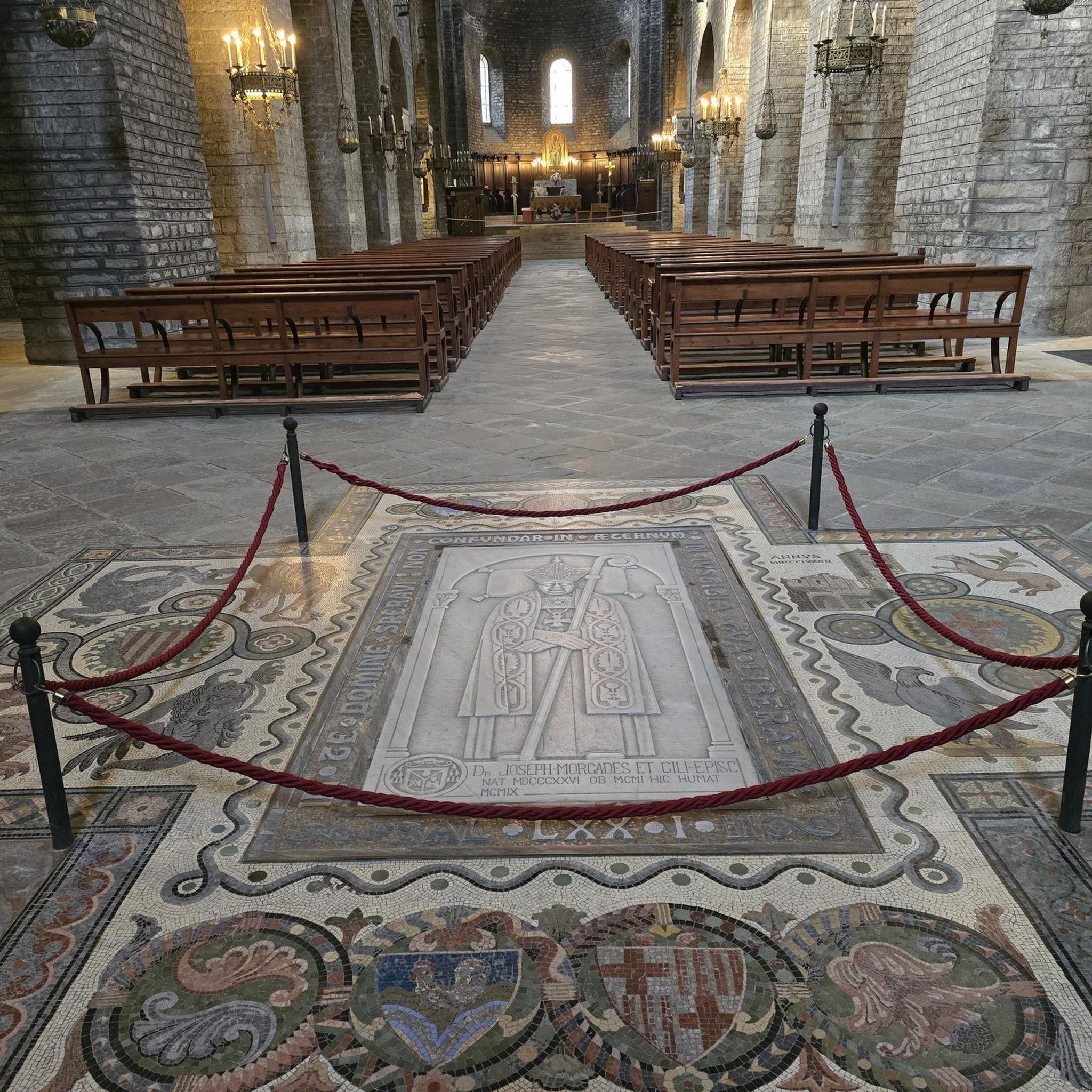
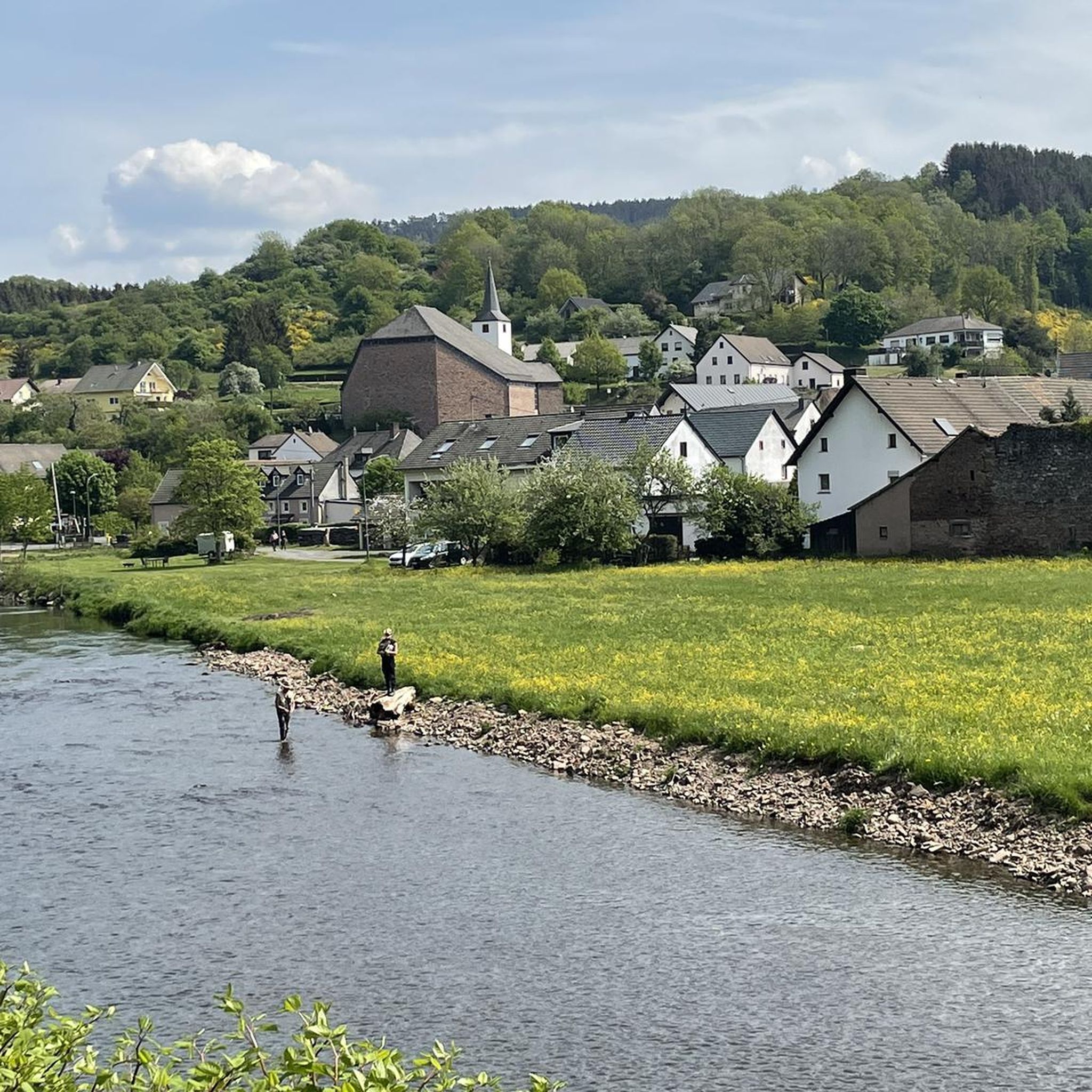
Tips from the Community

Considered the little Béarn Venice, Salies-de-Béarn is mainly known for its saltwater spring. The town reveals an old centre with narrow streets and atypical houses.
0
0

## The tunnel The tunnel, located between the Puyoô and Salies-de-Béarn stations, is one of the significant structures on line n° 662.000 connecting Puyoô to Mauléon. It is a single-track tunnel 848.5 m long and 5.00 m wide between the abutments. The height under the crown is 6.00 m. It is a multi-radius arch. The structure is generally oriented North-South, with a curve of R400 m for the first 250 meters on the North side, then a straight section to the South end. The longitudinal profile has a constant gradient of 0.01 m/m from the North. A central aqueduct equips the structure along its entire route. The maximum cover is 49 m. The tunnel is built in the Campanian flysch (Upper Cretaceous). The construction of the tunnel (1879-1883) was carried out from two headings via shafts approximately 35 m deep, located at PM219 and PM632. The shafts were retained as ventilation shafts. The masonry thicknesses (limestone rubble set in lime mortar) vary from 0.50 m to 1.20 m. The length of the tunnel, initially projected at 400 m, was increased to 787 m following the decision to lower the profile (from 20‰ to 16‰). During construction, ground instabilities encountered during the excavation of access trenches led to a further extension of the structure, which finally reached a length of 848.5 m. Numerous ground instabilities (landslides) caused significant delays in the progress of the work. The tunnel was electrified in 1930 and the overhead line equipment was removed in 1971.
0
0

A really beautiful cycle path on an old railway line. It is completely asphalted and is therefore a wonderful ride and there are one or two bridge highlights to admire along the way.
2
0
Very nice little house made of Lego in a broken corner of the wall
1
0


The small village of Saint-Palais is located at the crossroads of the three Basque provinces of Labourd, Basse Navarre and Soule. Former capital of Navarre, the village has managed to preserve its traditions and its authentic culture.
1
0
Frequently Asked Questions
What kind of terrain can I expect on no-traffic gravel bike trails around Bergouey-Viellenave?
The region offers a diverse mix of terrain perfect for gravel biking. You'll find rolling hills, lush forests, and quiet country roads. Many routes feature smooth tracks, forest trails, and charming village crossings, often blending varied elevations with rewarding descents. The area is part of the wider Basque Country, providing a transition of landscapes between the Atlantic Ocean, hills, and distant Pyrenean peaks.
Are there any challenging no-traffic gravel routes for experienced riders?
Yes, for experienced riders seeking a challenge, the area offers routes with significant elevation gain and distance. For example, the Tunnel – Château de Gramont de Bidache loop from Bidache is a difficult 83.5 km route with over 900 meters of elevation gain, providing a demanding ride through varied landscapes.
Can I find moderate no-traffic gravel bike trails in the Bergouey-Viellenave area?
Absolutely. If you're looking for a moderate challenge, consider routes like the Kleines Legohaus – Saint-Palais loop from Amendeuix-Oneix. This route covers about 25 km with around 390 meters of elevation, offering a balanced ride that's engaging without being overly strenuous.
What historical landmarks or points of interest can I see along these gravel routes?
The region is rich in history. You might encounter sites like the medieval Viellenave Bridge, the Viellenave Mill, or even remnants of a fortified village. Some routes pass near significant attractions such as Gramont Castle in Bidache, offering a glimpse into the area's past. The village itself is a stop on the Pilgrim Tours route (Chemins de Saint-Jacques de Compostelle), indicating well-established paths with historical significance.
Are there any scenic viewpoints on the no-traffic gravel bike trails?
Yes, the diverse topography of the region provides several opportunities for panoramic views. While specific viewpoints vary by route, the area is known for its picturesque landscapes, including views of the Pyrenean peaks and the wider Basque Country. Sites like Miremont in nearby Bardos offer breathtaking 360-degree views of the Basque Country, the Pyrenees, and the Atlantic Ocean, which you might encounter or be near on your rides.
Are there any circular no-traffic gravel routes available?
Yes, several of the no-traffic gravel routes in the area are designed as loops, allowing you to start and finish in the same location. For instance, the Eglise de Succos | ZBP Divide – Saint-Palais loop from Amendeuix-Oneix is a circular route covering over 34 km, perfect for a day trip without needing a return journey.
What is the best season for gravel biking around Bergouey-Viellenave?
The region is generally pleasant for gravel biking through much of the year. Spring and autumn offer mild temperatures and beautiful scenery with lush greenery or vibrant fall colors. Summers are typically warm and sunny, ideal for longer days on the saddle, while winters can be cooler but still offer rideable conditions on many trails, especially the less exposed ones.
Can I find family-friendly no-traffic gravel trails in the area?
While the listed routes tend towards moderate to difficult, the region's network of quiet country roads and paths offers potential for family-friendly rides. Look for sections along riverine environments, such as near the Bidouze river, which often provide flatter, more accessible terrain. The Salies‑de‑Béarn Greenway is an example of a dedicated cycle path that could be suitable for families.
Are there any places to explore or relax near the gravel bike trails?
Beyond the trails, the charming villages and natural beauty offer plenty to explore. You can find rest areas along the Bidouze river, visit local farms for regional products, or simply enjoy the authentic atmosphere of the villages. The area also features educational paths, like the old towpath in Guiche, adorned with interpretive panels on local flora and history, perfect for a leisurely stop.
What kind of natural features will I encounter on these gravel bike trails?
You'll experience a rich variety of natural features, from the rolling hills and deep forests characteristic of the Pyrénées-Atlantiques to the serene riverine environments along the Bidouze. The landscape transitions from lush greenery to more open vistas, with distant views of the Pyrenees providing a dramatic backdrop. The region's unspoiled nature ensures a truly immersive outdoor experience.
Most popular routes around Bergouey-Viellenave
Most popular attractions around Bergouey-Viellenave

Get inspired with the komoot mobile app


Explore more
Browse the best Gravel rides in other regions.
