The best traffic-free bike rides around Rollingen
4.4
(100)
765
riders
80
rides
No traffic touring cycling routes around Rollingen, located in Luxembourg's Guttland region, traverse a landscape characterized by rolling hills, lush forests, and picturesque riverside trails. The area features the Alzette Valley, where the Alzette River meanders, offering green areas and wooded slopes. Cyclists encounter varied terrains, from gentle slopes to moderate ascents, often passing through agricultural lands.
Best no traffic touring cycling routes around Rollingen
- The most popular no traffic touring cycling route is Courcelles s/Nied -Hayes – Pange Castle loop from Courcelles-Chaussy, a 21.4 miles (34.4 km) trail that takes 2 hours 16 minutes to complete. This moderate route features over 200 meters of elevation gain and passes by historic Pange Castle.
- Another top favourite among local touring cyclists is Landon-Villers Castle – Apparation in the spotlight loop from Courcelles-Chaussy, a moderate 16.1 miles (26.0 km) path. This route offers over 300 meters of elevation gain and explores the scenic surroundings of Landon-Villers Castle.
- Local touring cyclists also love the Château de Pange – Mont Saint-Pierre loop from Courcelles-Chaussy, a 17.6 miles (28.3 km) trail leading through varied terrain with over 300 meters of elevation, often completed in about 1 hour 47 minutes.
- Touring cycling around Rollingen is defined by rolling hills, lush forests, and picturesque riverside trails, with routes often leading past historic castles and through charming villages. The network offers options for different ability levels, from easy paths to more challenging ascents.
- The routes in Rollingen are highly rated by the komoot community with an average score of 4.4 stars from more than 80 reviews. More than 800 touring cyclists have used komoot to explore Rollingen's varied terrain.
Last updated: July 6, 2026
4.5
(4)
22
riders
34.4km
02:16
210m
200m
Moderate bike ride. Good fitness required. Mostly paved surfaces. Suitable for all skill levels.
4.2
(5)
19
riders
Moderate bike ride. Good fitness required. Mostly paved surfaces. Suitable for all skill levels.

Sign up for free
3.0
(1)
5
riders
28.2km
01:47
330m
330m
Moderate bike ride. Good fitness required. Mostly paved surfaces. Suitable for all skill levels.
4
riders
14.3km
01:07
210m
210m
Hard bike ride. Good fitness required. You may need to push your bike for some segments of this route.
5
riders
Hard bike ride. Good fitness required. You may need to push your bike for some segments of this route.
Get access to more routes and recommendations from other explorers.
Sign up for free
Already have an account?
Our route recommendations are based on thousands of hikes, rides, and runs completed by other people on komoot.
Start today with a free account
Your next adventure awaits.
Login or Signup
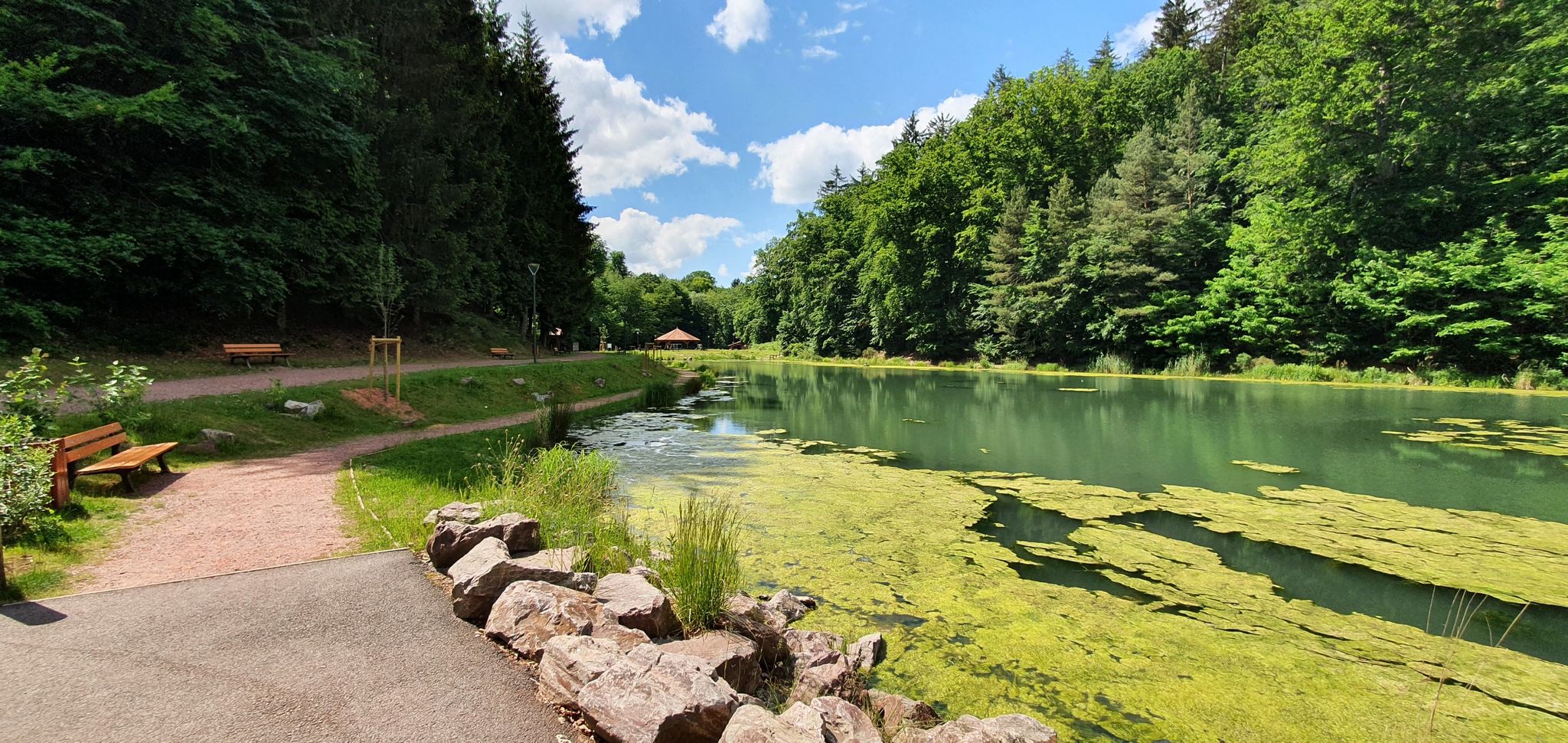
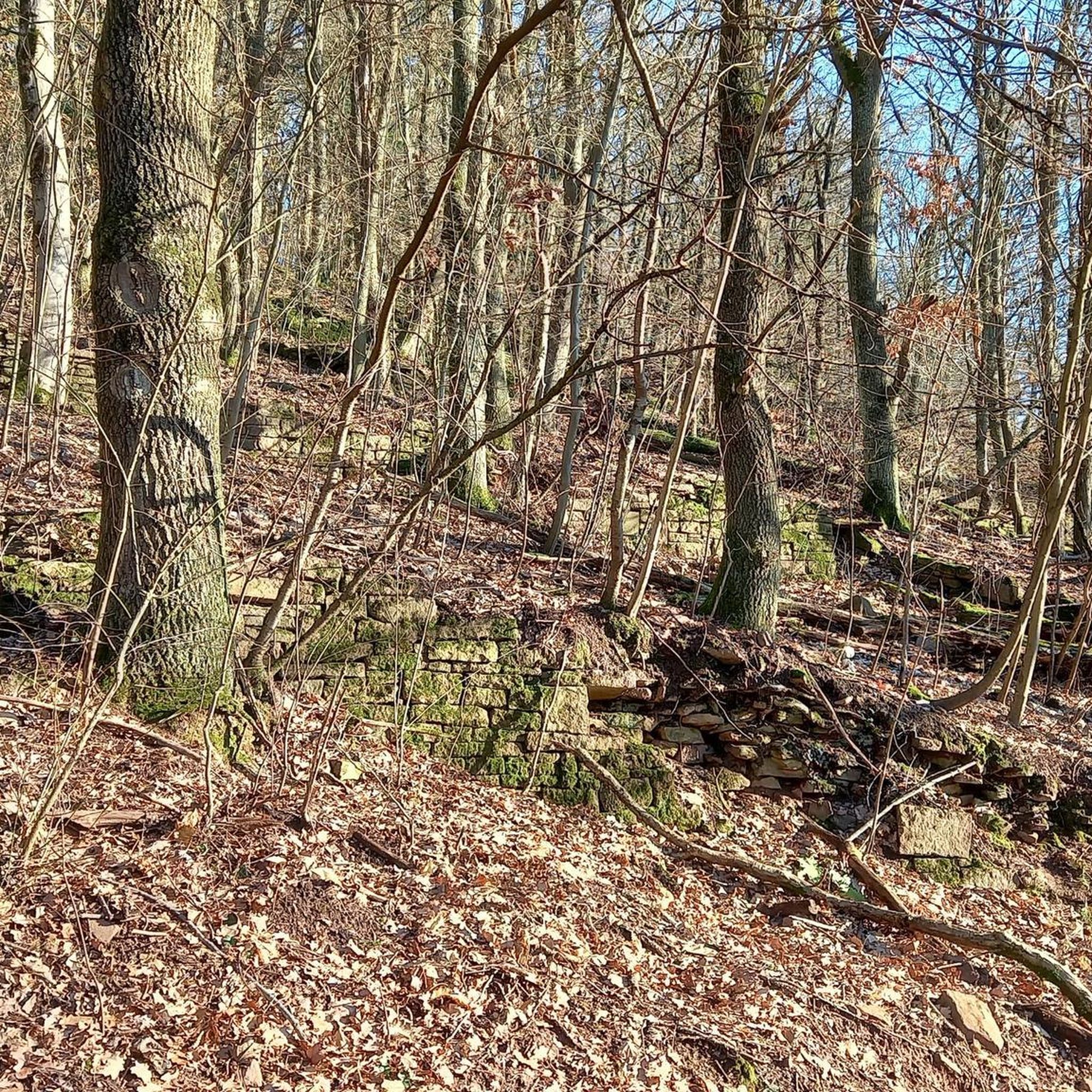

Other adventures around Rollingen

Tips from the Community

The origin of “Pont-à-Domangeville is lost in the mists of time. The Roman road from Metz to the Rhine already passed through there. Under the old regime, it was a tiny separate lordship, with a toll bridge. Usually blocked and padlocked, to cross it you had to pay a fee, depending on the livestock and products passed through. The lordship belonged in the 13th century to the Saint-Vincent de Metz abbey, then to the successive lords of Domangeville; in 1716, to the Laubrussels, then to the Leuryses, finally to the Thomas de Pange. It included, in addition to the bridge, the road - 50 toises on this side, 18 beyond - the bed of the Nied on both sides and, on the south-east bank, land with a hostelry (current Mayot farm) . In 1789, the community of Bazoncourt declared in its list of grievances “the enlightenment of the State and the kindness of the King will undoubtedly eliminate a right of final injustice perceived at Pont-à-Domangeville. However poor a plowman he may be, he pays three does and several pay without passing through.” After the revolution, the bridge had to be repaired. Paradoxically, the general council had the expenditure entered in the 1814 and 1815 rolls of the localities which had subscribed to the bridge in 1766. On this ordeal is inscribed: “This monument of our redemption was erected by the care of MM. De Pange, de Courten, Devaux and Dauphin, Commissioners responsible for the reconstruction of this bridge, in the year of our Lord 1816. During the reconstruction work and near the bridge, Joseph GRANDIDIER de Hernicourt and François ANIEL perished in the waters on July 20 from Domangeville, both attached to the service of the neighboring farm »
1
0

Two people died during the reconstruction of the bridge over the Nied Française in Domangeville in 1816.
1
0

This typical castle of classicism was built in the 18th century. Property of the Pange family, it is entrusted to an association responsible for making it a house of arts, encounters and cultures. Besides the building, the gardens are also splendid. More information is available on the chateau website: http://www.chateaudepange.fr/.
1
0

The castle is privately owned. However, there is the possibility to visit the icon collection.
0
0
Religious works of art such as relics and icons can be admired in the castle. There are no regular opening hours, you have to register in advance - preferably as a group.
0
0
The castle dates from 1720 and was the residence of the Marquis de Pange. It is still family-owned today and unfortunately (currently) not open to the public.
0
0

in dry weather (dirt road)
0
0
Frequently Asked Questions
How many no-traffic touring cycling routes are available around Rollingen?
There are over 80 dedicated no-traffic touring cycling routes around Rollingen, offering a wide variety of experiences for cyclists. These routes are designed to let you explore the scenic Guttland region at a leisurely pace, embracing the 'Slow Cycling' philosophy.
What kind of landscapes can I expect on these car-free cycling routes?
The no-traffic routes around Rollingen traverse diverse landscapes. You'll cycle through the picturesque Alzette Valley, enjoying views of lush forests and meandering riverbanks. The broader Guttland region features rolling hills, verdant forests, and fertile agricultural lands, providing a mix of gentle slopes and engaging terrain.
Are there any historical or natural attractions along the no-traffic cycling routes?
Yes, many routes offer glimpses of historical and natural attractions. You might pass by impressive structures like Pange Castle or Landon-Villers Castle. Some routes also feature unique elements like historic railway tunnels or offer views of natural highlights such as the Alzette River and various viewpoints like Mont Saint-Pierre.
What do other touring cyclists enjoy most about the no-traffic routes in Rollingen?
The komoot community highly rates the touring cycling experience around Rollingen, with an average score of 4.4 stars. Cyclists often praise the tranquility of the car-free paths, the beautiful natural scenery, and the opportunity to discover charming villages and historical sites without vehicle disturbance.
Are there any circular no-traffic touring routes available?
Yes, several circular routes are available for no-traffic touring cycling. For example, you can explore the "Courcelles s/Nied -Hayes – Pange Castle loop from Courcelles-Chaussy" or the "Château de Pange – Mont Saint-Pierre loop from Courcelles-Chaussy", which offer varied distances and scenic views.
Can I find easy no-traffic touring routes suitable for beginners or families?
Absolutely. While there are routes of varying difficulty, Rollingen and the Guttland region offer easy, paved paths perfect for beginners and families. The focus on 'Slow Cycling' means many routes are designed for a relaxed pace, allowing everyone to enjoy the scenery. The Alzette Cycle Path (PC 15) is particularly known for its family-friendly sections.
Are there specific routes that pass through historic railway tunnels?
Yes, some no-traffic cycling tours in the region utilize former railway lines, allowing cyclists to pass through historic tunnels. One notable example is a 690-meter-long railway tunnel, which adds a unique and memorable element to the journey. These routes often provide a smooth, gradual gradient, making for comfortable cycling.
What are some notable historical sites or landmarks I can visit near these routes?
Beyond the castles, you can find other significant historical sites. The region has connections to the Maginot Line, with sites like the Maginot Line itself or the Ouvrage de l'Einseling – Maginot Line Bunker 36 Castelberg. These offer insights into the region's past and can be interesting stops during your ride.
Are there options for public transport or parking near the no-traffic cycling routes?
The Guttland region is well-equipped for cyclists. Many cycle paths, including sections of the Alzette Cycle Path (PC 15), are accessible via public transport, allowing you to start or end your ride conveniently. Parking facilities are also available at various trailheads and towns along the routes, making it easy to bring your bike by car.
What is the best season to enjoy no-traffic touring cycling in Rollingen?
The Guttland region is beautiful throughout the warmer months. Spring and autumn offer pleasant temperatures and vibrant natural colors, making them ideal for touring cycling. Summer is also excellent, with lush green landscapes, though it can be warmer. The riverside trails and forested sections provide shade during hotter days.
Are there any routes that offer views of gorges or dramatic natural features?
Yes, some routes, particularly those utilizing former railway lines, pass through areas with dramatic scenery, including gorges. These features, often carved by nature or adapted from old infrastructure, add an exciting visual element to your no-traffic cycling adventure.
Can I find accommodations and services like bike repair along the routes?
The region is geared towards cyclists, offering a well-developed infrastructure. You'll find 'Bed & Bike' certified accommodations, which are ideal for multi-day tours. Additionally, bike repair stations are available in various towns along the routes, ensuring you have support if needed during your journey.
Most popular attractions around Rollingen

Get inspired with the komoot mobile app


Explore more
Browse the best Cycling routes in other regions.
