The best traffic-free bike rides around Montoy-Flanville
4.4
(1119)
8,489
riders
125
rides
No traffic touring cycling routes around Montoy-Flanville are situated in the Moselle department of France, offering access to the Moselle River valley and the Lorraine Regional Natural Park. The region features a mix of rural landscapes, vineyards, and established cycling infrastructure, including paved and smooth bike lanes often separated from vehicle traffic. Proximity to Metz provides additional waterside trails along the Moselle and Seille rivers, enhancing the network of car-free paths. The terrain generally includes gentle gradients along river valleys…
Last updated: October 9, 2026
3.8
(11)
72
riders
33.6km
02:13
150m
150m
Moderate bike ride. Good fitness required. Mostly paved surfaces. Suitable for all skill levels.
5.0
(2)
12
riders
52.9km
03:27
650m
660m
Hard bike ride. Very good fitness required. Mostly paved surfaces. Suitable for all skill levels.

4
riders
13.9km
01:04
110m
110m
Easy bike ride. Great for any fitness level. Mostly paved surfaces. Suitable for all skill levels.
8
riders
Moderate bike ride. Good fitness required. Mostly paved surfaces. Suitable for all skill levels.
5
riders
Moderate bike ride. Good fitness required. Mostly paved surfaces. Suitable for all skill levels.
Get access to more routes and recommendations from other explorers.
Already have an account?
Our route recommendations are based on thousands of hikes, rides, and runs completed by other people on komoot.
Start today with a free account
Your next adventure awaits.
Popular around Montoy-Flanville
Tips from the Community

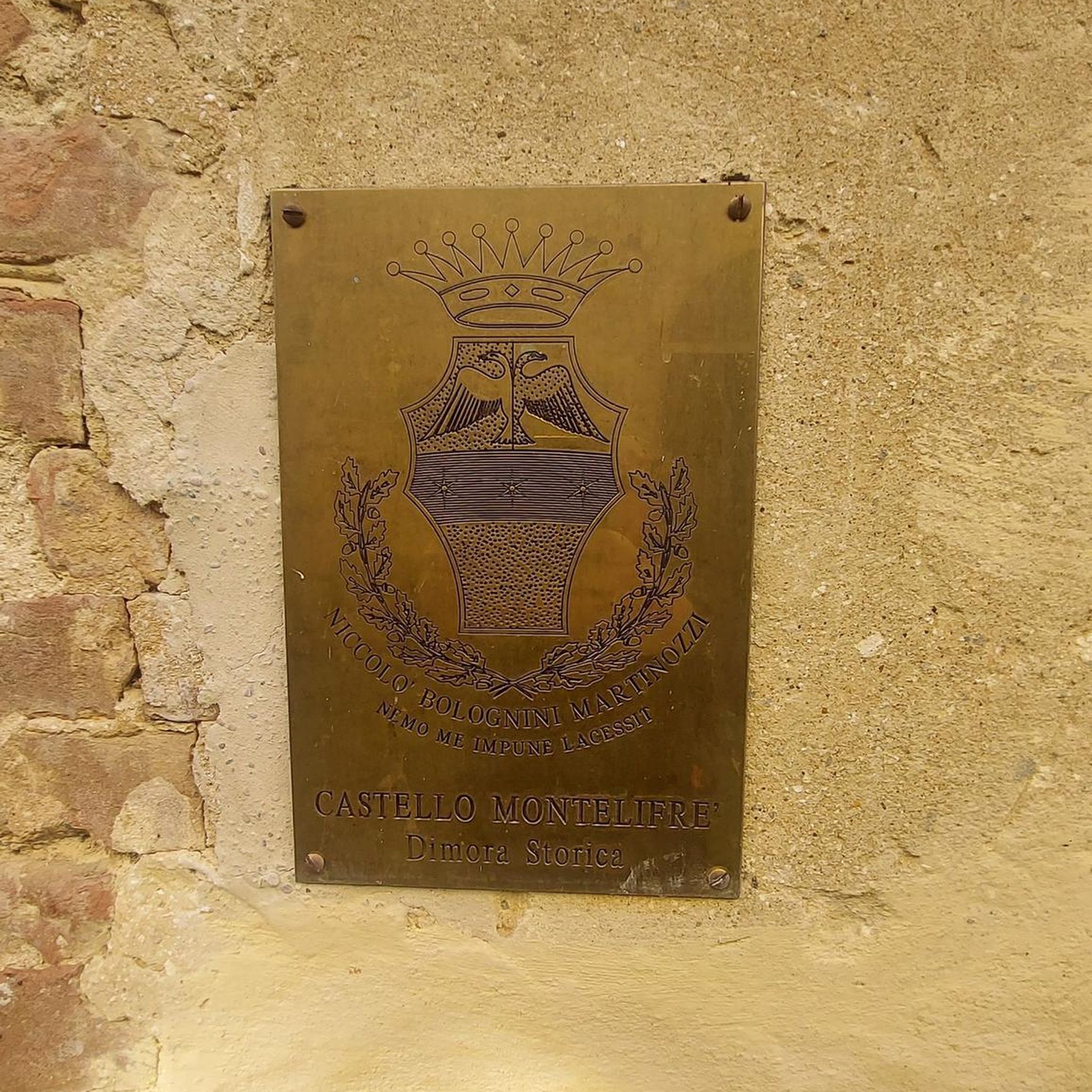
Two farms were located on the old path between Metz and Peltre, the Haute Bévoye and the Basse Bévoye. The Haute Bévoye, on a hill, is a fortified farm documented from the early 14th century. In 1404, it belonged to "Jehan Xaippey", i.e. Jean de Raigecourt, known as Xappel; 12 cattle and 8 horses were raised there at the time. In addition to an 18th-century dwelling and farm buildings, the layout of the medieval castle remains legible, with four rectangular wings surrounded by a moat; two wings and three towers recall the initial state. https://melodi.univ-lorraine.fr/s/projet-cite-de-metz/item/2973
1
0

Memorial to the fallen of the two world wars 🕊️
0
0

The origin of “Pont-à-Domangeville is lost in the mists of time. The Roman road from Metz to the Rhine already passed through there. Under the old regime, it was a tiny separate lordship, with a toll bridge. Usually blocked and padlocked, to cross it you had to pay a fee, depending on the livestock and products passed through. The lordship belonged in the 13th century to the Saint-Vincent de Metz abbey, then to the successive lords of Domangeville; in 1716, to the Laubrussels, then to the Leuryses, finally to the Thomas de Pange. It included, in addition to the bridge, the road - 50 toises on this side, 18 beyond - the bed of the Nied on both sides and, on the south-east bank, land with a hostelry (current Mayot farm) . In 1789, the community of Bazoncourt declared in its list of grievances “the enlightenment of the State and the kindness of the King will undoubtedly eliminate a right of final injustice perceived at Pont-à-Domangeville. However poor a plowman he may be, he pays three does and several pay without passing through.” After the revolution, the bridge had to be repaired. Paradoxically, the general council had the expenditure entered in the 1814 and 1815 rolls of the localities which had subscribed to the bridge in 1766. On this ordeal is inscribed: “This monument of our redemption was erected by the care of MM. De Pange, de Courten, Devaux and Dauphin, Commissioners responsible for the reconstruction of this bridge, in the year of our Lord 1816. During the reconstruction work and near the bridge, Joseph GRANDIDIER de Hernicourt and François ANIEL perished in the waters on July 20 from Domangeville, both attached to the service of the neighboring farm »
1
0

Two people died during the reconstruction of the bridge over the Nied Française in Domangeville in 1816.
1
0

This old wayside cross from the 19th century is located just after the village of Hayes on the way to Metz
0
0

The castle used to be a breathtaking gem and lived up to its purpose - a kind of architectural resistance against the German occupation. It is currently completely run down and is more reminiscent of a lost place. Apparently it was sold in 2021 to a Nancy-based company that wants to refurbish it (along with the chapel) and develop it into residential and commercial units. As of now (June 2023) not much seems to have happened.
1
0

Erected in 1905, the Château de Mercy was built in response to the architectural shift in the region under German occupation. It is thus possible to admire its clearly French style.
3
0
This typical castle of classicism was built in the 18th century. Property of the Pange family, it is entrusted to an association responsible for making it a house of arts, encounters and cultures. Besides the building, the gardens are also splendid. More information is available on the chateau website: http://www.chateaudepange.fr/.
1
0
Frequently Asked Questions
How many no-traffic touring cycling routes are available around Montoy-Flanville?
There are over 120 dedicated no-traffic touring cycling routes around Montoy-Flanville. These routes cater to various skill levels, with 37 easy, 59 moderate, and 33 difficult options, ensuring a suitable ride for every cyclist.
Are there family-friendly no-traffic cycling routes near Montoy-Flanville?
Yes, Montoy-Flanville and the surrounding Moselle Valley offer many family-friendly options. The region is known for its well-developed, often paved and wide bike lanes, frequently separated from vehicle traffic. Routes like the easy Fort de Queuleu – Château de Mercy loop from Ars-Laquenexy are ideal for families seeking a relaxed ride.
What kind of landscapes can I expect on these no-traffic cycling routes?
The no-traffic routes around Montoy-Flanville offer diverse landscapes. You'll find picturesque views along the Moselle River, passing through charming villages and vineyards. The nearby Lorraine Regional Natural Park provides an immersive experience with deciduous forests, rivers, ponds, and wooded hills, offering unspoiled nature and varied terrain.
Are there any circular no-traffic touring cycling routes available?
Yes, many routes are designed as loops, perfect for touring cyclists who prefer to start and end in the same location. An example is the moderate Pange Castle – Landon-Villers Castle loop from Ogy-Montoy-Flanville, offering a scenic journey through the local countryside.
What attractions can I see along the no-traffic touring cycling routes?
Many routes pass by historical sites and natural beauty. You can explore landmarks such as Pange Castle, which is featured on routes like the easy Pange Castle – Château de Pange loop. Near Metz, you might encounter impressive structures like the Saint-Étienne Cathedral or the historic Porte des Allemands.
Where can I find parking for these traffic-free cycling trails?
Parking is generally available in and around the starting points of many routes, particularly in larger villages or near popular attractions. For routes originating from Montoy-Flanville or nearby towns, look for designated parking areas. Metz, just 7 kilometers away, also offers various parking options if you plan to start your ride from there.
What do other touring cyclists enjoy most about cycling in Montoy-Flanville?
The area is highly rated by the komoot community, with an average score of 4.4 stars from over 940 ratings. Reviewers often praise the region's tranquil, car-free paths, the scenic beauty of the Moselle Valley, and the opportunity to discover charming villages and historical sites without vehicle interference.
Are there any cafes or pubs along the no-traffic touring cycling routes?
Yes, the Moselle Valley is dotted with charming villages where you can find cafes, bakeries, and local eateries. While specific establishments vary by route, many paths are designed to pass through or near towns where you can stop for refreshments. Metz, with its extensive waterside trails, also offers numerous options for food and drink.
What is the best season for no-traffic touring cycling in Montoy-Flanville?
Spring and autumn are generally considered the best seasons for touring cycling in Montoy-Flanville. The weather is typically mild, and the landscapes are particularly beautiful with blooming flowers or vibrant autumn foliage. Summer can also be pleasant, though it can get warmer, especially in the open vineyard areas.
Can I access the no-traffic cycling routes using public transport?
While Montoy-Flanville itself is a rural village, its proximity to Metz (approximately ten kilometers) makes it accessible. Metz is a regional hub with public transport connections, and some routes may be reachable from train stations or bus stops in larger towns along the Moselle River. It's advisable to check local transport schedules and bike carriage policies in advance.
Are there any challenging no-traffic touring routes for advanced cyclists?
Yes, while many routes are gentle, there are options for more experienced cyclists. The difficult Canyon de Saint-Hubert – Villers-Bettnach Abbey loop from Silly-sur-Nied, for instance, offers a longer distance and more significant elevation changes, providing a good challenge while still minimizing traffic exposure.
Most popular routes around Montoy-Flanville
Most popular attractions around Montoy-Flanville

Get inspired with the komoot mobile app


Explore more
Browse the best Cycling routes in other regions.
