The best traffic-free bike rides around Le Béage
4.7
(40)
726
riders
3
rides
No traffic road cycling routes around Le Béage traverse the mountainous Ardèche department, characterized by volcanic landscapes and challenging ascents. The region is situated at altitudes between 1200m and 1600m, featuring ancient volcanic cones known as "sucs" and proximity to the Mont Mézenc massif. This terrain provides a demanding cycling environment with significant elevation changes and expansive views over the Massif Central.
Best no traffic road cycling routes around Le Béage
- The most popular no traffic road cycling route is Col de Fioulebise loop from Lachapelle-Graillouse, a 23.0 miles (37.1 km) trail that takes 2 hours 2 minutes to complete. This moderate route features over 600 meters of elevation gain through the volcanic terrain.
- Another top favourite among local road cyclists is Stone bridge – Sainte-Eulalie Restrooms loop from Sainte-Eulalie, a moderate 16.3 miles (26.3 km) path. This route offers varied scenery with moderate climbs and descents.
- Local road cyclists also love the Col de Joux loop from Saint-Martial, a 17.6 miles (28.3 km) trail leading through mountainous landscapes, often completed in about 1 hour 44 minutes. This moderate route includes over 760 meters of climbing.
- Road cycling around Le Béage is defined by volcanic peaks, challenging mountain passes, and high-altitude plateaus. The network offers options for moderate ability levels, with all routes featuring significant elevation changes.
- The routes in Le Béage are highly rated by the komoot community with an average score of 4.6 stars from more than 40 reviews. More than 700 road cyclists have used komoot to explore Le Béage's varied terrain.
Last updated: July 6, 2026
8
riders
79.1km
04:22
1,490m
1,490m
Hard road ride. Very good fitness required. Mostly well-paved surfaces and easy to ride.
4
riders
26.3km
01:28
360m
370m
Moderate road ride. Good fitness required. Some segments of this route may be unpaved and difficult to ride.

Sign up for free
3.0
(1)
4
riders
28.4km
01:44
770m
770m
Moderate road ride. Good fitness required. Mostly well-paved surfaces and easy to ride.
Our route recommendations are based on thousands of hikes, rides, and runs completed by other people on komoot.
Start today with a free account
Your next adventure awaits.
Login or Signup
Popular around Le Béage

Tips from the Community

The church of Usclades presents itself externally as a robust construction of grey granite, rectangular in shape, covered with lauzes (stone tiles). It is oriented and opens to the west with a very simple porch whose semi-circular arch is surmounted by a cross. In the immediate vicinity of the church is a washhouse which has been restored with the help of the Sauvegarde. On the edge of the village of Usclades, less than 500 meters from the church, is the Teste Partide thatched cottage, a beautiful building with a four-sloped broom roof that the Sauvegarde helps to preserve, in particular in conjunction with the Liger association. https://www.patrimoine-ardeche.com/visites/usclades.htm#:~:text=L'%C3%A9glise%20d'Usclades%20se,est%20surmont%C3%A9%20d'une%20croix.
0
0
The Ferme de Clastre is part of the last 15 thatched cottages still "standing" on the Mezenc-Gerbier massif and it is the last one located in the heart of the village. It has the particularity of having a double roof: mineral, made of phonolite slabs, for the two living quarters, and vegetal, dotted with broom, for the stable and hayloft part. The oldest writings found concerning the Ferme de Clastre indicate that its foundation dates back to the 11th century. Clastre, from the Latin "claustrum", was a non-conventual priory attached to the Abbey of Saint Chaffre du Monastier sur Gazeile. However, following two archaeological excavation campaigns carried out by the CNRS in Rennes in 2014 and 2016, charcoal dating has made it possible to prove human presence on this site dating back to 880-970, i.e. about 100 years earlier than the foundation of the priory. https://www.fondation-patrimoine.org/les-projets/ferme-de-clastre-a-sainte-eulalie/30888
0
0

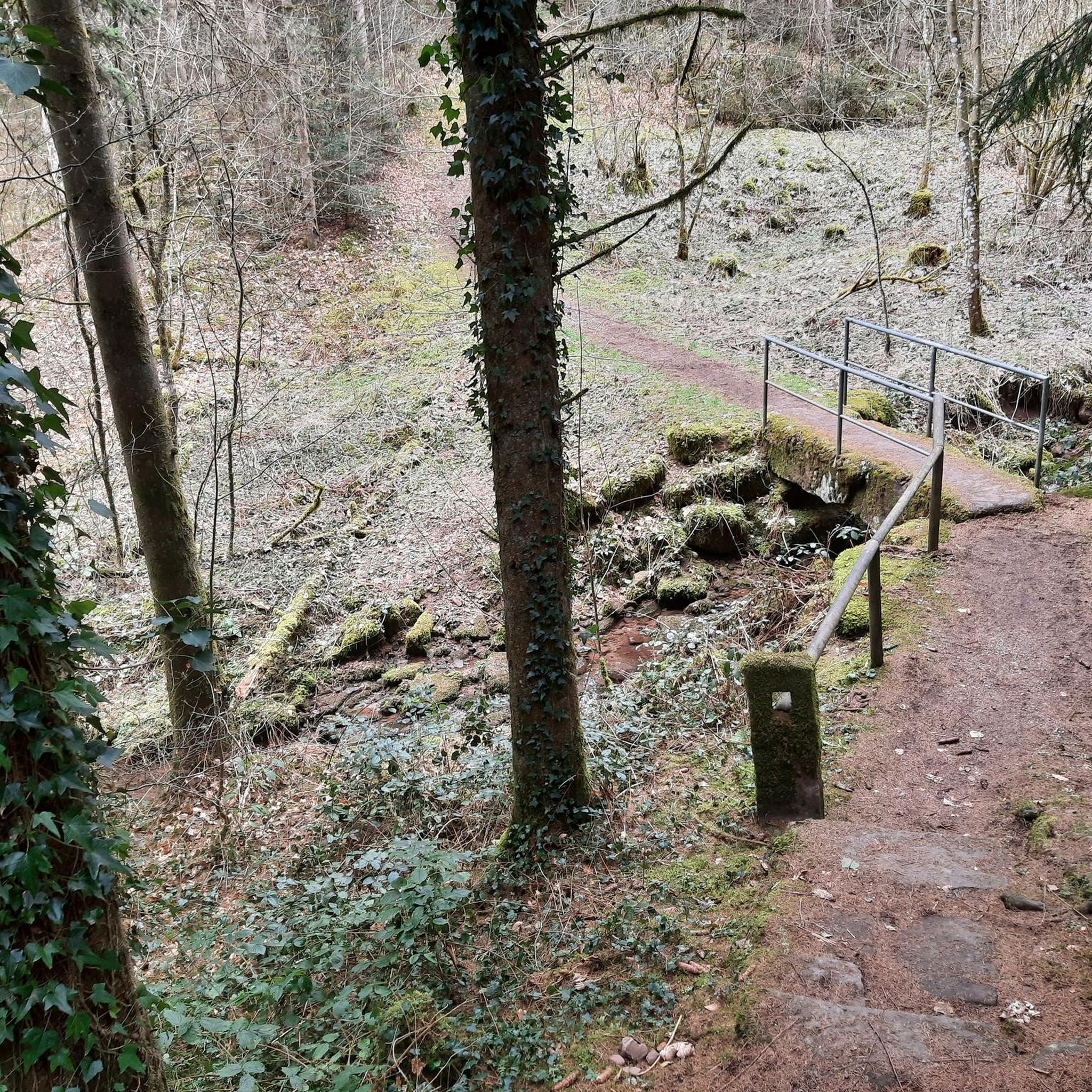
Sanitary facilities of Sainte-Eulalie
0
0


Very nicely located grotto, you can also go swimming below.
0
1

The Col de la Clède is at the entrance (or exit) of the tourist route from the foot of the Mézenc, a route of about fifteen kilometers in superb landscapes
1
0
Stroll around the lake on Sunday July 23, 2023. Very pleasant because it is largely shaded. Provide credit card (no possibility to pay in cash) for paid parking from 01/06 to 30/09, package 3€. Lots of people on the beaches and around.
1
0

Crater lake, 1,000 meters above sea level with a very pleasant beach for swimming. Very calm. Good food options around and public restrooms.
0
1
Frequently Asked Questions
How many no-traffic road cycling routes are available around Le Béage?
There are several dedicated no-traffic road cycling routes around Le Béage. This guide features 3 carefully selected routes, all offering a moderate challenge and designed to keep you away from busy roads. You can explore options like the Col de Fioulebise loop from Lachapelle-Graillouse, which is just over 37 km long.
What kind of terrain can I expect on no-traffic road cycling routes in Le Béage?
The region around Le Béage is characterized by its unique volcanic terrain, with ancient volcanic cones known as "sucs." You can expect challenging ascents and descents, offering stunning panoramic views. Routes often feature winding roads through wild expanses and mountainous landscapes, providing a demanding yet rewarding cycling experience.
What natural landmarks can I see along no-traffic road cycling routes in Le Béage?
Many routes offer breathtaking views of the region's natural beauty. You might encounter iconic volcanic peaks like Mount Gerbier de Jonc, the source of the Loire River, or the majestic South summit of Mont Mézenc. The area also features beautiful mountain lakes such as Lac d’Issarlès, a volcanic crater lake.
What are the typical distances and elevations for these no-traffic routes?
The no-traffic road cycling routes in Le Béage typically range from 26 km to 37 km in distance. You can expect significant elevation gains, with routes featuring ascents between 360 meters and 760 meters. For example, the Col de Joux loop from Saint-Martial covers 28.3 km with over 760 meters of climbing.
Are there any loop routes for no-traffic road cycling around Le Béage?
Yes, all the no-traffic road cycling routes highlighted in this guide are designed as loops, allowing you to start and finish at the same point. This includes routes like the Stone bridge – Sainte-Eulalie Restrooms loop from Sainte-Eulalie, which offers a circular ride through the scenic landscape.
What do other road cyclists enjoy most about no-traffic road cycling in Le Béage?
The komoot community highly rates the road cycling experience in Le Béage, with an average score of 4.6 out of 5 stars. Cyclists frequently praise the region for its dramatic volcanic landscapes, challenging climbs, and the opportunity to ride on quiet, low-traffic roads, offering breathtaking 360-degree views away from congestion.
What is the best time to visit Le Béage for no-traffic road cycling?
Le Béage, situated at altitudes between 1200m and 1600m, offers magnificent scenery. The best time for road cycling is typically from late spring to early autumn (May to October) when the weather is milder and the mountain passes are clear of snow. Summer provides warmer temperatures, while spring and autumn offer vibrant colors and fewer crowds, though temperatures can be cooler.
Where can I park my car when starting a no-traffic road cycling route in Le Béage?
Le Béage and its surrounding villages, such as Lachapelle-Graillouse, Sainte-Eulalie, and Saint-Martial, typically offer public parking facilities. It's advisable to check local signage for specific parking regulations and availability, especially in smaller village centers, to ensure a convenient starting point for your ride.
Are there places to eat or drink along these routes?
While the routes themselves focus on low-traffic roads, the villages you pass through or start from, such as Le Béage, Sainte-Eulalie, or Saint-Martial, often have small shops, cafes, or restaurants where you can refuel. It's always a good idea to carry sufficient water and snacks, especially on longer rides in this mountainous region.
Can I rent a road bike in Le Béage?
While Le Béage is a smaller commune, the wider Ardèche Montagne region is very cycling-friendly. It is recommended to check with local tourist offices in Le Béage or larger nearby towns for information on bike rental services, including road bikes, as options may vary seasonally.
Are there any specific mountain passes I can aim for on these routes?
Yes, the region is known for its challenging mountain passes. While specific routes in this guide might not explicitly name them, the area is home to significant climbs like the Col de la Croix de Peccata (one of the highest paved cols in the Massif Central) and the Col de la Croix de Boutières. These passes offer rewarding ascents and panoramic views, often integrated into longer regional cycling networks.
Most popular attractions around Le Béage

Get inspired with the komoot mobile app


Explore more
Browse the best Road cycling routes in other regions.
