The best traffic-free bike rides around Johannsrohrbach
4.0
(1)
65
riders
30
rides
Gravel biking around Johannsrohrbach (Saint-Jean-Rohrbach) offers varied landscapes of plains, forests, and numerous ponds in the Moselle department of northeastern France. The terrain features a mix of open spaces and wooded sections, providing diverse surfaces suitable for gravel bikes. This region is characterized by tranquil waterscapes and gently rolling terrain, with meadows and forests contributing to its natural heritage. The environment provides a blend of natural features for outdoor exploration.
Best no traffic gravel bike trails around Johannsrohrbach
- The most…
Last updated: May 25, 2026
12
riders
84.9km
05:31
690m
690m
Hard gravel ride. Very good fitness required. Mostly paved surfaces. Suitable for all skill levels.
4.0
(1)
10
riders
56.3km
03:27
450m
450m
Moderate gravel ride. Good fitness required. Mostly paved surfaces. Suitable for all skill levels.

Sign up for free
9
riders
45.5km
03:00
400m
400m
Moderate gravel ride. Good fitness required. Mostly paved surfaces. Suitable for all skill levels.
8
riders
46.7km
02:57
390m
390m
Moderate gravel ride. Good fitness required. Mostly paved surfaces. Suitable for all skill levels.
3
riders
32.5km
02:21
280m
280m
Moderate gravel ride. Good fitness required. Mostly paved surfaces. Suitable for all skill levels.
Get access to more routes and recommendations from other explorers.
Sign up for free
Already have an account?
Our route recommendations are based on thousands of hikes, rides, and runs completed by other people on komoot.
Start today with a free account
Your next adventure awaits.
Login or Signup
Popular around Johannsrohrbach
Tips from the Community

Viewpoint from one of the many bunkers along the Marginot Line. On a clear day, the view from here is fantastic, stretching all the way to the nearby Vosges Mountains. Even the Donon and Dabo peaks are easily visible to the naked eye. This shady spot with its bench is also perfect for a short break.
0
0

The Hoste Bas pond borders the Hoste Haut pond. It was part of the Maginot Line defense system. Today, they are home to numerous species of fish, much to the delight of anglers.
0
1
The cycle path runs along the Sarralbe river stop. There are picnic tables for a break.
0
0
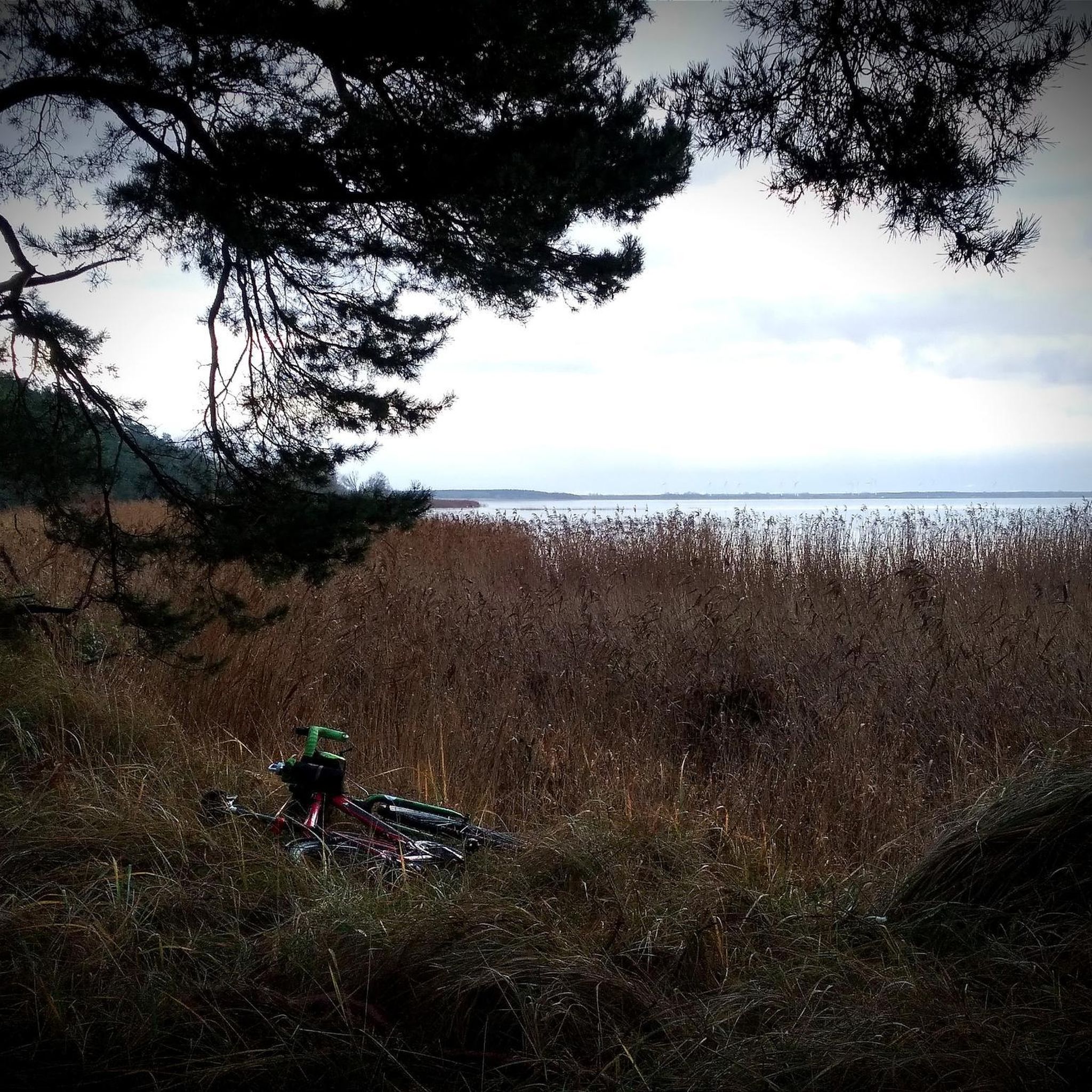
The Welschof Pond is a little corner of paradise for fishermen and ducks. It was built in the 1930s to serve as a reservoir for the Maginot Line's defensive flood control system.
1
0
The Diefenbach Pond covers 75 hectares and is one of the must-see sites along the aquatic Maginot Line. It is home to a wide variety of wildlife. It's not uncommon to encounter ducks, geese, and herons on the banks while strolling.
0
0

A pleasant setting for a stroll between the water and the forest. The lake is a kilometer and a half long.
0
0

Farébersviller (German: Pfarrebersweiler) is a French commune with 5,316 inhabitants (1 January 2021) in the Moselle department in the Grand Est region (until 2015 Lorraine). It belongs to the arrondissement of Forbach-Boulay-Moselle, the canton of Freyming-Merlebach and the Freyming-Merlebach municipal association founded in 2001. Pfarrebersweiler belonged to the Duchy of Lorraine since 1581, which fell to France according to a treaty after the death of Stanislaus I on 23 February 1766. From 1871, following the defeat in the Franco-Prussian War, Pfarrebersweiler was part of the Imperial Territory of Alsace-Lorraine within the German Empire. After losing the First World War, the German Empire had to cede Alsace-Lorraine to France again under the terms of the Treaty of Versailles. After a further 22 years, German troops marched into the town again. Thus, Farébersviller, now Pfarrebersweiler again, was effectively annexed like the rest of Alsace-Lorraine. The town returned to France in 1944 and was given its French name again.
1
0

Impressive church in the town with the beautiful city gate.
2
0
Frequently Asked Questions
Where exactly is Johannsrohrbach, and what kind of landscape can I expect for gravel biking?
Johannsrohrbach, also known as Saint-Jean-Rohrbach, is located in the Moselle department of northeastern France. The region is characterized by a charming mix of plains, forests, and numerous ponds, often referred to as a 'land of ponds.' This diverse landscape provides varied terrain perfect for gravel biking, with routes winding through tranquil waterscapes, open meadows, and wooded sections.
How many no-traffic gravel bike trails are available around Johannsrohrbach?
There are over 30 no-traffic gravel bike trails available around Johannsrohrbach. These routes offer a range of distances and elevations, ensuring there's something for every skill level, from moderate to more challenging rides.
Are there any family-friendly no-traffic gravel routes in the area?
While many routes offer peaceful, low-traffic experiences, the trails around Johannsrohrbach are generally moderate to difficult in terms of elevation and distance. For a moderate option that could be suitable for families with some biking experience, consider the Farschviller Pond – Lower Hoste Pond loop from Farébersviller, which covers 45.5 km with a manageable elevation gain.
What kind of natural features or landmarks can I expect to see along these gravel trails?
The region is rich in natural beauty, especially its numerous ponds. You can expect to cycle past serene bodies of water like Lower Hoste Pond, Welschhof Pond, and Hirbach Pond. The trails also traverse forests and meadows, offering opportunities to observe regional flora and fauna. Historically, the area was part of the Maginot Line, adding a unique dimension to some routes.
Are there any longer, more challenging no-traffic gravel routes for experienced riders?
Yes, for experienced riders seeking a challenge, the area offers several difficult routes. The Sarralbe Town Centre – Étang d hirchbach loop from Farschviller is a demanding 84.9 km ride with significant elevation gain. Another challenging option is the Lower Hoste Pond – The Maginot Fort at Barst loop from Diffembach-lès-Hellimer, which spans 65.1 km and features substantial climbs.
What is the best time of year to go gravel biking in Johannsrohrbach?
The varied landscapes of Johannsrohrbach are enjoyable throughout much of the year. Spring and autumn offer pleasant temperatures and beautiful scenery with changing foliage or blooming nature. Summer is also suitable, though it can be warmer. Winter riding is possible, but conditions may vary, especially on unpaved sections, so checking local weather forecasts is always recommended.
Are there any circular gravel routes available?
Yes, many of the gravel routes around Johannsrohrbach are designed as loops, allowing you to start and end at the same point. For example, the Étang de Welschhof – Welschhof Pond loop from Grundviller is a moderate 46.7 km circular route that takes you past scenic ponds.
Can I find routes that pass through or near historical sites?
Yes, the region has historical significance. The Lower Hoste Pond – The Maginot Fort at Barst loop from Diffembach-lès-Hellimer will take you near remnants of the Maginot Line, a historical defense system. Additionally, the broader Moselle department features various cultural and historical sites.
Are there any specific regulations or permits needed for gravel biking in the Moselle region?
Generally, no specific permits are required for gravel biking on public trails and forest paths in the Moselle region. However, it's always good practice to respect local signage, stay on marked trails, and be mindful of private property and protected natural areas. For more information on protected areas, you can visit Sarreguemines Tourisme.
What are some of the highlights or points of interest I might encounter on a gravel ride?
Beyond the beautiful ponds, you might pass through charming local settlements like Sarralbe Town Centre or spot historical markers such as the Farébersviller Memorial and Stone Bridge. The region's rich biodiversity also makes it a great place for wildlife spotting, especially around the numerous water bodies.
Are there any routes that offer panoramic views?
While the region is known for its ponds and forests, some routes do offer elevated sections that provide scenic vistas. The Monument of the Forest Path – Biding Panorama loop from Farschviller is a moderate 32.5 km route specifically highlighting panoramic views, allowing you to appreciate the rolling terrain of the area.
Most popular routes around Johannsrohrbach
Most popular attractions around Johannsrohrbach

Get inspired with the komoot mobile app


Explore more
Browse the best Gravel rides in other regions.
