The best traffic-free bike rides around Saint-Cyran-Du-Jambot
5.0
(1)
41
riders
14
rides
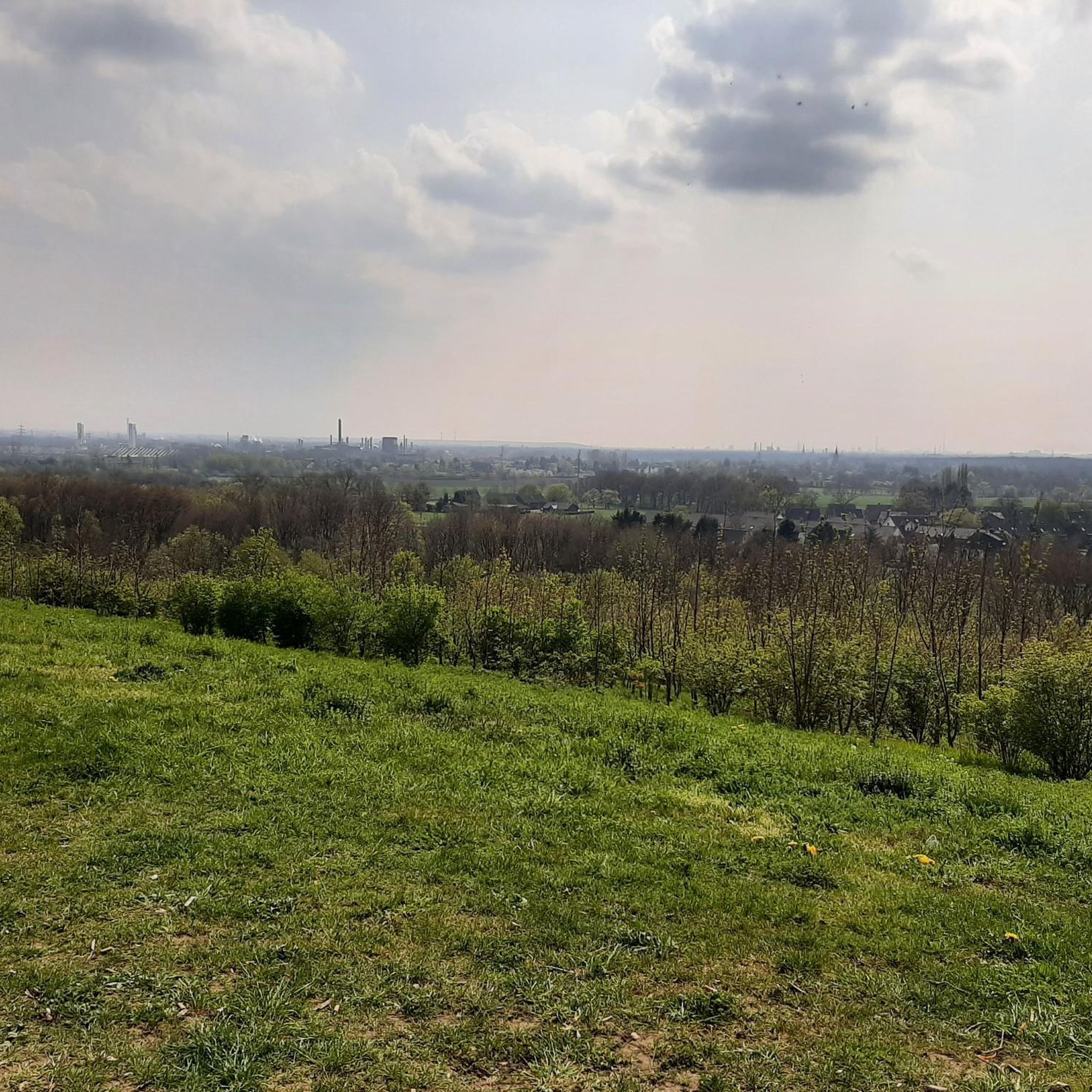
No traffic road cycling routes around Saint-Cyran-Du-Jambot traverse a landscape characterized by the tranquil Indre River valley and rolling countryside. The area features a mix of hedges, woods, and agricultural lands, providing varied scenery for cyclists. Proximity to the Regional Natural Park of Brenne offers unique wetland ecosystems and diverse natural features. The terrain generally consists of paved surfaces suitable for road cycling, with moderate elevation changes.
Best no traffic road cycling routes around Saint-Cyran-Du-Jambot
- The most popular no traffic…
Last updated: July 5, 2026
7
riders
50.5km
02:03
250m
250m
Moderate road ride. Good fitness required. Mostly well-paved surfaces and easy to ride.
5.0
(1)
5
riders
55.7km
02:37
350m
350m
Moderate road ride. Good fitness required. Some segments of this route may be unpaved and difficult to ride.

Sign up for free
6
riders
62.6km
02:38
420m
420m
Moderate road ride. Good fitness required. Mostly well-paved surfaces and easy to ride.
3
riders
Hard road ride. Very good fitness required. Mostly well-paved surfaces and easy to ride.
2
riders
40.3km
01:56
270m
270m
Moderate road ride. Great for any fitness level. Some segments of this route may be unpaved and difficult to ride.
Get access to more routes and recommendations from other explorers.
Sign up for free
Already have an account?
Our route recommendations are based on thousands of hikes, rides, and runs completed by other people on komoot.
Start today with a free account
Your next adventure awaits.
Login or Signup
Popular around Saint-Cyran-Du-Jambot
Tips from the Community

Magnificent castle and beautiful climb to reach the foot
0
0

The donjon is a residential tower or defensive tower of a medieval castle in the French cultural area. The donjon is 36 meters high, has a square floor plan, and is characterized by an excellent state of preservation. It was probably built by Fulk III of Anjou in the 11th century. In the 15th century, the fortress was converted into a royal prison by Louis XI. It houses the cells of Philippe de Commynes, Cardinal Balue, and the Duke of Milan, who spent his time painting murals. In 1801, Napoleon I transferred the state prison to the department. The donjon was used as a prison until 1926. In any case, it is an impressive complex, as is the entire town of Loches, which is definitely worth a visit if you are in the area.
2
1

Located on the borders of Brenne, Champagne and Berrichonne Boischaut Nord Buzançais presents the assets of a country with varied landscapes and architectural heritage from its rich past. The Parish of Buzançais is generally open. To contact them for opening hours: 02 54 84 05 19
0
0

Alfred Victor de Vigny, or Count of Vigny, is a poet born March 27, 1797 in Loches. French writer, novelist, playwright and poet. He wrote alongside a military career that began in 1814 and published his first poems in 1822.
0
0

This fortified keep is a feat of military engineering built from 1013 to 1035 by the then Count of Anjou. Many royal figures have made it their home and frequented it over the centuries, which explains why Loches is known as a "royal city". These figures include Joan of Arc, Anne of Brittany and King Charles VII.
0
0

Palluau-sur-Indre is a medieval town at the crossroads of the Route des Dames de Touraine and the Route des Plantagenêts. This village has fewer than 800 inhabitants but is home to a feudal castle from the 11th century and several houses from the 15th.
0
0
In the Middle Ages, the parish was originally located in Saint-Étienne, until the construction of the castle in Buzançais. The castle created a center of attraction, and the village gradually moved almost entirely
0
0

A steep climb. But when you love and you have the calves or the electric assistance, go for it
0
0
Frequently Asked Questions
How many traffic-free road cycling routes are available around Saint-Cyran-Du-Jambot?
This guide features 11 dedicated no-traffic road cycling routes around Saint-Cyran-Du-Jambot. These include 6 easy routes, 4 moderate routes, and 1 difficult route, offering options for various skill levels.
What kind of terrain can I expect on the no-traffic road cycling routes in this region?
The routes primarily traverse the tranquil, rolling countryside of the Indre department, often on paved surfaces. You'll encounter a mix of agricultural lands, hedges, and wooded areas, with elevation gains varying by route. For example, the Châtillon-sur-Indre – Palluau-sur-Indre loop has an elevation gain of approximately 252 meters over 50.5 km.
Are there any family-friendly traffic-free road cycling routes near Saint-Cyran-Du-Jambot?
Yes, the region offers several easy routes suitable for families looking for a relaxed ride away from traffic. The general tranquility of the countryside and the focus on paved, low-traffic roads make it ideal for family outings. Look for routes categorized as 'easy' in the guide for the most suitable options.
Can I find circular no-traffic road cycling routes around Saint-Cyran-Du-Jambot?
Many of the routes in this guide are designed as loops, allowing you to start and finish at the same point without retracing your path. Examples include the Châtillon-sur-Indre – Palluau-sur-Indre loop and the Loches Castle – Loches Keep loop, which offer varied scenery on circular paths.
What are some notable landmarks or points of interest along these traffic-free routes?
While cycling these routes, you can explore the picturesque Indre River valley, known for its natural beauty. The region is also close to the Regional Natural Park of Brenne, famous for its ponds and biodiversity. Historically, the Loches Castle – Loches Keep loop takes you near the historic town of Loches, and the Château de Chissay – Chédigny Village Garden loop passes by charming villages and châteaux.
What is the best time of year to enjoy traffic-free road cycling in Saint-Cyran-Du-Jambot?
Spring and autumn generally offer the most pleasant conditions for road cycling in the Centre-Val de Loire region, with mild temperatures and beautiful scenery. Summer can also be enjoyable, especially in the mornings or late afternoons, though it can get warmer. Winter cycling is possible but may require more preparation for colder weather.
Are there any longer, more challenging traffic-free road cycling options available?
Yes, for those seeking a greater challenge, routes like the Château de Chissay – Chédigny Village Garden loop offer a difficult rating, covering over 120 km with significant elevation gain. The broader region also connects to parts of the 'Loire à Vélo' network, which provides extensive long-distance cycling opportunities on country roads.
Where can I park my car when accessing these no-traffic road cycling routes?
Many routes start from towns or villages like Châtillon-sur-Indre or Saint-Cyran-Du-Jambot, where public parking is generally available. It's advisable to check the specific starting point of your chosen route for the most convenient parking options.
Can I access these cycling routes using public transport?
While Saint-Cyran-Du-Jambot itself is a smaller commune, regional train services in the wider Indre department can connect you to larger towns from which you might start a route. However, direct public transport access to specific trailheads might be limited, so planning your journey in advance is recommended.
Are there cafes or pubs along the no-traffic road cycling routes for refreshments?
The routes often pass through or near charming villages and small towns where you can find local cafes, bakeries, or small restaurants to refuel. It's a good idea to check the route details or a map beforehand to plan your refreshment stops, especially on longer rides through more rural sections.
What makes the Saint-Cyran-Du-Jambot area particularly good for traffic-free road cycling?
The region's appeal lies in its tranquil rural roads, picturesque landscapes, and proximity to natural features like the Indre River Valley and the Regional Natural Park of Brenne. These elements combine to create an environment where cyclists can enjoy long stretches of road with minimal vehicle traffic, allowing for a peaceful and immersive cycling experience.

Get inspired with the komoot mobile app


Explore more
Browse the best Road cycling routes in other regions.
