The best traffic-free bike rides around Jambles
4.7
(5)
17
riders
5
rides
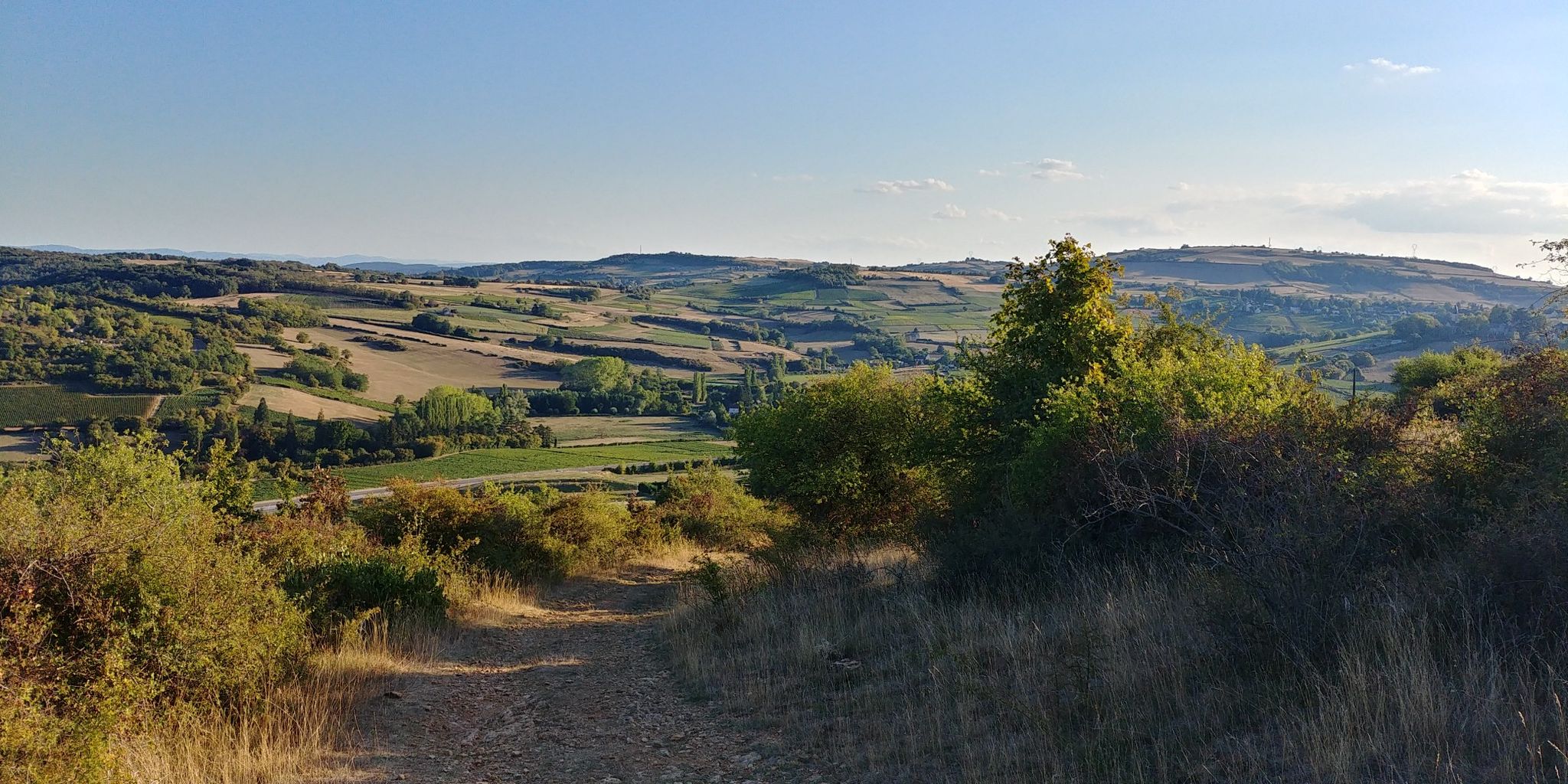
Gravel biking around Jambles offers a network of no traffic gravel bike trails through varied terrain. The region is characterized by rolling hills, agricultural landscapes, and sections of forest paths, providing diverse riding experiences. Routes often feature gentle climbs and descents, connecting small villages and rural areas. This makes Jambles a suitable destination for exploring the French countryside on gravel bikes.
Best no traffic gravel bike trails around Jambles
- The most popular no traffic gravel bike trail is Gravel loop from Saint-Privé, a 14.6 miles (23.5 km) trail that takes 1 hour 59 minutes to complete, offering a challenging ride through the local landscape.
- Another top favourite among local gravel bikers is Givry Town Hall Arch – Jambles loop from Givry, a moderate 10.3 miles (16.5 km) path that winds through rural roads and past local landmarks.
- Local gravel bikers also love the Church of Touches – Givry Town Hall Arch loop from Dracy-le-Fort, an 18.3 miles (29.5 km) trail leading through varied countryside, often completed in about 2 hours 2 minutes.
- Gravel biking around Jambles is defined by rolling hills, agricultural fields, and quiet forest sections. The network offers options for different ability levels, from moderate loops to more difficult routes with significant elevation gain.
- The routes in Jambles are highly rated by the komoot community with an average score of 4.7 stars from more than 4 reviews. More than 10 gravel bikers have used komoot to explore Jambles's varied terrain.
Last updated: July 5, 2026
4
riders
23.5km
02:00
480m
480m
Hard gravel ride. Very good fitness required. Mostly paved surfaces. Suitable for all skill levels.
5.0
(3)
6
riders
16.6km
01:11
250m
250m
Moderate gravel ride. Good fitness required. Mostly paved surfaces. Suitable for all skill levels.

Sign up for free
4.0
(1)
3
riders
29.5km
02:02
410m
400m
Moderate gravel ride. Good fitness required. Mostly paved surfaces. Suitable for all skill levels.
2
riders
41.5km
03:08
710m
710m
Hard gravel ride. Very good fitness required. Mostly paved surfaces. Suitable for all skill levels.
5.0
(1)
2
riders
12.8km
00:59
210m
210m
Moderate gravel ride. Good fitness required. Mostly paved surfaces. Suitable for all skill levels.
Our route recommendations are based on thousands of hikes, rides, and runs completed by other people on komoot.
Start today with a free account
Your next adventure awaits.
Login or Signup
Other adventures around Jambles

Tips from the Community

The Church of St. Peter and Paul (Église Saint-Pierre et Saint-Paul) in the municipality of Givry was built between 1772 and 1791. It is considered a masterpiece of French Classicism. It was designed by the famous regional engineer and architect Émiland Gauthey. Its striking, bright yellow facade, which makes it visible from afar in the village, is very noticeable. Its round shape and the large bull's-eye windows (Œil-de-bœuf) also make it unique.
0
0
The Halle ronde (the "round hall") in the French municipality of Givry was built between 1825 and 1830. It was designed by the regionally known architect Lazare Narjoux. It originally served as a grain hall (Halle au blé) to supply the surrounding mills and the population with grain. Due to its rare, circular design, the market hall has been classified as a historic monument since 1931.
0
0

It was built in 1825 by Lazare Narjoux and served the grain trade.
2
0

Superb view of the Madonna. The autumn landscapes are magnificent.
0
0
Superb viewpoint overlooking the Côte Chalonnaise and the city of Chalon-sur-Saône. If the sky is clear, you can see Mont Blanc.
0
0

Jambles has belonged to the Abbey of Cluny since the 9th century. A writing by Saint Vincent de Chalon from 1263 mentions the presence of a hospital that received the sick, the homeless, and travelers at the place called Maison-Dieu in Jambles. At its center is a pretty fountain near a cross.
0
0

Reminiscence of Henri IV. Interesting exhibitions today.
1
0
Frequently Asked Questions
How many no traffic gravel bike trails are available around Jambles?
There are 5 dedicated no-traffic gravel bike trails around Jambles featured in this guide. These routes offer a range of experiences, from moderate to difficult, ensuring a quiet ride away from vehicle traffic.
What kind of terrain can I expect on the no traffic gravel trails near Jambles?
While specific details for Jambles are not widely documented, gravel biking generally involves a mix of rugged trails, forest paths, and unpaved roads. You can expect varied surfaces suitable for gravel bikes, providing a true off-road experience.
Are there any scenic viewpoints or landmarks along the no traffic gravel routes in Jambles?
Yes, several routes offer opportunities to see interesting sights. For instance, you might pass by the historic Château de Rully or enjoy a scenic View of Saint-Denis-de-Vaux. The Mercurey cross at the top of the SJ path also offers a notable viewpoint.
What do other gravel bikers enjoy most about the no traffic routes in Jambles?
The komoot community rates the no-traffic gravel biking experience around Jambles highly, with an average score of 4.66 stars. Reviewers often praise the tranquility of the routes and the opportunity to explore the local countryside away from cars.
Are there any family-friendly no traffic gravel bike trails around Jambles?
While all routes are designated as 'no traffic,' the difficulty varies. The 'moderate' routes, such as the Givry Town Hall Arch – Jambles loop from Givry, might be suitable for families with some gravel biking experience. Always check the route details for distance and elevation to ensure it matches your family's capabilities.
What is the best time of year to go gravel biking in Jambles?
Gravel biking conditions can vary seasonally. Spring and autumn generally offer pleasant temperatures and beautiful scenery. Summer can be warm, so early morning or late afternoon rides are often preferred. Winter rides are possible, but be prepared for potentially colder and wetter conditions on unpaved surfaces.
Are there any circular no traffic gravel routes available?
Yes, all the no-traffic gravel routes in this guide are designed as loops, allowing you to start and end at the same point. An example is the Gravel loop from Saint-Privé, which offers a challenging circular ride.
Can I find places to eat or drink near the no traffic gravel trails?
While the trails themselves are traffic-free, many routes start or pass through small towns like Givry or Dracy-le-Fort, where you can typically find local cafes or restaurants. For example, the Vallée de Russilly – Givry Town Hall Arch loop from Givry starts and ends in Givry, offering amenities.
What is the longest no traffic gravel route in this guide?
The longest no-traffic gravel route featured is the Givry Town Hall Arch – Jambles loop from Givry, which covers approximately 41.5 km with significant elevation gain, making it a challenging and rewarding ride.
Are there any historical or religious sites accessible from the no traffic gravel trails?
Yes, you can encounter historical and religious sites. The Notre-Dame Church in Mercurey is one such example. Routes like the Church of Touches – Givry Town Hall Arch loop from Dracy-le-Fort may pass near or through areas with historical significance.
Most popular attractions around Jambles

Get inspired with the komoot mobile app


Explore more
Browse the best Gravel rides in other regions.
