The best traffic-free bike rides around Habarcq
4.3
(74)
1,860
riders
70
rides
No traffic road cycling routes around Habarcq are situated in the Pas-de-Calais department of the Hauts-de-France region, characterized by generally flat to gently undulating terrain. The landscape features rolling countryside, extensive farmlands, and traditional villages, providing accessible cycling opportunities. This area offers a network of quiet roads suitable for various fitness levels, with Habarcq itself being a small farming village.
Best no traffic road cycling routes around Habarcq
- The most popular no traffic road cycling route is Ruins of Mont-Saint-Eloi…
Last updated: August 29, 2026
5.0
(2)
52
riders
Moderate road ride. Good fitness required. Some segments of this route may be unpaved and difficult to ride.
5.0
(1)
18
riders
68.0km
02:55
450m
450m
Moderate road ride. Good fitness required. Mostly well-paved surfaces and easy to ride.

Sign up for free
22
riders
Moderate road ride. Good fitness required. Mostly well-paved surfaces and easy to ride.
9
riders
89.0km
04:24
710m
710m
Moderate road ride. Good fitness required. Mostly well-paved surfaces and easy to ride.
7
riders
46.5km
02:02
360m
360m
Moderate road ride. Good fitness required. Mostly well-paved surfaces and easy to ride.
Get access to more routes and recommendations from other explorers.
Sign up for free
Already have an account?
Our route recommendations are based on thousands of hikes, rides, and runs completed by other people on komoot.
Start today with a free account
Your next adventure awaits.
Login or Signup
Popular around Habarcq
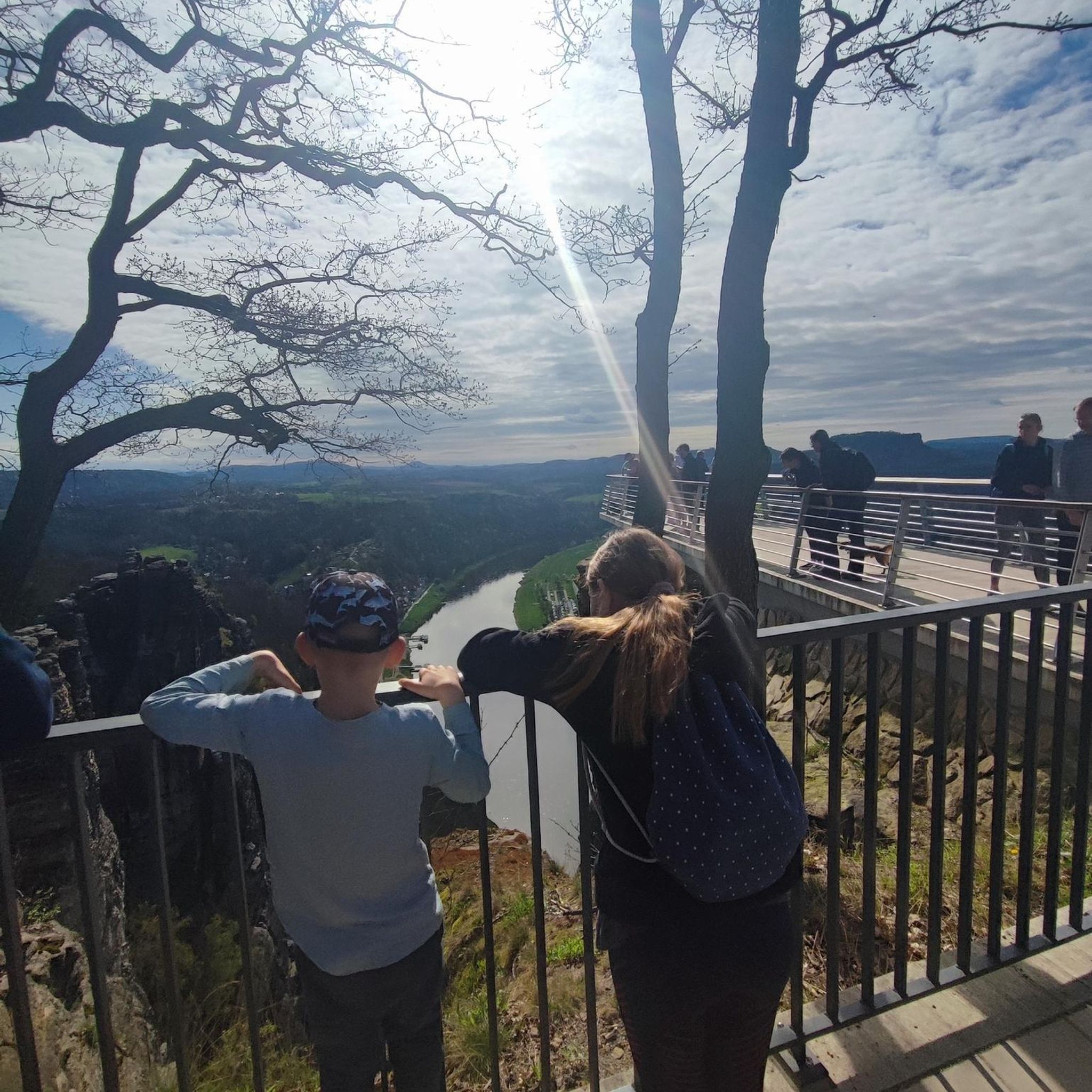
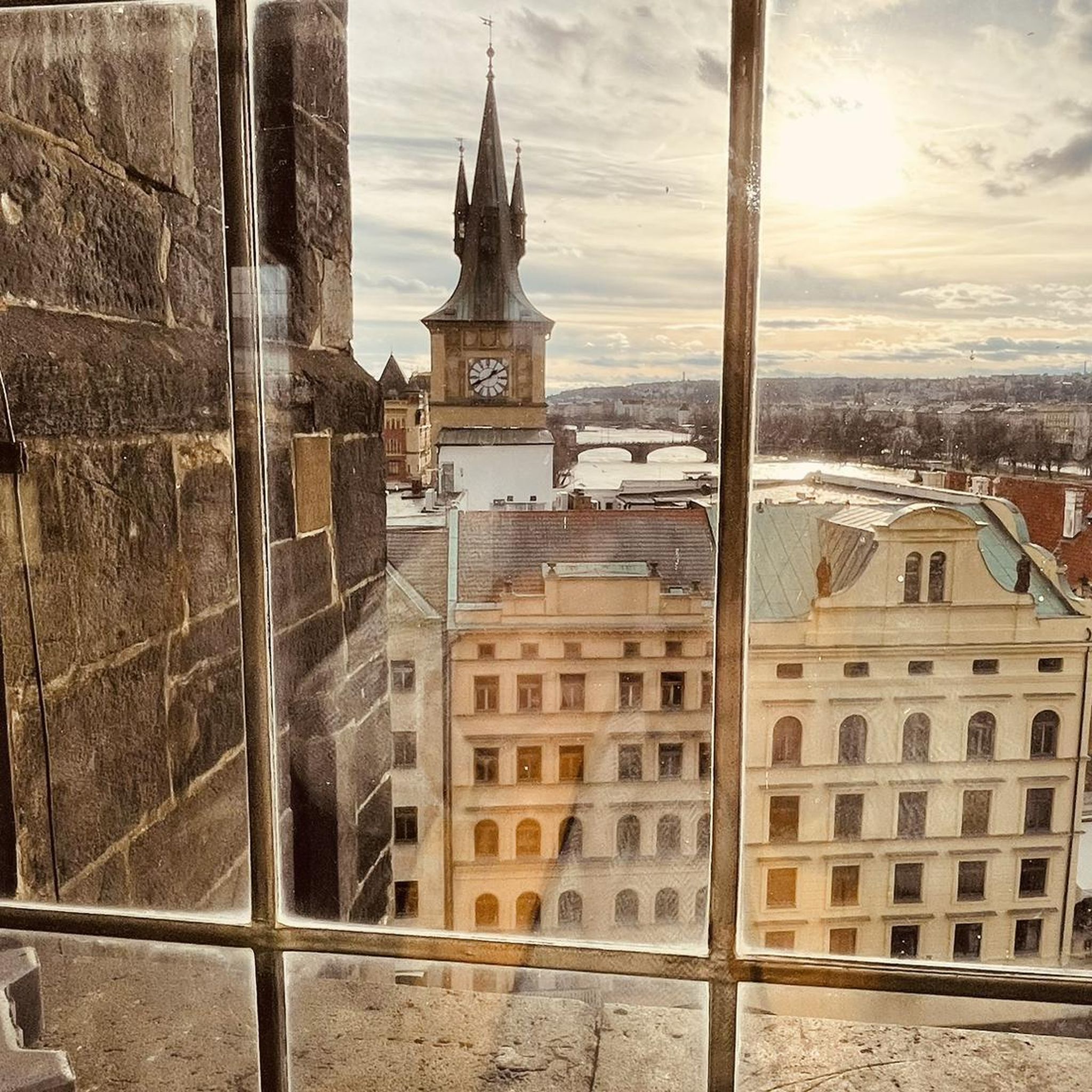
Tips from the Community

Magnificent memorial. The site as a whole is pleasant and rather touristy.
0
0

Mont César rises to a height of 138 meters on the left bank of the Thérain River, near the hamlet of Froidmont, in the municipality of Bailleul-sur-Thérain, in the Oise department. The hill, which overlooks the valley and surrounding marshes, has been inhabited since the Bronze Age and was likely a Gallo-Roman oppidum on an ancient, fortified Gallic camp. Archaeological excavations carried out since the 18th century have unearthed numerous objects and remains of fortifications. During excavations conducted in 1878 by Isidore Berton, Gallic coins and various objects from the Roman period were discovered. Want to know more? Click through to the source: https://fr.wikipedia.org/wiki/Mont_C%C3%A9sar
0
0


The current church was built in 1803 on the site of the old church. It was restored in 1842. The bell, cast in Douai in 1862, bears the name of its godmother: Aimée Charlotte Henriette de Richoufftz. Its baptismal name, like many bells in our villages, was given after a blessing. It was installed in the steeple, built of cut stone, in 1874, thanks to the generosity of the Richoufftz family. The sound of the bell punctuated rural life and informed the inhabitants of certain events, announcing the dangers, joys, or sorrows of daily life. The church's stained-glass windows feature the Richoufftz family crest: three gold stag heads on a blue background. Manin Castle, built in 1745, is located behind the church.
0
0

The Vimy Memorial is the most prestigious Canadian monument in Europe. It is located on the very site of the 1917 fighting near Vimy in the Pas-de-Calais region of France. Erected on the highest point of the hill, Hill 145, the objective of the operations that began on April 9, 1917, it overlooks the Douai Plain. In 1921, architect and sculptor Walter S. Allward (1875-1955) won the competition from the Canadian Battlefield Memorials Commission. The significance of the battles at the site and the favorable location at the top of the hill allowed Vimy to receive the most prestigious work.
1
0

I went there late one evening, a calm that does you good, a great panorama night and day
0
0
Be careful, it's a steep climb but it's just fun
0
0
Frequently Asked Questions
How many no-traffic road cycling routes are available around Habarcq?
There are over 50 dedicated no-traffic road cycling routes around Habarcq, offering a range of distances and difficulties for all cyclists. You'll find 10 easy routes, 40 moderate routes, and 1 difficult route to explore.
What kind of terrain can I expect on no-traffic road cycling routes near Habarcq?
The no-traffic road cycling routes around Habarcq, situated in the Hauts-de-France region, generally feature flat to gently undulating terrain. You can expect to cycle through rolling countryside, past large farms, and traditional timber houses, providing scenic views and a tranquil riding experience. While most roads are well-paved, some routes in the broader region may include challenging cobblestone sections, adding a unique historical cycling element.
Are there any family-friendly no-traffic road cycling routes in the area?
Yes, Habarcq offers 10 easy no-traffic road cycling routes that are suitable for families. These routes typically feature gentler gradients and quieter roads, making them ideal for a relaxed outing with children. The generally flat to gently rolling terrain of the region is well-suited for family cycling.
What are some interesting landmarks or attractions I can see along the no-traffic road cycling routes?
While cycling the no-traffic routes around Habarcq, you can discover several points of interest. Consider visiting historical sites like the The Caucourt Ford and Watermill or the impressive Arras Citadel. For a moment of reflection, the Wall of the Executed at the Citadel of Arras is also nearby. Nature lovers might enjoy the Marais de Maroeuil.
What is the best season for no-traffic road cycling around Habarcq?
The best season for no-traffic road cycling around Habarcq is typically from spring through early autumn (April to October). During these months, the weather is generally milder and more predictable, with less rain and comfortable temperatures for cycling. The countryside is also at its most vibrant, offering beautiful scenic rides.
Are there any circular no-traffic road cycling routes available?
Yes, many of the no-traffic road cycling routes around Habarcq are designed as circular loops, allowing you to start and finish at the same point. An example is the moderate route, Ruins of Mont-Saint-Eloi Abbey – Abbey of Mont Saint-Éloi loop from Frévin-Capelle, which offers a substantial ride through the region's landscapes.
Where can I find parking for no-traffic road cycling routes near Habarcq?
Given Habarcq's proximity to Arras and its nature as a small farming village, parking is generally available in the village center or at the starting points of many routes. Larger towns like Frévin-Capelle or Aubigny-en-Artois, which serve as starting points for routes like St Pol sur Ternoise loop from Frévin-Capelle, also offer public parking facilities.
What do other road cyclists enjoy most about no-traffic road cycling in Habarcq?
The no-traffic road cycling experience around Habarcq is highly rated by the komoot community, with an average score of 4.3 out of 5 stars. Reviewers often praise the tranquil rural roads, the picturesque rolling countryside, and the opportunity to explore historical villages and landmarks without the disturbance of heavy traffic.
Are there any longer no-traffic road cycling routes for experienced cyclists?
Yes, for experienced cyclists looking for longer rides, there are several moderate to difficult no-traffic routes. For instance, the St Pol sur Ternoise loop from Frévin-Capelle covers over 93 km with significant elevation gain, offering a challenging and rewarding experience through the region's quiet roads.
Can I access these no-traffic road cycling routes using public transport?
Habarcq is a small village, so direct public transport links might be limited. However, its proximity to Arras (approximately 12-13 kilometers) means you could potentially use public transport to reach Arras, and then cycle to Habarcq or to the starting points of routes in nearby larger villages like Frévin-Capelle or Aubigny-en-Artois. It's advisable to check local bus schedules for connections to these smaller towns.
Are there any cafes or places to stop for refreshments along the no-traffic routes?
While Habarcq itself is a quiet farming village, many no-traffic road cycling routes pass through or near other villages and towns in the region. These often have local cafes, bakeries, or small shops where you can stop for refreshments. Larger towns like Arras, which is easily accessible, offer a wider range of dining options. It's always a good idea to carry some snacks and water, especially on longer routes.
What are the typical elevation gains on no-traffic road cycling routes around Habarcq?
The elevation gains on no-traffic road cycling routes around Habarcq vary, reflecting the region's generally undulating terrain. For example, a moderate route like the Lucheux Belfry – Lucheux Castle loop from Aubigny-en-Artois involves around 443 meters of ascent, while longer routes such as the Ruins of Mont-Saint-Eloi Abbey – Abbey of Mont Saint-Éloi loop from Frévin-Capelle can feature over 800 meters of climbing, offering a good workout for cyclists.
Most popular attractions around Habarcq

Get inspired with the komoot mobile app


Explore more
Browse the best Road cycling routes in other regions.
