The best traffic-free bike rides around Saint-Patrice-Du-Désert
4.5
(22)
1,149
riders
177
rides
Road cycling around Saint-Patrice-Du-Désert offers a serene experience within the picturesque countryside of the Orne department, nestled in the Regional Natural Park Normandy-Maine. The region features variations in altitude, ranging from 168 to 268 meters, providing a mix of gentle climbs and descents. Cyclists will find quiet, less trafficked roads winding through rural communes, often alongside small rivers like the Gourbe and the Saint Ursin, or past the Etang du Petit Jard. This environment is ideal for those seeking no…
Last updated: July 5, 2026
10
riders
127km
05:50
1,390m
1,390m
Hard road ride. Very good fitness required. Some segments of this route may be unpaved and difficult to ride.
7
riders
84.7km
03:53
830m
830m
Moderate road ride. Good fitness required. Mostly well-paved surfaces and easy to ride.

Sign up for free
4
riders
Moderate road ride. Good fitness required. Some segments of this route may be unpaved and difficult to ride.
3
riders
Hard road ride. Very good fitness required. Mostly well-paved surfaces and easy to ride.
3
riders
71.7km
03:27
850m
850m
Moderate road ride. Good fitness required. Mostly well-paved surfaces and easy to ride.
Get access to more routes and recommendations from other explorers.
Sign up for free
Already have an account?
Our route recommendations are based on thousands of hikes, rides, and runs completed by other people on komoot.
Start today with a free account
Your next adventure awaits.
Login or Signup
Popular around Saint-Patrice-Du-Désert
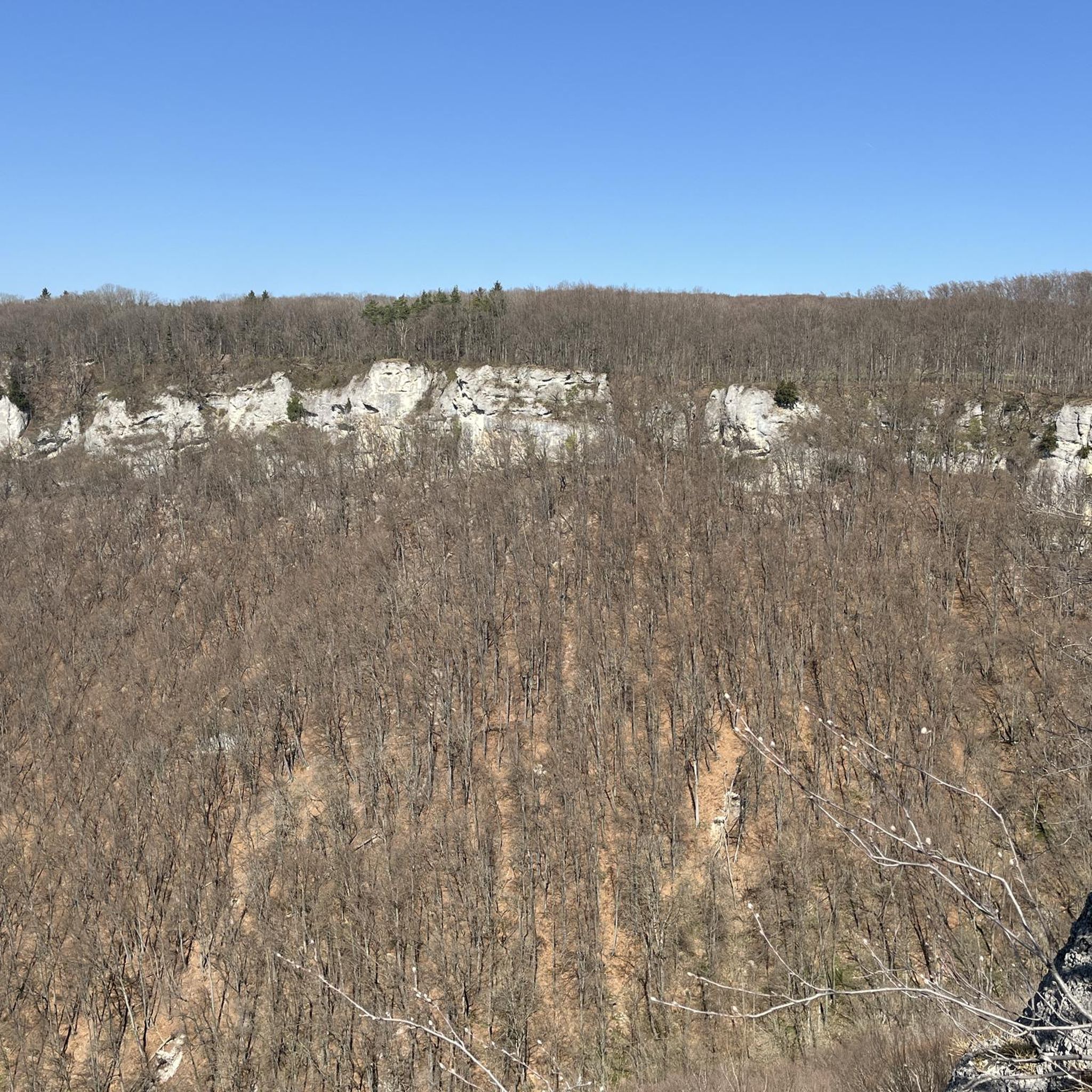

Tips from the Community

Magnificent, a must-see.
0
0

Riding up there by bike was quite strenuous, but the view from the top was worth the effort. It was well worth it.
0
0

This church was built in the 16th century. It was remodeled and enlarged starting in 1850 (with the construction of chapels, the choir, and the sacristy). The Heritage Foundation organized a fundraiser for the restoration of the church: the purpose of the fundraiser is to restore the exterior of the church (stained glass windows and bell tower), as well as the interior (altarpiece, master paintings, baptismal font, fixing the pews to the floor, Stations of the Cross). The cost of this work is estimated at approximately €70,000. February 9, 2022: Renovation work on the church building completed, carried out by the Beauvain History and Heritage Association (restoration of the altarpieces, stained glass windows, baptismal font, as well as the roof, bell tower, clock mechanism, the Calvary on the Rock, the church door, and the heating system).
0
0
In 1874, the project for a new church was born, at the instigation of Father Macé, then vicar, who had the municipality and even the priest against him. The nave, however, was completed in 1878, the tower the following year, the consecration took place in 1881. The building is constructed of local granite, also in Romanesque style but its axis is perpendicular to that of the old one, the entrance towards the road to Carrouges-La Ferté. The nave is supported by ten granite pillars made from a single piece and 2 m. high. The only treasure is the altar decoration, Louis XIII, given by Father Dufriche-Desgenettes to his friend Father Lapierre. Father Husson made the furnishings of the sacristy and the church with his own hands: stalls, confessionals, pulpit. Burned by bombing on August 14, 1944, the church was unusable. In 1953, after extensive restoration, religious services were reinstated, and two years later, the three bells were replaced, along with the stained-glass windows themselves. Those in the choir depict the life of Saint John the Baptist, the patron saint; four smaller ones depict the four chapels of Joué (La Raîtière, Le Bel, St-Jacques, and St-Roch) with the coats of arms of the founding families. A lintel bearing the Le Verrier coat of arms, taken from the seigneurial chapel dedicated to Saints Hubert and Suzanne in the church, was incorporated into the tower's masonry; this lintel was designed in La Chaux, by the Count of Contades.
0
0
This church is Romanesque in style (12th or 13th century) and was renovated during the Gothic period. Thus, on one side of the nave, there are semicircular arches and on the other, pointed arches. The bell tower dates from the 18th century. The church has a massed plan. The chevet is flat. The sacristy is attached to the chevet. The square bell tower, topped with an octagonal dome, is located on the south facade. On one side of the nave, there are bays. The portal opens under the bell tower. It is decorated with an ogee arch and a coat of arms.
0
0

2 perforations visible on the 12th photo of the Sherman M4A2 "Valois"
0
0

An endless false flat. Remember to carry water because there's nothing to refuel.
0
0

Very beautiful castle. The outside area is very interesting and a nice walk. Unfortunately I didn't see the inside of the castle. The bicycle parking area is behind the archway on the inside on the right.
0
0
Frequently Asked Questions
How many no-traffic road cycling routes are available around Saint-Patrice-du-Désert?
There are over 160 dedicated no-traffic road cycling routes around Saint-Patrice-du-Désert. These routes offer a variety of distances and difficulty levels, ensuring there's something for every cyclist looking for a peaceful ride.
What kind of terrain can I expect on these quiet road cycling routes?
The region around Saint-Patrice-du-Désert features a picturesque countryside with gentle variations in altitude, ranging from 168 to 268 meters. This means you can expect a mix of flat sections, often alongside rivers like the Gourbe or Saint Ursin, and some gentle climbs and descents, providing varied and engaging terrain for road cyclists.
Are there any easy, traffic-free road cycling routes suitable for beginners?
Yes, there are 17 easy routes perfect for beginners or those seeking a relaxed ride. An example is the Roadbike loop from Lignières-Orgères, which is just under 10 km and offers a gentle introduction to the area's quiet roads.
What are some popular longer, no-traffic road cycling routes in the area?
For those looking for a longer challenge, routes like the Forêt de Monnaie – Le Comptoir loop from Saint-Calais-du-Désert offer nearly 90 km of scenic, quiet roads. Another option is the Ferté Plage Recreation Area – Route Forestière de Domfront loop from La Ferté-Macé, which covers about 41 km.
What do other road cyclists enjoy most about cycling in Saint-Patrice-du-Désert?
The komoot community highly rates the road cycling experience here, with an average score of 4.33 out of 5 stars. Reviewers often praise the serene, picturesque countryside, the quiet roads ideal for avoiding traffic, and the diverse landscapes within the Regional Natural Park Normandy-Maine.
Can I find routes that pass by historical sites or castles?
Absolutely. The region is rich in history. You can cycle past impressive landmarks such as Carrouges Castle or Couterne Castle. The Carrouges Castle – Bagnoles-de-l'Orne loop from Saint-Calais-du-Désert is a challenging route that connects several historical points of interest.
Are there any routes that include scenic lakes or water features?
Yes, several routes incorporate beautiful water features. You can find paths leading to or around Bagnoles-de-l'Orne Lake, Plan d'Eau de la Ferté-Macé, or the Ferté Plage Recreation Area. These spots offer pleasant views and opportunities for a break.
Are there any family-friendly no-traffic road cycling options?
While specific 'family-friendly' designations aren't always explicit for road cycling, the abundance of easy and moderate routes on quiet country roads makes many suitable for families with older children or those comfortable with longer distances. The 17 easy routes are a great starting point for a relaxed family outing.
What is the best time of year for traffic-free road biking in this region?
The picturesque countryside of Saint-Patrice-du-Désert, located within the Regional Natural Park Normandy-Maine, is generally pleasant for cycling from spring through early autumn. These seasons offer mild weather and vibrant natural scenery, enhancing the experience of riding on quiet roads.
Are there any routes that pass through or near charming towns?
Many routes connect Saint-Patrice-du-Désert with nearby charming towns. For instance, the Bagnoles-de-l'Orne – Belle-Époque villas loop from La Ferté-Macé takes you through Bagnoles de l'Orne, a well-known spa town with beautiful architecture, offering a perfect spot for a break.
Are there any challenging routes for experienced road cyclists?
Yes, for experienced cyclists seeking a challenge, there are 10 difficult routes. The Carrouges Castle – Bagnoles-de-l'Orne loop from Saint-Calais-du-Désert is a prime example, covering over 126 km with significant elevation gain, offering a demanding yet rewarding ride through varied landscapes.
Most popular routes around Saint-Patrice-Du-Désert
Most popular attractions around Saint-Patrice-Du-Désert

Get inspired with the komoot mobile app


Explore more
Browse the best Road cycling routes in other regions.
