The best traffic-free bike rides around Saint-Ouen-Des-Alleux
3.8
(8)
92
riders
8
rides
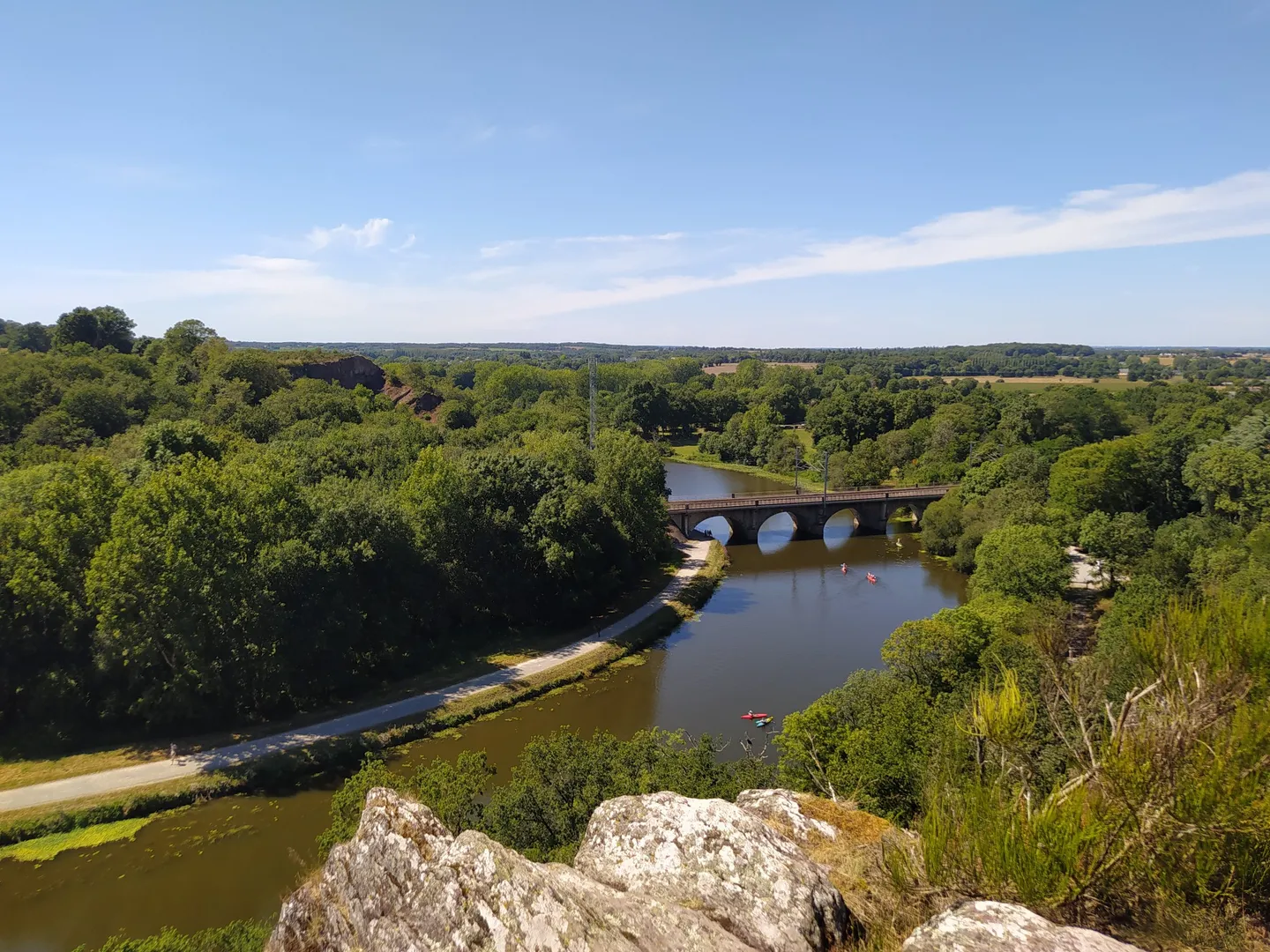
No traffic gravel bike trails around Saint-Ouen-Des-Alleux are found within the scenic Couesnon river valley, characterized by its winding course and deeply incised terrain. The region features a network of "chemins creux" (hollow paths) and "larges allées" (wide paths), providing varied surfaces ideal for gravel biking away from paved roads. The landscape includes forests, such as the Forêt Domaniale de Saint-Aubin-du-Cormier, and bodies of water like the Étang de Saint-Aubin-du-Cormier. The topography is gently undulating, with elevations ranging from 32…
Last updated: July 5, 2026
4.3
(3)
30
riders
56.3km
03:29
390m
390m
Moderate gravel ride. Good fitness required. Mostly paved surfaces. Suitable for all skill levels.
2.5
(2)
22
riders
Hard gravel ride. Very good fitness required. Mostly paved surfaces. Suitable for all skill levels.

Sign up for free
15
riders
206km
10:58
1,110m
1,110m
Hard gravel ride. Very good fitness required. You may need to push your bike for some segments of this route.
3
riders
38.6km
02:42
360m
360m
Hard gravel ride. Good fitness required. You may need to push your bike for some segments of this route.
3
riders
21.0km
01:37
200m
200m
Hard gravel ride. Good fitness required. You may need to push your bike for some segments of this route.
Get access to more routes and recommendations from other explorers.
Sign up for free
Already have an account?
Our route recommendations are based on thousands of hikes, rides, and runs completed by other people on komoot.
Start today with a free account
Your next adventure awaits.
Login or Signup

Other adventures around Saint-Ouen-Des-Alleux

Tips from the Community

very nice cycle path in the shade
0
0

((Private property)) The current château was built in 1758 according to the plans of Antoine Forestier, known as the Younger; the Saint Peter's Chapel, located to the north, dates from 1608. It is mentioned in François-René de Chateaubriand's *Memoirs from Beyond the Grave* (Part One, Book V). It has been listed as a historical monument since July 22, 2004 [(Source: Wikipedia)] The Battle of Saint-Aubin-du-Cormier (July 28, 1488) took place on the heath now known as "the Heath of the Meeting." It pitted the Bretons against the French; the latter were victorious. Jean II de la Celle (1450-1507), Lord of La Sécardaie, participated in the battle, and two cannonballs from this battle are preserved at the Château de la Sécardaie: the Breton cannonball (the larger one) is made of granite; The French cannonball (the heaviest) is made of iron. (Source: https://fr.wikipedia.org/wiki/M%C3%A9zi%C3%A8res-sur-Couesnon) "History Section"
0
0

The Jardin Public is centrally located in the city and extends over several terraces offering sweeping views of the old town and the Château de Fougères. Created in 1865, the park combines features of an English landscape garden, French garden architecture, and botanical design.
1
0
The Église Saint-Léonard was built in the 12th century and acquired its present form in the flamboyant Gothic style in the 15th and 16th centuries. During the French Revolution, the church was deprived of its sacred function, but in the 19th century, under architects such as Aristide Tourneux, it underwent extensive renovations, including a new main façade with a large rose window. Inside, 19th-century stained-glass windows depicting episodes from the life of Saint Léonard can be seen.
1
0

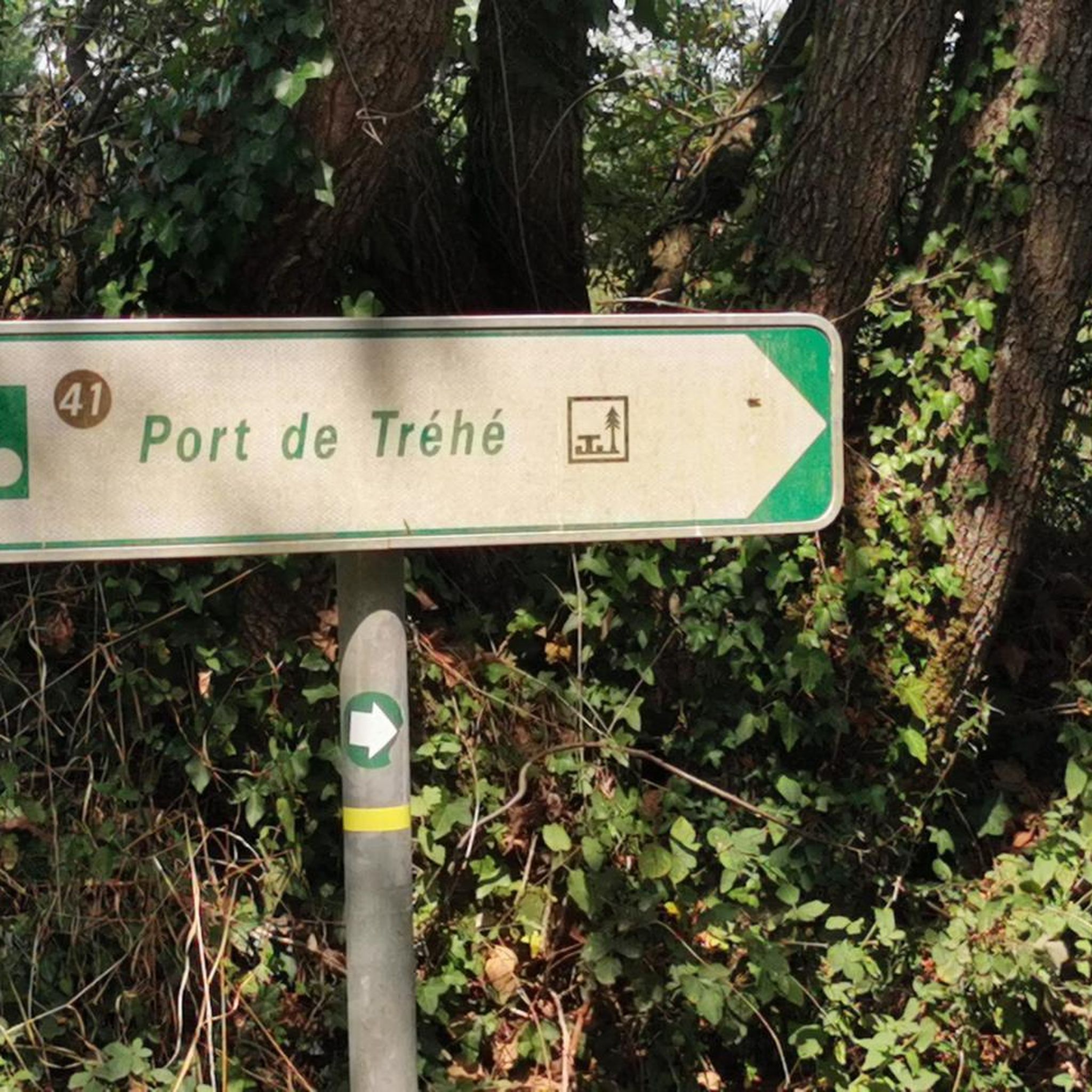
This greenway between Mont Saint-Michel and Pontorson alternates between magnificent stretches with unobstructed views and shaded sections with bucolic charm. Away from road traffic, this section reveals the unique calm of nature.
0
0
Dominated by one of the largest medieval castles in Europe, Fougères boasts magnificent ramparts, towers, and a perfectly preserved historic center. From the heights, the view takes in the Nançon Valley and its half-timbered houses, offering beautiful perspectives. It's an ideal stop along the Régalante to immerse yourself in Breton history before hitting the road again.
0
0

A commemorative stele: "Here on July 30, 1944, the parachute drop of weapons took place for the liberation of France. Franc-Tireurs and Denis Aristide BUCKMASTER Network."
0
0

The renowned landscape painter and avant-garde colorist Emmanuel de la Villéon, who associated with the greatest independent painters of his time, experimented with different styles and brushstrokes. This collection of oil, pastel, gouache, charcoal, and ink paintings traces his career through selected works. The museum is usually open during school holidays in Zone B. The museum is currently closed due to leaks!
1
0
Frequently Asked Questions
How many no-traffic gravel bike trails are available around Saint-Ouen-des-Alleux?
There are 6 dedicated no-traffic gravel bike trails around Saint-Ouen-des-Alleux featured in this guide. These routes are specifically curated to offer a peaceful cycling experience away from busy roads, allowing you to immerse yourself in the tranquil Breton countryside.
What kind of terrain can I expect on gravel bike trails in Saint-Ouen-des-Alleux?
The gravel trails in Saint-Ouen-des-Alleux primarily feature a mix of natural surfaces, including 'chemins creux' (hollow paths) and 'larges allées' (wide paths). You'll encounter dirt, gravel, and natural surfaces, especially along the scenic Couesnon Valley and through woodlands like the Forêt Domaniale de Saint-Aubin-du-Cormier. The topography is generally gently undulating, offering engaging rides without overly strenuous climbs.
Are there any family-friendly no-traffic gravel routes in the area?
While many routes in this guide are rated moderate to difficult, the inherent low-traffic nature of these gravel paths makes them appealing for families comfortable with off-road cycling. The focus on quiet paths away from main roads provides a safer environment for younger riders. For a moderate option, consider the Saint Léonard Church – Public Garden loop from Romagné, which offers a good balance of distance and elevation.
What natural features or landmarks can I see along the gravel bike trails?
Many routes offer glimpses of the region's natural beauty and historical sites. You can enjoy views over the Couesnon valley, pass by the serene Saint-Aubin-du-Cormier Pond, or even spot historical structures like The keep of Saint-Aubin-du-Cormier. The region's network of paths, including sections of the Regalante greenway, often follow river courses or lead through picturesque rural landscapes.
What is the best time of year for gravel biking in Saint-Ouen-des-Alleux?
Spring and autumn are generally the most pleasant seasons for gravel biking in Brittany. The weather is milder, and the natural landscapes are vibrant. Summer can also be enjoyable, especially on shaded forest paths, but be mindful of warmer temperatures. Winter rides are possible, but paths might be muddier after rain.
Are there any circular no-traffic gravel routes available?
Yes, all the no-traffic gravel routes featured in this guide are circular, allowing you to start and end your ride at the same point. This makes planning your trip and parking much more convenient. Examples include the Liberty Oak loop from Gahard and the Château de la Sécardais loop from Saint-Ouen-des-Alleux.
Can I bring my dog on these gravel trails?
Many natural paths and greenways in Brittany are dog-friendly, provided your dog is kept on a leash and you clean up after them. While specific regulations can vary, the rural nature of these no-traffic gravel routes generally makes them suitable for cycling with a well-behaved dog. Always be respectful of local wildlife and private property.
Where can I find parking for these gravel bike trails?
Since many of these routes are circular and start from villages or specific points, you can often find public parking in the vicinity of the starting points. For example, routes starting from Saint-Ouen-des-Alleux, Gahard, Romagné, or Maen-Roch will typically have parking options available in or near these communes. Always check local signage for any restrictions.
What is the average difficulty of the no-traffic gravel routes in this guide?
The no-traffic gravel routes in this guide range from moderate to difficult. There are 3 moderate routes and 3 difficult routes. This means they are best suited for gravel bikers with some experience, offering a good challenge with varied distances and elevation gains. Even the 'difficult' routes are designed to be traffic-free, focusing on the physical challenge rather than navigating busy roads.
Are there any cafes or places to stop for refreshments along the routes?
Given the rural nature of Saint-Ouen-des-Alleux and its surroundings, direct on-trail cafes might be limited. However, many routes pass through or near small villages like Gahard, Romagné, or Maen-Roch, where you may find local bakeries, small shops, or traditional French cafes. It's always a good idea to carry sufficient water and snacks, especially on longer rides, and check village opening hours in advance.
What do other gravel bikers enjoy most about gravel biking in Saint-Ouen-des-Alleux?
The area is highly rated by the komoot community, with an average score of 3.25 stars. Reviewers often praise the tranquility and the opportunity to explore the authentic Breton countryside away from traffic. The diverse paths, from 'chemins creux' to wider tracks, and the scenic views, particularly in the Couesnon Valley, are frequently highlighted as enjoyable aspects of the gravel biking experience here.
How long are the no-traffic gravel bike trails in this guide?
The routes vary significantly in length, catering to different preferences. The shortest route, the Château de la Sécardais loop from Saint-Ouen-des-Alleux, is approximately 22.8 km. The longest, the Inn at Vitré Castle – Cantache Pond loop from Baillé, extends to about 115.5 km, offering a full day's adventure for experienced riders.
Most popular routes around Saint-Ouen-Des-Alleux
Most popular attractions around Saint-Ouen-Des-Alleux

Get inspired with the komoot mobile app


Explore more
Browse the best Gravel rides in other regions.
