The best traffic-free bike rides around Sibiril
4.5
(146)
3,006
riders
26
rides
Road cycling around Sibiril offers diverse landscapes, from the unspoilt coastline with expansive sandy beaches to the rural inland areas. The region features a mix of quiet roads, main roads, and dedicated cycleways, providing varied terrain for road cyclists. The Guillec Valley, with its estuary and wooded sections, adds to the natural features, while the "Côte des Sables" provides scenic coastal views.
Best no traffic road cycling routes around Sibiril
- The most popular no traffic road cycling route is Carantec…
Last updated: July 5, 2026
4.1
(10)
194
riders
59.5km
02:36
360m
360m
Moderate road ride. Good fitness required. Mostly well-paved surfaces and easy to ride.
4.7
(3)
38
riders
18.4km
00:45
70m
70m
Easy road ride. Great for any fitness level. Mostly well-paved surfaces and easy to ride.

Sign up for free
4.7
(10)
95
riders
41.4km
01:50
190m
190m
Easy road ride. Great for any fitness level. Mostly well-paved surfaces and easy to ride.
7
riders
48.0km
02:10
440m
440m
Moderate road ride. Good fitness required. Mostly well-paved surfaces and easy to ride.
8
riders
10.1km
00:28
70m
70m
Easy road ride. Great for any fitness level. Mostly well-paved surfaces and easy to ride.
Get access to more routes and recommendations from other explorers.
Sign up for free
Already have an account?
Our route recommendations are based on thousands of hikes, rides, and runs completed by other people on komoot.
Start today with a free account
Your next adventure awaits.
Login or Signup
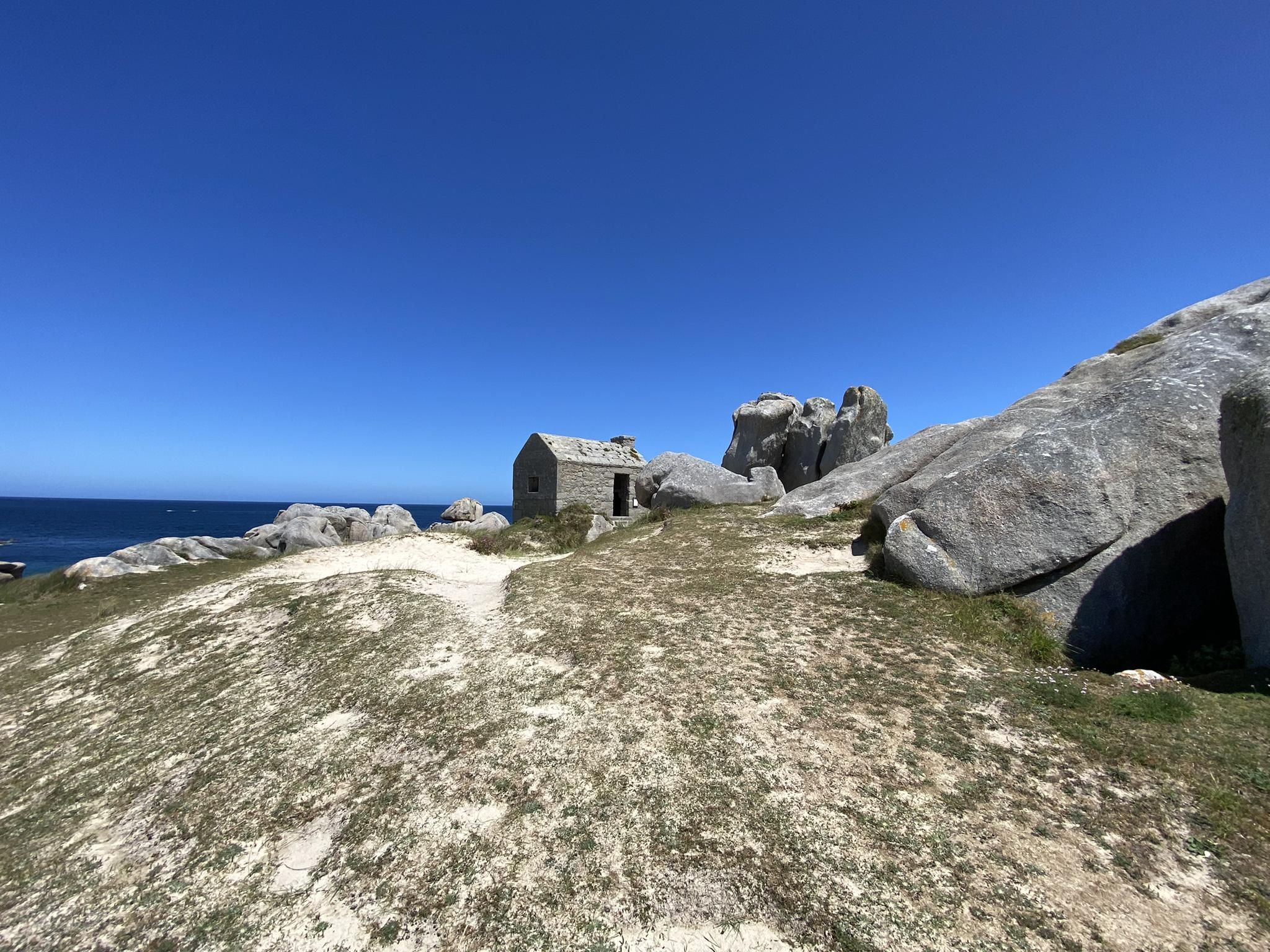
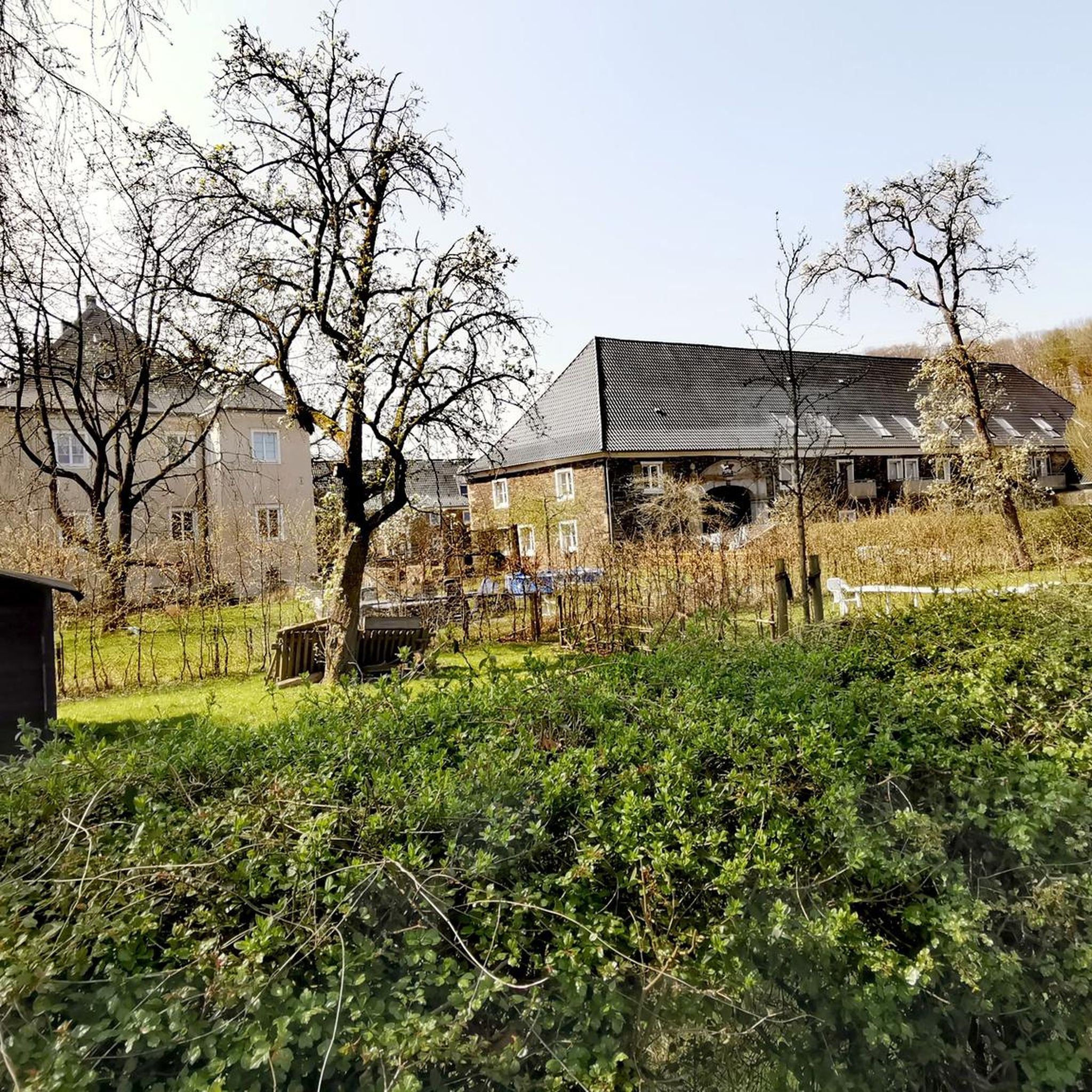

Other adventures around Sibiril

Tips from the Community

Built around 1830, the church features a Leonard-style bell tower with two galleries and a projecting spire (1697-1700), and a kersanton statue of Saint-Ké. https://www.roscoff-tourisme.com/fr/fiche/patrimoine-culturel/eglise-saint-pierre-cleder_TFOPCUBRE029V52PKG2/
0
0
A chapel under the protection of Saint Nicholas, patron saint of sailors, adjoining the hospital building was erected after 1600. In the Gothic style, this small building with its two ogival windows and its west gable adorned with a stone boat was remodeled in the 18th century. In 1661, a priest, Ollivier Henry, was installed there to "instruct and guide the poor, hear their confessions, administer extreme unction, and bury them." Engagements, weddings, and funerals were celebrated there. A few generous donors were allowed to be buried there. During the American Revolutionary War, to guard against any English incursion, the army installed artillery pieces on the coast. These were stored in the chapel "much to the dismay" of the priest, who, reduced to being able to accommodate only a few worshippers for services, also saw a decrease in income from collections. On March 29, 1789, breaking the contract that bound them to Saint-Paul, the heads of the Roscoff families gathered there to draw up their own "book of grievances." https://www.roscoff-tourisme.com/fr/fiche/patrimoine-culturel/chapelle-saint-nicolas-roscoff_TFOPCUBRE029V52PKN5/
0
0


The church in Roscoff has a distinct architecture, and is beautiful and tranquil inside. Why not spend a few minutes of calmness there, and give thanks before carrying on your bike ride.
0
0
Velodysee route - turn left as you leave Roscoff ferry port access road. However if time allows, turn right and go into Roscoff town itself. Even 15 - 20 mins cycling around will be a rewarding experience.
0
0

Built on the remains of a Romanesque cathedral from the 11th century, the Gothic cathedral of Saint-Paul-Aurélien, a minor basilica known as the Annunciation, has a remarkable nave from the 12th century in Caen limestone, a complex almost unique in Brittany, and a choir in granite from the 15th century.
0
0
Raising its spire almost 80 metres high, the Kreisker chapel (14th/15th century) is the tallest bell tower in Brittany and the most beautiful example of openwork bell towers. Its dozens of openings do not provide any wind protection. Its reconstruction after the fire of 1375 is attributed to an English architect. The building was, until the 16th century, a municipal chapel, housing the deliberations of the city council and then, until the Revolution, which brought down the bells, the chapel of both the Grand Seminary and the Collège de Léon. In 1806, the Kreisker was attached again to the Coliège de Léon, which in the 20th century became the Institution Notre-Dame du Kreisker.
0
0
Frequently Asked Questions
How many no-traffic road cycling routes are available around Sibiril?
There are over 20 no-traffic road cycling routes around Sibiril, offering a variety of experiences. These include 11 easy routes and 12 moderate routes, ensuring options for different fitness levels.
What kind of landscapes can I expect on these no-traffic road cycling routes in Sibiril?
The routes around Sibiril offer a diverse mix of landscapes. You'll experience the beautiful and unspoilt coastline, often called the 'Côte des Sables,' with expansive sandy beaches and breathtaking views along coastal paths. Inland, routes may take you through the Guillec Valley, known for its estuary and partly wooded areas, showcasing rich biodiversity and the region's agricultural heritage with fields of artichokes and cauliflower.
Are there any easy, shorter no-traffic road cycling routes suitable for beginners or families?
Yes, Sibiril offers several easy no-traffic routes. For a pleasant ride, consider the Île de Sieck – View of Île de Sieck loop from Île de Sieck, which is just under 20 km. Another accessible option is the Baie du Kernic – Porsmeur Seahorse loop from Plouzévédé, an easy 36.4 km route.
What historical or cultural landmarks can I see along the no-traffic road cycling routes?
Many routes pass by or near significant historical and cultural sites. You might encounter the imposing 14th-century Kérouzéré Castle, Saint-Pierre and lying church, traditional manors, mills, and crucifixes. The picturesque port of Moguériec is also a notable spot. For specific attractions, consider visiting the Roscoff Historic Centre or the Saint Paul Aurélien Cathedral, Saint-Pol-de-Léon.
Are there any natural monuments or unique natural features to discover on these routes?
Absolutely. The region is rich in natural beauty. You can find unique natural monuments like the Menhir of Cam-Luis, the La Roche Tremblante – Roc'h Men Goubars, or the The Serpent's Hole. The Guillec Valley estuary is also a significant natural feature, known for its migratory birds.
What do other cyclists say about the no-traffic road cycling routes in Sibiril?
The no-traffic road cycling routes around Sibiril are highly regarded by the komoot community, with an average rating of 4.4 out of 5 stars from over 100 reviews. Cyclists often praise the quiet roads, the stunning coastal views, and the varied scenery that combines maritime charm with rural tranquility.
Are there any longer, more challenging no-traffic road cycling routes for experienced riders?
Yes, for more experienced riders seeking longer distances, the region offers moderate routes. An example is the Carantec plouescat – Plage de Kerscouarnec loop from Saint-Pol de Léon, which covers over 62 km with a moderate elevation gain, providing a substantial ride through varied terrain.
What is the best season for road cycling in Sibiril to enjoy the no-traffic routes?
While cycling is enjoyable year-round, the best seasons for road cycling in Sibiril are typically spring and autumn. During these times, the weather is generally mild, and the landscapes are vibrant, offering comfortable temperatures for longer rides. Summer can also be pleasant, especially along the coast, but may see more visitors.
Are there circular no-traffic road cycling routes available around Sibiril?
Yes, many of the no-traffic road cycling routes around Sibiril are designed as circular loops, allowing you to start and end at the same point. This is convenient for exploring the region without needing to retrace your steps. Examples include the Saint-Adrien Church, Santec – Carantec plouescat loop from Plougoulm and the Menhir of Poulfouën – Plage de Kerscouarnec loop from Plougoulm.
Can I find cafes or places to stop for refreshments along the no-traffic road cycling routes?
Given Sibiril's charming coastal and rural setting, many routes pass through or near small towns and villages where you can find local cafes, bakeries, or restaurants. The port of Moguériec, for instance, is a picturesque spot where you might find refreshments. Planning your route with komoot allows you to identify potential stops along the way.
What kind of surfaces can I expect on the no-traffic road cycling routes in Sibiril?
The no-traffic road cycling routes in Sibiril primarily feature mostly paved surfaces. This includes quiet country roads, some main roads with low traffic, and dedicated cycleways, ensuring a smooth and enjoyable experience suitable for road bikes. The 'Littoral' bikeway (V5) is a good example of well-maintained cycling infrastructure in the area.
Most popular attractions around Sibiril

Get inspired with the komoot mobile app


Explore more
Browse the best Road cycling routes in other regions.
