The best traffic-free bike rides around Guengat
4.4
(87)
511
riders
32
rides
Gravel biking around Guengat benefits from a network of rural roads, former railway lines, and wooded trails in the Finistère department of Brittany. The region offers diverse landscapes, from rolling countryside to ancient forests, providing varied terrains for cyclists. These paths often wind through woodlands like the Bois du Névet and along disused railway lines, ensuring a tranquil experience. Its location also provides access to the broader Brittany region's wild moorlands and rocky ridges.
Best no traffic gravel bike trails…
Last updated: August 28, 2026
5.0
(6)
27
riders
28.9km
01:32
220m
220m
Moderate gravel ride. Good fitness required. Mostly paved surfaces. Suitable for all skill levels.
4.0
(1)
9
riders
54.4km
03:38
550m
550m
Hard gravel ride. Very good fitness required. Mostly paved surfaces. Suitable for all skill levels.

Sign up for free
3.0
(1)
11
riders
39.7km
02:44
410m
410m
Moderate gravel ride. Good fitness required. Mostly paved surfaces. Suitable for all skill levels.
12
riders
45.1km
02:27
430m
430m
Moderate gravel ride. Good fitness required. Mostly paved surfaces. Suitable for all skill levels.
5.0
(1)
18
riders
33.5km
02:05
450m
450m
Moderate gravel ride. Good fitness required. Mostly paved surfaces. Suitable for all skill levels.
Get access to more routes and recommendations from other explorers.
Sign up for free
Already have an account?
Our route recommendations are based on thousands of hikes, rides, and runs completed by other people on komoot.
Start today with a free account
Your next adventure awaits.
Login or Signup
Popular around Guengat
Tips from the Community

The mill of Saint-Alouarn belonged for a long time to the manor of the same name. The mill was built in the last quarter of the 16th century as a single-story building made of dressed stones. The mill was powered by an upstream reservoir, which was channeled to drive the wheel.
1
0

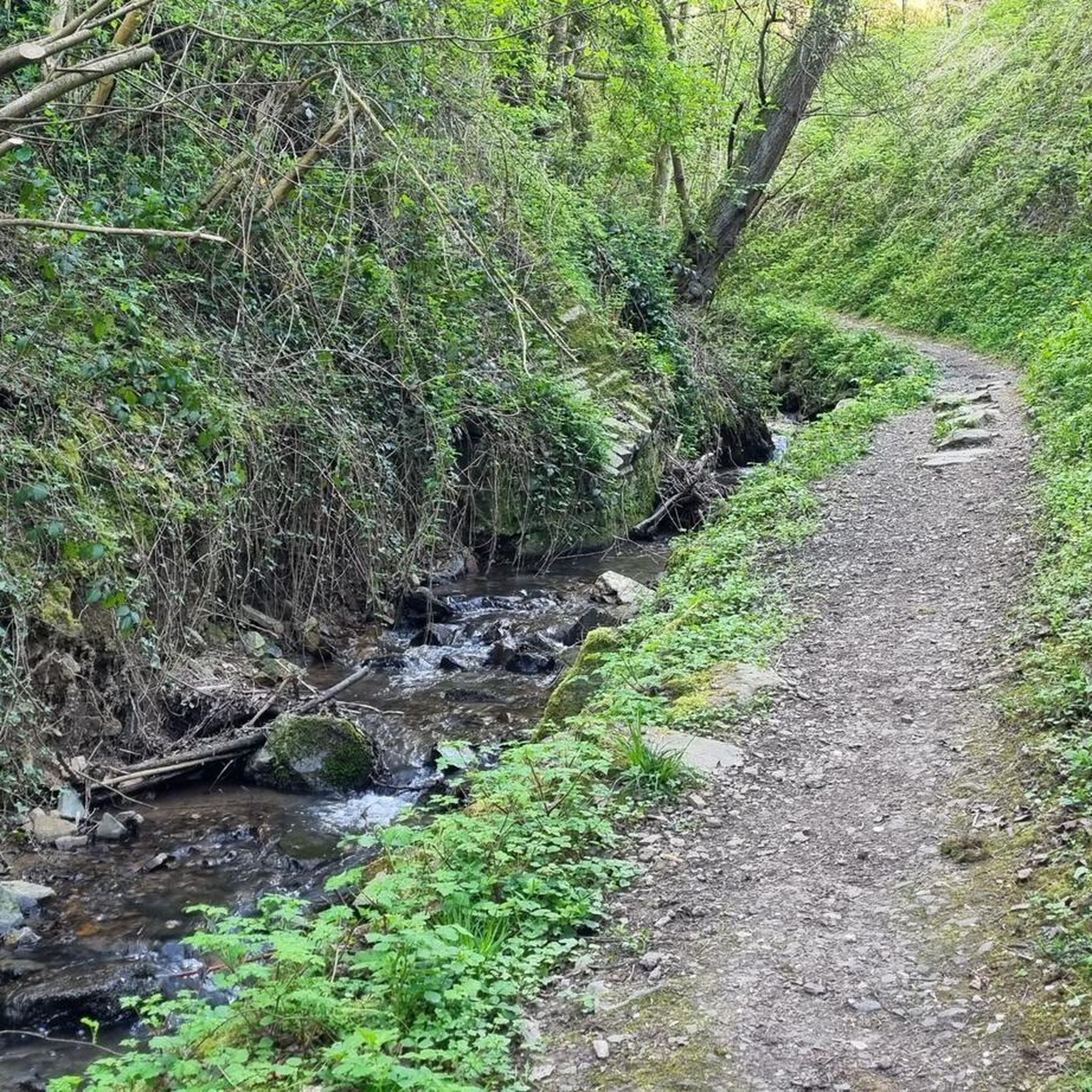
Bad condition, little gravel, more stones, you (and your bike) get shaken up quite a bit. Shady though.
0
0

Nice shady path.
1
0


Frequently Asked Questions
How many no-traffic gravel bike trails are available around Guengat?
There are over 30 dedicated no-traffic gravel bike trails around Guengat, offering a wide range of experiences from easy rides to more challenging adventures. These routes leverage the region's extensive network of rural roads, former railway lines, and wooded trails, ensuring a peaceful cycling experience away from vehicular traffic.
Are there any beginner-friendly no-traffic gravel routes in the Guengat area?
Yes, Guengat offers several routes suitable for beginners, often utilizing converted old railway lines (Voie Verte) which provide relatively flat and accessible paths. An excellent option is the Voie Verte – Vine Table Line Rail Trail loop from Quimper, which offers a moderate but manageable distance on a dedicated path, perfect for those new to gravel biking.
What kind of landscapes can I expect on no-traffic gravel bike trails near Guengat?
The no-traffic gravel bike trails around Guengat traverse a diverse range of landscapes characteristic of Finistère, Brittany. You'll encounter rolling countryside, peaceful wooded trails like those in the Bois du Névet, and sections along disused railway lines. While Guengat is inland, its proximity means you can also find routes leading towards the dramatic coastlines of the Crozon Peninsula or the Baie de Douarnenez, offering varied terrain from wild moorlands to scenic coastal paths.
What are some interesting places to explore or landmarks to see along these routes?
Many no-traffic gravel routes around Guengat pass by charming villages and historical sites. You can cycle through or near Locronan, classified as one of France's most beautiful villages, or visit the historic city of Quimper, home to the impressive Saint-Corentin Cathedral. The Locronan – Vine Table Line Rail Trail loop from Quimper is a great example of a route combining natural beauty with cultural stops.
Are there any circular no-traffic gravel bike routes available?
Yes, many of the no-traffic gravel bike trails around Guengat are designed as circular routes, allowing you to start and end at the same point. Examples include the Quimper – Saint-Corentin Cathedral loop from Quimper or the Moulin de Rossulien – Pérennou Roman Baths loop from Quimper, which offer convenient round trips through varied scenery.
What is the best time of year for gravel biking in Guengat?
The best time for gravel biking in Guengat is generally from spring through autumn (April to October). During these months, the weather is typically mild and pleasant, with less rainfall, making for ideal riding conditions. The natural landscapes, from woodlands to coastal areas, are particularly vibrant and inviting during this period.
Can I bring my dog on the no-traffic gravel bike trails?
Many rural roads and forest trails around Guengat are suitable for cycling with dogs, provided they are well-behaved and kept under control, especially when passing through agricultural areas or near wildlife. Always check local regulations for specific trails, particularly within protected natural areas like the Regional Natural Park of Armorica, and ensure your dog is comfortable with the distance and terrain.
Where can I find parking for these gravel bike trails?
Parking is generally available in or near the starting points of many routes, especially in towns like Quimper or Locronan, which serve as common access points. For routes starting in smaller villages or rural areas, look for designated parking spots or public car parks. It's always advisable to check the route details on komoot for specific parking recommendations.
What do other gravel bikers enjoy most about the no-traffic trails in Guengat?
The no-traffic gravel bike trails in Guengat are highly rated by the komoot community, with an average score of 4.4 stars. Reviewers often praise the tranquility and natural beauty of the routes, the variety of terrain from wooded paths to quiet country lanes, and the opportunity to discover charming Breton villages and historical sites away from busy roads. The sense of immersion in unspoiled nature is frequently highlighted.
Are there any challenging or advanced no-traffic gravel cycling paths near Guengat?
Yes, for experienced gravel bikers seeking a challenge, the region offers routes with more significant elevation changes and varied technical sections. While the guide focuses on no-traffic routes, some trails might include steeper climbs or rougher surfaces, especially as you venture towards areas like Menez-Hom or the more rugged parts of the Crozon Peninsula. The The Grand Bridge of Douarnenez – Jean-Marin footbridge loop from Kerlaz, for instance, offers a moderate challenge with notable elevation gain.
Most popular attractions around Guengat

Get inspired with the komoot mobile app


Explore more
Browse the best Gravel rides in other regions.
