The best traffic-free bike rides around Plonéis
4.5
(48)
360
riders
27
rides
No traffic gravel bike trails around Plonéis traverse a varied and hilly topography, offering a dynamic environment for cyclists. The region features numerous sunken paths and extensive wooded areas, providing unpaved surfaces ideal for gravel biking away from asphalt roads. This omnipresent natural landscape includes countryside circuits and wooded zones, ensuring diverse scenery for every ride. The terrain provides a mix of ascents and descents, suitable for various fitness levels.
Best no traffic gravel bike trails around Plonéis
- The most popular no traffic gravel bike trail is Quimper – Saint-Corentin Cathedral loop from Quimper, a 14.7 miles (23.6 km) trail that takes 1 hour 38 minutes to complete. This route offers a moderate challenge with varied terrain.
- Another top favourite among local gravel bikers is Voie Verte – Vine Table Line Rail Trail loop from Quimper, a moderate 21.1 miles (34.0 km) path. This trail follows a former rail line, providing a smooth surface through scenic countryside.
- Local gravel bikers also love the Moulin de Rossulien – Pérennou Roman Baths loop from Quimper, a 25.9 miles (41.7 km) trail leading through wooded areas and past historical sites, often completed in about 2 hours 53 minutes.
- Gravel biking around Plonéis is defined by varied and hilly terrain, sunken paths, and extensive wooded areas. The network offers options for different ability levels, from moderate to more difficult rides.
- The routes in Plonéis are highly rated by the komoot community with an average score of 4.5 stars from over 50 reviews. More than 300 gravel bikers have used komoot to explore Plonéis's varied terrain.
Last updated: July 4, 2026
4.3
(3)
21
riders
24.4km
01:37
230m
230m
Moderate gravel ride. Good fitness required. Mostly paved surfaces. Suitable for all skill levels.
5.0
(6)
27
riders
28.9km
01:32
220m
220m
Moderate gravel ride. Good fitness required. Mostly paved surfaces. Suitable for all skill levels.

Sign up for free
3.0
(1)
11
riders
39.7km
02:44
410m
410m
Moderate gravel ride. Good fitness required. Mostly paved surfaces. Suitable for all skill levels.
12
riders
45.1km
02:27
430m
430m
Moderate gravel ride. Good fitness required. Mostly paved surfaces. Suitable for all skill levels.
5.0
(1)
18
riders
33.5km
02:05
450m
450m
Moderate gravel ride. Good fitness required. Mostly paved surfaces. Suitable for all skill levels.
Get access to more routes and recommendations from other explorers.
Sign up for free
Already have an account?
Our route recommendations are based on thousands of hikes, rides, and runs completed by other people on komoot.
Start today with a free account
Your next adventure awaits.
Login or Signup
Popular around Plonéis
Tips from the Community

The mill of Saint-Alouarn belonged for a long time to the manor of the same name. The mill was built in the last quarter of the 16th century as a single-story building made of dressed stones. The mill was powered by an upstream reservoir, which was channeled to drive the wheel.
0
0

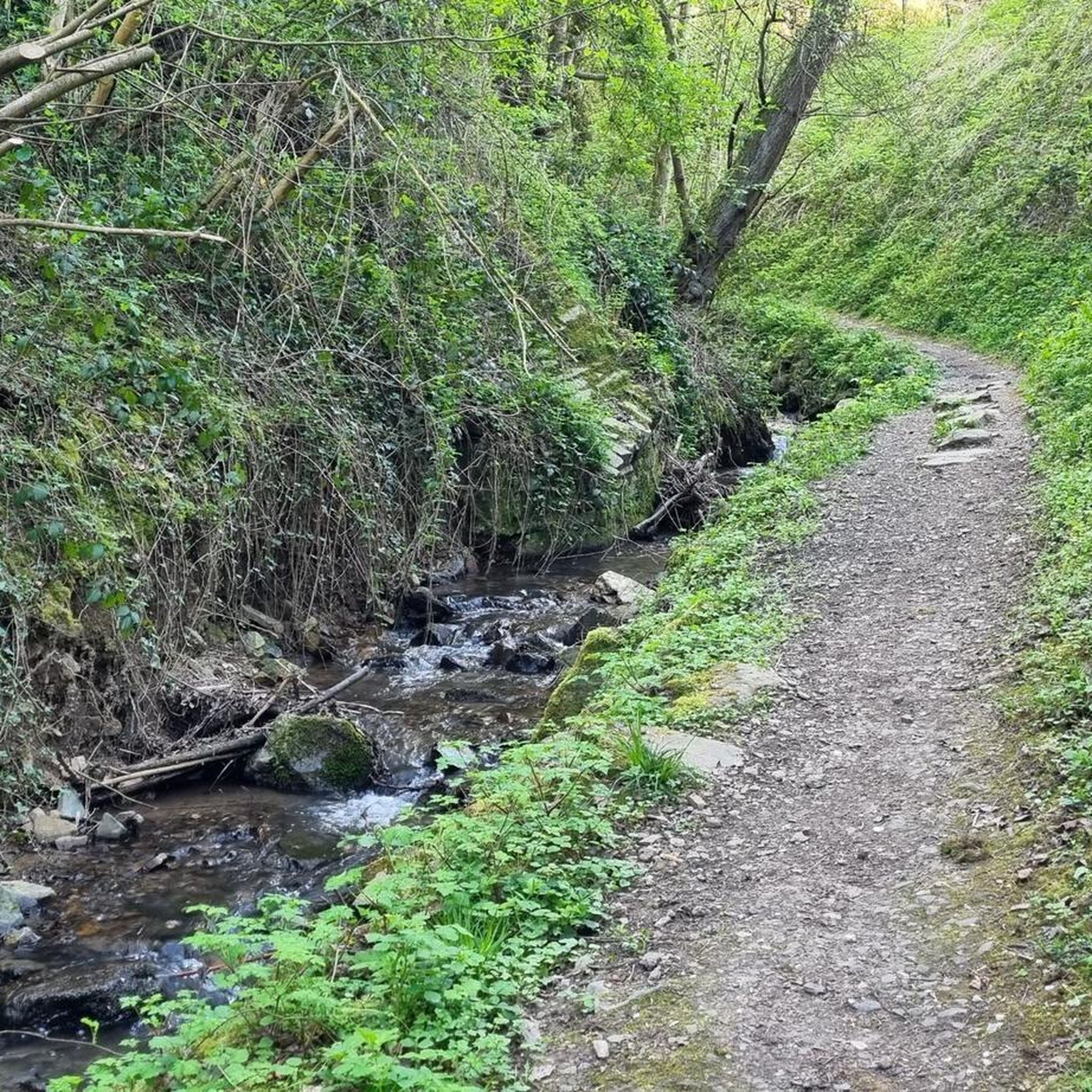
Bad condition, little gravel, more stones, you (and your bike) get shaken up quite a bit. Shady though.
0
0

In 1239, Bishop Raynaud commissioned the construction of Saint-Corentin Cathedral. It was built on the foundations of a Romanesque cathedral. Construction lasted three centuries. In 1410, the choir vaults were completed and the windows were installed. In 1424, construction began on the nave and the two towers of the facade. The reconstruction was completed in 1515. The two towers were finally finished between 1854 and 1856. A distinctive feature is its kink in the main axis. The reason for this design element is unclear. Several theories exist. One suggests that it emphasizes the crucifix. Another posits that it is due to the stability of the foundation. Yet another suggests that the kink reflects the inclined head of the crucified Jesus. Following the completion of renovations in December 1999, the cathedral can now be admired as it was decorated at the end of the 15th century. The same colors as in the original, i.e., ochre yellow and ochre red, were used in lime plaster on the rib vaults. Numerous chapels are situated around the chancel, dating from various periods between the 13th and 16th centuries. Excerpts from https://de.wikipedia.org/wiki/Kathedrale_Saint-Corentin
3
0
The theater garden is also worth seeing. It was created immediately after the theater was built and is shielded to the south by a historic gymnasium facing Rue Jean Jauré. You can also learn more about the theater here: https://fr.wikipedia.org/wiki/Th%C3%A9%C3%A2tre_Max-Jacob
3
1

Saint-Corentin Cathedral - Quimper Saint-Corentin Cathedral was built on the foundations of a Romanesque church in Quimper, the capital of Cornouaille in Brittany. It is one of the three oldest Gothic cathedrals in Brittany, along with the cathedrals of Saint-Pol-de-Léon and Tréguier. Saint-Corentin Cathedral in Quimper is a historic building.
1
0


Not exactly a highlight for road cyclists. But still a beautiful building.
1
0

Frequently Asked Questions
How many no-traffic gravel bike trails are available around Plonéis?
There are over 25 dedicated no-traffic gravel bike trails around Plonéis listed in this guide. These routes offer a variety of experiences, from moderate to difficult, ensuring there's something for every gravel cyclist looking to avoid cars.
What kind of terrain can I expect on gravel bike trails in Plonéis?
Plonéis is known for its varied and hilly topography, making it ideal for gravel biking. You'll encounter a mix of ascents and descents, often on picturesque sunken paths and through extensive wooded areas. The natural heritage and countryside circuits provide diverse unpaved surfaces perfect for gravel bikes, offering a dynamic and engaging ride.
Are there any beginner-friendly no-traffic gravel bike routes in Plonéis?
While many routes are moderate, there is at least one easy route available. For a good starting point, consider exploring the less challenging sections of the local countryside circuits. These often feature smoother gravel and gentler inclines, perfect for those new to gravel biking or looking for a relaxed ride.
Can I find challenging gravel bike routes without traffic in Plonéis?
Absolutely. Plonéis's hilly terrain lends itself to more demanding rides. This guide features 9 difficult routes that will test your endurance and climbing skills, all while keeping you away from traffic. These routes often delve deeper into the varied landscapes and offer significant elevation gains.
Are there any scenic viewpoints or historical sites along these routes?
Yes, many routes offer splendid viewpoints and pass by historical sites. You can explore the area's rich heritage, including the 17th-century Saint Gilles church or the Chapel of Notre Dame de la Boissière. For a route that combines natural beauty with historical interest, consider the Locronan – Vine Table Line Rail Trail loop from Quimper, which passes near the charming town of Locronan.
Are there circular gravel bike routes available around Plonéis?
Yes, many of the no-traffic gravel bike routes around Plonéis are designed as circular loops, allowing you to start and end at the same point. For example, the Quimper – Saint-Corentin Cathedral loop from Quimper offers a great circular option, taking you through varied landscapes and past notable landmarks like Saint-Corentin Cathedral.
What is the best time of year to go gravel biking in Plonéis?
The varied landscape of Plonéis is enjoyable year-round, but spring and autumn often offer the most pleasant conditions for gravel biking. The weather is typically milder, and the natural scenery, from blooming wildflowers to vibrant fall foliage, is particularly beautiful. Summer can also be great, especially in the wooded areas providing shade.
How can I access the no-traffic gravel bike trails in Plonéis by public transport?
While Plonéis itself is a smaller commune, many routes are accessible from nearby larger towns like Quimper, which has better public transport links. From Quimper, you can often connect to the start of various trails. It's advisable to check local bus schedules for routes connecting Quimper to Plonéis or specific trailheads.
Where can I park my car to access these traffic-free gravel trails?
Parking is generally available in and around the commune of Plonéis, particularly near village centers or designated trail access points. For routes starting further afield, such as those originating from Quimper, you'll find public parking facilities in the city. Always check local signage for parking regulations.
What do other cyclists say about gravel biking in Plonéis?
The komoot community highly rates the gravel biking experience in Plonéis, with an average score of 4.5 stars. Reviewers often praise the quiet, traffic-free nature of the routes, the beautiful wooded areas, and the engaging, varied terrain that makes for an exciting ride away from urban hustle.
Are there any family-friendly no-traffic gravel bike options?
Yes, some of the easier and shorter routes, particularly those on well-maintained sunken paths or dedicated greenways, can be suitable for families. Look for routes with minimal elevation gain and smooth surfaces. The extensive wooded areas provide a safe and enjoyable environment for family outings.
Can I find routes that include cafe stops or places to rest?
Many routes pass through or near small villages and towns where you can find local cafes, bakeries, or restaurants for a refreshing stop. For example, routes like the Moulin de Rossulien – Pérennou Roman Baths loop from Quimper offer opportunities to pause and explore amenities in nearby settlements.
What are some longer, more adventurous no-traffic gravel rides in the area?
For those seeking a longer adventure, the region offers routes that extend further into Finistère. The Vine Table Line Rail Trail – Quimper loop from Gourlizon is a challenging, longer option, covering over 78 km with significant elevation, perfect for experienced gravel bikers looking for an extensive traffic-free journey.
Most popular attractions around Plonéis

Get inspired with the komoot mobile app


Explore more
Browse the best Gravel rides in other regions.
