The best traffic-free bike rides around Montreuil-Bellay
5.0
(18)
172
riders
19
rides
No traffic gravel bike trails around Montreuil-Bellay traverse a landscape characterized by the Thouet River valley, extensive Saumur Champigny vineyards, and rolling hills. The region, part of the Loire-Anjou-Touraine Regional Natural Park, features diverse terrain including quiet country lanes and unique "Falun" tracks made from compact white limestone. This environment offers varied surfaces for gravel biking, from riverside paths to vineyard trails.
Best no traffic gravel bike trails around Montreuil-Bellay
- The most popular no traffic gravel bike trail is Loire…
Last updated: May 23, 2026
5.0
(2)
11
riders
47.7km
03:03
330m
330m
Moderate gravel ride. Good fitness required. Mostly paved surfaces. Suitable for all skill levels.
5.0
(1)
9
riders
94.6km
05:27
260m
260m
Hard gravel ride. Very good fitness required. Mostly paved surfaces. Suitable for all skill levels.

Sign up for free
5.0
(1)
3
riders
26.4km
01:48
230m
230m
Moderate gravel ride. Good fitness required. Mostly paved surfaces. Suitable for all skill levels.
5.0
(3)
39
riders
36.9km
02:12
260m
260m
Moderate gravel ride. Good fitness required. Mostly paved surfaces. Suitable for all skill levels.
6
riders
Hard gravel ride. Very good fitness required. Mostly paved surfaces. Suitable for all skill levels.
Get access to more routes and recommendations from other explorers.
Sign up for free
Already have an account?
Our route recommendations are based on thousands of hikes, rides, and runs completed by other people on komoot.
Start today with a free account
Your next adventure awaits.
Login or Signup
Popular around Montreuil-Bellay
Tips from the Community

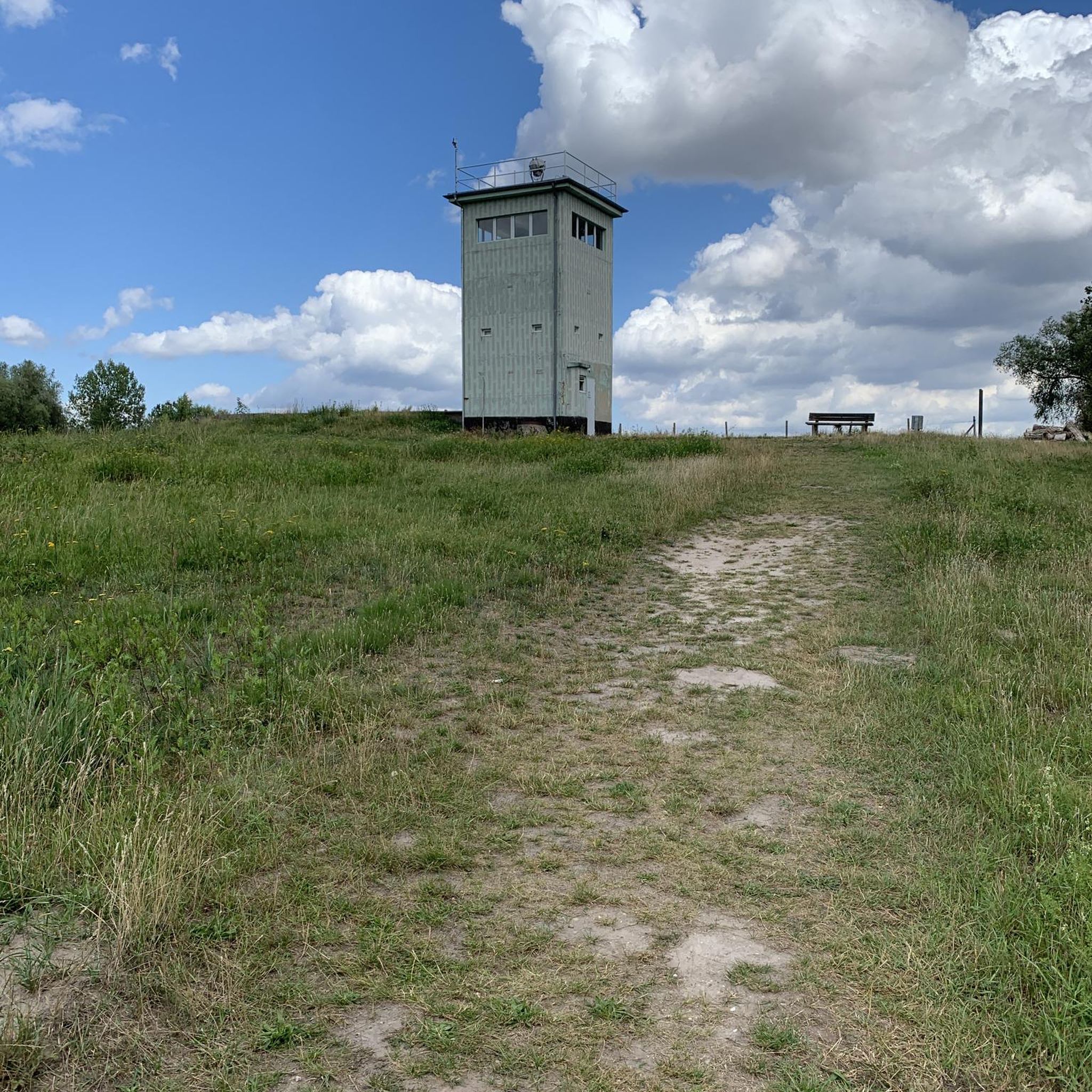
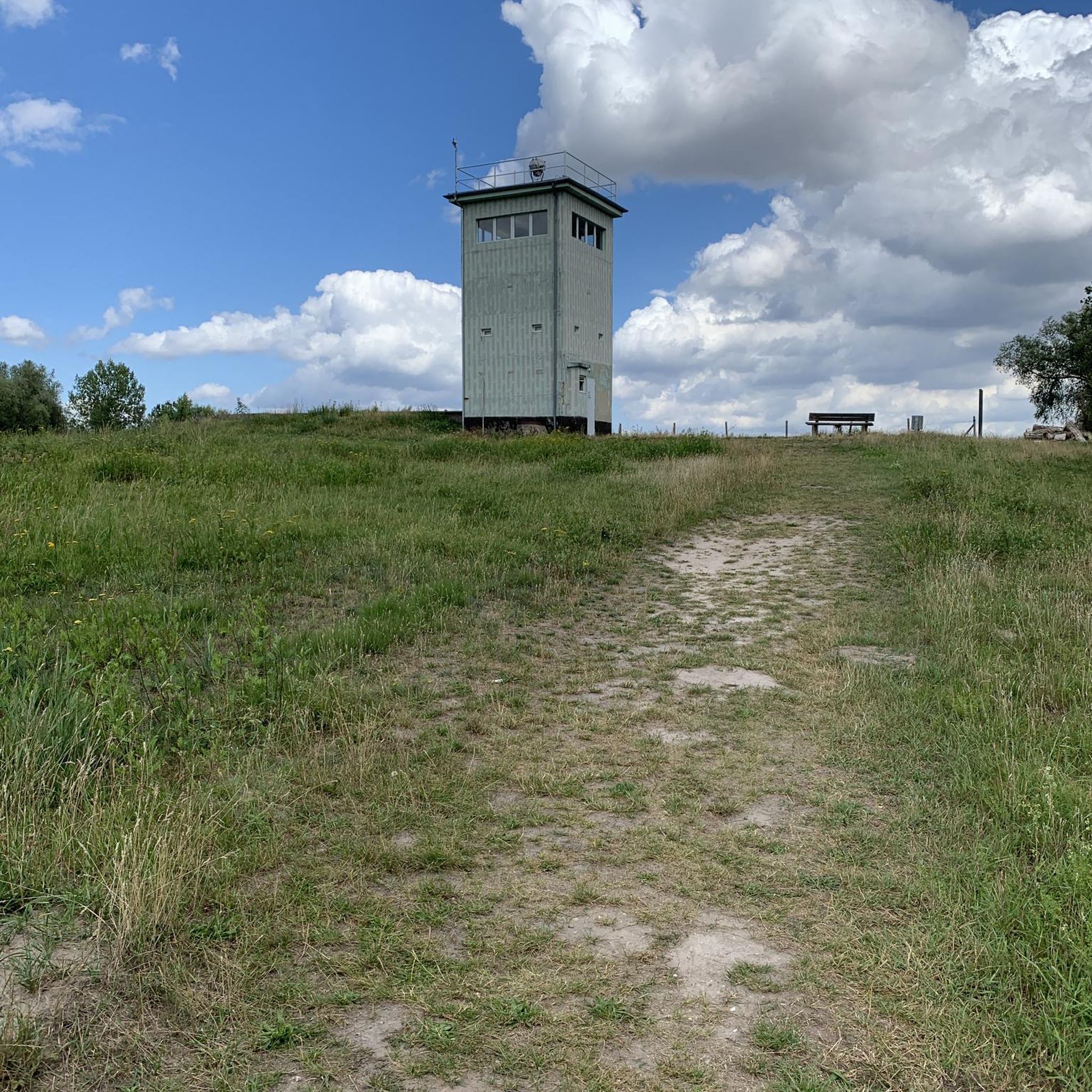
The sights are good but the terrain is not especially after high winds and heavy rain. Some people might find it tricky to navigate.
0
0

For those who want to discover some art objects.
0
0


The Royal Abbey of Fontevraud is one of the largest monastic communities in Europe dating back to the Middle Ages. It is a place with a rich history, located in the heart of the Loire Valley and listed as a UNESCO World Heritage Site. The abbey is a unique cultural site! An abbey with a royal destination, a formidable prison is today a place of creation (museum of modern art).
3
0
Fontevraud-l'Abbaye is located in the natural region of the Loire Valley, listed as a "living cultural landscape" by UNESCO. As its name suggests, the history and present of the municipality are closely linked to the Abbey of Notre-Dame, founded in 1099. The abbey presents the originality of being part of a mixed order, but led by abbesses until the Revolution. was the necropolis of the Plantagenet dynasty. The recumbent figures of Richard the Lionheart, Henry II and Eleanor of Aquitaine are still preserved there. The vast abbey complex was transformed by Napoleon I into a penal colony and then into a "central house". This extraordinary prison closed its doors in 1963. While the abbey church and the various monastic sites were rehabilitated, the entire old abbey has since housed a prestigious cultural centre with, among other things, a renowned art museum, welcoming meetings and artists in residence. Art, history and heritage are highlighted throughout the year.
4
0
History: In 1454, while ploughing his field, a farmer discovered in the "ardille" (clay, a word that according to legend gave its name to Notre-Dame-des-Ardilliers) a stone statuette about thirty centimetres high representing a Pietà. The farmer took it home. Twice he discovered that the Pietà returned to its place of discovery, near a fountain that was already known for its healing properties. From that moment on, devotions developed around this statuette, which was placed in a niche under a stone arch. Jean Olivier, Bishop of Angers, laid the foundations of the Notre-Dame-des-Ardilliers chapel. Bishop Gabriel Bouvery, Bishop of Angers, opened the new church on 30 July 1553. It was a place of pilgrimage. The fountain was said to perform miracles. In 1614, thanks to the support of Marie de Medici, the management of the sanctuary was entrusted to the Order of Oratorians. In 1619, they settled in Ardilliers and founded a royal college in 1624. Louis XIII granted it the status of royal chapel and, from 1628 to 1643, the Oratorians built the buildings to the east of the chapel that would house their community, the classrooms and the students' dormitories. From 1634, Richelieu had a chapel built on the north wall of the chapel for votive and funeral purposes. The chapel was closed during the Revolution. The Oratorian house became a barracks and the rotunda was converted into an ammunition store. In 1796, the Sisters of Sainte-Anne-de-la-Providence opened a hospice there for the expelled. In 1798, the hospice became the property of the city of Saumur. The chapel was put back into use in 1799, but was damaged by damp. From 1849, architect Charles Joly-Leterme began restoring the building. The Sisters of Sainte-Anne-de-la-Providence became the owners of the former Oratorian House in 1866. During the Battle of the Cadets, in June 1940, the bombing destroyed the roof structures of the chapel and the Oratorian House. The vault of the nave collapsed. The buildings were restored between 1947 and 1957. The oak frame of the dome was replaced by a concrete shell to reduce the pressure on the walls. The Oratorian House was converted into a school in 1953. In February 2025, a fire broke out. Source Wikipedia
4
0
History: In 1454, while ploughing his field, a farmer discovered in the "ardille" (clay, a word that according to legend gave its name to Notre-Dame-des-Ardilliers) a stone statuette about thirty centimetres high representing a Pietà. The farmer took it home. Twice he discovered that the Pietà returned to its place of discovery, near a fountain that was already known for its healing properties. From that moment on, devotions developed around this statuette, which was placed in a niche under a stone arch. Jean Olivier, Bishop of Angers, laid the foundations of the Notre-Dame-des-Ardilliers chapel. Bishop Gabriel Bouvery, Bishop of Angers, opened the new church on 30 July 1553. It was a place of pilgrimage. The fountain was said to perform miracles. In 1614, thanks to the support of Marie de Medici, the management of the sanctuary was entrusted to the Order of Oratorians. In 1619, they settled in Ardilliers and founded a royal college in 1624. Louis XIII granted it the status of royal chapel and, from 1628 to 1643, the Oratorians built the buildings to the east of the chapel that would house their community, the classrooms and the students' dormitories. From 1634, Richelieu had a chapel built on the north wall of the chapel for votive and funeral purposes. The chapel was closed during the Revolution. The Oratorian house became a barracks and the rotunda was converted into an ammunition store. In 1796, the Sisters of Sainte-Anne-de-la-Providence opened a hospice for the expelled. In 1798, the hospice became the property of the city of Saumur. The chapel was put back into use in 1799, but was damaged by damp. From 1849, architect Charles Joly-Leterme began restoring the building. The Sisters of Sainte-Anne-de-la-Providence became the owners of the former Oratorian House in 1866. During the Battle of the Cadets, in June 1940, the bombing destroyed the roof structures of the chapel and the Oratorian House. The vault of the nave collapsed. The buildings were restored between 1947 and 1957. The oak frame of the dome was replaced by a concrete shell to reduce the pressure on the walls. The Oratorian House was converted into a school in 1953. A fire broke out in February 2025. Source Wikipedia
4
0
Very nice gravel along the banks of the Loire. Know that you are not alone here. Enjoy together, each at their own pace.
3
0
Frequently Asked Questions
How many no-traffic gravel bike trails are available around Montreuil-Bellay?
There are over 10 dedicated no-traffic gravel bike trails around Montreuil-Bellay, offering a variety of experiences. These routes are carefully selected to provide peaceful rides away from vehicular traffic, allowing you to fully immerse yourself in the region's natural beauty and historical charm.
What kind of terrain can I expect on the gravel bike trails in Montreuil-Bellay?
The terrain around Montreuil-Bellay is diverse, featuring a mix of quiet country lanes, farm tracks, and unique 'Falun' tracks. These Falun tracks are made from compact white limestone, providing a distinctive gravel experience through vineyards, countryside, and forests. They are generally hard and dusty in summer, becoming more technically challenging after rain. You'll find routes ranging from easy riverside rides to more challenging paths through rolling hills.
What are some notable attractions or landmarks I can see along these routes?
Many no-traffic gravel routes in the Montreuil-Bellay area pass by significant historical and natural landmarks. You can explore the impressive Montreuil-Bellay Castle, cycle through the famous Saumur Champigny vineyards, or discover unique troglodyte caves. Routes like the Troglodyte houses – Loire Riverside Gravel Trail loop from Champigny offer glimpses into these fascinating historical features.
Are there any family-friendly no-traffic gravel bike routes?
Yes, the region offers several routes suitable for families, particularly those following the Thouet River. The 'Thouet by bike' section, part of the larger Vélo Francette, provides accessible paths through agricultural areas and vineyards, often on quiet country lanes or dedicated tracks. These routes are generally flatter and offer a relaxed cycling experience for all ages.
What is the best time of year to go gravel biking in Montreuil-Bellay?
Spring and autumn are generally the best times for gravel biking in Montreuil-Bellay, offering pleasant temperatures and beautiful scenery. Summer can also be enjoyable, especially for early morning or late afternoon rides, though the Falun tracks can be quite dusty. After rain, some tracks might become more challenging, adding an element of adventure for experienced riders.
Can I find circular gravel bike routes that avoid traffic?
Absolutely. Many of the no-traffic gravel routes around Montreuil-Bellay are designed as loops, allowing you to start and end at the same point without retracing your steps. For example, the Loire Riverside Gravel Trail – Saumur Castle loop from Varrains offers a scenic circular journey, and the Saumur AOC Vineyard Crossing – Duch die Weinfelder loop from Le Coudray-Macouard takes you through picturesque vineyards.
What do other gravel bikers say about the trails in Montreuil-Bellay?
The komoot community highly rates the gravel biking experience in Montreuil-Bellay, with an average score of 4.96 stars. Reviewers often praise the tranquility of the routes, the stunning vineyard landscapes, and the rich historical sites encountered along the way. The unique Falun tracks are frequently highlighted as a distinctive and enjoyable feature.
Are there options for longer, more challenging no-traffic gravel rides?
Yes, while many routes are moderate, there are options for longer and more challenging rides. For instance, the View of Château de Chinon – Château de Chinon loop from Varrains is a more difficult route, covering a significant distance and offering a rewarding challenge for experienced gravel bikers looking for an extensive, traffic-free adventure.
Where can I park my car to access these no-traffic gravel trails?
Montreuil-Bellay and surrounding villages offer various parking options. Many routes start from towns like Varrains or Champigny, where you can typically find public parking areas. It's advisable to check the specific starting point of your chosen route for the most convenient parking facilities.
Are dogs allowed on the no-traffic gravel bike trails?
Generally, dogs are permitted on most public paths and trails in the Montreuil-Bellay region, especially on rural farm tracks and quiet country lanes, provided they are kept under control, preferably on a leash. However, it's always best to check local regulations or specific signage, particularly when passing through private vineyards or protected natural areas within the Loire-Anjou-Touraine Regional Natural Park.
What amenities can I find along the gravel routes, such as cafes or accommodation?
The routes often pass through charming villages and towns where you can find local cafes, bakeries, and restaurants to refuel. Montreuil-Bellay itself, as a 'Petite Cité de Caractère,' offers various amenities. For accommodation, you'll find guesthouses and hotels in Montreuil-Bellay and nearby Saumur, many of which are cyclist-friendly. Exploring the vineyards might also lead you to local winemakers offering tastings.
Most popular routes around Montreuil-Bellay
Most popular attractions around Montreuil-Bellay

Get inspired with the komoot mobile app


Explore more
Browse the best Gravel rides in other regions.
