The best traffic-free bike rides around Metz-Le-Comte
4.6
(180)
2,970
riders
38
rides
No traffic touring cycling routes around Metz-Le-Comte are situated in the Nièvre department of central France, offering a diverse landscape for cyclists. The area features a plateau at 230 meters, with a prominent hill rising to 300 meters, providing views over the Morvan Regional Natural Park. The surrounding countryside is characterized by small fields and the Yonne valley, with the notable Canal du Nivernais offering flat, dedicated cycling paths. This region provides a mix of gentle gradients along waterways and some elevation changes on routes extending into the broader countryside.
Best no traffic touring cycling routes around Metz-Le-Comte
- The most popular no traffic touring cycling route is Canal du Nivernais – Canal de Nivernais Towpath loop from Flez Cuzy Tannay, a 44.0 miles (70.8 km) trail that takes 4 hours 8 minutes to complete. This route follows the Canal du Nivernais towpath, offering a flat and scenic ride.
- Another top favourite among local touring cyclists is Canal du Nivernais – Historic centre of Clamecy loop from Flez Cuzy Tannay, a moderate 24.3 miles (39.1 km) path. This route combines canal-side cycling with exploration of the historic center of Clamecy.
- Local touring cyclists also love the Canal du Nivernais – Manual Drawbridge loop from Flez Cuzy Tannay, a 17.9 miles (28.8 km) trail leading through the Canal du Nivernais landscape, often completed in about 1 hour 40 minutes.
- Touring cycling around Metz-Le-Comte is defined by the Canal du Nivernais, views over the Morvan Regional Natural Park, and unspoiled countryside. The network offers options for easy, moderate, and difficult routes, catering to different ability levels.
- The routes in Metz-Le-Comte are highly rated by the komoot community with an average score of 4.6 stars from over 100 reviews. More than 2,700 touring cyclists have used komoot to explore Metz-Le-Comte's varied terrain.
Last updated: July 4, 2026
4.9
(13)
1,761
riders
Moderate bike ride. Good fitness required. Mostly paved surfaces. Suitable for all skill levels.
4.4
(9)
59
riders
28.8km
01:40
80m
80m
Easy bike ride. Great for any fitness level. Mostly paved surfaces. Suitable for all skill levels.

Sign up for free
5.0
(2)
30
riders
71.9km
04:25
420m
420m
Moderate bike ride. Good fitness required. Mostly paved surfaces. Suitable for all skill levels.
9
riders
67.6km
04:17
680m
680m
Hard bike ride. Very good fitness required. Mostly paved surfaces. Suitable for all skill levels.
7
riders
63.4km
03:58
640m
640m
Hard bike ride. Very good fitness required. Mostly paved surfaces. Suitable for all skill levels.
Get access to more routes and recommendations from other explorers.
Sign up for free
Already have an account?
Our route recommendations are based on thousands of hikes, rides, and runs completed by other people on komoot.
Start today with a free account
Your next adventure awaits.
Login or Signup
Popular around Metz-Le-Comte
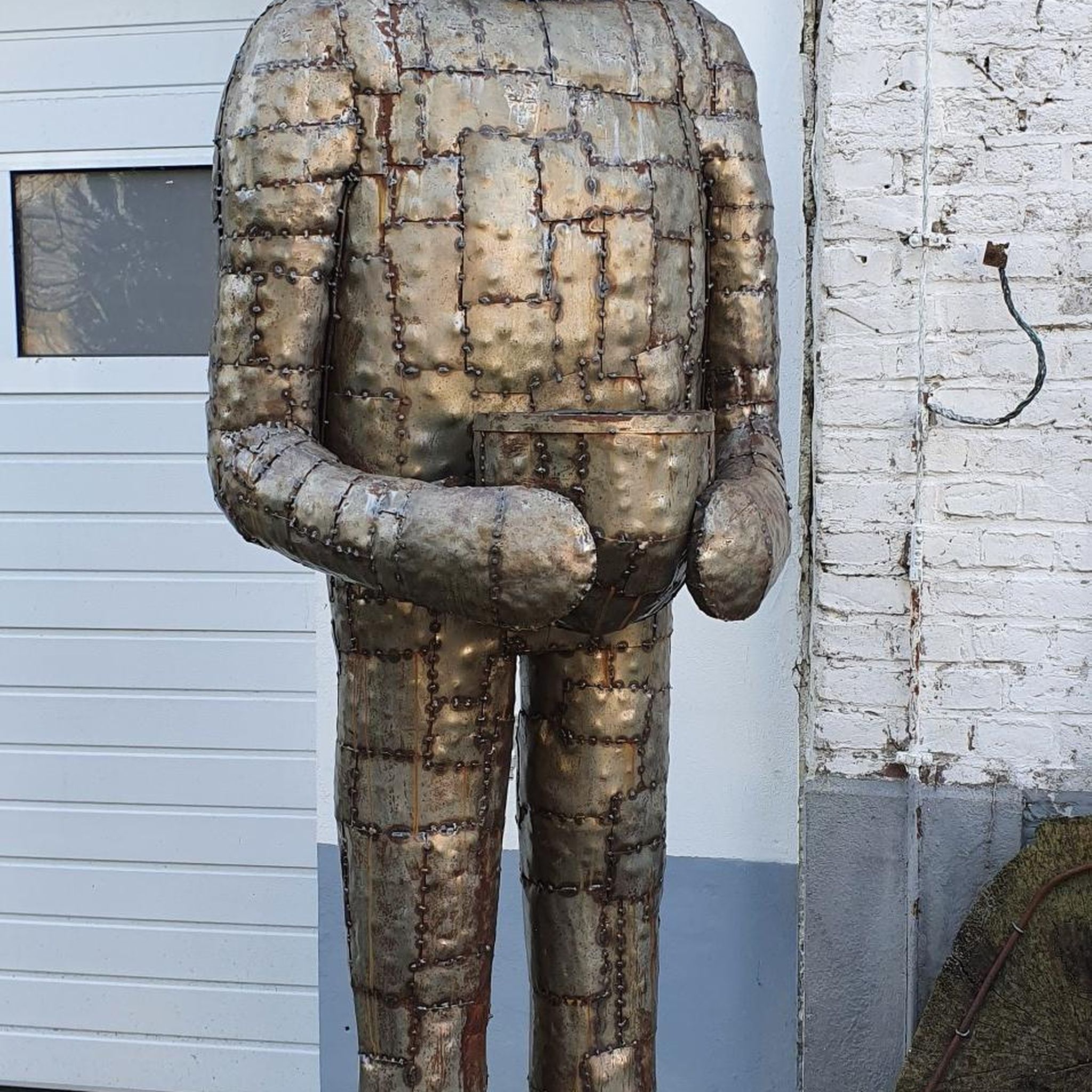
Tips from the Community

The Canal du Nivernais During the harsh winter of 1782-1783, the Morvan forest was no longer sufficient to supply the capital with wood. Wood had to be transported from other forests, particularly from the Bazois. To solve this problem, the construction of a small channel between the Loire and the Yonne was considered. Work began in 1784 with the boring of "La Montagne" at La Collancelle, and in 1786, the construction of a navigable canal was planned. After 56 years of construction, the three tunnels were completed in 1840, and on March 15, 1841, the Nivernais Canal was officially opened. In the first four decades, the canal saw an increase in traffic, as it served as a means of transport for heavy loads such as stone, wood, and coal. With the decline in demand for wood in the capital and the advent of the railway, the decline of navigation on the canal began. In the 1970s, political will and financial support were needed to promote river tourism, ecotourism, and cycling tourism. To this day, the Canal du Nivernais is one of the busiest canals in France, thanks to its gentle cruising.
0
0
The Nivernais Canal During the cold winter of 1782-1783, the Morvan forest was no longer sufficient to supply the capital with wood. It became necessary to transport wood from other forests, those of Bazois. Work was then considered to build a small channel between the Loire and the Yonne. In 1784, construction began with the drilling of "La Montagne" from La Collancelle, and in 1786, the construction of a navigation canal was planned. In 1840, the construction of the three tunnels was completed, then on March 15, 1841, the official commissioning of the Nivernais Canal took place. In the first 40 years, traffic on the canal increased, and it was also used as a means of transport for heavy loads (especially stone, but also wood and coal). With the decline in demand for wood in the capital and the development of the railway, navigation on the canal began to decline. In the 1970s, political will and funding were needed to develop river tourism, ecotourism, and cycle tourism. To this day, the Canal du Nivernais is one of the busiest canals in France due to its philosophy of gentle roaming.
0
0
The Nivernais Canal During the cold winter of 1782-1783, the Morvan forest was no longer sufficient to supply the capital with wood. It became necessary to transport wood from other forests, those of Bazois. Work was then considered to create a small channel between the Loire and the Yonne. In 1784, construction began with the boring of "La Montagne" in La Collancelle, and in 1786, the construction of a navigation canal was planned. In 1840, the construction of the three tunnels was completed, then on March 15, 1841, the official opening of the Nivernais Canal took place. In the first 40 years, traffic on the canal increased, and it was also used as a means of transport for heavy loads (particularly stone, but also wood and coal). With the decline in demand for wood in the capital and the development of the railway, navigation on the canal began to decline. In the 1970s, political will and funding were needed to develop river tourism, ecotourism, and cycle tourism. To this day, the Canal du Nivernais is one of the most frequented canals in France, thanks to its philosophy of gentle roaming.
0
0

There are no two alike! Plus, it's excellent with quality local products Yep & Pèt' https://maps.app.goo.gl/d31KRAa95boizLW16
0
0

The Eternal Hill… the arrival at the Basilica of the Madeleine is paid for by the final hill!
1
0

Very friendly owners. Nice place for a bite and a drink. Name is " Yep and Pet "
1
0

The St-Jacques by bike is a treat. I took it for a few stages and it is as bucolic as you could wish.
0
0

very nice little village with a bakery, a grocery store, a garage with a gas pump.
0
0
Frequently Asked Questions
How many no-traffic touring cycling routes are available around Metz-Le-Comte?
There are over 30 dedicated no-traffic touring cycling routes around Metz-Le-Comte, catering to various skill levels. You'll find 5 easy routes, 18 moderate routes, and 7 more challenging options.
Are there any easy, beginner-friendly no-traffic touring routes in the area?
Yes, several routes are suitable for beginners. For instance, the Canal du Nivernais – Manual Drawbridge loop from Flez Cuzy Tannay is an easy option, covering about 28.7 km. Another great choice is the Canal du Nivernais – Manual Drawbridge loop from Brèves, which is around 27.5 km and also rated easy.
What kind of landscapes can I expect on these no-traffic cycling routes?
The routes around Metz-Le-Comte offer tranquil, unspoiled countryside with small fields and picturesque views. Many follow the serene Canal du Nivernais, providing flat, traffic-free paths. You'll also encounter the 'Mountain' hill, offering superb views over the Morvan Regional Natural Park, and even a small vineyard in the hamlet of Champagne.
Are there any circular no-traffic touring cycling routes?
Yes, many routes are designed as loops. A popular circular option is the Canal du Nivernais – Canal de Nivernais Towpath loop from Flez Cuzy Tannay, which is a moderate 70.7 km ride. Another good choice is the Canal de Nivernais Towpath – Canal du Nivernais loop from Flez Cuzy Tannay, covering approximately 69.5 km.
What historical or cultural attractions can I see along the no-traffic routes?
The region is rich in history. You can cycle past the Historic centre of Clamecy, which is featured on the Canal du Nivernais – Historic centre of Clamecy loop from Flez Cuzy Tannay. Other nearby highlights include the Bazoches Castle and the Pierre-Perthuis Stone Bridge.
What is the best time of year to go touring cycling in Metz-Le-Comte?
The spring and autumn months generally offer the most pleasant conditions for touring cycling in Metz-Le-Comte, with milder temperatures and beautiful scenery. Summer can also be enjoyable, especially along the shaded canal paths, but be prepared for warmer weather.
Is public transport accessible near the no-traffic cycling routes?
While Metz-Le-Comte itself is a smaller commune, the region of Burgundy is well-regarded for cycling tourism, and some larger towns along the Canal du Nivernais may offer public transport connections. It's advisable to check local train or bus schedules for specific access points if you plan to use public transport to reach the starting points of the routes.
What do other touring cyclists enjoy most about the no-traffic routes in Metz-Le-Comte?
The area is highly rated by the komoot community, with an average score of 4.58 stars. Reviewers often praise the peaceful, traffic-free nature of the routes, particularly along the Canal du Nivernais, and the opportunity to discover the breathtaking natural beauty and historical sites of Burgundy.
Are there any specific recommendations for parking when accessing these routes?
Many of the routes along the Canal du Nivernais start from villages like Flez Cuzy Tannay or Brèves. These villages typically offer public parking areas suitable for accessing the canal paths. It's recommended to check specific starting points on your chosen route for the most convenient parking options.
Are there any routes that pass by significant religious buildings or historical sites?
Yes, the region has historical significance, including its position on the Camino de Santiago. While cycling, you might encounter sites like the Notre-Dame Church of Saint-Père or the Cordelle Chapel. The village of Metz-Le-Comte itself has the Our Lady of the Assumption, a listed 12th-century church, which is the remaining chapel of a former castle.
Most popular attractions around Metz-Le-Comte

Get inspired with the komoot mobile app


Explore more
Browse the best Cycling routes in other regions.
