The best traffic-free bike rides around Ternant
4.5
(13)
369
riders
78
rides
No traffic road cycling routes around Ternant are situated within the Morvan Regional Natural Park in Burgundy, France. The region features a diverse landscape of rolling hills, dense forests, and picturesque lakes, providing varied terrain for road cyclists. A network of quiet country roads winds through the natural park, offering a serene cycling environment. The area's low mountain massifs present manageable climbs with rewarding panoramic views.
Best no traffic road cycling routes around Ternant
- The most popular no traffic road…
Last updated: July 4, 2026
4
riders
77.9km
03:23
510m
510m
Explore medieval villages and historic landmarks on this moderate 48.4-mile road cycling loop around Saint-Jean d'Angély.
4.0
(2)
19
riders
Moderate road ride. Good fitness required. Mostly well-paved surfaces and easy to ride.

Sign up for free
3
riders
Moderate road ride. Good fitness required. Some segments of this route may be unpaved and difficult to ride.
7
riders
88.3km
03:32
370m
370m
Moderate road ride. Good fitness required. Mostly well-paved surfaces and easy to ride.
4
riders
Moderate road ride. Good fitness required. Some segments of this route may be unpaved and difficult to ride.
Get access to more routes and recommendations from other explorers.
Sign up for free
Already have an account?
Our route recommendations are based on thousands of hikes, rides, and runs completed by other people on komoot.
Start today with a free account
Your next adventure awaits.
Login or Signup
Popular around Ternant
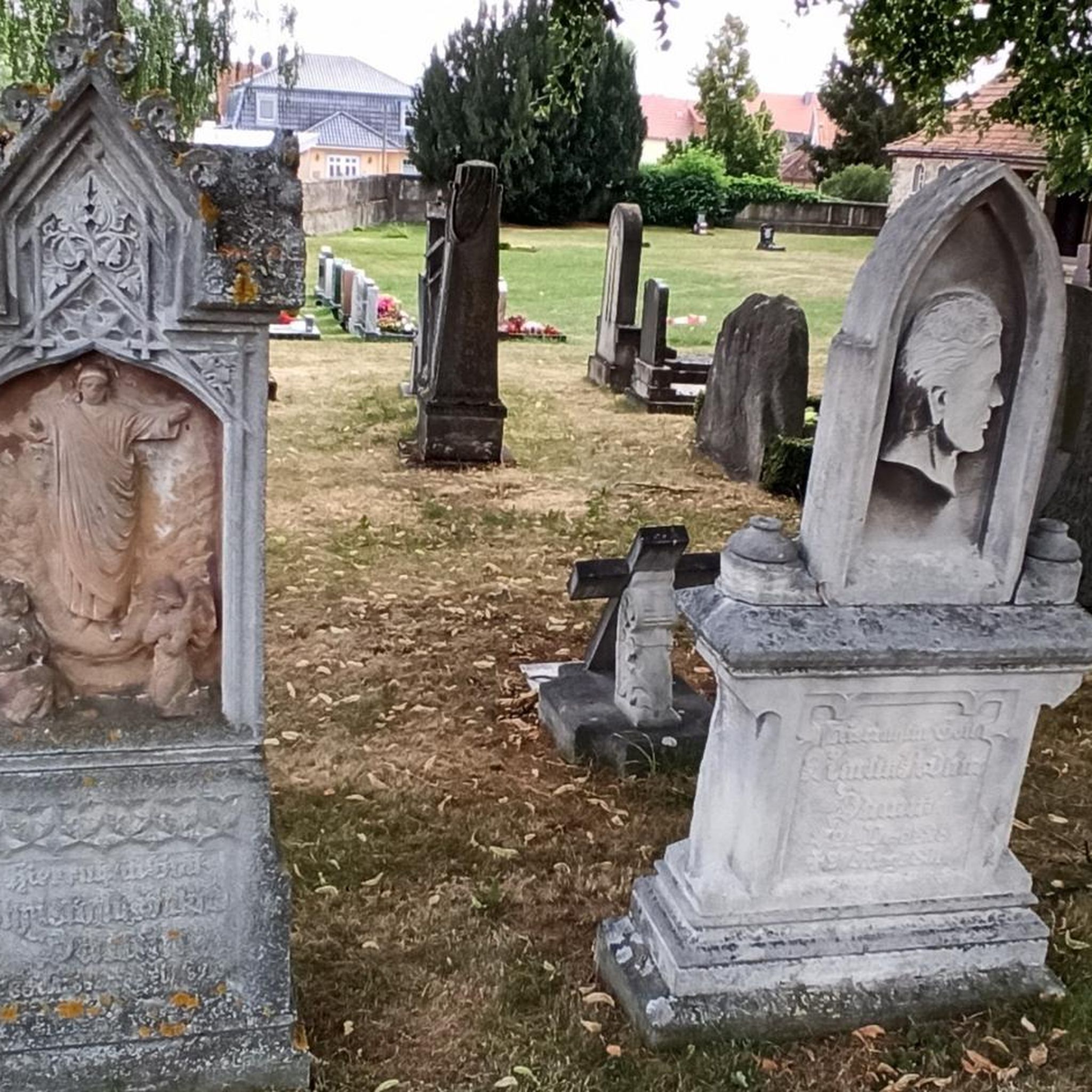
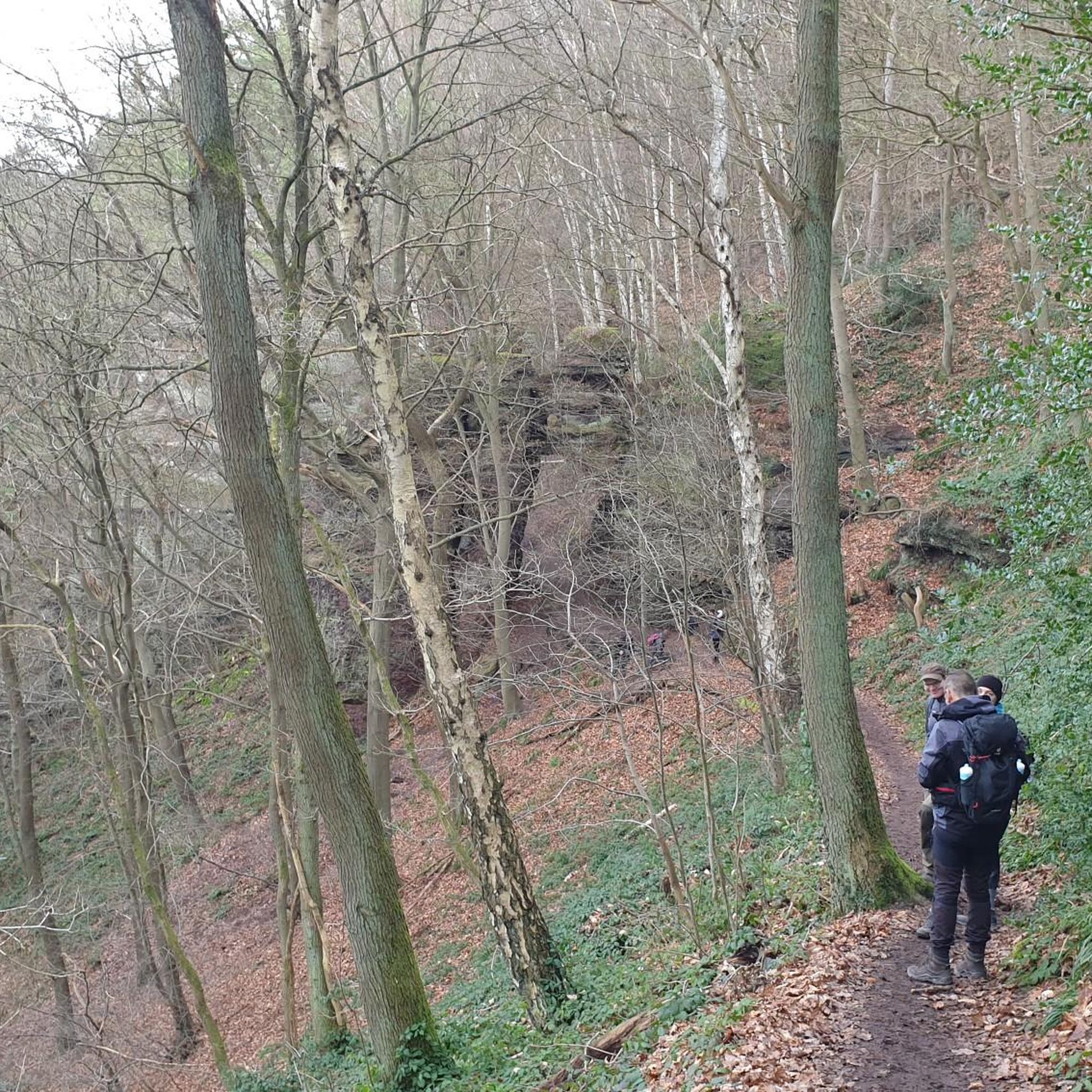
Tips from the Community

It is an absolutely beautiful village.
0
0

Small town with a special charm along the Charente.
0
0

The Abbaye-aux-Dames is built around the church of Sainte-Marie, built in the twelfth century. Famous for its facade and its characteristic "pinecone" bell tower, it is one of the emblematic monuments of Saintonge's Romanesque art. After several wars and fires, the place was restored in the 1970s and 1980s and is now a hotel. When you walk through the long corridors you feel like you have been transported back to the time when the abbey was still alive.
4
0


A former Benedictine abbey created in 1047, Abbaye-aux-Dames was the first women's monastery in Saintonge. These powerful women were nuns, that is to say, nuns living cloistered and having taken a vow of piety, occupying their lives in contemplation. They carried the crosier, in other words the pastoral staff of a bishop, and minted coins. Richly endowed, the abbey carried its influence well beyond the borders of the county and over time it became one of the most powerful women's monasteries in all of South-West France. With up to a hundred nuns at its peak, it was entrusted with the mission of instructing young girls, often from the French nobility, and counted among its most illustrious residents the future Marquise de Montespan, favorite of Louis XIV. The Abbaye-aux-Dames is structured around the Sainte-Marie church, built in the 12th century, famous for its facade and its characteristic “pine cone” bell tower. The premises were restored during the 1970s and 1980s and now house a Cité de la musique in which the Saintes Festival dedicated to classical music takes place each year. You can also stay in a wing of the building, the cells having been converted into hotel rooms, and leave your bike in a secure room.
0
0
Located on a rocky spur overlooking the Charente, Taillebourg has one of the oldest castles in the province of Saintonge. It was also one of the most important in the region in the Middle Ages. This stronghold will allow the city to assert its power and prosper thanks to its port and control of trade throughout the Middle Ages. According to a chronicler, the Château de Taillebourg hosted the wedding night of Louis, future king of France under the name Louis VII, with Duchess Eleanor of Aquitaine. Louis IX (future Saint Louis) made the castle his fortress to launch the attack against the King of England, Henry III. This victorious battle of July 21, 1242 became famous and was represented several centuries later by Delacroix, whose painting can be seen in the Battles gallery at the Palace of Versailles. The castle which had endured all the sieges during the Hundred Years' War and the Wars of Religion was taken and destroyed during the Fronde in 1652. During the Revolution, it was sold in lots as national property. Having suffered from lack of maintenance, the building was the victim of a fire in 1822 and was largely destroyed. All that remains now are the ruins with the ramparts and a tower standing like an emaciated being. It now houses a park which is a haven of peace. To access it from the banks of the Charente, you have to take a small detour through the town.
0
0
The Saint-Savinien church is a Romanesque style building built between the 12th and 13th centuries. The current sanctuary succeeds an ancient priory, cited in a charter of 1039, of which no vestige remains. The adjoining square is pleasantly decorated with statutes representing the apostles.
0
0
Frequently Asked Questions
How many no traffic road cycling routes are available around Ternant?
There are over 60 no traffic road cycling routes around Ternant listed on komoot. These routes offer a variety of experiences, from moderate to more challenging rides, all designed to keep you away from heavy vehicle traffic.
What kind of landscapes can I expect on these no traffic road cycling routes in the Morvan?
The Morvan Regional Natural Park, where Ternant is located, offers a diverse and captivating environment. You can expect to cycle through rolling hills, dense fir forests, and alongside picturesque artificial lakes such as Lac des Settons and Lac de Pannecière. The region is known for its quiet country roads that wind through this 'green lung of Burgundy'.
What is the best time of year for no traffic road biking in Ternant?
The Morvan region is beautiful for cycling from spring through autumn. Spring brings lush greenery and blooming landscapes, while autumn offers stunning foliage. Summer is also excellent, with the dense forests providing welcome shade. The quiet country roads are generally well-maintained, making for pleasant riding conditions during these seasons.
Are there options for both beginner and advanced no traffic road cyclists?
Yes, the routes cater to various skill levels. While most of the 60+ routes are classified as moderate, there are also several easier options for those new to road cycling or looking for a more relaxed ride. For advanced cyclists, the Morvan offers challenging ascents like Haut Folin and Mont Beuvray, and routes with significant elevation gains, such as the 'Tour des deux lacs, Setons & Panneciére' or 'Lac de Panneciere — loop from Glux-en-Glenne' mentioned in the region's cycling itineraries.
Are there any loop road bike trails with no traffic near Ternant?
Yes, the Morvan region is well-suited for loop routes, allowing you to start and finish in the same location. Many routes circle the beautiful lakes, such as the popular Lac des Settons Circuit. You can find several loop options on komoot, including the moderate Saint-Jean-d'Angély and the Banks of the Boutonne Loop, which offers a great no-traffic experience.
What notable landmarks or attractions can I see along these no traffic road cycling routes?
Beyond the natural beauty, you can discover several points of interest. For instance, the Church of Our Lady of the Assumption and the Ruins of the Former Abbey of Saint-Jean-Baptiste are notable historical sites. The region also features charming villages like Fenioux and the unique La Fontanelle Wind Farm. The Morvan also boasts cultural heritage sites like the Bibracte archeological site on Mount Beuvray and the historic town of Vézelay.
Are there dedicated bike paths or greenways in the Morvan region?
Yes, the Morvan and wider Burgundy region offer an extensive network of cycling itineraries that include dedicated paths. You can find sections of 'la Voie Bleue' and 'la Voie Verte' (Greenway), as well as 'l'EuroVélo 6', which provide secure and often flat routes, ideal for traffic-free cycling. These paths often follow rivers and canals, offering a serene riding experience.
Where can I find parking for traffic-free road cycling in Ternant?
Many of the villages and towns within the Morvan Regional Natural Park, including Ternant and nearby starting points for routes, offer public parking facilities. Look for designated parking areas in town centers or near popular trailheads. For specific routes, komoot often provides information on suitable starting points and parking options within the route details.
What do other road cyclists enjoy the most about road cycling in Ternant?
The area is highly rated by the komoot community, with an average score of 4.5 stars. Reviewers often praise the tranquility of the quiet country roads, the diverse and beautiful natural landscapes of the Morvan, and the rewarding panoramic views from the rolling hills. The sense of immersion in nature, away from traffic, is a frequently highlighted aspect.
Are there cafes or pubs along the no traffic road bike routes in Ternant?
While many routes focus on natural immersion, you'll often find opportunities for refreshments in the charming villages and towns scattered throughout the Morvan. Places like Saulieu, Autun, and those around the major lakes (e.g., Lac des Settons) have cafes, restaurants, and local shops where you can refuel. It's always a good idea to check the route details or plan your stops in advance.
Can I access these cycling routes using public transport?
Public transport options in the Morvan Regional Natural Park can be limited, especially for reaching specific, more remote trailheads. While some larger towns might have bus or train connections, bringing a bike on public transport can sometimes be challenging. It's generally recommended to travel by car to a suitable starting point with parking, or to stay in accommodation that offers direct access to cycling routes.
Most popular attractions around Ternant

Get inspired with the komoot mobile app


Explore more
Browse the best Road cycling routes in other regions.
