The best traffic-free bike rides around La Chapelle-Grésignac
4.1
(17)
105
riders
25
rides
No traffic touring cycling routes around La Chapelle-Grésignac offer exploration through the scenic Dordogne department, characterized by rolling hills, winding rivers, and lush forests. The region features a diverse terrain of gentle valleys and moderate climbs, providing varied experiences for cyclists. Limestone cliffs and dedicated "Voies Vertes" (greenways) are prominent natural features, ensuring a tranquil cycling environment. This area is situated within the Périgord-Limousin Regional Natural Park, offering extensive natural beauty.
Best no traffic touring cycling routes around La Chapelle-Grésignac
…Last updated: November 3, 2026
6
riders
16.4km
01:01
180m
180m
Moderate bike ride. Good fitness required. Mostly paved surfaces.
4.0
(1)
3
riders
42.0km
02:48
410m
410m
Moderate bike ride. Good fitness required. Mostly paved surfaces.

3
riders
30.1km
02:01
350m
350m
Moderate bike ride. Good fitness required. Mostly paved surfaces.
4.0
(1)
3
riders
18.9km
01:10
180m
180m
Moderate bike ride. Good fitness required. Mostly paved surfaces.
3
riders
18.2km
01:07
170m
170m
Moderate bike ride. Good fitness required. Mostly paved surfaces.
Get access to more routes and recommendations from other explorers.
Already have an account?
Our route recommendations are based on thousands of hikes, rides, and runs completed by other people on komoot.
Start today with a free account
Your next adventure awaits.
Popular around La Chapelle-Grésignac
Tips from the Community

A charming village and home to the largest underground church in Europe. It is officially listed as "one of the most beautiful villages in France." Located in the southern Charente region, it borders the Dordogne, renowned for its historic villages, castles, prehistoric caves, and breathtaking landscapes. In the heart of the village, a lovely square awaits you, lined with terraces and restaurants. Enjoy strolling through its narrow, cobbled, medieval, and romantic streets, lined with typical stone houses that give the village its special and picturesque character.
0
0

A visit is absolutely recommended, unique.
0
0

Church located near the cemetery. It is a Romanesque church, pierced by an ogival door on important corner buttresses. Rebuilt in the 15th century, it was restored from 1656 to 1668, then in 1830. Two side chapels were added, and an arcade bell tower on the facade. https://fr.wikipedia.org/wiki/Juillaguet
0
0

The ruins of the Château de la Tour-Blanche dominate the village to the east and peak at 150 m. All that remains of the fortified castle is a large square tower built in white stone, a curtain wall and a secondary tower built on a mound probably replacing a wooden fort The Wars of Religion were fatal to the castle in 1569 and during the siege of the city in 1652 during the Fronde. The castle was confiscated and sold as national property in 1794. The ruins of the castle have been classified as historical monuments since November 20, 1906 During the night of October 11 to 12, 2015, a fire destroyed the entire inhabited part of the south wing, causing one death
1
0

It was originally a Benedictine abbey from the 11th century. The abbey experienced the horrors of the 100 Years' War in the 14th and 15th centuries, then those of the religious wars which marked the 16th century. Seized as national property during the Revolution, the building was reborn when it fell into the hands of a new owner at the end of the 1980s who opened it to the public.
0
0
Superb commune certified “Most beautiful villages in France”. The white facades of the houses give the village squares a beautiful appearance. The village is known for its underground church of Saint-Jean in particular. The belvedere offers a breathtaking view of the red tiled roofs of the houses and their characteristic loggias which were once used to dry crops.
0
0

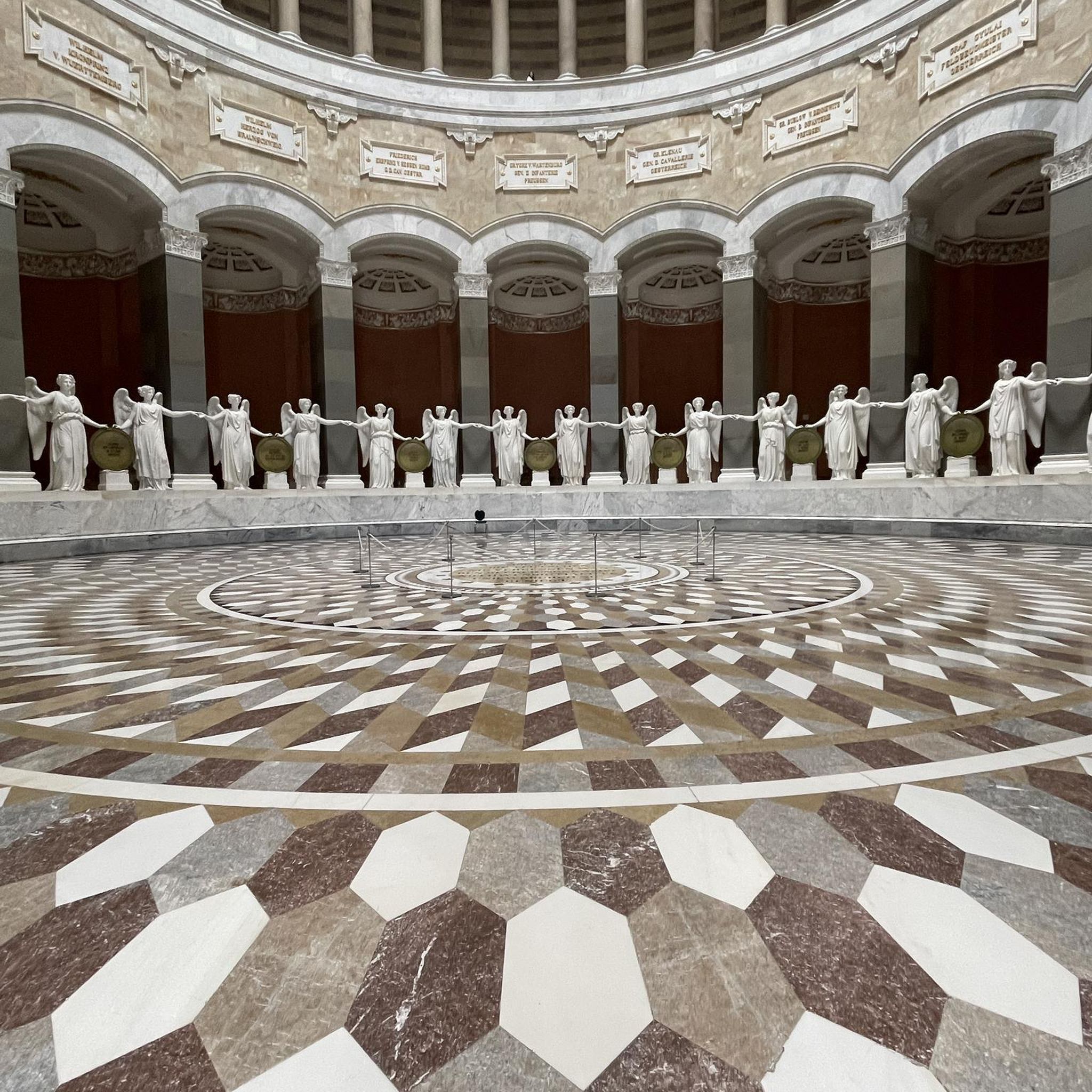
The extraordinary history of this grandiose residence began in 1924, in the heart of a small 19th century manor (to the left of the current façade): the troubadour castel of La Mercerie was then acquired by Alphonse and Raymond Réthoré. From then on, the two brothers, dreaming of the great Versailles, devoted all their resources to enlarging and embellishing the building. The work undertaken is commensurate with the ambition that drives it. Outside, colonnades and balusters in white stone soon extend the first building. the cut stone increases the gigantism and the rigor of a facade with a perfect rhythm. Inside, nothing is too beautiful for La Mercerie, Raymond brings back from his travels furniture and paintings, chandeliers and precious woods, marbles from Italy, azulejos from Portugal etc. He returns from Italy with a painter sculptor who will carry out on the spot the most monumental decorations with the assistance of the inhabitants of the country. The treasures are piling up, but 30 years of work will not be enough to complete the colossal project. The collections are dispersed during auctions in June 1987. When the two brothers died, the castle fell into oblivion, until the mobilization of the inhabitants of the town, who decided to found an association to safeguard this unique and prestigious heritage. The Béruges room, the central living room, the Vernet living room, the vestibule, the mahogany gallery and the large Azulejos gallery, each more impressive than the last, now fully conquers the visitor eager for cultural discoveries. A short tour of the belvedere of the castle allows you to admire it from the height. In the park of the castle, the rose garden and the arboretum can be visited by little train. The little train is random due to the health context and will be reserved for people with reduced mobility and children, and mainly on Sundays.
0
0
Frequently Asked Questions
How many no-traffic touring cycling routes are available around La Chapelle-Grésignac?
There are 18 dedicated no-traffic touring cycling routes around La Chapelle-Grésignac featured in this guide. These routes offer a range of experiences, from moderate to more challenging rides, allowing you to explore the scenic Dordogne region safely and peacefully.
What kind of landscapes can I expect on these no-traffic cycling routes?
The routes around La Chapelle-Grésignac traverse the diverse landscapes of the Dordogne. You'll encounter rolling hills and valleys, lush forests, charming vineyards, and tranquil riverbanks. The region is also known for its dramatic limestone cliffs and picturesque villages, providing a rich tapestry of natural beauty for your ride.
Are there any family-friendly no-traffic cycling options?
While this guide focuses on touring routes, the wider Dordogne region offers dedicated car-free 'Voies Vertes' (Greenways) which are generally flat and well-maintained, making them ideal for families. These include paths along the Dordogne and Isle rivers, providing a safe and enjoyable experience away from traffic. For specific routes, consider those with lower elevation gains.
Can I bring my dog on these no-traffic cycling routes?
Many of the natural paths and greenways in the Dordogne are dog-friendly, provided your dog is kept on a leash and you adhere to local regulations regarding waste disposal. Always ensure your dog is comfortable with the distance and terrain, and carry enough water for both of you. Specific rules may vary by municipality or protected area, so it's always good to check local signage.
What historical attractions or points of interest can I visit along these routes?
The region is rich in history. You can cycle past charming villages and bastide towns, many of which are among the 'Most Beautiful Villages of France.' Majestic castles like Château de la Mercerie, which you can pass on the The Haberdashery – Château de la Mercerie loop from Musée de Tourbiere, are common sights. The area also features Romanesque churches and unique cluzeaux (rock shelters).
What is the best time of year for no-traffic touring cycling in La Chapelle-Grésignac?
The spring (April-June) and autumn (September-October) months are generally considered the best for touring cycling in the Dordogne. The weather is pleasant, temperatures are moderate, and the landscapes are particularly beautiful with spring blossoms or autumn foliage. Summer can be warm, but early mornings or late afternoons offer comfortable riding conditions.
Are there any circular no-traffic cycling routes available?
Yes, many of the routes in this guide are designed as circular loops, allowing you to start and end at the same point. For example, the Roumailhac Castle loop from Verteillac offers a moderate circular ride, and the Aubeterre-sur-Dronne – Beautiful views loop from Lusignac provides another scenic circular option.
What is the general difficulty level of the no-traffic touring routes?
The majority of the no-traffic touring routes around La Chapelle-Grésignac are rated as moderate, with 15 out of 18 routes falling into this category. There are also 3 more difficult routes for experienced cyclists seeking a greater challenge. These routes typically involve rolling hills and varied terrain, offering a good workout without extreme technical demands.
Where can I find parking for these no-traffic cycling routes?
Parking availability varies by starting point. For routes that begin in or near villages, you can often find public parking areas. For example, if you're starting a loop like the Brantôme Benedictine Abbey – Bourdeilles Castle loop from La Tour-Blanche, look for parking in the respective towns. For greenways, designated parking lots are usually provided at access points.
Are there opportunities for wild swimming near the cycling routes?
The Dordogne River and its tributaries offer various spots for swimming. While not officially designated 'wild swimming' locations, many locals and visitors enjoy cooling off in the rivers during warmer months. Always exercise caution, check for local regulations, and be aware of currents and water quality before entering the water.
What do other touring cyclists enjoy most about cycling in La Chapelle-Grésignac?
The area is highly rated by the komoot community, with an average score of 4.05 stars. Reviewers often praise the tranquility of the routes, the stunning natural scenery, and the opportunity to discover charming villages and historical sites away from busy roads. The varied terrain and well-maintained paths also contribute to a highly enjoyable touring experience.
Are there any long-distance no-traffic cycling options in the wider Dordogne region?
Yes, the Dordogne is part of larger cycling networks. The Flow Vélo cycle route, a 400 km adventure, traverses the region along rivers and green countryside, offering a significant long-distance, mostly traffic-free experience. You can find more information about it on France Vélo Tourisme.
Most popular routes around La Chapelle-Grésignac

Get inspired with the komoot mobile app


Explore more
Browse the best Cycling routes in other regions.
