The best traffic-free bike rides around Tragny
4.6
(31)
285
riders
56
rides
No Traffic touring bike trails around Tragny are situated within the picturesque Moselle Valley, characterized by the meandering Moselle River and gentle vineyard-covered hillsides. The region offers predominantly flat and well-maintained routes, making it suitable for various cycling abilities. Its landscape features open countryside, forests, and charming villages, providing a tranquil setting for touring cyclists. The area's terrain is generally rolling, with some routes featuring moderate climbs, particularly away from the immediate riverbanks.
Best no traffic touring cycling routes around Tragny
- The most popular no traffic touring cycling route is Landon-Villers Castle – Château de Luttange loop from Rémilly, a 95.2 miles (153.2 km) trail that takes 9 hours 47 minutes to complete. This difficult route features significant elevation gain and traverses varied landscapes.
- Another top favourite among local touring cyclists is Bike loop from Luppy, a moderate 13.0 miles (20.9 km) path. This route offers a scenic ride through the local countryside, passing by fields and small hamlets.
- Local touring cyclists also love the Château d'Aulnois – War Memorial of Létricourt loop from Sailly-Achâtel, a 19.8 miles (31.8 km) trail leading through a mix of open fields and forested areas, often completed in about 2 hours 3 minutes.
- Touring cycling around Tragny is defined by the Moselle River Valley, vineyard-covered hillsides, and peaceful rural roads. The network offers options for different ability levels, from easy rides along the river to more challenging routes with varied elevation.
- The routes in Tragny are highly rated by the komoot community with an average score of 4.7 stars from over 20 reviews. More than 250 touring cyclists have used komoot to explore Tragny's varied terrain.
Last updated: July 3, 2026
5.0
(2)
21
riders
155km
09:50
1,460m
1,460m
Hard bike ride. Very good fitness required. Mostly paved surfaces. Suitable for all skill levels.
4.0
(3)
8
riders
20.8km
01:17
190m
190m
Moderate bike ride. Good fitness required. Mostly paved surfaces. Suitable for all skill levels.

Sign up for free
5.0
(1)
7
riders
31.8km
02:03
290m
290m
Moderate bike ride. Good fitness required. Mostly paved surfaces. Suitable for all skill levels.
4.0
(1)
7
riders
34.0km
02:07
350m
350m
Moderate bike ride. Good fitness required. Mostly paved surfaces. Suitable for all skill levels.
5.0
(3)
7
riders
36.3km
02:18
390m
390m
Moderate bike ride. Good fitness required. Mostly paved surfaces. Suitable for all skill levels.
Get access to more routes and recommendations from other explorers.
Sign up for free
Already have an account?
Our route recommendations are based on thousands of hikes, rides, and runs completed by other people on komoot.
Start today with a free account
Your next adventure awaits.
Login or Signup
Popular around Tragny
Tips from the Community

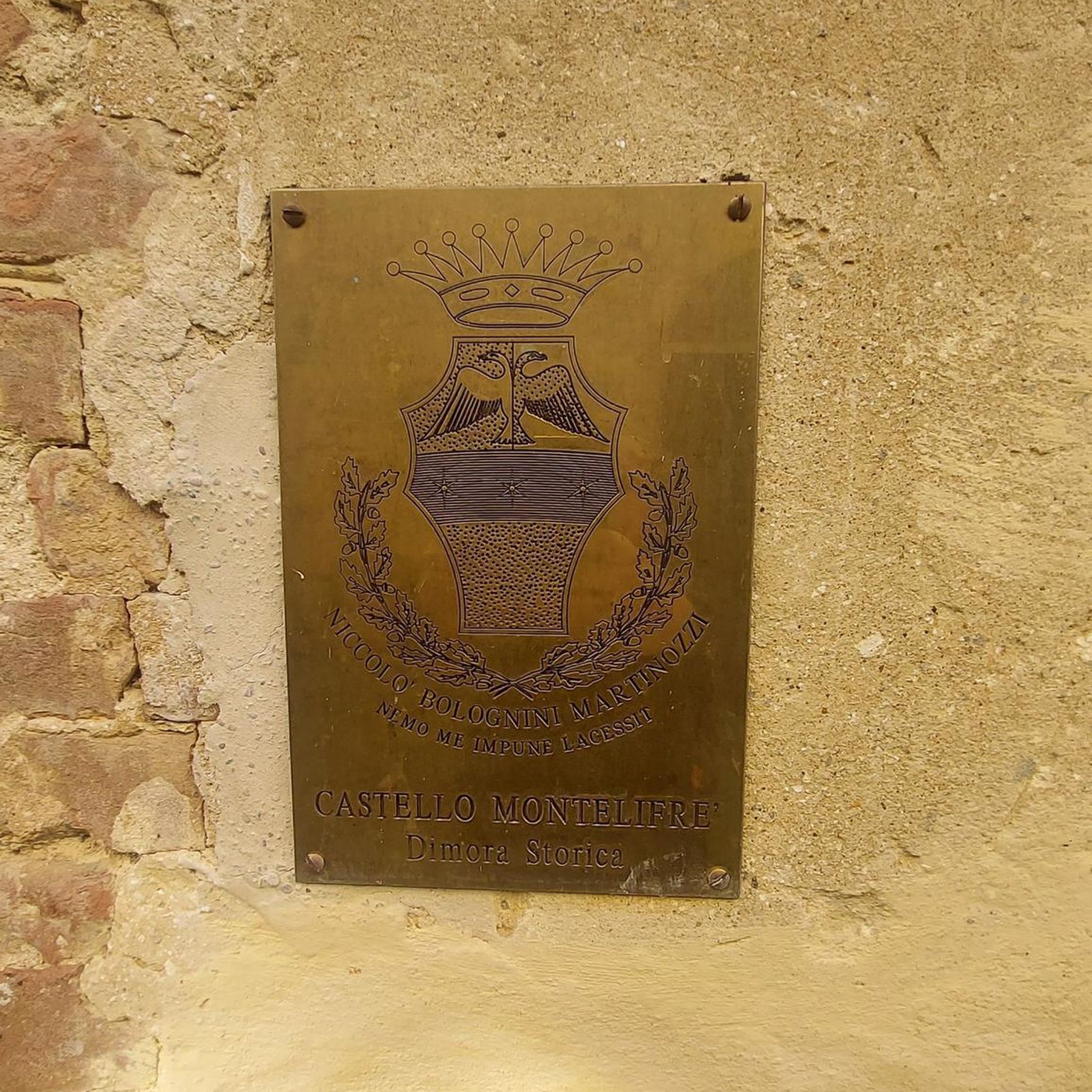
Originally a medieval fortification of the bishopric of Metz, this castle was rebuilt in the 18th century in a classical style by architect Germain Boffrand. Picturesquely situated above the Seille, it combines ancient towers with elegant facades. Today it serves as a primary school and cultural centre, and is listed as a historical monument.
8
0
The statue of the war memorial, made of electroplating, was donated to the commune of Létricourt in 1924. The work was particularly fragile, compared to cast bronze, due to the very thin thickness of the metal, around 2 to 3 mm.
6
0

Since 2024, overnight accommodation has also been available here. Ideal for groups, there are 18 beds.
2
0

Memorial to the fallen of the two world wars 🕊️
2
0

The origin of “Pont-à-Domangeville is lost in the mists of time. The Roman road from Metz to the Rhine already passed through there. Under the old regime, it was a tiny separate lordship, with a toll bridge. Usually blocked and padlocked, to cross it you had to pay a fee, depending on the livestock and products passed through. The lordship belonged in the 13th century to the Saint-Vincent de Metz abbey, then to the successive lords of Domangeville; in 1716, to the Laubrussels, then to the Leuryses, finally to the Thomas de Pange. It included, in addition to the bridge, the road - 50 toises on this side, 18 beyond - the bed of the Nied on both sides and, on the south-east bank, land with a hostelry (current Mayot farm) . In 1789, the community of Bazoncourt declared in its list of grievances “the enlightenment of the State and the kindness of the King will undoubtedly eliminate a right of final injustice perceived at Pont-à-Domangeville. However poor a plowman he may be, he pays three does and several pay without passing through.” After the revolution, the bridge had to be repaired. Paradoxically, the general council had the expenditure entered in the 1814 and 1815 rolls of the localities which had subscribed to the bridge in 1766. On this ordeal is inscribed: “This monument of our redemption was erected by the care of MM. De Pange, de Courten, Devaux and Dauphin, Commissioners responsible for the reconstruction of this bridge, in the year of our Lord 1816. During the reconstruction work and near the bridge, Joseph GRANDIDIER de Hernicourt and François ANIEL perished in the waters on July 20 from Domangeville, both attached to the service of the neighboring farm »
1
0

Two people died during the reconstruction of the bridge over the Nied Française in Domangeville in 1816.
1
0

This old wayside cross from the 19th century is located just after the village of Hayes on the way to Metz
0
0
Beautiful medieval castle. It can also be visited.
2
0
Frequently Asked Questions
How many no-traffic touring cycling routes are available around Tragny?
There are over 50 dedicated no-traffic touring cycling routes around Tragny listed on komoot, offering a wide range of distances and difficulty levels. This includes 7 easy routes, 30 moderate routes, and 16 difficult routes, ensuring options for every cyclist.
What is the best time of year for no-traffic bike touring in Tragny?
The Moselle region, including Tragny, is particularly beautiful for cycling from spring through autumn. The vineyards are lush, and the weather is generally pleasant. Summer offers longer daylight hours, while spring and autumn provide milder temperatures and stunning seasonal colors, especially along the Moselle River Valley.
Are there any family-friendly no-traffic touring bike trails near Tragny?
Yes, the region is well-suited for family cycling. The Mosel Cycle Path, easily accessible from Tragny, is largely flat, well-signposted, and features mostly asphalted surfaces, making it ideal for families. Many local routes also follow quiet country roads or dedicated cycle paths away from heavy traffic.
What kind of terrain can I expect on no-traffic touring routes around Tragny?
The terrain around Tragny varies but generally offers a mix of gentle river valleys and vineyard-covered hillsides. Routes along the Moselle River, such as sections of the Mosel Cycle Path and La Voie Bleue, are predominantly flat. Inland routes may feature more rolling hills, providing moderate climbs and descents through picturesque countryside.
What do other touring cyclists enjoy most about cycling in Tragny?
The komoot community rates touring cycling in Tragny highly, with an average score of 4.7 stars from 21 reviews. Cyclists often praise the peaceful, car-free routes, the stunning vineyard landscapes, and the charming villages along the Moselle River. The well-maintained paths and the opportunity to explore historic towns like Metz and Nancy are also frequently highlighted.
Are there any circular no-traffic touring bike routes available?
Yes, many of the no-traffic touring routes around Tragny are designed as loops, allowing you to start and finish in the same location. An example is the moderate "Bike loop from Luppy", which covers about 21 km. Another option is the "Bike loop from Prévocourt" at 34 km.
Can I find cafes, pubs, or accommodation along the no-traffic routes?
Yes, the Moselle region is well-equipped with amenities for cyclists. Charming wine-growing villages along the Mosel Cycle Path and La Voie Bleue often feature local cafes, restaurants, and guesthouses. Larger towns like Metz and Nancy, which are easily accessible, offer a wider range of dining and accommodation options.
What are some notable landmarks or attractions I can see along these routes?
While cycling, you can enjoy continuous views of the meandering Moselle River and its famous vineyards. Historic cities like Metz and Nancy are within cycling distance, offering cultural stops such as Metz Cathedral, Centre Pompidou-Metz, and Nancy's Place Stanislas. You might also pass by local châteaux, like the one on the "Château d'Aulnois – War Memorial of Létricourt loop from Sailly-Achâtel" route, or the Parc du château de Pange, about 14km from Tragny.
Is public transport accessible for cyclists near Tragny?
The Moselle region has public transport options that can be useful for cyclists, particularly trains connecting major towns like Metz and Nancy. Many regional trains allow bicycles, though it's always advisable to check specific schedules and booking requirements for bike transport in advance, especially during peak seasons.
Where can I park my car when starting a no-traffic bike tour near Tragny?
For routes starting in or near villages, you'll typically find public parking available. For longer routes like sections of the Mosel Cycle Path or La Voie Bleue, designated parking areas are often provided at key access points or in nearby towns. It's recommended to check local information for specific starting points.
Are there any long-distance no-traffic touring routes accessible from Tragny?
Absolutely. Tragny provides excellent access to major long-distance cycle paths. The Mosel Cycle Path stretches over 300 km from Metz to Koblenz, offering a continuous, largely traffic-free experience. Additionally, La Voie Bleue, a national route, also passes through the Moselle Valley, providing a major link for extended touring.

Get inspired with the komoot mobile app


Explore more
Browse the best Cycling routes in other regions.
