The best traffic-free bike rides around Château-L'Hermitage
4.4
(39)
991
riders
179
rides
Road cycling around Château-L'Hermitage offers a network of no traffic routes through the peaceful countryside of the Sarthe department. The region is characterized by rural landscapes, including forests, gentle hills, and agricultural areas, providing varied scenery for cyclists. Routes often traverse quiet roads and forested sections, with the Loir Valley offering tranquil paths alongside the Sarthe River. This environment is well-suited for road cyclists seeking routes away from heavy vehicle traffic.
Best no traffic road cycling routes around Château-L'Hermitage
- The most popular no traffic road cycling route is Smooth Forest Road – Rillette from Parigné-l'Évêque loop from Écommoy, a 69.9 miles (112.4 km) trail that takes 4 hours 45 minutes to complete. This moderate route navigates through quiet forest roads and rural landscapes.
- Another top favourite among local road cyclists is Deadly Climb – L'Enfournerie loop from Écommoy, a difficult 72.2 miles (116.2 km) path. This route features significant elevation gain, traversing varied terrain with challenging ascents.
- Local road cyclists also love the L'Enfournerie loop from Écommoy, a 17.7 miles (28.5 km) trail leading through the local countryside, often completed in about 1 hour 16 minutes.
- Road cycling around Château-L'Hermitage is defined by rural roads, forested sections, and gentle hills, with options to explore the Loir Valley. The network offers routes for various ability levels, from easier loops to more challenging rides with notable elevation changes.
- The routes in Château-L'Hermitage are highly rated by the komoot community with an average score of 4.3 stars from more than 30 reviews. More than 900 road cyclists have used komoot to explore Château-L'Hermitage's varied terrain.
Last updated: July 3, 2026
17
riders
115km
04:47
630m
630m
Moderate road ride. Good fitness required. Some segments of this route may be unpaved and difficult to ride.
5.0
(1)
15
riders
41.4km
01:45
240m
240m
Easy road ride. Great for any fitness level. Mostly well-paved surfaces and easy to ride.

Sign up for free
9
riders
115km
05:29
770m
770m
Hard road ride. Very good fitness required. Some segments of this route may be unpaved and difficult to ride.
9
riders
34.4km
01:34
170m
170m
Moderate road ride. Great for any fitness level. Some segments of this route may be unpaved and difficult to ride.
6
riders
28.5km
01:16
190m
190m
Easy road ride. Great for any fitness level. Mostly well-paved surfaces and easy to ride.
Get access to more routes and recommendations from other explorers.
Sign up for free
Already have an account?
Our route recommendations are based on thousands of hikes, rides, and runs completed by other people on komoot.
Start today with a free account
Your next adventure awaits.
Login or Signup
Popular around Château-L'Hermitage

Tips from the Community


The oven is the highest point of the sector
0
0

Placed in a self-service distributor 7 days a week, 24 hours a day, if you have a craving for rillettes! Butcher, bakery and Spar right next door
0
0

a short 100m stretch of road (in poor condition to get there but it's worth it!
0
0
Very good cycling club
0
0
Very pleasant for a moment of relaxation
0
0

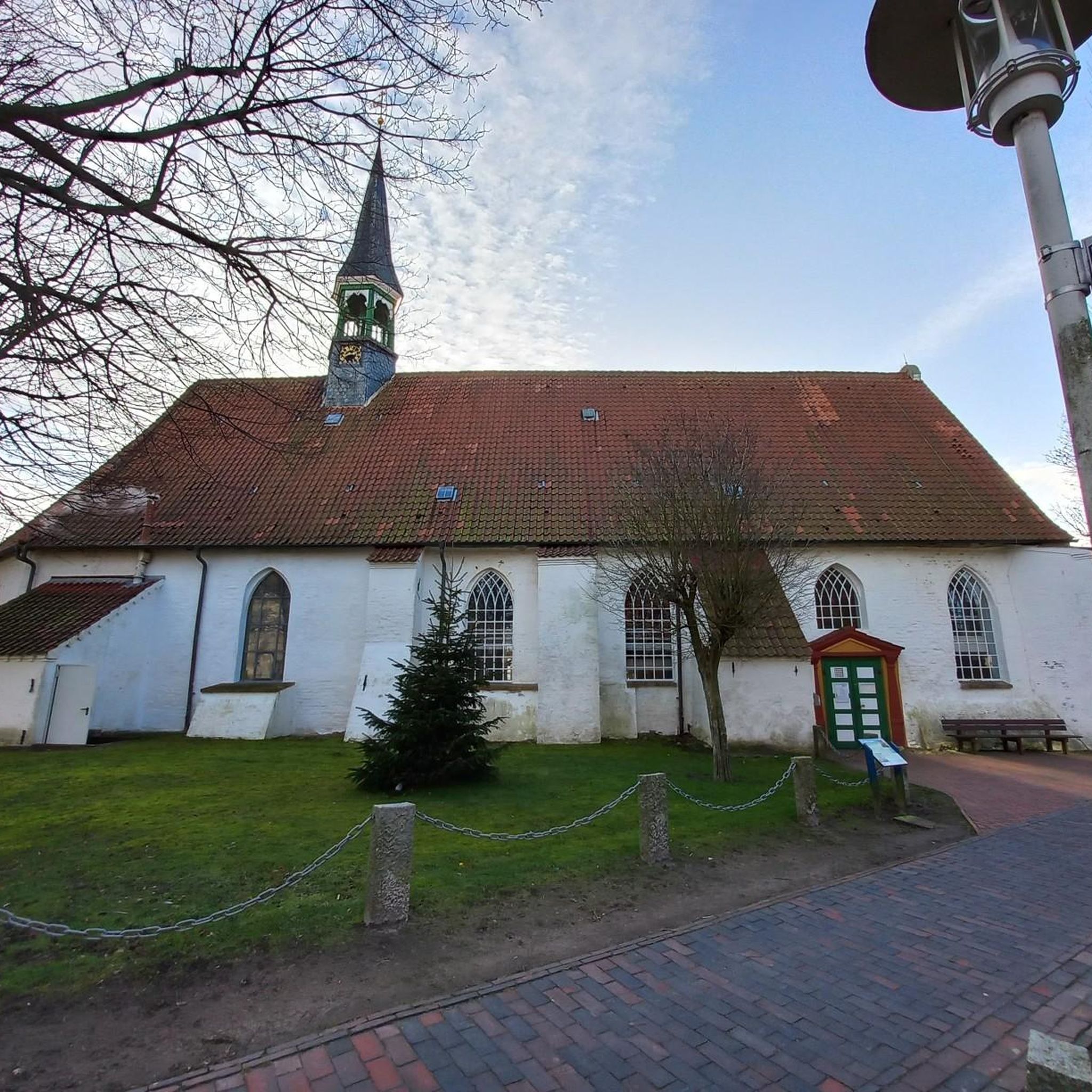
The first mentions of the Saint-Germain church in Sceaux-sur-Huisne appear in the cartulary of the Saint-Vincent abbey in Le Mans: around 1050, Bouchard de Théligny gave the Sceaux church land and a meadow located at proximity. At this time, the building, then "in bad woods", was rebuilt in stone. The nave is considered to be the oldest part of the church and dates back to the 11th century, but it is in reality difficult to date due to multiple alterations and even reconstructions. The masonry shows several repetitions and a confused assembly of elements which could come from older buildings, such as the remains of the Gallo-Roman villa which was exhumed at the end of the 19th century in the valley (small regularly cut rubble stones, debris of roof tiles). There are also traces of old openings, such as a door opening onto the priory. Although it is probable, there is no element to formally identify the Romanesque construction. The current openings are later, such as the small Gothic bay in the western wall and perhaps the south door (15th century?) and the other openings probably made around the first half of the 18th century. Significant masonry and structural work is actually mentioned in the nave in 1709. The choir and the bell tower were probably built in the first half of the 16th century, in a late Gothic style. The factory accounts mention various works in the 1530s and 1540s: roofing, construction of a ballet, stained glass window of the "grant window"... The tower was perhaps built in several stages if we rely on the changes masonry nets in the elevation. It was visibly remodeled at the end of the 16th century or the beginning of the 17th century, as indicated by the semi-circular openings, one of which was walled up. From 1570, the du Bouchets were lords of Sceaux and had their coat of arms, "azure with three rings of sand", affixed to the keystone of the chapel under the bell tower (since replaced by a flower) and on the vault paneled nave and choir. As for the windows on the north wall of the choir, they were undoubtedly open in the 18th century like those in the nave. During the Revolution, the church was seized as national property and sold to a certain René Neveu in September 1796, excluding the furniture. The two bells installed in 1719 and the fittings were handed over to the administration to be melted down. The church was returned to the town after the death of Mr. Neveu in the 1810s. The church underwent some occasional maintenance work (mainly on the roof) in the 19th and 20th centuries, but not an overall restoration. In 1831, an estimate was drawn up to enlarge the church with a chapel, in order to better accommodate all parishioners: this project was not carried out. The same year, the flag which still covers the bell tower was put up. The current sacristy (Gambert architect) was added in 1862 to replace another very dilapidated one, blocking a window now only visible from the inside. The second half of the 19th century also saw the clearing of the surroundings of the church, cluttered with lean-tos and hidden by an imposing washhouse finally moved in 1870. The last work, concerning the roofing, was carried out in 1989. The church of Sceaux-sur-Huisne has been listed as a Historic Monument since 1926.
0
0
Frequently Asked Questions
How many no-traffic road cycling routes are available around Château-L'Hermitage?
There are over 180 no-traffic road cycling routes around Château-L'Hermitage, catering to various skill levels. You'll find 27 easy routes, 140 moderate, and 14 difficult options to explore the region's peaceful countryside.
What kind of terrain can I expect on these no-traffic road cycling routes?
The terrain around Château-L'Hermitage is varied, featuring rural roads, gentle hills, and forested sections. While generally peaceful, some routes, like the challenging Deadly Climb – L'Enfournerie loop from Écommoy, include significant elevation changes, offering a good workout amidst scenic landscapes.
Are there any family-friendly no-traffic road cycling routes in the area?
Yes, the region offers several easy routes perfect for families looking for a relaxed ride away from traffic. These routes often traverse quiet rural roads and greenways, allowing for a safe and enjoyable experience for all ages. An example is the L'Enfournerie loop from Écommoy, which is classified as easy.
What are some scenic viewpoints or points of interest along the no-traffic road cycling routes?
As you cycle through the region, you can discover charming villages and natural features. Points of interest include the serene Moulinsart Island, the historic Château du Fort des Salles, and the picturesque The Fillé-sur-Sarthe Mill and the Canal Lock. Many routes also follow the tranquil Loir Valley, offering beautiful riverside views.
What is the best season for no-traffic road cycling around Château-L'Hermitage?
The best time for road cycling in the Sarthe department, including Château-L'Hermitage, is typically during spring and autumn. These seasons offer pleasant temperatures and beautiful scenery, making for comfortable rides. Summer can also be enjoyable, especially in the mornings or late afternoons, to avoid the warmest parts of the day.
Are there any circular no-traffic road cycling routes available?
Many of the no-traffic road cycling routes around Château-L'Hermitage are designed as loops, allowing you to start and end at the same point. This makes planning your ride convenient. For instance, the Smooth Forest Road – Rillette from Parigné-l'Évêque loop from Écommoy is a popular moderate circular route.
What do other road cyclists enjoy most about the no-traffic routes in Château-L'Hermitage?
The komoot community highly rates the road cycling experience around Château-L'Hermitage, with an average score of 4.3 out of 5 stars from 36 ratings. Reviewers often praise the peaceful countryside, the absence of heavy traffic, and the diverse landscapes that make for a truly immersive and enjoyable ride.
Can I find cafes or restaurants along these no-traffic road cycling routes?
While the routes focus on quiet, rural roads, many pass through or near charming villages where you can find local cafes and restaurants. It's a good idea to check your route in advance for specific refreshment stops, especially on longer rides, to enjoy local cuisine and take a break.
Are there options for longer, more challenging no-traffic road cycling routes?
Yes, for experienced cyclists seeking a challenge, there are several longer and more difficult no-traffic routes. These can involve significant distances and elevation gains, such as the L'Enfournerie – Deadly Climb loop from Écommoy, which covers nearly 100 km with over 900 meters of ascent.
What should I bring for a no-traffic road cycling trip in Château-L'Hermitage?
For a comfortable and safe no-traffic road cycling trip, it's recommended to bring appropriate cycling gear, water, snacks, a repair kit, and a fully charged phone. Given the rural nature of many routes, having a reliable navigation device or app is also advisable to stay on track.
Most popular routes around Château-L'Hermitage
Most popular attractions around Château-L'Hermitage

Get inspired with the komoot mobile app


Explore more
Browse the best Road cycling routes in other regions.
