The best traffic-free bike rides around Bergholtz
4.5
(414)
11,265
riders
32
rides
No traffic road cycling routes around Bergholtz are situated in the Haut-Rhin department of France's Grand Est region, offering a diverse landscape for cyclists. The area is framed by the Vosges mountains to the west and the Rhine plain to the east, providing varied terrain. Cyclists can expect a mix of vineyard-lined roads, dense forests, and rolling hills, with proximity to the Vosges mountains offering significant climbing opportunities. This region is integrated into a broader cycling network known for its…
Last updated: May 22, 2026
4.8
(4)
118
riders
33.0km
01:39
530m
530m
Moderate road ride. Good fitness required. Mostly well-paved surfaces and easy to ride.
5.0
(3)
82
riders
73.3km
04:15
1,720m
1,720m
Hard road ride. Very good fitness required. Mostly well-paved surfaces and easy to ride.

Sign up for free
4.3
(3)
52
riders
54.1km
03:25
1,430m
1,430m
Hard road ride. Very good fitness required. Some segments of this route may be unpaved and difficult to ride.
4.0
(2)
38
riders
24.6km
01:04
140m
140m
Moderate road ride. Great for any fitness level. Some segments of this route may be unpaved and difficult to ride.
53
riders
24.7km
01:20
310m
310m
Moderate road ride. Good fitness required. Some segments of this route may be unpaved and difficult to ride.
Get access to more routes and recommendations from other explorers.
Sign up for free
Already have an account?
Our route recommendations are based on thousands of hikes, rides, and runs completed by other people on komoot.
Start today with a free account
Your next adventure awaits.
Login or Signup
Popular around Bergholtz

Tips from the Community

The Wells of Lautenbach The monks who founded Lautenbach settled in this area because of the abundant water resources. Over the centuries, population growth led to a multitude of wells, both public and private. Many wells, like the Stockbrunnen (a type of well), played an important role in the daily life of the village. The use of solid sandstone testifies to the wealth and prosperity of the village, which had developed into a small industrial town by the end of the 19th century. The wells remained in their original state until the construction of a water supply network. --- The Wells of Lautenbach The monks who founded Lautenbach settled in this area for its water resources. Over the centuries, population growth led to a multiplication of wells, both public and private. The names of the fountains, comme le Stockbrunna, participate in the vie quotidienne of the village. The large size used is signe of the richness and the prosperity of the village qui devient, à la fin du XIXe siècle, a small industrial town. Les fontaines conservent leur état d'origine jusqu'à la creation d'un réseau d'adduction en 1896.
0
0
Das Rathaus befindet sich im ehemaligen Klostergebäude der Stiftskirche Lautenbach. Die Tür des Ostflügels trägt die Jahreszahl 1517. In diesen Gebäuden befinden sich das ehemalige Propsthaus, die Sakristei der Domherren, der Kapitelsaal und eine Gewölbegalerie. Der Nordflügel wurde erst im 19. Jahrhundert errichtet. Im Winkel zwischen den beiden Flügeln stehen noch ein Turm mit seiner Wendeltreppe. Der Gotische Kreuzgang, der durch ein Spitzbogenportal zugänglich ist, weist Rippengewölbe auf. --- The town hall is housed in the former convent building of the Collegiate Church of Lautenbach. The door of the east wing bears the date 1517. These buildings house the former provost's house, the canons' sacristy, the chapter house, and a vaulted gallery. The north wing was built only in the 19th century. In the angle between the two wings, a turret and its spiral staircase still stand. The Gothic cloister, accessible through a pointed arch doorway, features ribbed vaults. To the left, the house, arranged as a central block, was acquired by the municipality in 1978 and then demolished in 1985, making way for a more suitable urban development.
0
0

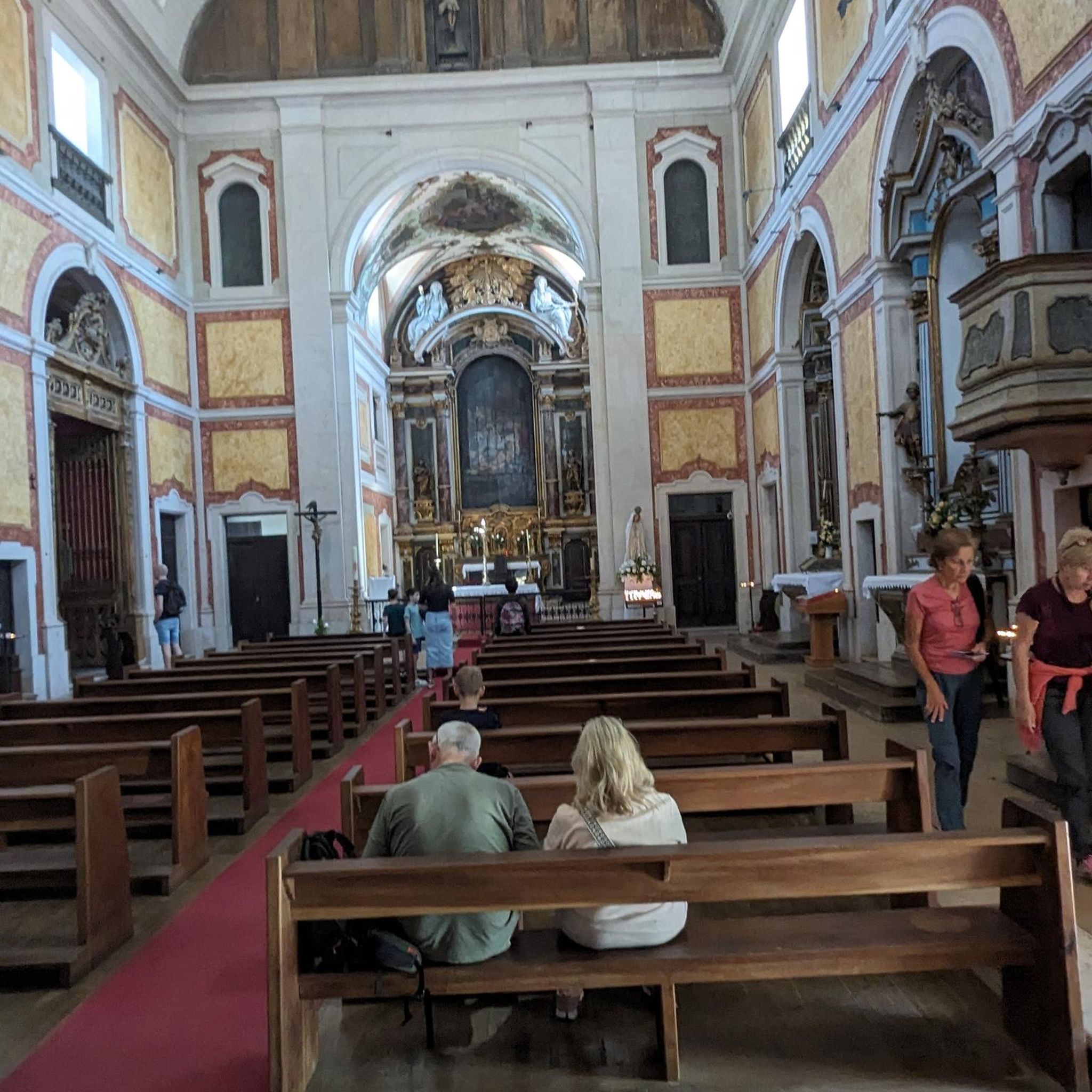
The church cannot be visited at this time as it is closed for renovations.
2
0

A pleasant section to ride, with moderate climbs and little traffic. There were a few racing cyclists on the road.
0
0

A challenge on a mountain bike without a motor. But the downhill trails are great. It's worth it 👍🏻
1
0

A beautiful subject for photography. Visible when riding the section of the bike path north.
0
0

The Langenstein menhir (a 4-meter-high long stone) was erected in 1904 by a Soultzmatt industrialist, who recognized this block as an overturned menhir. Legend tells that on full moon nights, fairies, or White Ladies, come to dance around the Langenstein. During this ceremony, the stone is said to begin spinning!
0
0
I also passed by this fountain in Osenbach and refilled my water bottles. The water tastes delicious, very smooth on the tongue.
0
0
Frequently Asked Questions
How many no traffic road cycling routes are available around Bergholtz?
There are over 30 dedicated no traffic road cycling routes around Bergholtz, offering a variety of distances and elevations to explore the region's scenic landscapes.
What kind of terrain can I expect on no traffic road cycling routes in Bergholtz?
You'll find a diverse mix of terrain. Routes can range from relatively flat sections through the Rhine plain and picturesque vineyard-lined roads, characteristic of the Alsace Wine Route, to more demanding climbs into the foothills of the Vosges mountains. The region offers both gentle rides and challenging ascents for experienced cyclists.
Are there any easy no traffic road cycling routes for beginners or families?
Yes, Bergholtz offers several easier routes suitable for beginners. For instance, the Art at the tower - Kingfisher – Wagenbourg Castle loop from Issenheim is a moderate route with less elevation gain, providing a pleasant experience through the local scenery.
What are some challenging no traffic road cycling routes in the Bergholtz area?
For experienced cyclists seeking a challenge, routes like the Pinot Bend – Firstplan Pass loop from Merxheim or the Firstplan Pass – Firstplan Pass loop from Guebwiller offer significant elevation gains, taking you into the Vosges mountains with rewarding views.
What can I see along the no traffic road cycling routes around Bergholtz?
Many routes pass through the beautiful Alsace Wine Route, offering views of vineyards and charming Alsatian villages. You can also discover historical sites like the Ruins of Hohrupf Castle or the Ruins of Freundstein Castle. The region's natural beauty includes dense forests and rolling hills, with some routes leading to mountain passes like Boenlesgrab Pass.
Are there any viewpoints or panoramic spots along these routes?
Yes, many routes in the Vosges foothills offer stunning panoramic views. While specific viewpoints vary by route, the proximity to the Grand Ballon means that higher elevation rides can provide magnificent vistas extending across the Rhine Valley and even to the Swiss Alps on clear days.
What is the best time of year for no traffic road cycling in Bergholtz?
The spring and autumn months generally offer the most pleasant conditions for road cycling in Bergholtz, with milder temperatures and beautiful scenery, especially through the vineyards. Summer can also be excellent, though it can be warmer, particularly in the valleys.
Are there places to stop for refreshments or food along the no traffic routes?
Given Bergholtz's location on the Alsace Wine Route and its proximity to charming villages, you'll find opportunities for refreshments. Many local wineries offer tastings, and there are traditional Alsatian restaurants and inns. Some routes may also pass by farmhouses or huts, such as the Gustiberg Farmhouse Inn, where you can find food and drink.
What do other road cyclists enjoy most about cycling in Bergholtz?
The komoot community highly rates the cycling experience in Bergholtz, with an average score of 4.5 stars. Cyclists often praise the quiet, traffic-free roads, the stunning vineyard landscapes, and the challenging yet rewarding climbs into the Vosges mountains. The blend of cultural sights and natural beauty is frequently highlighted.
Can I find circular no traffic road cycling routes in Bergholtz?
Yes, many of the no traffic road cycling routes around Bergholtz are designed as loops, allowing you to start and end your ride in the same location. Examples include the Bannstein Pass – Well with drinking water loop from Guebwiller and the Firstplan Pass – Pinot Bend loop from Guebwiller.
Are there any specific natural features to look out for on these routes?
Beyond the extensive vineyards, the region boasts dense forests and rolling hills. The area is part of the Ballons des Vosges Nature Park, ensuring preserved natural environments. You might also encounter unique geological formations, such as the historic Quarries of Bergholtz, which are now part of local trails.
Most popular routes around Bergholtz
Most popular attractions around Bergholtz

Get inspired with the komoot mobile app


Explore more
Browse the best Road cycling routes in other regions.
